Choosing an OBD-II scanner starts with identifying your needs—are you looking for professional diagnostics or a basic DIY tool? Next, consider the scanner type: Bluetooth for convenience or wired for reliability. Check essential features like code reading, compatibility with your vehicle, and ease of use. Pay attention to user feedback for performance insights. Keep in mind that not all scanners support every model, so you should verify compatibility. There’s plenty more to explore to find your perfect match!
Key Takeaways
- Determine your needs by evaluating whether you require a professional or DIY scanner based on your expertise and usage frequency.
- Compare Bluetooth and wired scanners, considering factors like convenience, signal reliability, and security for your specific diagnostic needs.
- Check for compatibility with your vehicle’s make, model, and year, ensuring it meets OBD-II standards (1996 and newer vehicles).
- Look for essential features like clear error code display, live data tracking, and support for multiple diagnostic protocols to enhance usability.
- Read user reviews to gauge performance and reliability, focusing on models that offer accurate diagnostics and user-friendly interfaces.

ANCEL AD310 Classic Enhanced Universal OBD II Scanner Car Engine Fault Code Reader CAN Diagnostic Scan Tool, Read and Clear Error Codes for 1996 or Newer OBD2 Protocol Vehicle (Black)
CEL Doctor: The ANCEL AD310 is one of the best-selling OBD II scanners on the market and is…
As an affiliate, we earn on qualifying purchases.
As an affiliate, we earn on qualifying purchases.
Common Problems You Can Solve With an OBD-II Scanner
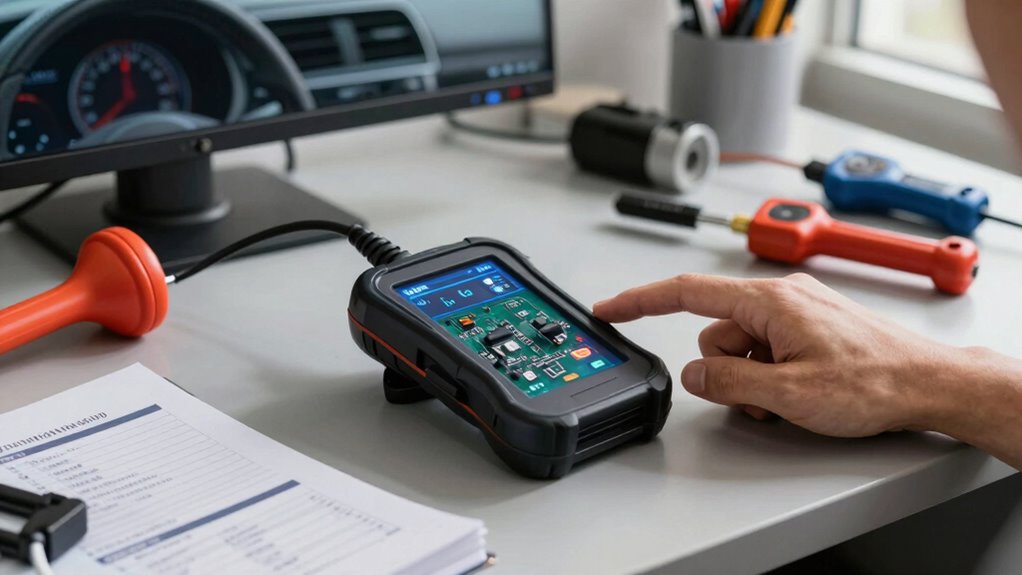
When you plug in an OBD-II scanner, you can quickly diagnose several common car problems that might be causing issues. Its diagnostic capabilities let you read error codes, revealing issues like engine misfires or faulty sensors. You’ll also receive maintenance reminders, helping you stay on top of your vehicle’s needs. By accessing vehicle history, you can track previous repairs and identify recurring problems. Performance tracking guarantees your car runs efficiently, while emissions testing assures compliance with environmental standards. With the right repair solutions, you can address these issues promptly, leading to significant cost savings. An OBD-II scanner empowers you to take control of your vehicle’s health, making maintenance more manageable and less stressful. Safety checklists and seasonal prep playbooks can help you prepare your vehicle for different conditions and ensure safe operation. Regular sensor calibration using an OBD-II scanner can further enhance your vehicle’s safety and performance.

Veepeak OBDCheck BLE Bluetooth OBD II Scanner for iOS & Android, Car Wireless Check Engine Light Code Reader Diagnostic Tool
Note: This device requires a compatible third-party app to work. Generic OBD functions are typically free via apps…
As an affiliate, we earn on qualifying purchases.
As an affiliate, we earn on qualifying purchases.
Why You Need an OBD-II Scanner for Your Vehicle
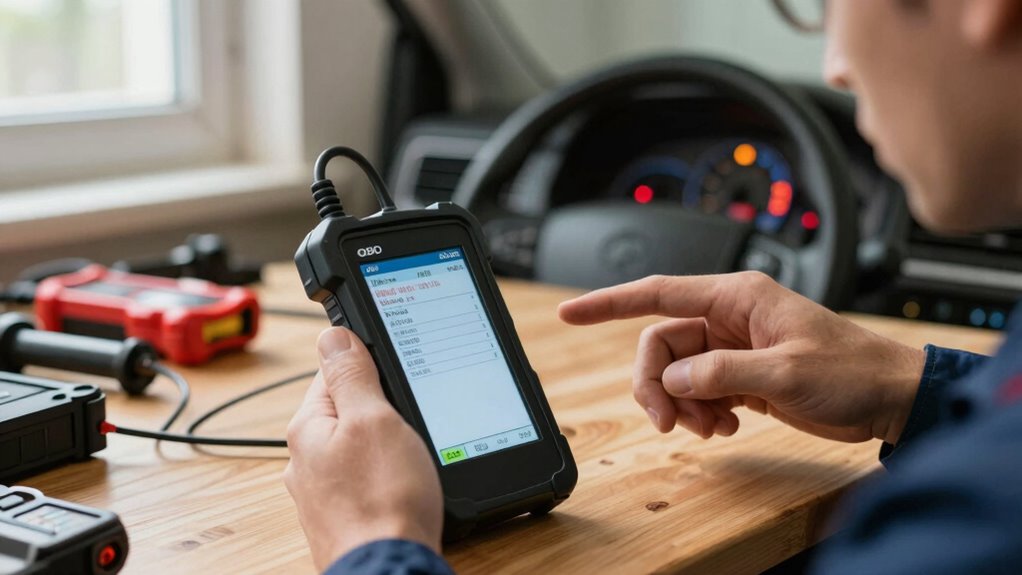
Having an OBD-II scanner at your disposal can transform how you manage your vehicle’s health. With this tool, you’ll access essential diagnostic benefits and take charge of your car’s performance. Here’s why you need one:
An OBD-II scanner empowers you to effectively monitor and enhance your vehicle’s performance and health.
- Quick Problem Diagnosis: Instantly identify error codes, saving time and money on repairs.
- Maintenance Monitoring: Stay ahead of potential issues by tracking your vehicle’s health and ensuring timely upkeep.
- Enhanced Performance: Optimize your car’s efficiency by monitoring critical data, helping you make informed decisions about repairs and upgrades.
ANCEL AD310 Classic Enhanced Universal OBD II Scanner Car Engine Fault Code Reader CAN Diagnostic Scan Tool, Read and Clear Error Codes for 1996 or Newer OBD2 Protocol Vehicle (Black)
CEL Doctor: The ANCEL AD310 is one of the best-selling OBD II scanners on the market and is…
As an affiliate, we earn on qualifying purchases.
As an affiliate, we earn on qualifying purchases.
Understanding OBD-II Scanner Types: Which Is Right for You?
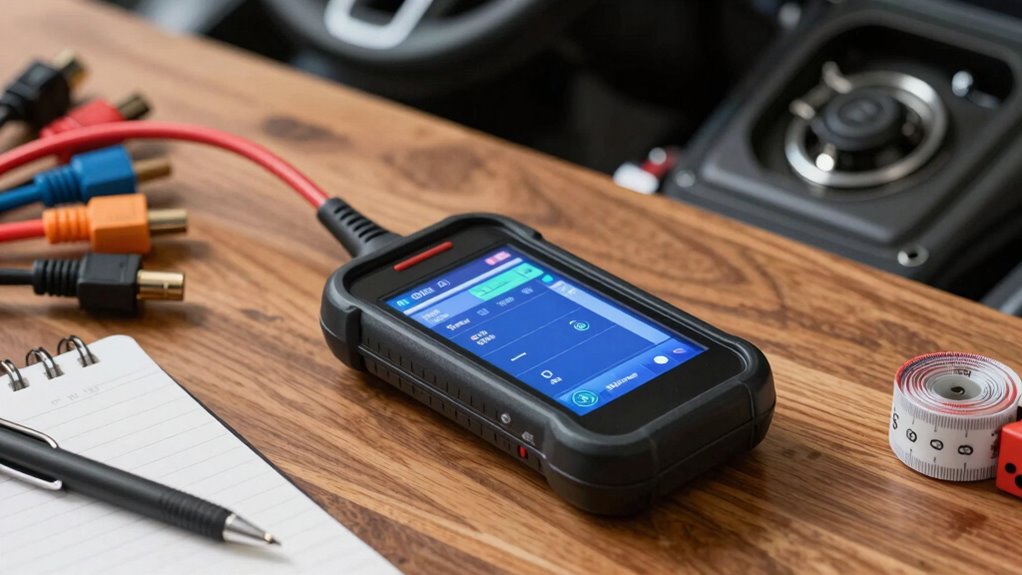
When choosing an OBD-II scanner, you’ll want to contemplate whether you prefer a Bluetooth or wired option. Think about whether you need a professional-grade tool or something more suited for DIY use. Each type has its benefits, so let’s explore which one fits your needs best.
Bluetooth Vs. Wired Scanners
How do you choose between Bluetooth and wired OBD-II scanners? Each type has its pros and cons, so consider these key factors:
- Bluetooth Advantages: Wireless convenience allows you to move freely while scanning, but be aware of potential signal interference.
- Wired Reliability: Wired scanners typically offer consistent performance and better data security, eliminating compatibility issues.
- Price Differences: Bluetooth scanners often come at a lower price point, while wired scanners might require a higher upfront investment.
Ultimately, your choice will depend on user preferences, update frequency needs, and whether you prioritize convenience or reliability. By weighing these factors, you can find the right scanner to suit your automotive needs.
Professional Vs. DIY Options
While you might be tempted to grab any OBD-II scanner, understanding the differences between professional and DIY options can make a significant impact on your diagnostic experience. Professional tools are often more advanced, offering extensive features and detailed diagnostics suitable for mechanics. In contrast, DIY kits are designed for casual users, providing basic functions for personal vehicle maintenance.
| Feature | Professional Tools | DIY Kits |
|---|---|---|
| Diagnostic Depth | Extensive | Basic |
| User Skill Level | Advanced | Beginner-friendly |
| Price Range | Higher | Affordable |
| Software Updates | Regular | Limited |
Choosing the right scanner guarantees you get the most out of your vehicle diagnostics, whether you’re a pro or a DIY enthusiast.
ANCEL AD310 Classic Enhanced Universal OBD II Scanner Car Engine Fault Code Reader CAN Diagnostic Scan Tool, Read and Clear Error Codes for 1996 or Newer OBD2 Protocol Vehicle (Black)
CEL Doctor: The ANCEL AD310 is one of the best-selling OBD II scanners on the market and is…
As an affiliate, we earn on qualifying purchases.
As an affiliate, we earn on qualifying purchases.
Essential Features to Consider When Choosing an OBD-II Scanner
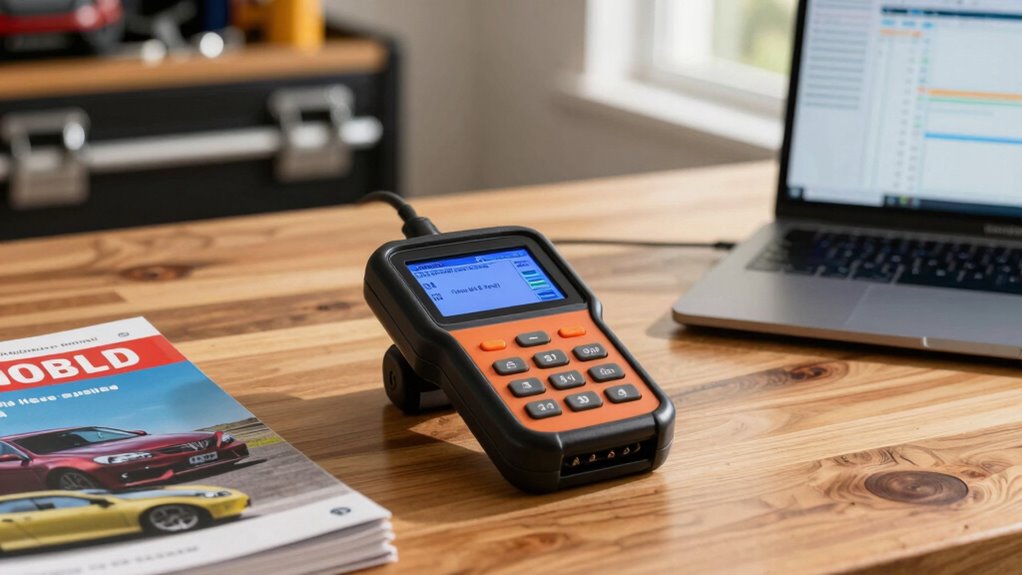
Choosing the right OBD-II scanner can make all the difference in diagnosing vehicle issues efficiently. To help you select the best one, consider these essential features:
- Scanner Display Options: Look for a scanner with a user-friendly display that clearly shows error codes and live data. A larger screen can enhance readability, especially in low-light conditions.
- Diagnostic Protocol Support: Verify the scanner supports multiple protocols like ISO, CAN, and J1850. This compatibility is vital for diagnosing various vehicles accurately.
- Code Read/Erase Functionality: A scanner that reads and clears trouble codes can save you time and help you reset warning lights after repairs.
- Color Accuracy and Screen Readability: A display with good color accuracy and high contrast enhances the clarity of diagnostic information, making it easier to interpret data quickly.
Bluetooth vs. Standalone Scanners: What’s Best for You?
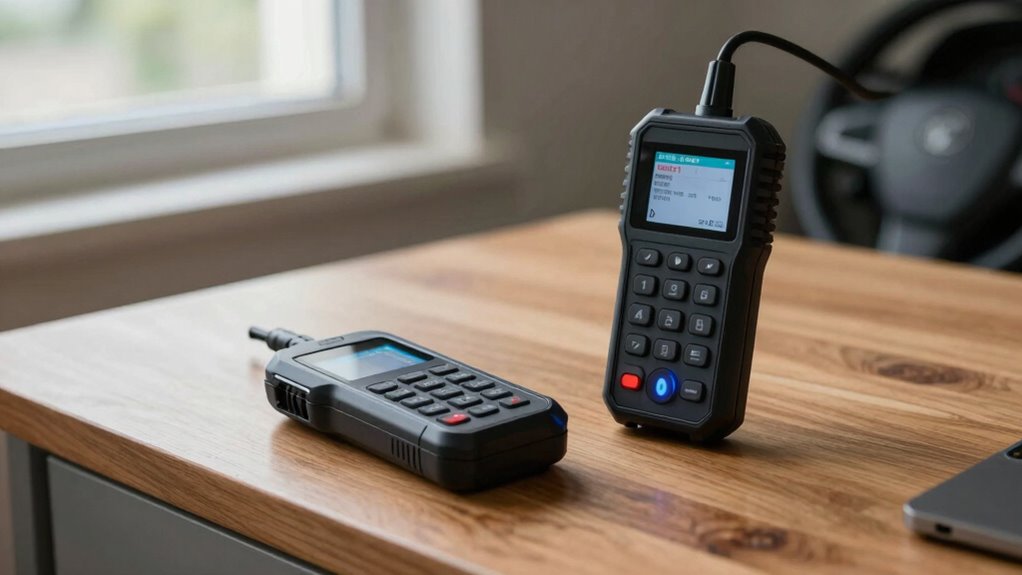
When choosing between Bluetooth and standalone OBD-II scanners, consider how much you value connectivity and convenience. Bluetooth scanners offer wireless access to your data, while standalone models often provide robust functionality and features. Think about what fits your needs best—ease of use or extensive capabilities.
Connectivity and Convenience
How do you prefer to connect with your vehicle’s diagnostic system? Choosing the right connectivity option can enhance your experience. Here are a few factors to weigh:
- Mobile Accessibility: Bluetooth scanners offer the convenience of connecting to your smartphone, allowing you to access data on the go.
- User Interface: Standalone scanners often come with a built-in display, making it easier to read codes without needing an additional device.
- Ease of Use: If you’re tech-savvy, Bluetooth may appeal to you. However, if you prefer simplicity, a standalone scanner might be the more straightforward choice.
Ultimately, it’s about what fits your lifestyle best. Whether you want flexibility or straightforward functionality, both options have their merits.
Functionality and Features
Deciding between Bluetooth and standalone OBD-II scanners often boils down to the features that matter most to you. If you prefer advanced diagnostics and seamless connectivity, a Bluetooth scanner might be your best bet. These devices typically connect to your smartphone or tablet, offering a user interface that’s easy to navigate, allowing you to access real-time data and diagnostic trouble codes on the go. On the other hand, standalone scanners usually provide a more robust experience with dedicated screens and functions. They often come equipped with extensive features for in-depth analysis, but they can lack the convenience of mobile connectivity. Ultimately, consider how you plan to use the scanner and which features align with your needs.
How to Budget for Your OBD-II Scanner
While budgeting for your OBD-II scanner, it’s important to contemplate both your current needs and potential future requirements. Effective budget planning will help you make a well-informed choice without breaking the bank. Consider these three key factors when evaluating scanner pricing: 1. Basic vs. Advanced Features: Decide if you need just the basics or advanced functionalities for more extensive diagnostics. 2. Brand Reputation: Research reputable brands that offer reliable scanners within your budget. 3. Warranty and Support: Factor in the warranty and customer support options, which can save you money in the long run. Additionally, understanding interest rates on financing options can influence your overall purchase affordability. Being aware of tax implications related to larger purchases can also help you plan your budget more effectively.
What Users Are Saying About OBD-II Scanners
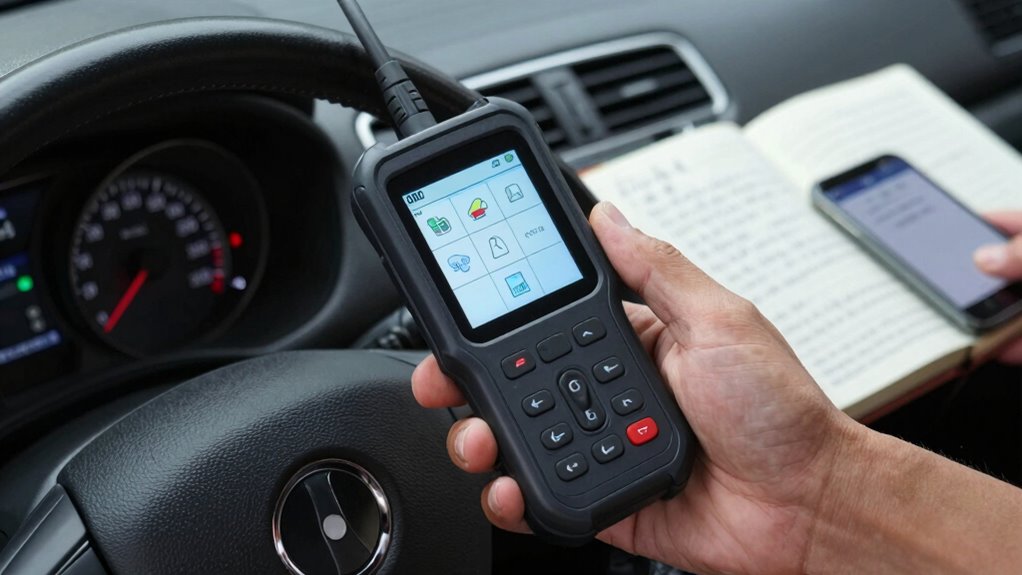
As you explore the world of OBD-II scanners, you’ll find that user feedback plays an essential role in making an informed decision. User reviews can provide valuable insights into the performance and reliability of different models. Many users appreciate scanners that offer clear error codes and easy-to-navigate interfaces. You’ll notice that some brands consistently receive high praise for their accuracy and user-friendly designs, while others may fall short in customer satisfaction. When doing scanner comparisons, look for trends in feedback—features like Bluetooth connectivity or real-time data tracking often stand out. Ultimately, tapping into these user experiences can guide you toward a scanner that meets your needs and expectations.
Compatibility Check: Is Your Vehicle Supported?
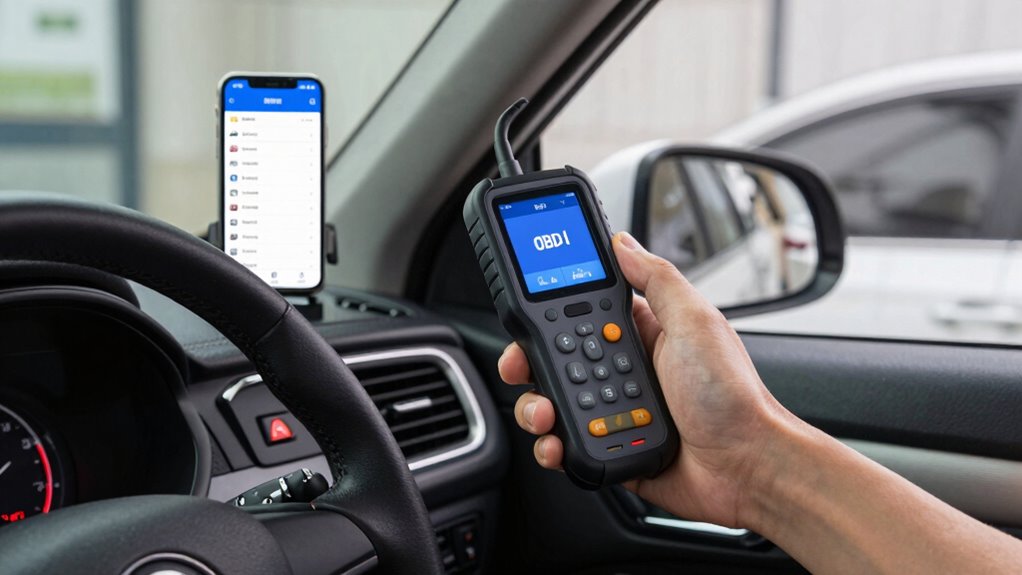
User reviews often highlight the importance of compatibility when choosing an OBD-II scanner. To guarantee your scanner will work seamlessly with your vehicle, consider these key factors:
- Vehicle Age: Check if your vehicle is 1996 or newer, as OBD-II became standard in the U.S. for these models.
- Manufacturer Specifications: Research your vehicle’s specific manufacturer requirements to avoid scanner limitations.
- Supported Protocols: Different engine types and regional differences may affect which protocols your scanner supports.
Comparing Popular OBD-II Scanners: Which One Should You Choose?
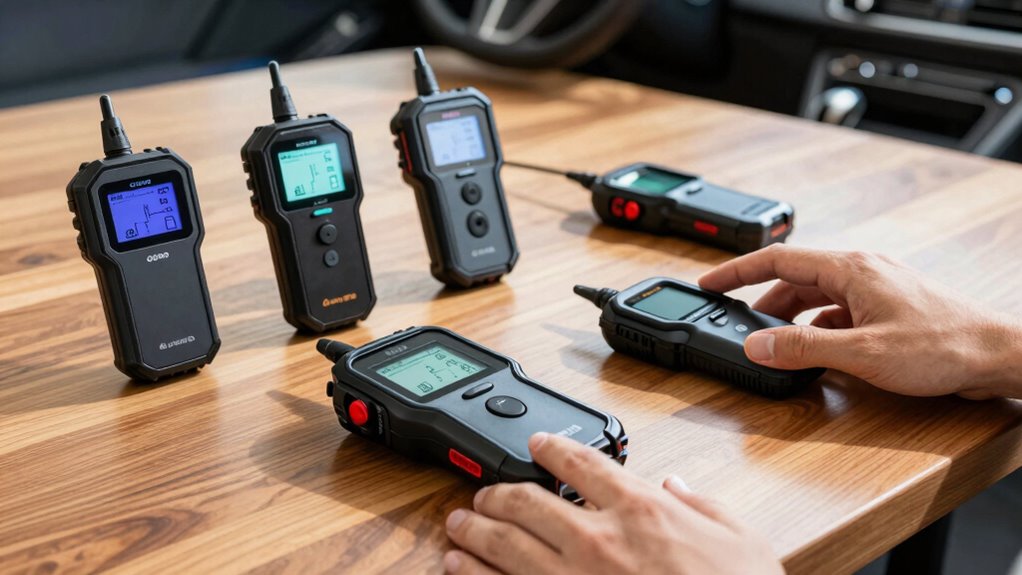
How do you decide which OBD-II scanner is right for you? Start by looking at scanner comparisons and conducting a feature analysis. Different scanners offer varying functionalities, so it’s essential to know what you need. Here’s a quick overview of popular choices:
| Scanner Model | Key Features |
|---|---|
| BlueDriver | Wireless, Advanced diagnostics |
| Autel MaxiCOM | Multi-vehicle support, Live data |
| Launch CRP129E | Affordable, User-friendly interface |
Consider factors like compatibility, ease of use, and the types of features that matter most to you. By weighing these options, you’ll find the scanner that best fits your needs and budget. Don’t rush; the right choice can save you time and money in the long run!
Tips for Using Your OBD-II Scanner Effectively
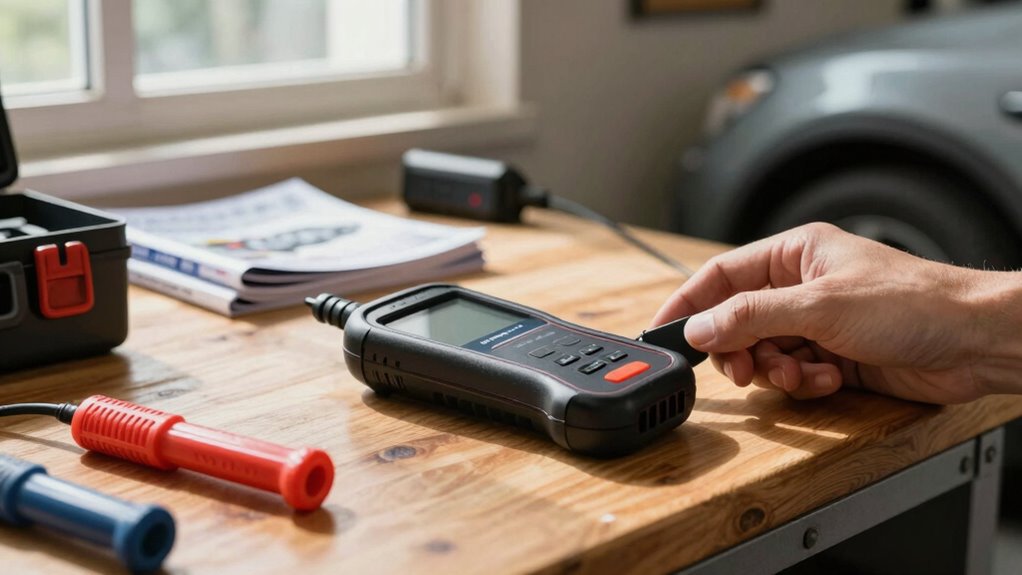
To get the most out of your OBD-II scanner, it’s important to familiarize yourself with its features and functions before diving in. Effective diagnostics rely on your ability to navigate the scanner’s options seamlessly. Here are some tips to enhance your experience:
Familiarize yourself with your OBD-II scanner’s features for seamless navigation and effective diagnostics.
- Regular Scanner Maintenance: Keep your scanner updated and clean to guarantee it functions properly.
- Read the Manual: Don’t skip the user manual; it contains valuable information on specific features and troubleshooting tips.
- Practice Diagnostics: Use the scanner on various vehicles to gain confidence and understand different error codes.
Frequently Asked Questions
Can an OBD-II Scanner Reset My Check Engine Light?
Yes, an OBD-II scanner can reset your check engine light, but not all scanner models support this function. You’ll need to follow specific reset procedures, which vary by vehicle and scanner type. After diagnosing the issue, you can usually clear the codes and turn off the light. Just remember, if the underlying problem persists, the light will likely come back on, so addressing the root cause is essential.
Do I Need Advanced Knowledge to Use an OBD-II Scanner?
You don’t need advanced knowledge to use an OBD-II scanner. Familiarizing yourself with OBD II basics is enough to get started. Most scanners are user-friendly and come with instructions that guide you through the process. You’ll mainly be reading diagnostic trouble codes and understanding what they mean. Scanner functionality allows you to clear codes and check vehicle performance, making it accessible even for beginners. Just plug it in and follow the prompts!
How Often Should I Use My OBD-II Scanner?
Think of your OBD-II scanner as a trusty compass guiding you through the wilderness of vehicle maintenance. You should use it regularly—ideally during every maintenance check and whenever you notice unusual vehicle behavior. By scanning frequently, you catch potential issues early, preventing costly repairs down the road. So, keep that scanner handy and make it part of your routine; it’s your best ally in ensuring your vehicle runs smoothly!
Can I Use an OBD-II Scanner on Multiple Vehicles?
Yes, you can use an OBD-II scanner on multiple vehicles, but you’ll need to verify the scanner’s compatibility with different vehicle types. Most OBD-II scanners work with cars manufactured after 1996, but features may vary. Some scanners support a wide range of models and makes, while others might be limited. Always check the specifications of your scanner to confirm its compatibility before using it on different vehicles.
What if My Scanner Shows a Code I Don’T Understand?
When your scanner shows a code you don’t understand, it can feel like trying to decipher a foreign language. Start by checking the manual or online resources for code interpretation; many common codes have clear explanations. If you still can’t make sense of it, consider joining forums or communities where enthusiasts share their knowledge. Don’t hesitate to consult a professional mechanic if the issue seems complex or concerning.
Conclusion
So, there you have it! Choosing an OBD-II scanner doesn’t have to feel like deciphering ancient hieroglyphics. Whether you go for the sleek Bluetooth model or the trusty standalone, just remember: it’s your vehicle’s personal therapist. With the right scanner, you’ll be diagnosing problems in no time—like a modern-day car whisperer! Now, go forth and engage in a love affair with your car’s codes; just don’t forget to take it out for a spin afterward!