
TL;DR
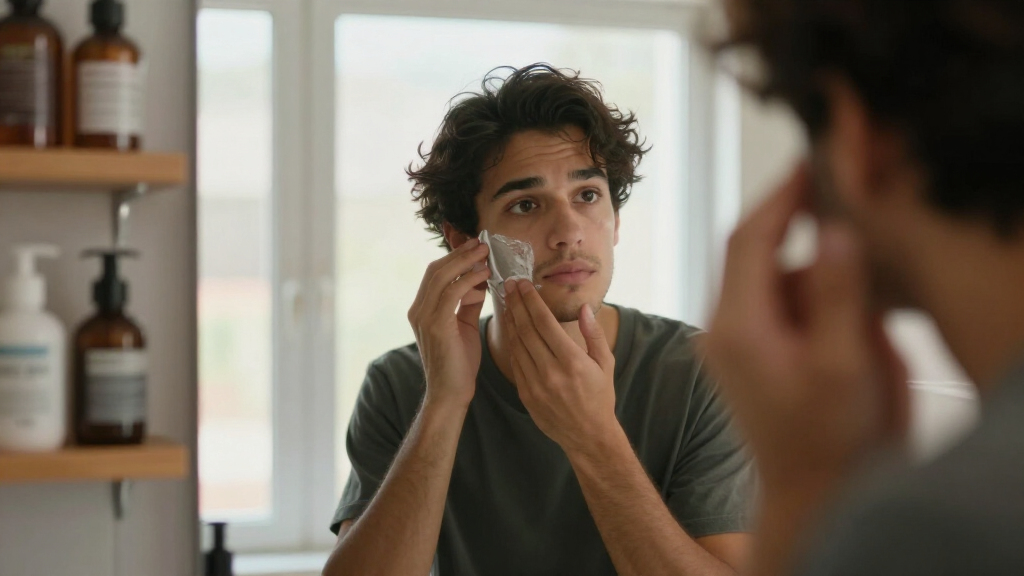
Looksmaxxing, a trend focused on extreme physical self-improvement, is gaining popularity on social media platforms. Experts warn of potential mental health risks, while the movement reflects broader societal pressures for perfection.
Looksmaxxing, a social media-driven obsession with extreme self-improvement aimed at maximizing physical appearance, has gained significant traction among young users. This trend, characterized by detailed routines, surgical procedures, and relentless fitness efforts, is reshaping online communities and raising concerns among mental health experts about its potential psychological impacts.

Get the little things that make your day delivered free with Prime
- Fast, free delivery on millions of items
- Prime Video, Amazon Music and more included
- Member-only deals all year
The rise of looksmaxxing reflects societal pressures to attain an idealized standard of beauty, which can exacerbate mental health issues such as anxiety, depression, and body dysmorphia. It also influences social dynamics, potentially fostering a culture where appearance is prioritized over other qualities. Understanding this trend is crucial as it highlights the need for awareness about the psychological risks associated with extreme self-improvement efforts and the importance of promoting healthier body image standards.
Products Worth Considering

Philips Hue Bridge Pro Starter Kit with 4 A19 E26 Color Smart Bulbs

Samsung 65-Inch M70H Series 4K Mini LED Smart TV (2026)

Bose Lifestyle Ultra Speaker
As an affiliate, we earn on qualifying purchases.
Over the past decade, social media platforms have amplified the visibility of beauty and fitness culture, making self-improvement accessible and highly visible. The term ‘looksmaxxing’ originated in online communities focused on self-enhancement, especially among young men seeking to improve their attractiveness. The trend has evolved from simple fitness routines to include surgical procedures, hormone treatments, and detailed skincare regimens. Experts note that the COVID-19 pandemic accelerated this movement, as more people spent time online and became more conscious of their appearance. Despite the positive stories of transformation, mental health professionals have raised concerns about the obsessive nature of the trend and its potential to foster unrealistic standards.
“The obsession with extreme self-improvement can lead to a cycle of dissatisfaction and anxiety, especially when individuals compare themselves to heavily curated images online.”
— Dr. Lisa Monroe, psychologist specializing in body image
Unclear Long-Term Psychological Effects of Looksmaxxing
While experts warn about potential mental health risks, there is limited long-term data on the psychological effects of sustained looksmaxxing practices. It remains unclear how many individuals develop serious body image disorders or if certain demographics are more vulnerable. Further research is needed to understand the full impact of this trend over time.
Monitoring Trends and Promoting Mental Health Resources
As looksmaxxing continues to grow, mental health professionals and social media platforms are calling for increased awareness and resources. Future developments may include more research into its psychological impacts and the development of guidelines to promote healthier self-image practices. Social media companies are also under pressure to regulate content that promotes extreme measures, aiming to balance community engagement with user well-being.
Key Questions
What exactly is looksmaxxing?
Looksmaxxing is a trend focused on maximizing physical appearance through routines, treatments, and surgeries shared mainly on social media.
Are there risks associated with extreme self-improvement?
Yes, mental health experts warn that obsessive pursuit of perfection can lead to anxiety, depression, and body dysmorphia, especially if it becomes compulsive.
Why has looksmaxxing become so popular now?
Social media platforms have amplified beauty standards and success stories, making self-improvement highly visible and accessible, especially during the pandemic.
Is looksmaxxing only for men?
While initially associated with male communities, the trend has expanded to include women and non-binary individuals, reflecting broader societal beauty pressures.
What can be done to address potential mental health issues?
Increasing awareness, promoting healthy body image messages, and providing access to mental health resources are key steps to mitigate risks.
Source: rss