Proper torque specs protect you by ensuring your vehicle’s safety components are tightened just right. This prevents wheels from wobbling or detaching, which could cause accidents. It also avoids damaging parts from over-tightening or allowing too much movement from under-tightening. Correct torque helps your vehicle stay reliable, reduces costly repairs, and keeps you safe on the road. Keep in mind, understanding torque specifics is key to keeping everything in check—continue to discover more about how it all works.

Get the little things that make your day delivered free with Prime
- Fast, free delivery on millions of items
- Prime Video, Amazon Music and more included
- Member-only deals all year
Key Takeaways
- Preventing wheel detachment or wobbling during driving for enhanced safety.
- Avoiding damage to vehicle components caused by over-tightening or under-tightening.
- Reducing the risk of accidents due to loose or improperly secured wheels.
- Extending the lifespan of vehicle parts by maintaining proper torque levels.
- Minimizing costly repairs and component failures linked to incorrect tightening.
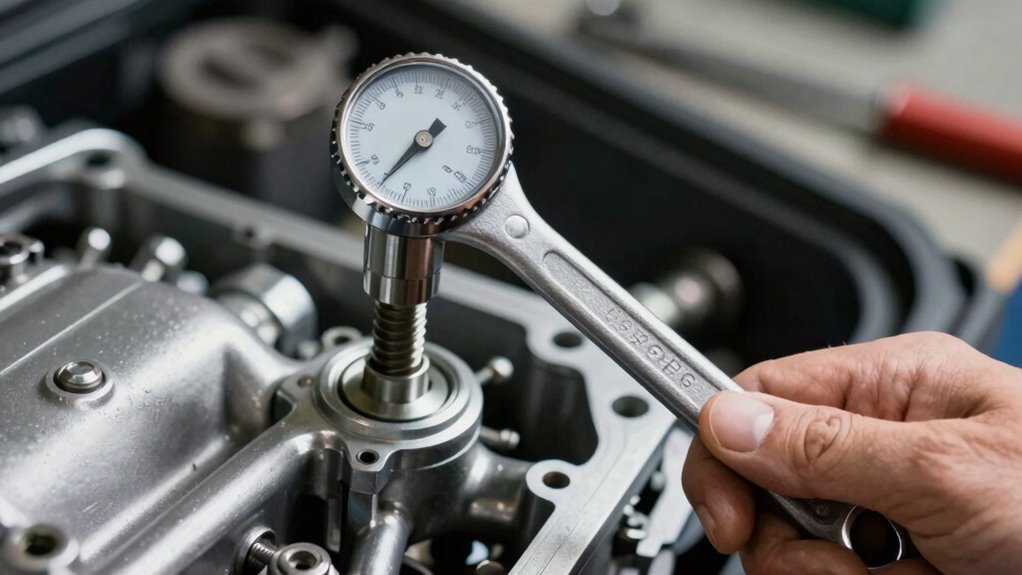
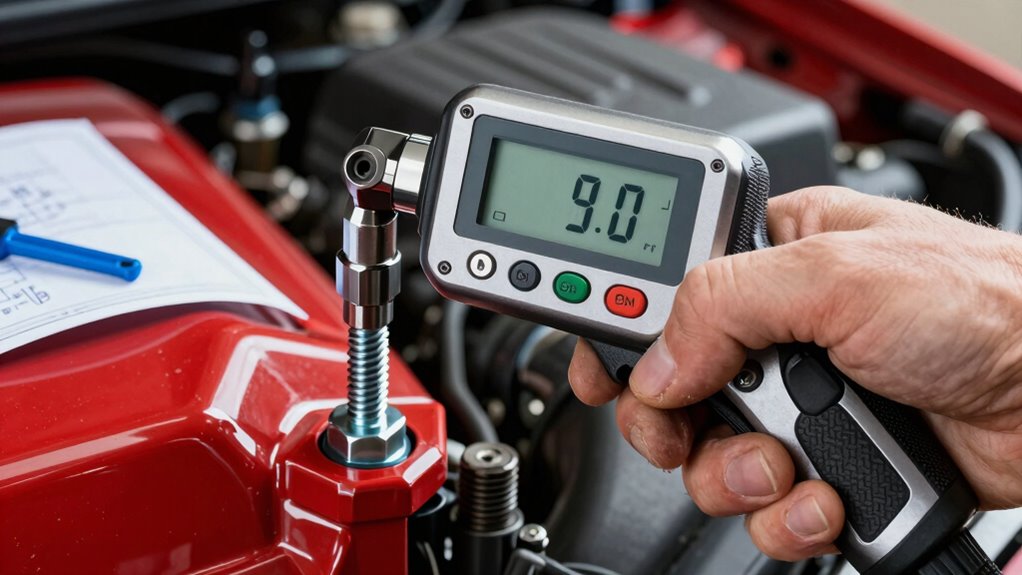
Have you ever wondered why following the correct torque specifications is so essential? When you tighten bolts and nuts to the right torque, you’re doing more than just securing parts; you’re protecting yourself and your vehicle from potential problems down the road. Proper torque ensures components like your wheel alignment stay intact, which is fundamental for safe handling and tire longevity. If bolts are too loose, your wheels can wobble or even detach while driving, risking accidents or damage to your suspension. Conversely, over-tightening can warp parts or damage threads, leading to costly repairs and safety issues. Additionally, using the correct torque helps prevent damage caused by over-tightening, which can strip threads or crack parts, and stops under-tightening from allowing excessive movement. Proper torque application also helps ensure that critical vehicle safety components are functioning correctly, further safeguarding you during your drives. It prolongs the lifespan of your vehicle’s components and maintains optimal performance, like stable wheel alignment and reliable brake function, which contribute directly to your safety and peace of mind. Regularly verifying torque values is a key part of preventive maintenance, and understanding the importance of torque specifications can help you better protect your vehicle. Using a torque wrench ensures precise tightening and reduces the risk of mistakes during assembly or repairs. Ensuring your maintenance routines include checking torque specifications can help prevent unnecessary wear and tear on parts. Ultimately, these specifications act as a safeguard—a simple but essential step that shields you from accidents, costly repairs, and premature component failure. Following the right torque standards isn’t just about maintenance; it’s about protecting yourself every time you hit the road.
click torque wrench for automotive wheel lug nuts
As an affiliate, we earn on qualifying purchases.
As an affiliate, we earn on qualifying purchases.
Frequently Asked Questions
Can Over-Tightening Damage Vehicle Components?
Over-tightening can definitely damage vehicle components, compromising their integrity. Torque safety relies on precise measurements, so you should follow manufacturer specs carefully. When you over-tighten, you risk stripping threads, warping parts, or breaking fasteners, which can lead to costly repairs. Rely on mechanic precision to guarantee everything is tightened correctly, preventing damage and ensuring your vehicle’s safety and performance are maintained.
How Do Torque Specs Vary Between Different Vehicle Models?
Torque specs vary between different vehicle models because of vehicle compatibility and manufacturer specifications. You need to follow each vehicle’s specific torque settings to guarantee proper tightening without risking damage or safety issues. Always consult the owner’s manual or manufacturer guidelines for exact torque values tailored to your vehicle. Using the correct specs helps protect components, maintains performance, and ensures safety, so never guess or assume different models share the same torque requirements.
What Tools Are Best for Achieving Accurate Torque?
You need precision to keep everything safe, so the best tools are calibration tools and torque wrenches. These tools guarantee you hit the exact torque specs, preventing damage or failure. A high-quality torque wrench, properly calibrated, gives you confidence in your work. Skimping on tools risks under-tightening or over-tightening, which could lead to costly repairs or unsafe conditions. Trust the right tools—accuracy saves you time, money, and peace of mind.
Do Torque Specs Change With Bolt Material or Size?
Torque specs can change based on bolt material or size because different materials like steel or aluminum have varying strength and corrosion resistance, affecting how much torque they need. You should consider bolt corrosion, which weakens the bolt and might require adjusted torque. Always guarantee your torque calibration is accurate so you don’t over-tighten or under-tighten, which can compromise safety and performance.
How Often Should Torque Be Rechecked After Installation?
You should recheck torque after installation according to manufacturer guidelines, especially if the component experiences vibration or temperature changes. Typically, torque calibration is crucial to maintain proper tension, so re-tighten bolts if needed. Refer to the manufacturer recommendations for your specific parts, as some may require periodic re-torquing to guarantee safety and peak performance. Regular checks help prevent loosening and potential failure over time.
digital torque wrench for car repairs
As an affiliate, we earn on qualifying purchases.
As an affiliate, we earn on qualifying purchases.
Conclusion
Knowing the right torque specs protects you from damage, failure, and safety risks. It keeps your equipment secure, prevents costly repairs, and guarantees your safety. By following the proper torque, you avoid over-tightening, under-tightening, and unnecessary wear. In the end, understanding torque specs safeguards your project, preserves your tools, and promotes confidence. Protect yourself by respecting the specs, respecting the process, and respecting the outcome—because the right torque makes all the difference.
lug nut torque specification chart for cars
As an affiliate, we earn on qualifying purchases.
As an affiliate, we earn on qualifying purchases.
torque wrench socket set for automotive lug nuts
As an affiliate, we earn on qualifying purchases.
As an affiliate, we earn on qualifying purchases.
NFL season / tailgating Picks
team gear
As an affiliate, we earn on qualifying purchases.