
OBD2 codes are your car’s way of communicating issues directly to you. Each code starts with a letter and indicates a specific problem, like a misfire or catalytic converter issue. By using an OBD2 scanner, you can quickly identify these codes and understand their meanings. Regular scans not only catch problems early but also save you money on repairs. Discover more insights that can empower you to take charge of your vehicle’s health and maintenance.

Get the little things that make your day delivered free with Prime
- Fast, free delivery on millions of items
- Prime Video, Amazon Music and more included
- Member-only deals all year
Key Takeaways
- OBD2 codes are standardized codes that communicate vehicle issues to diagnostic tools, often starting with a letter indicating the system type.
- Common codes include P0420 (catalytic converter efficiency) and P0300 (random misfire), which help identify specific engine problems.
- Regular OBD2 scans can detect problems early, preventing minor issues from escalating into costly repairs.
- Understanding the structure of codes aids in effective troubleshooting and informed repair decisions.
- Maintaining the OBD2 system ensures accurate diagnostics and enhances overall vehicle performance and longevity.
As an affiliate, we earn on qualifying purchases.
What to Do When the Check Engine Light Comes On?
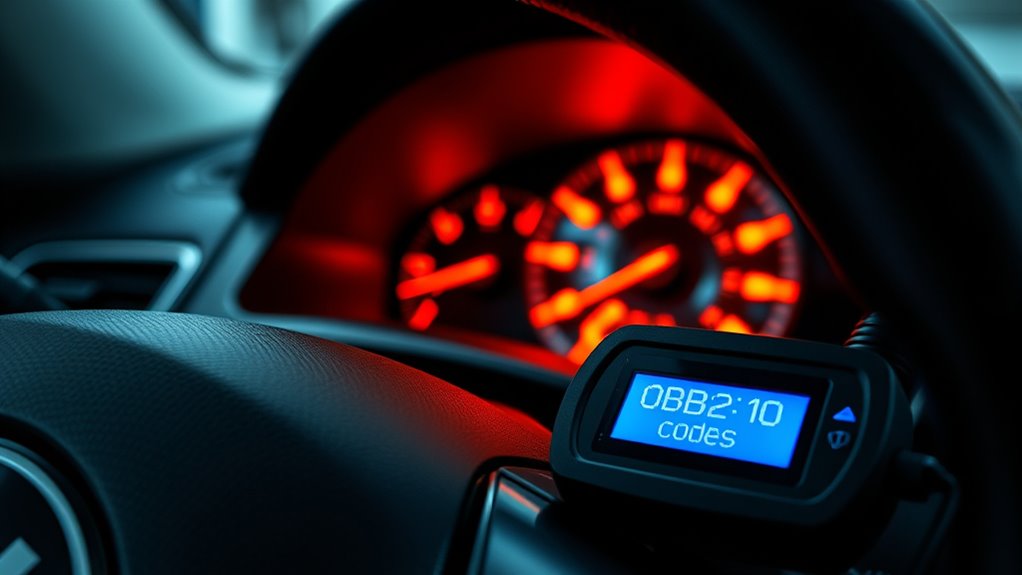
What should you do when the check engine light pops on? First, don’t panic! It’s a common issue that signals something needs attention. Start with basic light troubleshooting; check if your gas cap is loose or missing. A simple fix can save you a trip to the mechanic. If that’s not the case, pay attention to any unusual sounds or smells. Then, consider getting a diagnostic scan tool to read the trouble codes, which can reveal the underlying problem. If you’re unsure or uncomfortable, it’s best to schedule a visit to a professional mechanic who can provide a thorough inspection. Ignoring the check engine light can lead to more severe issues, so tackle it promptly!
As an affiliate, we earn on qualifying purchases.
What Are OBD2 Codes and How Do They Work?
OBD2 codes are essential for understanding your vehicle’s health and performance. These codes follow a specific format, making it easier for you to diagnose issues when they arise. By grasping the basics of these codes and the diagnostic process, you can tackle problems more effectively.
OBD2 Code Basics
Understanding OBD2 codes is essential for any car owner looking to maintain their vehicle’s health. These codes serve as a universal language between your car’s onboard computer and diagnostic tools. There are different OBD2 scanner types, each with unique diagnostic tool features that help you identify issues quickly.
| OBD2 Scanner Type | Key Features |
|---|---|
| Handheld Scanner | Portable & user-friendly |
| Bluetooth Scanner | Wireless connectivity |
| Professional Scanner | Advanced diagnostics |
Code Format Explained
While car diagnostics might seem complex, OBD2 codes provide a clear and structured way to identify vehicle issues. Each code follows a specific code structure, starting with a letter that indicates the error category. The first character designates whether the issue is related to the powertrain (P), body (B), chassis (C), or network (U). The next digit represents the manufacturer-specific or generic nature of the code. Following that, two numbers specify the exact problem. For instance, a code like P0420 points to a catalytic converter efficiency issue. By understanding this code structure and the associated error categories, you can quickly pinpoint where the problem lies and take the necessary steps toward resolution.
Diagnostic Process Overview
When your vehicle’s check engine light comes on, it often points to an issue that OBD2 codes can help you diagnose. Understanding how these codes work is essential for effective troubleshooting. Here’s a quick overview of the diagnostic process:
- Use Diagnostic Tools: Plug in an OBD2 scanner to retrieve codes that pinpoint issues.
- Interpret the Codes: Each code corresponds to a specific problem, guiding you on what to check.
- Apply Troubleshooting Techniques: Use the information from the codes to perform tests and repairs on your vehicle.
As an affiliate, we earn on qualifying purchases.
Types of OBD2 Codes and Their Meanings
OBD2 codes are essential for diagnosing vehicle issues, as they provide specific information about malfunctions in your car’s systems. These codes fall into different OBD2 code categories, including P (powertrain), B (body), C (chassis), and U (network). For instance, a P0420 code indicates a catalytic converter efficiency issue, while a B0010 code could signal a problem with the airbag system. Understanding these categories helps you identify where the issue lies, making troubleshooting easier. Additionally, you might encounter manufacturer-specific codes, such as a Ford-specific code that points to a sensor malfunction. Knowing the types of codes and their meanings empowers you to address car problems more effectively and make informed decisions about repairs.
As an affiliate, we earn on qualifying purchases.
Common OBD2 Codes to Know
Understanding common OBD2 codes can greatly simplify the troubleshooting process for your vehicle. Familiarizing yourself with these codes helps you identify issues before they escalate. Here are three common OBD2 codes you should know:
- P0420 – Catalytic Converter Efficiency Below Threshold: Typical symptoms include a check engine light and poor fuel economy.
- P0300 – Random/Multiple Cylinder Misfire Detected: You might experience rough idling, decreased power, or stalling.
- P0171 – System Too Lean (Bank 1): Common malfunctions include a check engine light and engine hesitation.
How to Diagnose Common OBD2 Codes With Your Scanner
When you encounter an OBD2 code, understanding its structure is key to diagnosing the issue. You’ll want to familiarize yourself with common code definitions and follow a step-by-step diagnostic process to pinpoint the problem accurately. With your scanner in hand, you’re well on your way to getting your vehicle back in top shape.
Understanding OBD2 Code Structure
Decoding the structure of OBD2 codes can feel like cracking a secret code, but it’s essential for diagnosing vehicle issues accurately. Understanding the code hierarchy helps you pinpoint problems effectively. Here’s a quick breakdown:
- Letter: The first character indicates the system type (P for powertrain, B for body, C for chassis, and U for network).
- Digit: The second character shows the fault’s specificity—0 means it’s generic, while 1 indicates a manufacturer-specific issue.
- Two Digits: The last two digits identify the specific error within that category.
Common Code Definitions
Now that you have a grasp on OBD2 code structure, it’s time to explore some common code definitions and how to diagnose them using your scanner. Start by checking the code severity levels; they’ll give you an idea of how urgent the issue is. For instance, a P0300 code indicates a random misfire, which can lead to performance problems but isn’t usually immediately critical. Be aware of common misinterpretations—many assume all codes are severe without considering context. Always review the vehicle’s symptoms alongside the code. Use your scanner to clear the codes after repairs and see if they return. This helps confirm whether you’ve resolved the issue or if further diagnosis is needed.
Step-by-Step Diagnostic Process
To effectively diagnose common OBD2 codes with your scanner, start by connecting the scanner to your vehicle’s OBD2 port, typically found under the dashboard near the steering column. Once connected, follow these troubleshooting methods to pinpoint issues:
- Read Codes: Use your diagnostic tools to retrieve any stored codes, noting their meanings.
- Research: Look up the codes online or in your vehicle’s manual for specifics and potential fixes.
- Clear Codes: After addressing the issues, clear the codes and take your vehicle for a test drive to verify the problem is resolved.
How to Read OBD2 Codes Like a Pro
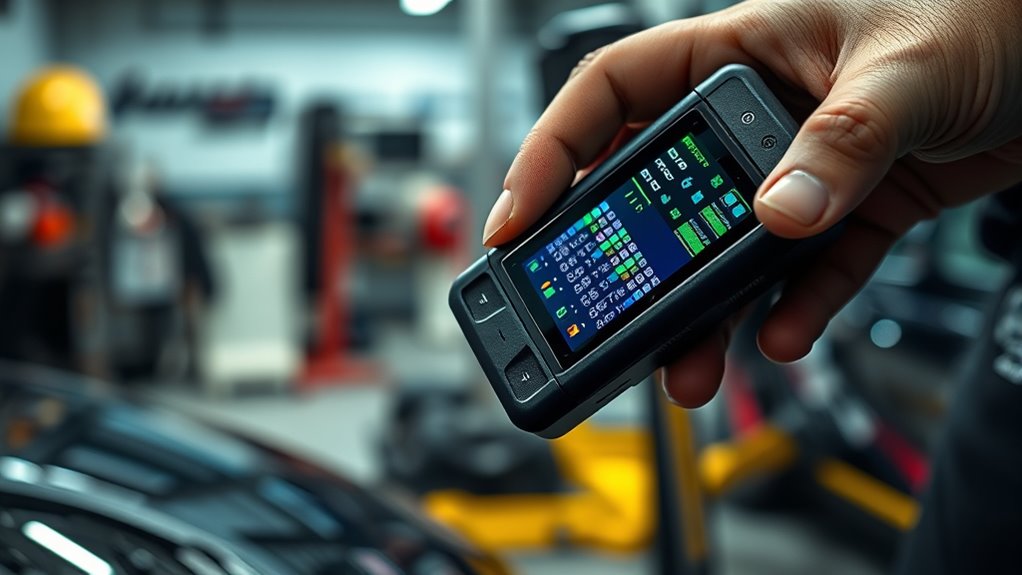
Reading OBD2 codes like a pro can save you time and money on vehicle repairs. To get started, invest in a reliable OBD2 scanner; it’s your primary tool for code troubleshooting. Once you connect the scanner to your vehicle’s OBD2 port, follow the prompts to read the stored codes. Make sure to note both the trouble codes and any freeze frame data, as this gives you context for the issue. Research the codes using online databases or the scanner’s manual to understand what they mean. Finally, take a systematic approach to troubleshoot the issues by checking related components and systems. With practice, you’ll quickly become adept at diagnosing problems and making informed decisions about repairs.
How Regular OBD2 Scans Save You Money

Performing regular OBD2 scans can greatly cut down your vehicle maintenance costs. By catching problems early, you can implement preventive maintenance that avoids costly repairs later. Here’s how regular scans save you money:
- Identify Issues Early: Scanning your vehicle helps detect issues before they escalate, allowing for timely intervention.
- Cost Effective Repairs: Addressing minor problems now prevents them from evolving into major repairs that drain your wallet.
- Maintain Vehicle Value: Keeping your vehicle in top shape through regular checks enhances its resale value.
- Understand Your Vehicle’s Diagnostic Data: Learning how to interpret scan results can help you troubleshoot minor issues yourself, further saving costs.
Incorporating OBD2 scans into your routine not only saves you money but also guarantees your vehicle runs smoothly, enhancing your overall driving experience. Don’t wait for trouble—scan regularly!
Tips for Maintaining Your OBD2 System
While you might not think about your OBD2 system often, regular maintenance can keep it functioning at peak performance. Start by checking your system’s connections and wiring regularly to prevent issues. Clean any dirt or debris from your OBD2 port to guarantee reliable communication. Consider investing in OBD2 system upgrades, like a higher quality scanner or software updates, to enhance diagnostic capabilities. Additionally, keep an eye on your vehicle’s warning lights; they’re your first indicators of problems. Finally, don’t forget to reset your OBD2 system after repairs and maintenance to keep everything synced. These OBD2 maintenance tips will help you avoid costly repairs and guarantee your vehicle runs smoothly for years to come.
Frequently Asked Questions
Can OBD2 Codes Indicate Issues Beyond the Engine?
Yes, OBD2 codes can indicate issues beyond just the engine. They often reveal transmission problems, showing you when your vehicle’s shifting isn’t functioning properly. Additionally, if your car’s electrical system has issues, like faulty sensors or wiring, OBD2 codes will flag them too. By checking these codes, you can gain insights into various systems, helping you address potential problems before they escalate into more significant repairs.
How Often Should I Perform OBD2 Scans?
You should perform OBD2 scans every few months or whenever you notice a change in your vehicle’s performance. Regular scans help catch potential issues early, which can save you money on repairs. Frequency recommendations often suggest checking before long trips or after major repairs. By staying proactive, you’ll enjoy the benefits of improved vehicle reliability and longevity, ensuring your ride stays safe and efficient on the road.
Do All Vehicles Have OBD2 Ports?
Not all vehicles have OBD2 ports. OBD2 standards became mandatory for cars sold in the U.S. after 1996, so if your vehicle’s from that year or later, it should have an OBD2 port. However, older models or certain vehicles, like motorcycles and heavy-duty trucks, may not comply with these standards, affecting their vehicle compatibility. Always check your vehicle’s specifications to confirm if it’s equipped with an OBD2 port.
Can I Use an OBD2 Scanner on Hybrid Vehicles?
Yes, you can use an OBD2 scanner on hybrid vehicles. As the saying goes, “a stitch in time saves nine.” Using an OBD2 scanner can save you from bigger issues by providing essential hybrid vehicle diagnostics. Most hybrid models are compatible with standard OBD2 scanners, allowing you to quickly access trouble codes and monitor system performance. Just make sure your scanner supports the specific protocols used by your hybrid for accurate readings.
What Is the Difference Between OBD1 and OBD2?
The main difference between OBD1 and OBD2 lies in their features and advancements. OBD1 offers basic diagnostic capabilities and limited data access, mainly for older vehicles. In contrast, OBD2 provides enhanced diagnostics, standardized connectors, and real-time data monitoring, making it easier for you to troubleshoot issues. You’ll find that OBD2 systems are more thorough, offering better emissions control and broader compatibility across different vehicle makes and models.
Conclusion
In the world of vehicles, OBD2 codes are your trusty compass, guiding you through the fog of engine troubles. By understanding these codes, you’re not just fixing problems; you’re becoming the captain of your own ship, steering clear of costly repairs. Regular scans are like a lighthouse, illuminating your path to savings and reliability. So, embrace this knowledge, and watch your car transform from a riddle into a well-tuned melody, harmonizing with the road beneath you.
NFL season / tailgating Picks
team gear
As an affiliate, we earn on qualifying purchases.