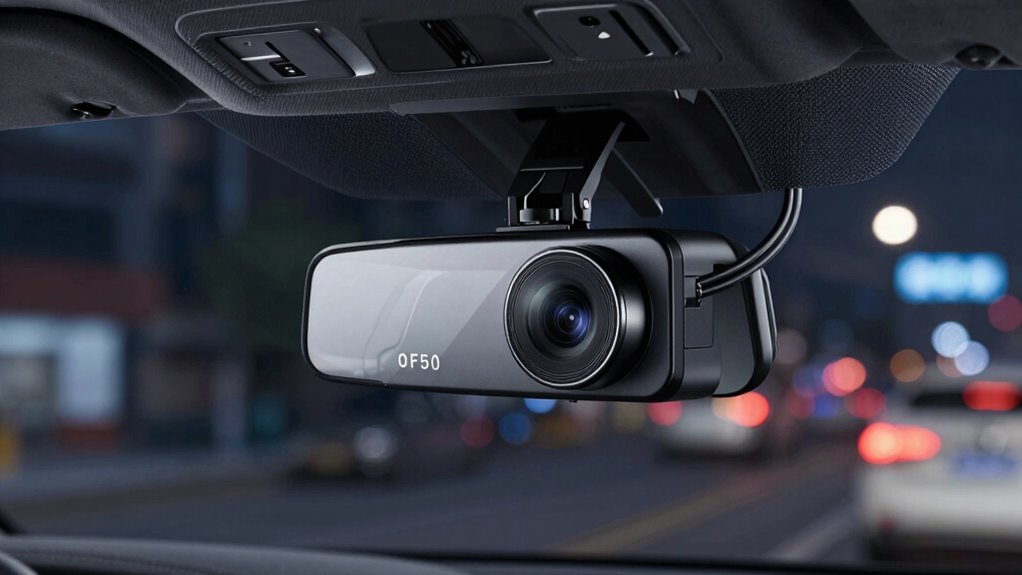

Hardwiring your parking mode dash cam provides continuous power for reliable surveillance without dangling cords or external batteries. You’ll need to connect it directly to your vehicle’s fuse box using a fuse tap or add-a-circuit adapter, ensuring it operates seamlessly when parked. Be sure to choose the right power source, route wires cleanly, and test the system before leaving your vehicle. To learn more tips on proper wiring and setup, keep exploring this essential guide.

Get the little things that make your day delivered free with Prime
- Fast, free delivery on millions of items
- Prime Video, Amazon Music and more included
- Member-only deals all year
Key Takeaways
- Hardwiring provides continuous power to the dash cam, ensuring reliable parking mode operation without external batteries.
- Connect directly to the vehicle’s fuse box using a fuse tap or add-a-circuit adapter for seamless power supply.
- Choose suitable wiring routes that are hidden and protected from damage for a clean, safe installation.
- Incorporate voltage cutoff features to prevent excessive drain on the vehicle’s battery during parking mode.
- Consult vehicle-specific wiring diagrams and follow proper wiring techniques for safe, effective hardwired setup.
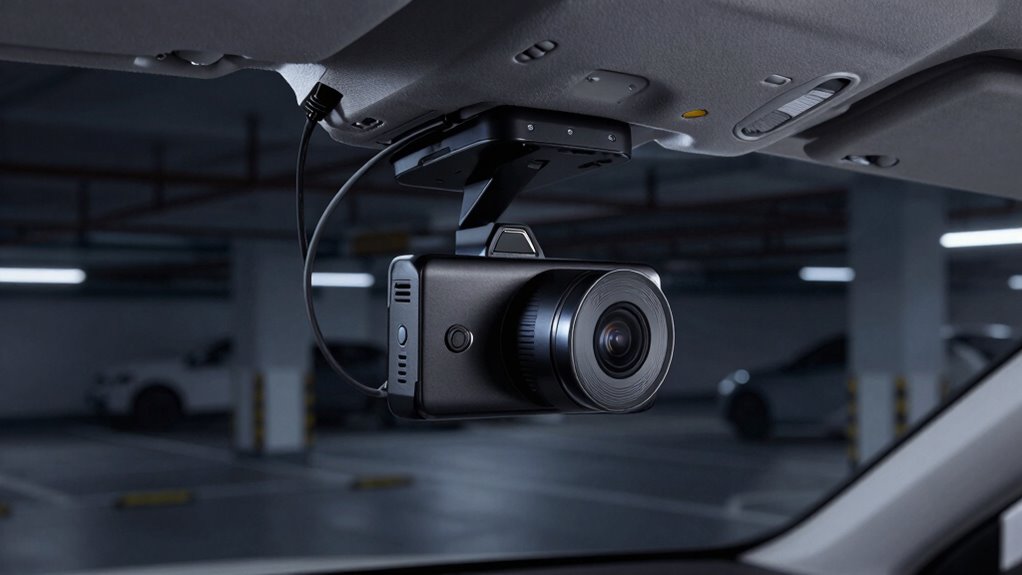
Parking mode dash cams are essential tools for protecting your vehicle when you’re not around. They keep watch even when your car is parked, providing valuable evidence in case of theft, vandalism, or minor accidents. To get the most out of your dash cam, understanding how to set it up in parking mode is vital. Hardwiring your dash cam to your vehicle’s electrical system is one of the most reliable ways to guarantee continuous power, and it allows your camera to operate seamlessly without relying on external batteries or cigarette lighter adapters. This method also helps keep your vehicle tidy, eliminating dangling cords that can be distracting or unsightly.
When it comes to security features, a hardwired parking mode setup offers several advantages. It allows your dash cam to detect motion or impacts while your vehicle is parked, automatically activating recording in response to suspicious activity. This proactive approach enhances your vehicle’s security by capturing footage of any potential threats. To maximize these security features, you’ll want to carefully follow installation tips that confirm your dash cam is wired properly and functions reliably. First, make sure your vehicle’s fuse box is accessible and identify a fused power source that supplies power even when the ignition is off. Many vehicles have dedicated parking fuse slots, but if not, you can tap into a constant power source using a fuse tap or add-a-circuit adapter.
Proper installation tips also include choosing a suitable wiring route that keeps cables hidden and protected from damage. Use the appropriate tools to strip wires cleanly and connect them securely to avoid loose connections that could cause malfunction. Many dash cams come with detailed wiring diagrams or mounting kits designed for specific vehicle models, so consulting these resources can streamline the process. Additionally, consider installing a voltage cutoff feature to protect your vehicle’s battery from draining excessively, which can happen if your dash cam draws power continuously over long periods. Understanding the importance of proper wiring techniques can help ensure your setup functions reliably and safely. Being aware of vehicle electrical systems ensures you select the right power sources and avoid potential electrical issues.
To further enhance your setup, researching power management strategies can help you optimize the balance between security and battery preservation. Once installed, test your setup thoroughly before leaving your vehicle unattended. Check that the dash cam powers on in parking mode, responds to impact or motion detection, and shuts off when you start the engine. Regularly inspecting your wiring connections and updating your dash cam’s firmware can also help maintain peak performance. By taking the time to understand security features and following proper installation tips, you’ll guarantee your parking mode dash cam provides reliable surveillance and peace of mind whenever you leave your vehicle unattended.
As an affiliate, we earn on qualifying purchases.
Frequently Asked Questions
How Long Can Parking Mode Dash Cams Record Continuously?
You can typically record in parking mode for several hours, but it depends on your dash cam’s battery preservation and power management features. Some models are designed to switch to low power when parked, extending recording time, while others rely on hardwiring to a constant power source. To maximize recording duration, guarantee your dash cam has efficient power management settings and consider a hardwire kit that supports extended parking mode operation.
Do Hardwired Dash Cams Drain My Car Battery?
They say “look before you leap,” and that’s wise when considering hardwired dash cams. Yes, they can drain your car battery if not properly managed. However, good power management can minimize battery drain, ensuring your dash cam works without risking your vehicle’s electrical system. Installing a voltage cutoff switch or using low power consumption settings helps protect your battery, so you can record safely without worry.
Can Parking Mode Be Disabled When Not Needed?
Yes, you can disable parking mode when not needed. Many hardwired dash cams offer remote monitoring and power management features, allowing you to turn parking mode on or off via a mobile app or vehicle settings. This flexibility helps conserve your car battery and prevents unnecessary power drain. By managing power effectively, you guarantee your dash cam functions only when required, providing peace of mind without risking battery life.
What Safety Precautions Should I Take During Installation?
You must take installation safety seriously—think of wiring precautions as your vehicle’s life-saving armor. Before you start, disconnect the battery to avoid shocking yourself or causing a spark that could ignite disaster. Wear insulated gloves and use proper tools to prevent accidental short circuits. Double-check all wiring connections, ensuring they’re secure and insulated. These precautions protect you from electrical mishaps and keep your installation safe, smooth, and worry-free.
Are There Legal Restrictions for Parking Mode Recordings?
Yes, there are legal restrictions regarding parking mode recordings. You need to be aware of recording privacy laws in your area, as some regions limit audio or video recording without consent. Always check local regulations before installing your dash cam in parking mode. You’re responsible for ensuring your recordings comply with privacy rights, and avoiding intrusive or illegal surveillance helps prevent potential legal issues.
As an affiliate, we earn on qualifying purchases.
Conclusion
Parking mode dash cams are a smart investment for your vehicle’s security, especially when hardwired properly. With over 60% of car thefts occurring while the vehicle is parked, having reliable footage can be a game-changer. Hardwiring guarantees continuous power, so your dash cam is always prepared to capture any suspicious activity. By understanding the basics, you’re better equipped to protect your vehicle and peace of mind. Stay vigilant and secure with the right setup!
As an affiliate, we earn on qualifying purchases.
As an affiliate, we earn on qualifying purchases.
NFL season / tailgating Picks
team gear
As an affiliate, we earn on qualifying purchases.