TL;DR

Get the little things that make your day delivered free — and shop member deals
- Fast, free delivery on millions of items
- Access to Prime Big Deal Days deals on October 6–7
- Prime Video, Amazon Music and more included
Interest in new Gen Z dating trends such as pheromone-maxxing, aura-maxxing, and solomaxxing is rapidly increasing. Experts suggest social media and pop culture influence this surge, but the origins and effectiveness of these practices are still unconfirmed.
Search interest in Gen Z dating trends such as pheromone-maxxing, aura-maxxing, and solomaxxing has surged significantly over recent weeks, according to online search data and social media chatter. While the origins of these practices are unconfirmed, their popularity among younger audiences is notable, reflecting a shift toward personalized approaches to dating and self-presentation. Experts say this trend underscores evolving attitudes toward attraction and self-improvement within Generation Z, though the actual effectiveness and scientific basis of these methods remain unverified.
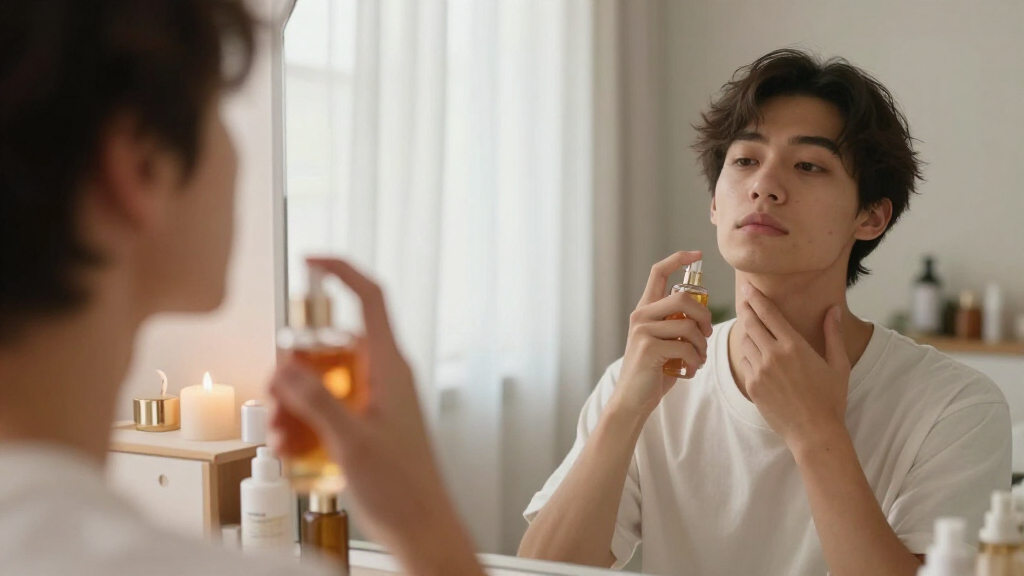
Recent data from search engines and social media platforms indicate a sharp increase in interest around several new dating trends popular among Generation Z. These include pheromone-maxxing, which involves using products or techniques believed to enhance natural scent and attractiveness; aura-maxxing, a practice focused on cultivating a positive energy or personal vibe to attract others; and solomaxxing, which centers on self-sufficiency and confidence as tools for romantic success. The rise in these practices appears linked to broader cultural shifts emphasizing individual authenticity and self-expression, amplified by influencers and online communities.
Sources suggest that many young people see these trends as ways to gain a competitive edge in dating, especially in environments dominated by social media where image and energy are highly curated. However, experts caution that there is no scientific consensus supporting the efficacy of these methods, and some health professionals warn against unverified products or routines. Despite this, the trends continue to grow in popularity, fueled by TikTok videos, Reddit threads, and online forums dedicated to self-improvement and dating advice.
Impact of New Dating Trends on Generation Z
This surge in interest highlights how Generation Z is reshaping dating culture through personalized, self-directed approaches. The emphasis on self-enhancement practices like pheromone-maxxing and aura-maxxing reflects a broader trend toward individual agency and confidence-building in romantic pursuits. While the scientific validity of these methods is unconfirmed, their popularity could influence future social norms and expectations around attraction and self-presentation. Additionally, the trends reveal how social media accelerates the dissemination and normalization of new behaviors among young people, potentially shaping their attitudes toward relationships for years to come.
As an affiliate, we earn on qualifying purchases.
Evolution of Dating Practices in the Digital Age
The emergence of these trends must be viewed within the context of rapid digital transformation affecting young people’s social lives. Over the past decade, online platforms like TikTok, Reddit, and Instagram have become primary sources of dating advice and self-expression for Generation Z. Previous trends such as ‘pick-up artistry’ and ‘self-love’ have evolved into more personalized, niche practices like pheromone-maxxing and aura-maxxing. Experts note that these practices often gain traction through influencer promotion and peer sharing, creating a feedback loop that amplifies their popularity. Historically, dating practices have shifted with cultural and technological changes, and these new trends are the latest manifestation of that ongoing evolution.
While some of these practices are rooted in traditional concepts—like confidence and energy—their modern, self-directed framing makes them particularly appealing to a generation that values authenticity and individuality. As interest continues to grow, it remains to be seen whether these trends will have lasting effects or fade as new ones emerge.
As an affiliate, we earn on qualifying purchases.
Unconfirmed Origins and Effectiveness of Trends
It is not yet clear where these trends originated or how widespread their adoption truly is beyond online communities. The effectiveness of pheromone-maxxing, aura-maxxing, and solomaxxing remains unverified by scientific research, and many claims are anecdotal or driven by social media hype. Experts warn that some products or routines associated with these practices could be ineffective or potentially harmful. The true impact on dating success is still unknown, and further investigation is needed to determine whether these trends are superficial or genuinely influential.
self-confidence boosting supplements
As an affiliate, we earn on qualifying purchases.
As an affiliate, we earn on qualifying purchases.
Monitoring Trend Adoption and Scientific Validation
Researchers and health professionals are expected to monitor the growth of these practices and assess their psychological and physical effects. As social media continues to serve as a catalyst, trend analysis and scientific studies may emerge to evaluate claims. Additionally, dating platforms and influencers may further popularize or debunk these trends, shaping future attitudes toward self-presentation and attraction among Generation Z. Meanwhile, young people are likely to continue experimenting with these methods, making it important for credible information and safety guidelines to be disseminated.
As an affiliate, we earn on qualifying purchases.
Key Questions
Are pheromone-maxxing and aura-maxxing scientifically proven?
There is currently no scientific evidence confirming the effectiveness of pheromone-maxxing, aura-maxxing, or solomaxxing. Most claims are anecdotal and popularized through social media.
Why are these trends gaining popularity among Gen Z?
They reflect a desire for self-improvement, confidence, and control in dating, amplified by social media influence and peer sharing, aligning with Generation Z’s emphasis on authenticity and individuality.
Are there risks associated with these practices?
Some unverified products or routines could be ineffective or pose health risks. Experts advise caution and recommend consulting credible sources before trying new self-enhancement methods.
Will these trends last or fade away?
It’s uncertain; trends driven by social media can be fleeting, but they may also influence long-term attitudes toward self-presentation and attraction if they gain sustained popularity.
How can I verify if these practices are safe or effective?
Look for scientific research, consult health professionals, and be cautious of unverified products or routines promoted online.
Source: rss
Halloween Picks
halloween
As an affiliate, we earn on qualifying purchases.