
TL;DR

Get the little things that make your day delivered free with Prime
- Fast, free delivery on millions of items
- Prime Video, Amazon Music and more included
- Member-only deals all year
Recent technological advancements and societal shifts are increasingly resembling the dystopian visions of J.G. Ballard and William Gibson. Experts argue that we are living in a future once confined to science fiction, raising questions about societal direction.
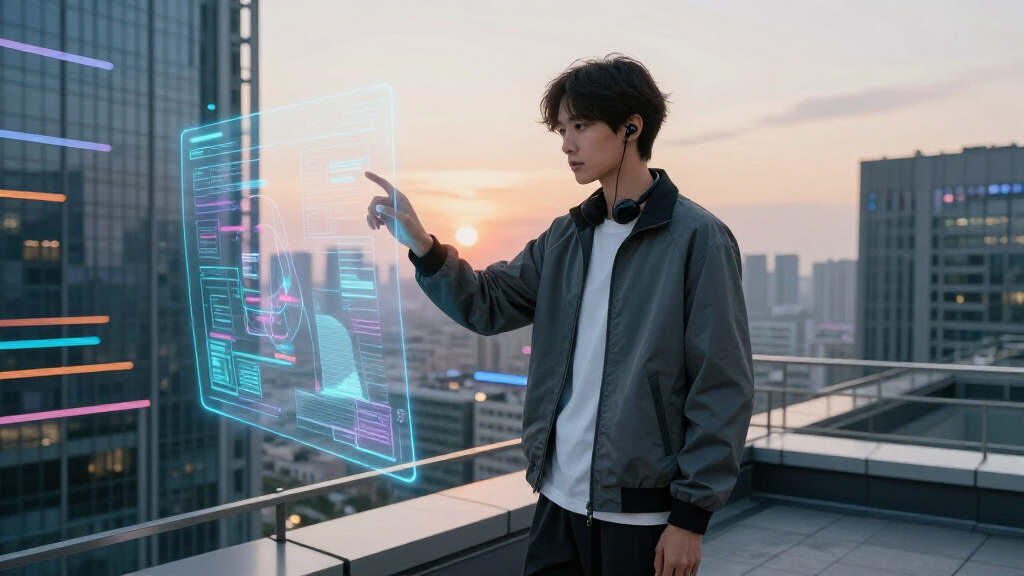
Futuristic urban landscapes, pervasive digital environments, and societal shifts are increasingly aligning with the visions of science fiction authors J.G. Ballard and William Gibson. Experts say that elements once considered speculative are now part of everyday life, prompting debate about whether society is living in a real-world version of these dystopias.
Several prominent futurists and cultural analysts have pointed out that current trends in smart cities, digital surveillance, virtual reality, and social fragmentation mirror the worlds depicted in Ballard’s dystopian novels and Gibson’s cyberpunk visions. For example, urban environments are becoming increasingly controlled and surveilled, with widespread adoption of AI-driven infrastructure and digital monitoring.
Meanwhile, the rise of metaverse platforms and immersive virtual spaces echoes Gibson’s cyberpunk universe, where digital worlds blur with physical reality. Experts argue that these developments reflect a societal shift toward digital dependency and social dislocation, themes central to both authors’ works.
Why This Convergence of Fiction and Reality Matters
This alignment suggests that the future envisioned by Ballard and Gibson is not just fiction but a trajectory many societies are currently following. It raises questions about privacy, autonomy, and societal resilience in an increasingly digitized world. Understanding these parallels can help policymakers and citizens navigate potential risks and opportunities as technology continues to evolve.
smart city surveillance camera system
As an affiliate, we earn on qualifying purchases.
As an affiliate, we earn on qualifying purchases.
Historical and Cultural Roots of the Sci-Fi Parallels
J.G. Ballard’s work in the 1960s and 70s often depicted urban decay, environmental collapse, and psychological dislocation, reflecting anxieties about rapid societal change. William Gibson, in the 1980s, pioneered cyberpunk, envisioning cyberspace and corporate dystopias long before they became realities. Recent developments in urban tech, AI, and digital culture can be seen as an extension of these visions, now unfolding in real life.
While these authors’ worlds were speculative, the current pace of technological and societal change has led many to believe that their visions are becoming tangible, prompting a reevaluation of the future trajectory of society.
“Cities are increasingly designed around surveillance and control, echoing the environments depicted in Ballard’s novels.”
— Professor Mark Reynolds, Urban Studies Expert
As an affiliate, we earn on qualifying purchases.
Unclear How Society Will Adapt to These Trends
While parallels are evident, it is still uncertain how society will respond to these technological and urban developments. Questions remain about regulatory responses, societal resilience, and potential backlash against surveillance or digital dependency. Experts warn that the trajectory could still shift in unpredictable ways, either toward greater control or more resistance.
As an affiliate, we earn on qualifying purchases.
Future Developments and Policy Responses to Dystopian Trends
Researchers and policymakers are expected to focus on regulating AI, protecting privacy, and fostering societal resilience. Public debates around digital rights, urban planning, and technological ethics are likely to intensify as these trends continue to evolve. Monitoring how societies adapt will be key to understanding whether the dystopian visions are avoided or realized.
As an affiliate, we earn on qualifying purchases.
Key Questions
Are we really living in a dystopia similar to those in fiction?
While many aspects of current society resemble dystopian themes from Ballard and Gibson, it remains a matter of interpretation. Experts note that some trends are concerning, but society also has the capacity to influence the direction of technological and urban development.
What specific developments are most similar to science fiction visions?
Key similarities include the rise of surveillance states, immersive virtual reality, urban decay, and digital dependence. These mirror themes from Ballard’s depiction of controlled environments and Gibson’s cyberpunk worlds.
Could these trends lead to a dystopian future?
The potential exists, especially if unchecked surveillance, privacy erosion, and social dislocation continue. However, policy interventions and societal resistance could alter this trajectory.
What can individuals do to prepare for these societal shifts?
Staying informed about digital rights, advocating for privacy protections, and engaging in civic discussions about urban and technological governance can help individuals influence future developments.
Source: hn
Halloween Picks
halloween
As an affiliate, we earn on qualifying purchases.