TL;DR

Get the little things that make your day delivered free with Prime
- Fast, free delivery on millions of items
- Prime Video, Amazon Music and more included
- Member-only deals all year
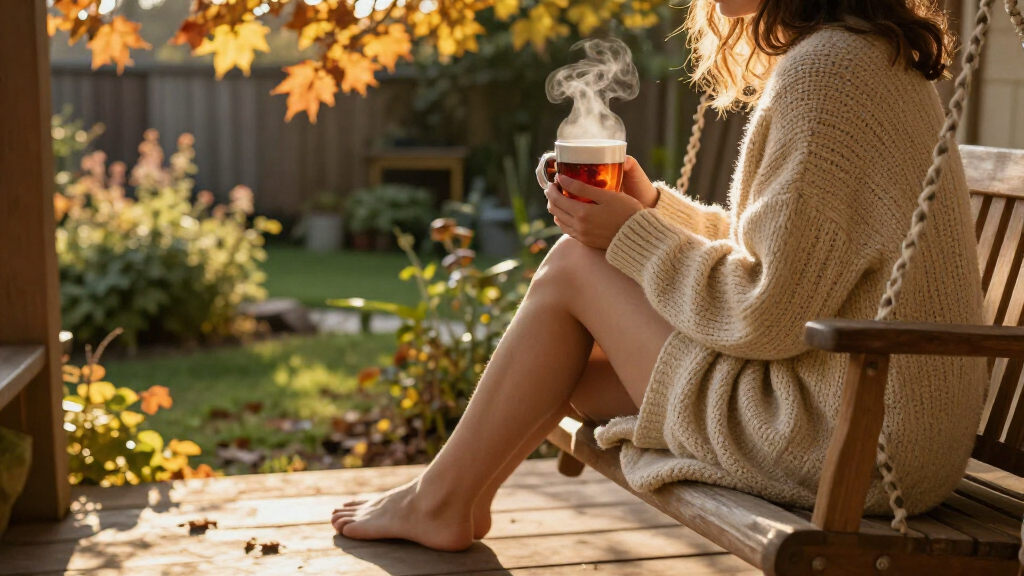
Interest in seasonal living is rising, driven by a growing recognition that aligning daily routines with natural seasonal cycles reflects how humans are biologically designed to live. Experts suggest this shift may influence future wellness and lifestyle practices.
Recent data shows a significant rise in online searches and media coverage around the concept of seasonal living, suggesting a growing public interest in aligning daily routines with natural seasonal cycles. While often framed as a wellness trend, experts argue that seasonal living is rooted in fundamental human biology and history, making it more than just a passing fad. This shift matters because it could influence how individuals approach health, sustainability, and lifestyle choices in the future.
The spike in interest appears to be driven by a broader cultural movement towards reconnecting with nature and prioritizing holistic health. According to trend analysts, the focus on seasonal living encompasses practices like adjusting diets, sleep schedules, and outdoor activities to match the changing seasons. While the concept has gained popularity in wellness circles and social media, there is no formal consensus on whether this marks a new movement or a re-emergence of traditional practices.
Experts note that human biology is inherently attuned to seasonal variations. For example, research indicates that our circadian rhythms, immune responses, and even mental health fluctuate with the seasons. Historically, humans adapted their lifestyles to these natural cycles, but modern urban living and technology have largely disconnected us from these rhythms. The renewed interest suggests a desire to restore that connection, whether for health, sustainability, or cultural reasons.
It is important to clarify that current coverage and search interest are based on trend signals and social media activity. There is no official scientific endorsement of specific seasonal living practices, nor is there a unified framework defining what it entails. The movement remains in the early stages of mainstream adoption, and its long-term impact is still uncertain.
Why Reconnecting with Seasonal Rhythms Matters
This renewed focus on seasonal living underscores a broader desire to return to natural, sustainable ways of life that are aligned with human biology. If widely adopted, these practices could influence public health, mental well-being, and environmental sustainability. Recognizing that our bodies are naturally attuned to seasonal changes may lead to more personalized health strategies and a greater emphasis on ecological harmony.
Furthermore, the trend highlights a cultural shift away from fast-paced, technology-driven lifestyles towards more mindful, nature-connected practices. This could prompt changes in how societies approach urban planning, agriculture, and wellness industries, emphasizing seasonal cycles and local ecosystems.
As an affiliate, we earn on qualifying purchases.
Historical Roots and Modern Resurgence of Seasonal Living
Historically, humans lived closely with the seasons, adjusting their diets, activities, and even sleep patterns to the environment. Ancient agricultural societies relied on seasonal cues for planting and harvesting, and indigenous cultures maintained practices rooted in seasonal awareness. However, industrialization and urbanization distanced many from these natural rhythms, leading to a more uniform, year-round lifestyle.
In recent years, there has been a growing movement among wellness advocates, environmentalists, and some medical researchers emphasizing the health benefits of aligning with seasonal cycles. The current spike in interest appears to be a blend of this historical knowledge and modern concerns about sustainability, mental health, and the negative effects of constant technological stimulation.
While the trend is gaining momentum, it remains unclear whether this is a temporary cultural fad or a deeper societal shift towards integrating seasonal awareness into everyday life. The trigger appears to be a combination of social media influence, increased environmental consciousness, and a desire for holistic health approaches.
natural circadian rhythm sleep aid
As an affiliate, we earn on qualifying purchases.
As an affiliate, we earn on qualifying purchases.
Unconfirmed Origins and Long-Term Impact of the Trend
It is not yet clear whether the current spike in interest will lead to sustained lifestyle changes or if it remains a temporary trend fueled by social media and cultural shifts. The scientific community has not yet established standardized practices or definitive health benefits linked to seasonal living, and the movement’s long-term societal impact remains uncertain.As an affiliate, we earn on qualifying purchases.
Monitoring Adoption and Scientific Validation
Researchers and health professionals are expected to further study the physiological and psychological impacts of seasonal living practices. Meanwhile, public adoption will likely depend on how well these practices are integrated into mainstream wellness and sustainability initiatives. Future developments may include more structured guidelines, scientific validation, and broader cultural acceptance or skepticism.
outdoor activity gear for each season
As an affiliate, we earn on qualifying purchases.
As an affiliate, we earn on qualifying purchases.
Key Questions
Is seasonal living a new trend or an old practice?
While gaining renewed attention recently, seasonal living is rooted in traditional human practices that historically aligned lifestyles with natural cycles. The current interest appears to be a modern reinvigoration of these age-old principles.
What are some common seasonal living practices?
Practices include adjusting diets to seasonal foods, modifying sleep and activity patterns, spending more time outdoors during certain times of the year, and aligning work and leisure activities with natural light cycles.
Are there scientific studies supporting the health benefits of seasonal living?
Current research suggests that biological rhythms are influenced by seasons, but comprehensive scientific validation of specific practices is limited. More studies are needed to confirm health benefits definitively.
Could this trend influence urban planning or environmental policies?
Potentially, if the movement gains widespread traction, it could inspire urban designs that incorporate seasonal cycles, promote local food systems, and emphasize ecological harmony, but these impacts are still speculative.
Source: rss
Columbus Day / Indigenous Peoples' Day Picks
long weekend sales
As an affiliate, we earn on qualifying purchases.