
TL;DR
A viral video reveals a new, easier way to tie drawstrings on gym shorts and similar apparel. The method promises a more secure and comfortable fit, gaining attention online. Its impact could influence how consumers handle athletic wear.
A recent video showcases a new method for tying drawstrings on gym shorts and other athletic apparel, claiming to provide a more secure and comfortable fit. The technique, demonstrated by an online content creator, has quickly gained popularity among viewers seeking better solutions for managing their athletic wear. This development is notable because it offers a simple change that could improve everyday comfort for many users.

Get the little things that make your day delivered free with Prime
- Fast, free delivery on millions of items
- Prime Video, Amazon Music and more included
- Member-only deals all year
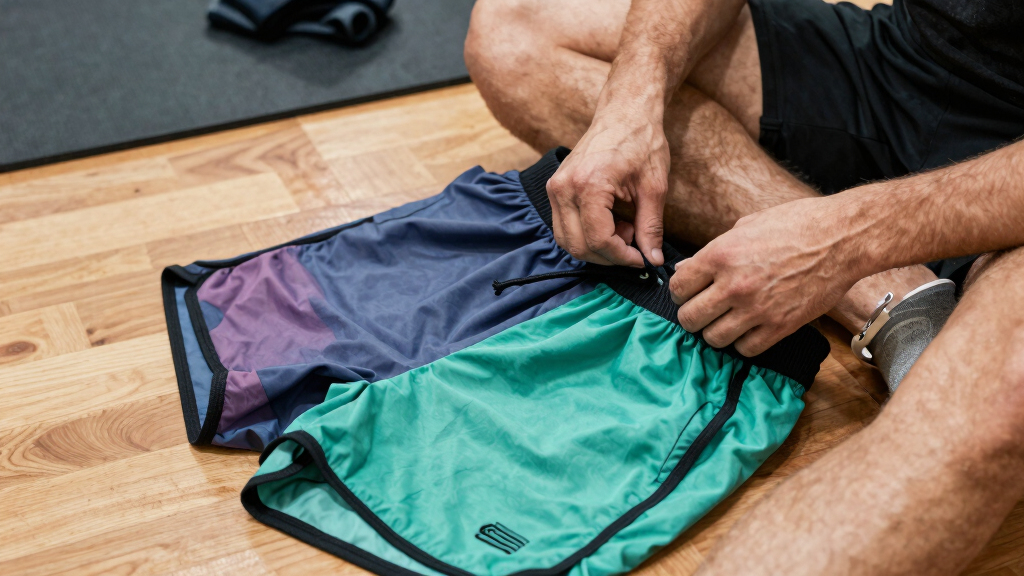
The video, posted on social media platforms, features a step-by-step guide to a different way of tying drawstrings, emphasizing a knot that stays tighter longer and is easier to untie. The creator claims this method prevents the common issue of drawstrings loosening during activity. The technique reportedly works with various types of drawstrings, including those on gym shorts, sweatpants, and casual wear.
While the video has garnered millions of views and many positive comments, there has been no formal study or expert endorsement confirming the superiority of this method. The creator attributes the effectiveness to a specific knotting technique, which they say distributes tension more evenly and reduces slippage. The method is simple enough to be adopted quickly, requiring no additional tools or materials.
Potential Impact on Athletic Wear Comfort and Security
This new tying method could significantly improve the user experience for athletes, gym-goers, and casual wearers by providing a more reliable and comfortable fit. For many, loose or untied drawstrings can cause inconvenience or even safety issues during physical activity. If widely adopted, this technique might influence how apparel manufacturers design and instruct users on drawstring management, possibly leading to more secure clothing options.
Products Worth Considering

TCL 55-Inch T7 Series 4K QLED Smart Google TV (55T7)

Roborock Qrevo S Pro Robot Vacuum and Mop, 18,500 Pa Suction

Dyson V8 Cordless Vacuum
As an affiliate, we earn on qualifying purchases.
Popular Techniques for Tying Drawstrings and Common Issues
Traditionally, people tie drawstrings using basic knots like the bow or double knot, which can loosen over time or during vigorous activity. Many users have reported frustration with their drawstrings slipping or coming undone, prompting interest in alternative methods. Previous solutions have included double knots or alternative tying techniques, but none have gained widespread recognition. The recent video offers a straightforward, accessible alternative that addresses these common problems.
“This method keeps the drawstring tighter longer and is easier to untie when needed.”
— Video creator
Extent of Adoption and Effectiveness Confirmed
While the technique appears promising based on the video and initial user feedback, there is no formal scientific validation or long-term testing to confirm its superiority over traditional methods. The actual effectiveness may vary depending on drawstring material, tension, and user application. It remains unclear whether this method will become widely adopted or if it will be recognized by apparel manufacturers.
Further Testing and Possible Industry Adoption
Experts and consumers are likely to experiment with the technique, sharing their experiences online. Apparel companies may consider incorporating this method into product instructions or designing drawstrings that facilitate such tying methods. Researchers and product designers might also conduct tests to evaluate the knot’s durability and security under different conditions. The technique’s popularity could depend on its proven effectiveness and ease of use over time.
Key Questions
Is this new knotting method suitable for all types of drawstrings?
Based on the video, the technique appears adaptable to various drawstring materials and styles, but effectiveness may vary depending on the specific fabric and tension.
Will this method prevent drawstrings from loosening during intense activity?
The creator claims it provides a more secure hold, but formal testing is lacking. User experiences will determine its real-world effectiveness.
Can I learn this technique quickly?
Yes, the video demonstrates a simple, step-by-step process that most users can adopt within a few attempts.
Will clothing manufacturers start recommending this method?
It is currently uncertain. Manufacturers may consider it if user feedback and testing support its benefits.
Are there any risks or downsides to this knotting technique?
There are no known risks, but improper tying or unfamiliarity could lead to less secure fastening until users become accustomed to the method.
Source: hn