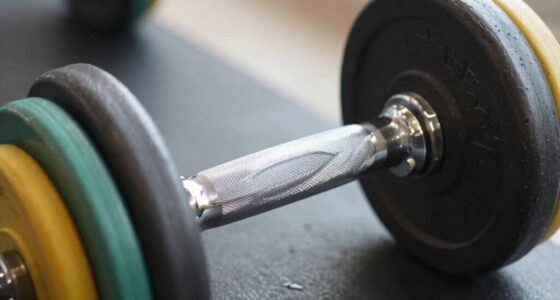

To increase your weekly training volume safely, you should do so gradually by boosting your workload by no more than 10-15% per week. Avoid doubling your workouts overnight to prevent injuries. Listen to your body for signs of fatigue or soreness and incorporate recovery strategies like rest, proper nutrition, and hydration. Adjust your plan based on how you feel, balancing effort with recovery. Keep these tips in mind, and you’ll discover more ways to progress sustainably and effectively.

Get the little things that make your day delivered free with Prime
- Fast, free delivery on millions of items
- Prime Video, Amazon Music and more included
- Member-only deals all year
Key Takeaways
- Gradually increase training volume by 10-15% weekly to allow safe adaptation and prevent injuries.
- Monitor your body’s response and adjust volume if you experience persistent soreness or fatigue.
- Incorporate rest and active recovery days to support muscle repair and prevent overtraining.
- Prioritize proper nutrition, hydration, and sleep to optimize recovery and sustain increased training loads.
- Use progressive overload principles to challenge your body sustainably and avoid plateaus.

If you want to improve your fitness, increasing your weekly training volume is essential. But jumping straight into longer or more frequent workouts can lead to burnout or injury if you don’t approach it thoughtfully. The key is to do it smartly, balancing your efforts with recovery strategies and nutrition optimization. This way, you ensure your body adapts without overloading it, allowing consistent progress over time.
Start by gradually increasing your training volume. Instead of doubling your sessions overnight, add small increments—perhaps 10% to 15% per week. This steady approach helps your muscles, joints, and nervous system adapt without excessive strain. As you extend your workouts, pay close attention to how you feel during and after exercise. If you notice persistent fatigue or soreness, it’s a sign to back off slightly and focus on recovery strategies. Incorporate rest days and active recovery, such as light stretching or low-intensity cardio, to help your body repair and strengthen. Recognizing the importance of progressive overload can help you avoid plateaus and injuries as you increase your training volume. Additionally, understanding training principles can guide you in creating a balanced and effective workout plan.
Gradually increase your training volume by 10-15% weekly, listening to your body and prioritizing recovery.
Nutrition optimization plays a vital role here. Fuel your body with a balanced diet that includes sufficient protein to support muscle repair, complex carbs for sustained energy, and healthy fats for overall health. Hydration is equally important; staying well-hydrated helps prevent fatigue and promotes faster recovery. Consider timing your meals around workouts—consuming a small, nutritious snack before exercise and a protein-rich meal afterward can significantly improve recovery and performance. Additionally, understanding biodiversity and its importance can inspire more sustainable and eco-friendly choices in your lifestyle. Recognizing the impact of nutrition on recovery can help you fine-tune your diet to maximize progress.
Listening to your body is crucial. If you feel signs of overtraining—such as irritability, persistent muscle soreness, or decreased performance—it’s a clear signal to scale back. Incorporate recovery strategies like foam rolling, massage, or even gentle yoga to alleviate tightness and improve circulation. Prioritize quality sleep, which is when your body does most of its repair work. This holistic approach ensures you can sustain increased training volume without falling into setbacks.
As an affiliate, we earn on qualifying purchases.
Frequently Asked Questions
How Can I Prevent Overtraining When Increasing Volume?
To prevent overtraining when increasing volume, listen to your body and gradually add intensity and distance. Incorporate cross training benefits by mixing activities to reduce strain and improve overall fitness. Prioritize mental resilience by allowing rest days and staying motivated. Monitor fatigue levels closely, avoid pushing through pain, and guarantee proper recovery. This balanced approach helps you build endurance safely while minimizing the risk of overtraining.
What Are Signs of Training Volume Being Too High?
Signs of training volume being too high include persistent muscle fatigue and mental burnout. If you notice muscle soreness that lingers or worsens, it’s a warning sign your workload is overwhelming your recovery. Similarly, feeling mentally drained, unmotivated, or losing focus indicates overtraining. Pay attention to these signals, and adjust your training accordingly to avoid injury and maintain progress. Balance is key to sustainable, successful training.
How Should Nutrition Change With Increased Training Volume?
As you increase your training volume, you should adjust your nutrition by focusing on meal timing and hydration strategies. Eat balanced meals with carbs and protein around your workouts to fuel recovery and performance. Hydrate consistently throughout the day, especially before, during, and after exercise. Prioritize electrolyte-rich drinks if your sessions are intense or long. These changes help maintain energy, prevent fatigue, and support ideal recovery as your training volume rises.
Is There an Ideal Weekly Training Volume for Beginners?
Start small, steadily, and surely, as beginners benefit most from balanced, manageable weekly training volumes. Focus on consistent, controlled progress through progressive overload, gradually increasing intensity and duration. While there’s no one-size-fits-all ideal, aim for about 3 to 4 days of training per week, ensuring rest and recovery. Prioritize quality over quantity, listening to your body, and building a solid foundation for sustainable strength and stamina.
How Does Recovery Differ When Increasing Training Volume?
When increasing training volume, recovery depends on your training intensity and workout variability. Higher intensity workouts demand more recovery, so you might need extra rest days. Incorporating workout variability helps prevent overtraining and allows your body to adapt better. Listen to your body’s signals, and adjust rest periods accordingly. Balancing training intensity with proper recovery guarantees you avoid injury and keep progressing safely as you increase volume.
protein powder for muscle repair
As an affiliate, we earn on qualifying purchases.
As an affiliate, we earn on qualifying purchases.
Conclusion
By gradually increasing your training volume, you gently steer clear of the rocky waters of burnout and injury. Think of it as tuning a musical instrument—you want each string to stretch just enough to sing loudly and clearly. Patience and consistency are your best allies on this journey, helping you build strength without rushing the process. Keep your focus steady, and you’ll find that progress feels more like a natural flow than a strenuous climb.
As an affiliate, we earn on qualifying purchases.
As an affiliate, we earn on qualifying purchases.
Halloween Picks
halloween
As an affiliate, we earn on qualifying purchases.