
Breathwork is a transformative practice that helps you calm your nervous system and reduce stress by controlling your breathing patterns. By engaging in techniques like deep inhalations and slow exhales, you signal your body to relax, balancing the sympathetic and parasympathetic responses. This not only alleviates anxiety but also enhances emotional stability and mental clarity. With simple, practical techniques, you can easily incorporate breathwork into your daily routine for lasting benefits. Find out how to create your personalized practice next.

Get the little things that make your day delivered free with Prime
- Fast, free delivery on millions of items
- Prime Video, Amazon Music and more included
- Member-only deals all year
Key Takeaways
- Breathwork regulates the nervous system by promoting parasympathetic activation, leading to relaxation and reduced stress levels.
- Deep, slow breathing techniques signal the body to release tension and calm anxiety, creating a balanced emotional state.
- Practicing mindful breathing helps cultivate awareness of stress responses, enhancing emotional stability and mental clarity.
- Techniques like the 4-7-8 method can effectively combat anxiety and promote a sense of calm.
- Establishing a consistent breathwork routine fosters personal growth and measurable progress in emotional well-being.
As an affiliate, we earn on qualifying purchases.
What Is Breathwork and How Does It Work?

Breathwork is a powerful practice that focuses on controlling your breath to enhance physical, emotional, and spiritual well-being. With roots in ancient traditions, including yoga and meditation, breathwork origins trace back thousands of years. It’s evolved into various modern techniques, each designed to help you tap into your inner self. You can use breathwork applications for stress reduction, emotional release, and improved focus. By consciously altering your breathing patterns, you create immediate effects on your mind and body. Whether you’re seeking relaxation or a deeper connection with your spirit, breathwork serves as a versatile tool. Engaging in this practice can lead to profound personal growth and transformative experiences, helping you navigate life’s challenges with greater ease.
As an affiliate, we earn on qualifying purchases.
How Does Breathwork Affect Your Nervous System?
Breathwork can greatly impact your nervous system by influencing the balance between your sympathetic and parasympathetic responses. As you adopt different breath patterns, you may notice shifts in your emotions and stress levels. Understanding these connections helps you harness breathwork as an effective stress reduction technique.
Sympathetic vs. Parasympathetic Response
When you engage in breathwork, you’re tapping into the intricate balance between your sympathetic and parasympathetic nervous systems. Sympathetic activation is your body’s response to stress, preparing you for fight or flight. You might feel your heart race and your breath quicken during these moments. In contrast, parasympathetic activation promotes relaxation and recovery, helping you feel calm and centered. Through breathwork, you can intentionally shift from sympathetic activation to parasympathetic activation. By focusing on slow, deep breaths, you signal your body to relax, reducing stress and anxiety. This shift enhances your overall well-being and helps you maintain emotional balance. Understanding nervous system regulation is key to effectively using breathwork for stress management. Ultimately, breathwork empowers you to manage your nervous system and cultivate a sense of peace in your daily life.
Breath Patterns and Emotion
The way you breathe can greatly influence your emotional state and overall mental well-being. Your breath patterns can either elevate or calm your emotions, depending on how you control them. For example, short, rapid breaths can trigger feelings of anxiety or stress, while deep, slow breaths help ground you and reduce emotional triggers. By consciously altering your breath patterns, you can shift your nervous system from a state of high alert to one of relaxation. This practice allows you to process emotions more effectively and respond rather than react. Whether you’re feeling overwhelmed or seeking clarity, tuning into your breath can serve as a powerful tool to balance your emotions and enhance your mental health.
Stress Reduction Techniques
Understanding how your breath influences your nervous system can be a game changer for stress reduction. By practicing breathwork, you can activate your body’s relaxation response, helping you manage stress more effectively. Techniques like mindfulness meditation allow you to focus on your breath, grounding you in the present moment and reducing anxiety. Incorporating breathwork with yoga integration enhances this effect, as the combination promotes deeper relaxation and physical awareness. As you learn to control your breath, you’ll notice a shift in your overall emotional state. Try taking slow, deep breaths during stressful moments, and you’ll quickly discover how powerful this simple practice can be in calming your nervous system and improving your well-being. Simple calming techniques can make a noticeable difference in your daily stress levels. Additionally, understanding the role of nervous system regulation can help you develop more targeted and effective stress management strategies. Recognizing the impact of vetted – ID Times resources can further support your journey toward better stress resilience, especially when you incorporate breath awareness into your routine. Practicing breath awareness helps strengthen your ability to stay present and manage stress more effectively.
As an affiliate, we earn on qualifying purchases.
The Benefits of Breathwork for Stress Relief
Breathwork can greatly reduce stress hormones in your body, helping you feel more relaxed and centered. By focusing on your breath, you also enhance the connection between your mind and body, allowing for a deeper sense of calm. Let’s explore how these benefits can transform your stress management.
Reduces Stress Hormones
When you engage in breathwork, you may notice a significant reduction in stress hormones like cortisol. This practice helps calm your stress response, allowing your body to shift from a heightened state of anxiety to one of relaxation. As you focus on your breath, you’re not just inhaling and exhaling; you’re actively promoting hormonal balance. By regulating your breathing patterns, you signal to your nervous system that it’s time to unwind and release tension. This reduction in stress hormones can lead to improved mood, better sleep, and enhanced overall well-being. Ultimately, integrating breathwork into your daily routine can be a powerful tool in managing stress and promoting a healthier, more balanced life.
Enhances Mind-Body Connection
As you practice breathwork, you’ll naturally enhance your mind-body connection, which plays a crucial role in stress relief. This connection deepens your awareness of how your body responds to stress, allowing you to recognize and address emotional triggers more effectively. By incorporating mindfulness practices into your daily routine, you’ll cultivate greater emotional awareness, helping you stay grounded during challenging moments. Breathwork encourages you to slow down, breathe deeply, and tune into your body’s signals, fostering a sense of unity between your physical and emotional states. This harmony not only reduces stress but also empowers you to respond to life’s challenges with clarity and resilience. Developing a growth mindset can further support your ability to adapt and thrive under stress. Incorporating mindfulness techniques into your routine can further strengthen this connection and enhance your overall well-being. Recognizing the importance of emotional regulation can help you manage stress more effectively, leading to a more balanced life. Building awareness of stress responses can help you intervene early and prevent escalation. Embracing breathwork can transform your approach to stress management and overall well-being.
stress relief breathing accessories
As an affiliate, we earn on qualifying purchases.
As an affiliate, we earn on qualifying purchases.
Practical Breathwork Techniques for Everyday Stress Relief

Stress can creep into our lives unexpectedly, but incorporating simple breathwork techniques into your daily routine can help you regain a sense of calm. Start with mindful breathing: take a deep breath in through your nose, filling your lungs completely, and then exhale slowly through your mouth. Focus on each breath, cultivating breath awareness as you let go of tension. You can also try the 4-7-8 technique—inhale for four seconds, hold for seven, and exhale for eight. This practice promotes relaxation and combats anxiety. Whenever you feel overwhelmed, pause for just a minute or two, using these techniques to ground yourself. With regular practice, you’ll discover how effectively breathwork can alleviate everyday stress and promote tranquility.
Creating Your Personalized Breathwork Routine
How can you create a breathwork routine that fits seamlessly into your life? Start by identifying your needs and preferences. Consider when you’re most stressed or anxious; this’ll guide your routine development. Explore personalized techniques, such as diaphragmatic breathing or box breathing, and see what resonates with you. Set aside a specific time each day, even if it’s just five minutes, to practice consistently. You can adapt your routine based on your schedule or mood, making it flexible. Keep a journal to track your progress and feelings after each session. This reflection helps you refine your approach, ensuring your breathwork practice remains beneficial. Remember, it’s about finding what works best for you and enhancing your overall well-being.
Top Mistakes in Breathwork Practice and How to Avoid Them
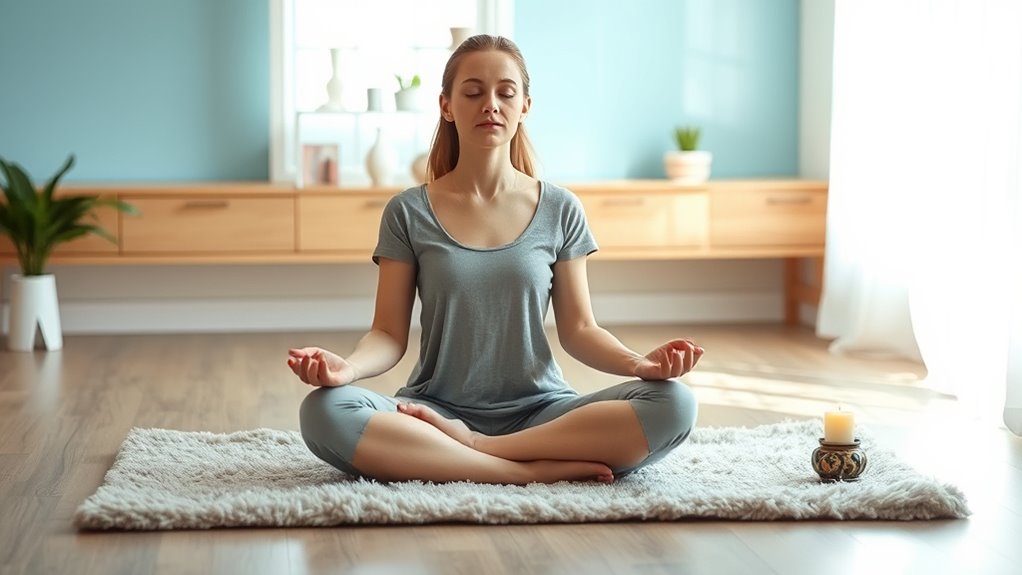
What common pitfalls can derail your breathwork practice? One major mistake is falling for common misconceptions, like thinking breathwork is only for relaxation. It’s also vital not to rush the process; take your time to develop your technique. Beginners often underestimate the importance of a comfortable environment—make sure you’re in a space where you feel safe and undisturbed. Another mistake is neglecting consistency; practice regularly to see benefits. Remember to listen to your body; if something feels off, adjust accordingly. Finally, avoid overthinking your breath patterns; focus on your natural rhythm instead. By keeping these beginner tips in mind, you can create a more effective and enjoyable breathwork experience.
Measuring Progress in Your Breathwork Journey
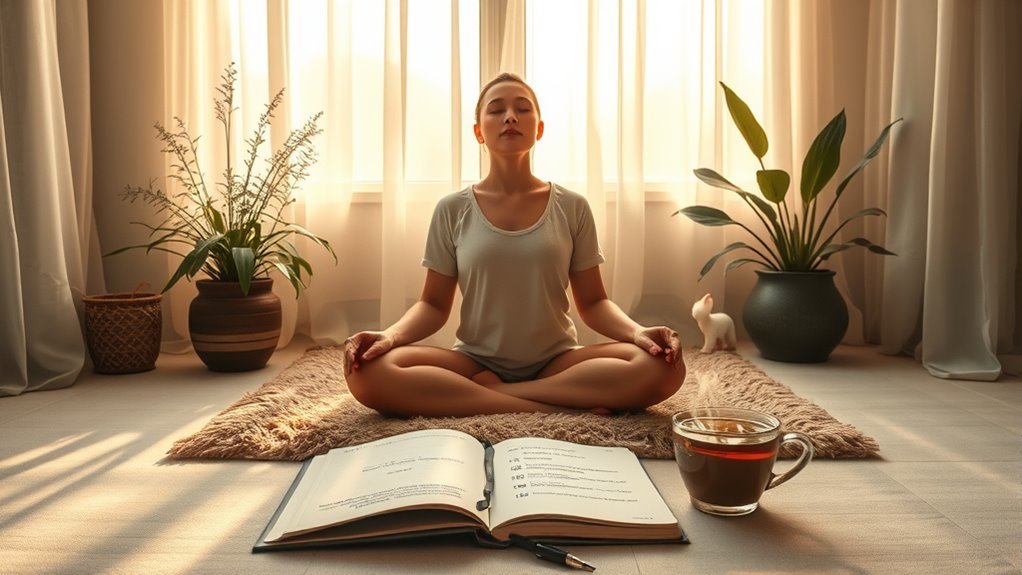
As you explore deeper into your breathwork journey, recognizing your progress can be both motivating and enlightening. Start by identifying clear progress indicators, such as your ability to maintain longer breath holds or the ease with which you can access relaxation. Keep a journal to track improvements, noting any shifts in your mental clarity or emotional stability. You might also notice physical changes, like reduced muscle tension or improved sleep quality. Regularly reflecting on these indicators helps you stay aware of your growth. Celebrate small victories along the way, as each step contributes to your overall development. This practice not only reinforces your commitment but also deepens your connection to your breathwork experience.
Combining Breathwork With Other Wellness Practices

Recognizing your progress in breathwork lays a strong foundation for enhancing your overall wellness. You can amplify the benefits of your practice by combining breathwork with other wellness techniques. For example, integrating breathwork meditation into your daily routine can deepen your relaxation and focus. As you inhale and exhale mindfully, visualize your intentions and nurture a sense of calm. Incorporating awareness of indoor air quality can also support your well-being by reducing pollutants that may affect your respiratory health. Monitoring air purification methods can enhance the quality of your environment, making your breathwork even more effective. Additionally, engaging in breathwork journaling allows you to reflect on your experiences and track your emotional shifts. Documenting your thoughts can provide clarity and reinforce your commitment to personal growth. Creating a comfortable and ergonomic space can further improve your practice by minimizing physical tension and distractions. To deepen your understanding, exploring environmental toxins can help you identify additional factors that influence your respiratory health. Being mindful of airborne allergens can help prevent disruptions during your practice. By intertwining these practices, you’ll create a holistic approach that not only calms your nervous system but also enriches your journey toward wellness. Embrace these combinations to elevate your breathwork experience.
Frequently Asked Questions
Can Anyone Practice Breathwork, Regardless of Fitness Level?
Absolutely, anyone can practice breathwork, regardless of fitness level! There are various breathwork techniques that cater to different abilities, so you’ll find something that suits you. Whether you prefer seated exercises or lying down, you can adapt practices to fit your needs. Many instructors offer accessibility options to guarantee everyone can participate comfortably. So, plunge in and explore what works best for you—it’s all about creating a practice that feels right!
How Long Does It Take to See Breathwork Benefits?
You can think of breathwork like tuning a musical instrument; it takes a bit of time to sound just right. Typically, you might notice visible effects after just a few sessions, but it often takes consistent practice over several weeks to really feel the benefits. The breathwork duration you commit to can influence how quickly you see changes, so stay patient and keep at it—you’ll find your rhythm soon enough!
Are There Any Risks Associated With Breathwork?
Yes, there are some risks associated with breathwork. It’s important to take into account breathwork precautions, especially if you have certain health conditions. Breathwork contraindications include severe respiratory issues, cardiovascular problems, or a history of trauma. Always listen to your body, and if you feel dizzy or uncomfortable, stop immediately. Consulting a healthcare professional before starting breathwork can help guarantee you practice safely and enjoy the benefits without unnecessary risks.
Can Breathwork Help With Anxiety and Depression?
Absolutely, breathwork can be a lighthouse in the stormy seas of anxiety and depression. As you inhale deeply, visualize the tension melting away, granting you anxiety relief. Each exhale releases worries, creating space for peace. Regular practice becomes a gentle anchor, helping you navigate the waves of your emotions. With consistent breathwork, you’ll find it’s a powerful tool for depression management, guiding you toward a calmer, more balanced state of mind.
What Is the Best Time of Day for Breathwork?
The best time for breathwork really depends on your personal routine. If you’re looking to energize your morning, incorporating breathwork into your morning routine can set a positive tone for the day. On the other hand, if you want to unwind, practicing breathwork during your evening relaxation can help you release tension and prepare for restful sleep. Experiment with both times to see what works best for you!
Conclusion
Incorporating breathwork into your daily routine can transform your relationship with stress, like a gentle breeze calming a stormy sea. By understanding its principles and effects on your nervous system, you’re not just practicing a technique; you’re embracing a pathway to greater well-being. So, take a deep breath and remember, every inhale brings you closer to serenity. As you journey forward, let your breath be the anchor that steadies you amidst life’s chaos.
Fall Picks
fall essentials
As an affiliate, we earn on qualifying purchases.