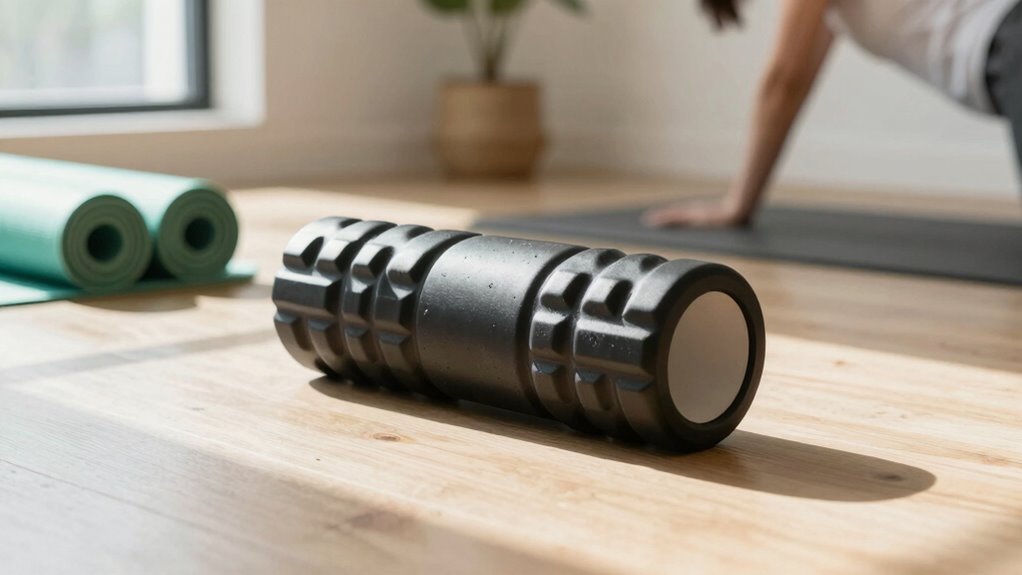

Foam rolling’s a great self-care technique that helps muscle recovery, boosts flexibility, and lowers injury risk when done right. It doesn’t cure pain or replace professional treatment for persistent issues, and its benefits are cumulative rather than immediate. While it’s effective for targeted muscle relief, it shouldn’t be your only strategy for flexibility and strength. If you want to maximize your foam rolling experience and understand its nuances, there’s plenty more to uncover.

Get the little things that make your day delivered free — and shop member deals
- Fast, free delivery on millions of items
- Access to Prime Big Deal Days deals on October 6–7
- Prime Video, Amazon Music and more included
Key Takeaways
- Foam rolling helps relieve muscle tension and improves blood flow, aiding recovery after workouts.
- It enhances flexibility and range of motion, reducing the risk of injury during physical activity.
- Consistent use can prevent tightness and maintain muscle flexibility, but it’s not a substitute for professional medical treatment.
- Foam rolling provides temporary relief and comfort; benefits improve over time with regular practice.
- The choice of foam roller depends on user experience, desired pressure, and specific muscle targeting.
As an affiliate, we earn on qualifying purchases.
What Is Foam Rolling and How Does It Work?
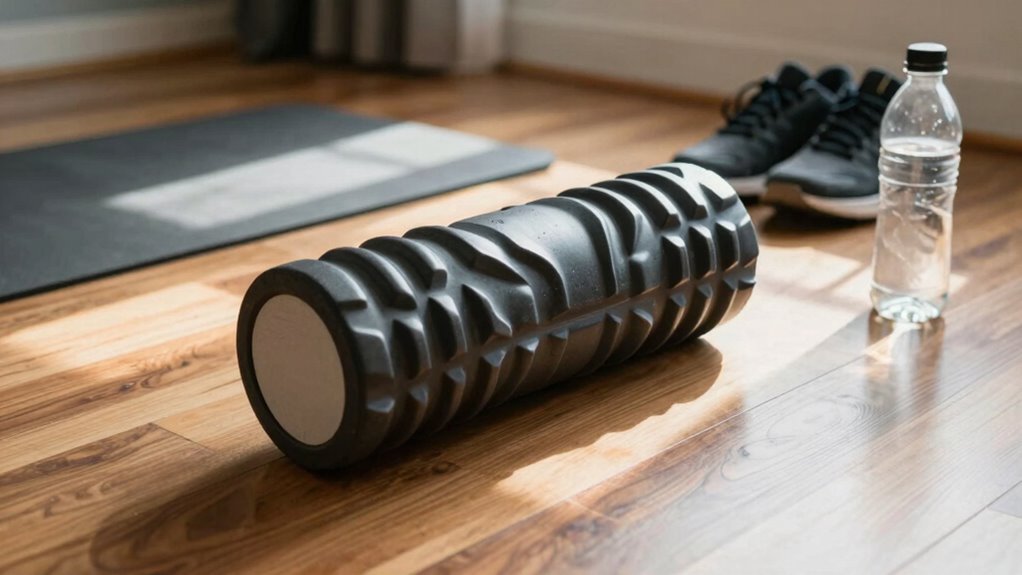
Foam rolling is a self-myofascial release technique that helps relieve muscle tension and improve flexibility. You can choose from various foam roller types, including high-density, textured, and vibrating rollers, each offering unique benefits. When you roll over sore muscles, it applies pressure that breaks up knots and improves blood flow. To get the most out of your sessions, consider different foam rolling techniques, like the slow roll, where you glide slowly over tight areas, or the targeted pressure technique, which involves holding your weight on a specific spot. By incorporating these methods, you’ll enhance your mobility and ease muscle soreness, making foam rolling an essential tool in your fitness routine. Get rolling to feel the difference!
vibrating foam roller for muscle recovery
As an affiliate, we earn on qualifying purchases.
As an affiliate, we earn on qualifying purchases.
Key Benefits of Foam Rolling for Recovery
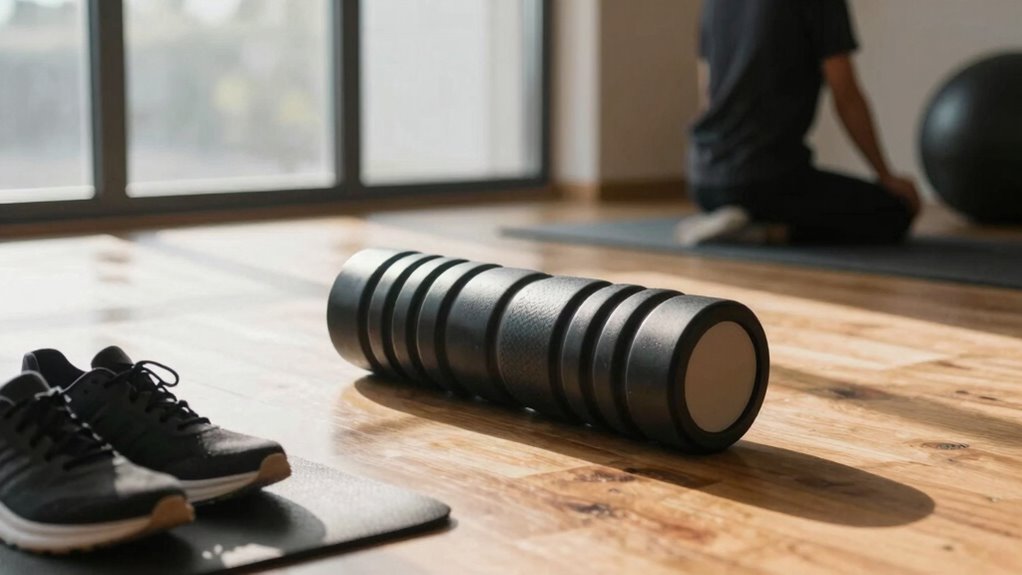
Using foam rolling as part of your recovery routine offers numerous benefits that can enhance your overall performance. Incorporating this technique into your recovery strategies can greatly aid in muscle recovery. Here are three key benefits:
Incorporating foam rolling into your recovery routine can significantly enhance muscle recovery and overall performance.
- Improved Blood Flow: Foam rolling increases circulation, delivering essential nutrients to your muscles and speeding up recovery time.
- Reduced Muscle Soreness: Rolling out tight areas helps alleviate soreness and discomfort, so you feel better after intense workouts.
- Enhanced Relaxation: The rhythmic pressure of foam rolling promotes relaxation, helping to reduce stress and tension in your muscles.
textured foam roller for deep tissue massage
As an affiliate, we earn on qualifying purchases.
As an affiliate, we earn on qualifying purchases.
How Foam Rolling Improves Flexibility and Range of Motion
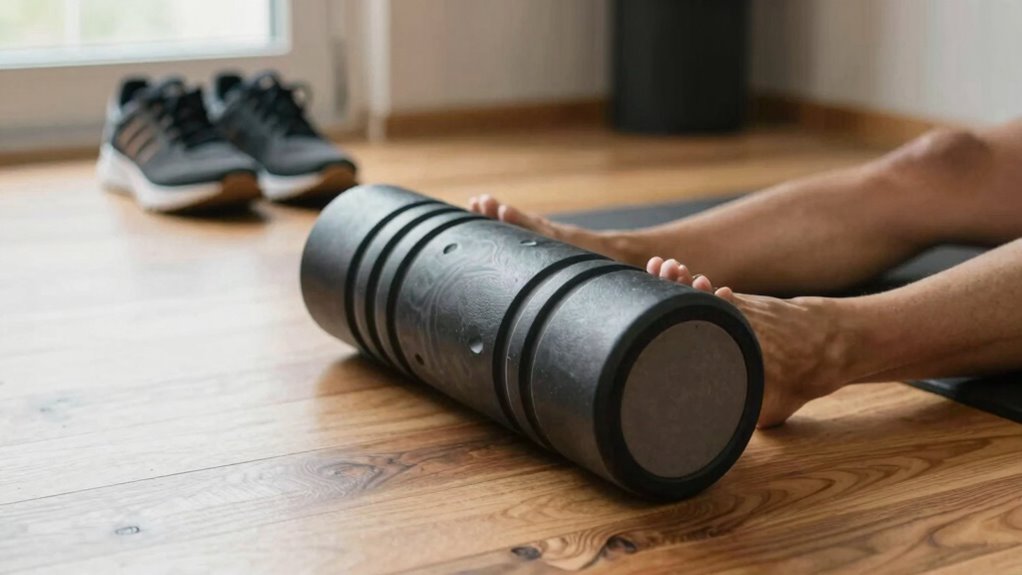
Foam rolling can greatly boost your flexibility and range of motion by enhancing blood circulation to your muscles. As you roll out tight areas, you’re also releasing muscle tension, which helps improve mobility. This process not only feels great but actively supports your overall performance and recovery.
Increased Blood Circulation
When you engage in foam rolling, you’re not just relieving muscle tension; you’re also boosting blood circulation, which is crucial for enhancing flexibility and range of motion. Improved circulation helps deliver essential nutrients to your muscles and aids in the removal of waste products. Here are three key benefits of increased blood flow through foam rolling:
- Enhanced Recovery: Faster nutrient delivery accelerates healing after workouts.
- Increased Flexibility: Better blood flow allows muscles to relax and stretch more effectively.
- Reduced Injury Risk: Improved circulation warms up muscles, preparing them for physical activity.
Muscle Tension Release
Although muscle tension can hinder your flexibility and range of motion, foam rolling effectively alleviates tightness and promotes relaxation in your muscles. By using self myofascial release techniques, you can target specific areas of tension, allowing your muscles to unwind. When you roll over tight spots, you break up adhesions and improve blood flow, which aids recovery and enhances performance. Incorporating foam rolling into your routine can greatly enhance your muscle relaxation techniques, making it easier to move freely. Regular practice helps maintain flexibility and reduces the risk of injury. Additionally, understanding the benefits of foam rolling can motivate you to make it a consistent part of your fitness regimen. So, grab your foam roller, spend a few minutes each session focusing on tight areas, and experience the benefits of improved flexibility and a greater range of motion.
foam roller for flexibility and mobility
As an affiliate, we earn on qualifying purchases.
As an affiliate, we earn on qualifying purchases.
Foam Rolling for Injury Prevention

Incorporating foam rolling into your routine can greatly reduce the risk of injuries, as it helps maintain muscle flexibility and alleviate tension. Here are three effective foam rolling techniques to enhance your injury prevention strategies:
- Target Major Muscle Groups: Focus on areas like the quads, hamstrings, and calves, which are prone to tightness that can lead to injury.
- Use Consistent Pressure: Apply steady pressure while rolling to break down knots and improve blood flow, promoting recovery and flexibility.
- Incorporate Dynamic Movements: Pair foam rolling with dynamic stretches to further enhance mobility and prepare your muscles for activity.
When Foam Rolling May Not Be Effective
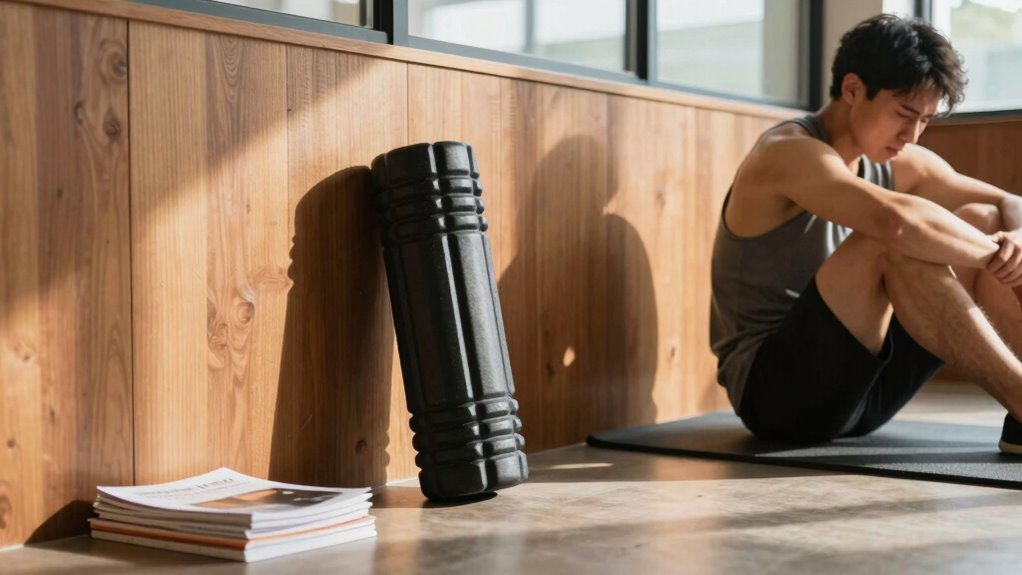
While foam rolling is a popular recovery tool, it isn’t always the solution for everyone. You might find its limited effectiveness in addressing specific conditions like severe muscle injuries or chronic pain. If you’re dealing with a serious injury, foam rolling may not provide the relief you need and could even exacerbate the issue. Additionally, if you have certain medical conditions, like fibromyalgia or osteoporosis, the pressure from rolling might cause discomfort rather than relief. It’s essential to listen to your body; if foam rolling doesn’t feel beneficial, it’s wise to explore other recovery methods. Remember, what works for one person may not work for another, so consider your individual needs when using foam rollers. Proper technique and awareness of your limitations are key to safe and effective foam rolling.
Common Misconceptions About Foam Rolling
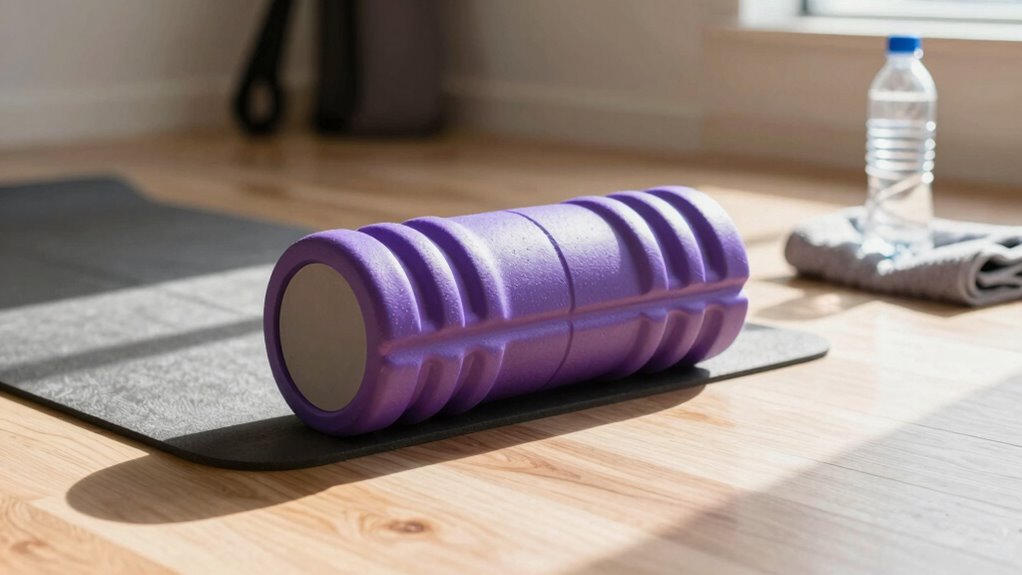
You’ve probably heard a lot about foam rolling, but not everything you’ve been told is true. Many people believe it’s a miracle cure for pain and that it dramatically speeds up recovery or boosts flexibility. Let’s clear up these common misconceptions so you can use foam rolling more effectively.
Pain Relief Myths
Many people believe that foam rolling is a cure-all for pain relief, but this misconception can lead to unrealistic expectations. While foam rolling can aid in pain management, it’s essential to understand its limitations. Here are some common recovery myths:
- Foam rolling fixes all muscle pain – It can help alleviate soreness but won’t eliminate underlying issues.
- It’s a substitute for medical treatment – If you have persistent pain, professional evaluation is vital.
- You’ll feel immediate relief – Foam rolling may provide temporary comfort but isn’t a quick fix.
Recovery Speed Misunderstandings
Misunderstandings about recovery speed often accompany the myths surrounding foam rolling. Many people believe that foam rolling can drastically shorten recovery timeframes, but that’s not entirely true. While it can help improve blood flow and release muscle tension, it won’t magically speed up your recovery overnight. Recovery speed misconceptions often lead you to expect immediate results, but the benefits are more subtle and cumulative over time. Incorporating foam rolling into your routine can enhance overall recovery, but it’s just one piece of the puzzle. Remember, adequate rest, hydration, and nutrition play essential roles in how quickly you bounce back. So, don’t rely solely on foam rolling; use it as a complementary tool in your recovery arsenal for the best results.
Flexibility Assumptions
While foam rolling is often touted as a quick fix for flexibility, it’s important to recognize that it’s not a magic solution. Many people fall prey to flexibility myths and stretching misconceptions. Here are a few key points to reflect on:
- Temporary Relief: Foam rolling can provide temporary muscle relief but doesn’t replace the need for consistent stretching.
- Not All-Inclusive: It won’t magically increase your range of motion; incorporating dynamic and static stretching is essential for real flexibility gains.
- Muscle Activation: Foam rolling can aid in muscle activation, but without proper strength training, it won’t enhance your flexibility long-term.
Understanding these points can help you utilize foam rolling effectively, rather than relying on it as the sole method for improving flexibility.
Effective Foam Rolling Practices
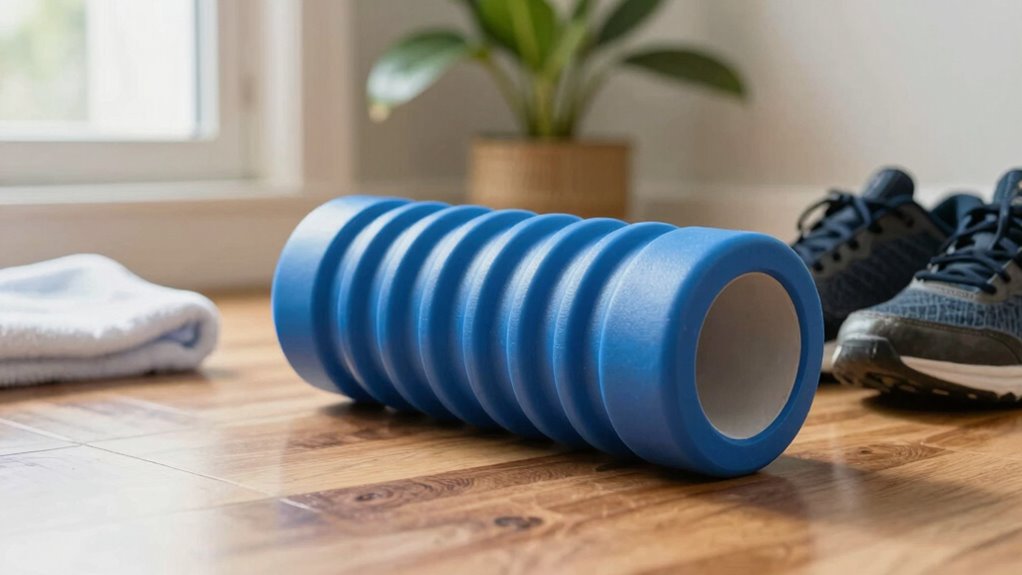
Effective foam rolling practices can transform your recovery routine and enhance your overall performance. To get the most out of your sessions, focus on effective techniques that target specific muscle groups. Start by applying pressure slowly and using your body weight to control the intensity. Experiment with different foam roller types, such as smooth, textured, or vibrating rollers, to find which one works best for you. Spend about 30 seconds on each muscle group, rolling back and forth while breathing deeply. If you hit a tender spot, pause and hold pressure for 20 to 30 seconds. Incorporating these practices into your routine can help alleviate soreness, improve flexibility, and promote quicker recovery, ensuring you stay at the top of your game.
Choosing the Right Foam Roller for Your Needs
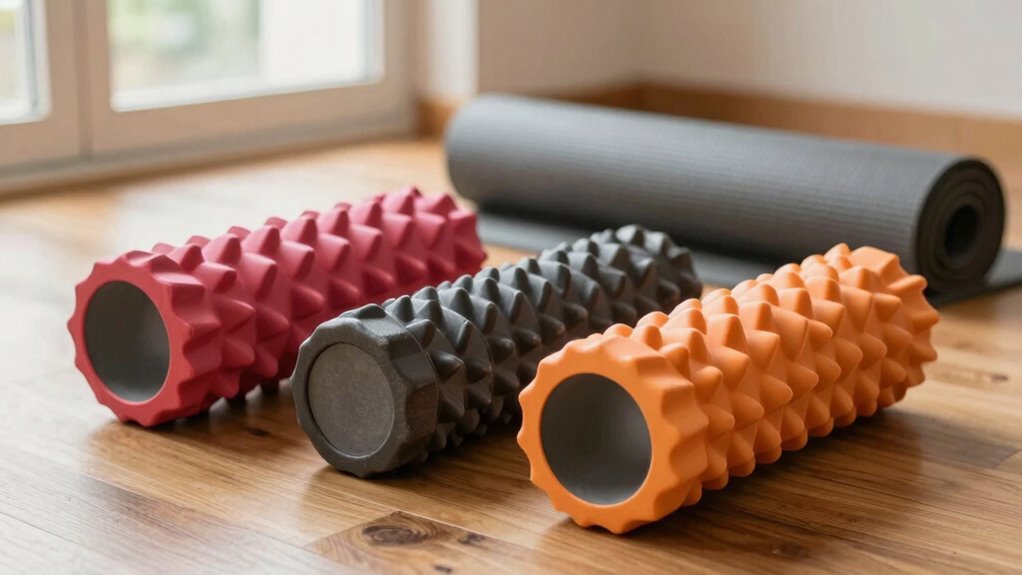
Choosing the right foam roller can make a significant difference in your recovery and performance. When selecting a foam roller, consider these three key factors:
- Roller Density: Higher density rollers provide deeper pressure, ideal for advanced users, while softer options suit beginners or those with sensitive muscles.
- Foam Material: Different materials, like EVA or polyethylene, affect durability and comfort. Choose based on your personal preference and usage frequency.
- Size and Shape: Longer rollers are great for larger muscle groups, while smaller ones target specific areas effectively.
Tips for Maximizing the Benefits of Foam Rolling
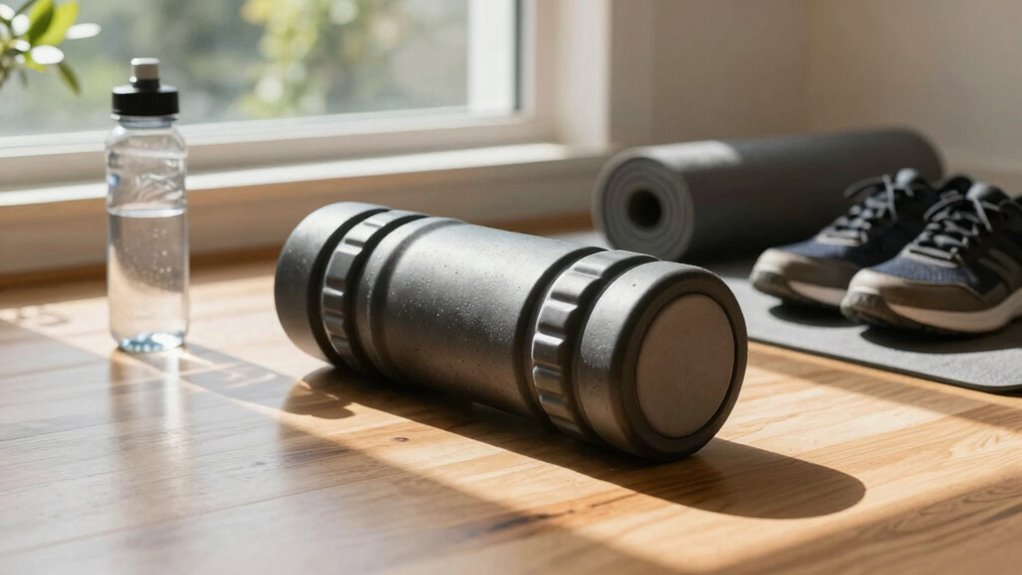
Once you’ve picked the right foam roller, it’s time to maximize its benefits for your recovery and performance. Start by incorporating various foam rolling techniques, like slow, targeted pressure on sore spots and rolling along major muscle groups. Aim for 1-2 minutes per area, adjusting pressure based on your comfort level. Consistency is key, so establish a foam rolling frequency that fits your routine—consider rolling before workouts to enhance blood flow and after sessions for recovery. Don’t forget to breathe deeply while rolling to help relax your muscles. Finally, always listen to your body; if something feels too painful, ease off. Incorporating proper recovery routines can significantly boost your HRV and overall well-being. By following these tips, you’ll enhance your flexibility, reduce muscle soreness, and improve overall performance.
Frequently Asked Questions
Can Foam Rolling Replace Traditional Stretching Techniques?
Foam rolling can’t fully replace traditional stretching techniques, but it offers unique benefits. While foam rolling helps release muscle tension and improve blood flow, it shouldn’t be your only method. You’ll find that combining foam rolling with other stretching alternatives can enhance flexibility and recovery. Incorporate both into your routine to maximize their advantages. So, don’t ditch stretching altogether—embrace the synergy between foam rolling and traditional techniques for ideal results!
How Often Should I Foam Roll for Best Results?
Imagine a sculptor chiseling away at a block of marble; that’s you, shaping your body with foam rolling. For best results, aim for foam rolling frequency of 3-4 times a week, dedicating about 10-15 minutes each session. This duration allows your muscles to recover and adapt without feeling overwhelmed. Listen to your body, though—if you’re sore, adjust as needed. Consistency is key, so keep that sculptor’s mindset alive!
Is Foam Rolling Safe for Everyone?
Yes, foam rolling is generally safe for most people, but you should keep a few precautions in mind. Pay attention to your body and avoid rolling over painful areas or injuries. If you have certain medical conditions, like severe osteoporosis or recent surgeries, consult a healthcare professional before starting. The foam rolling benefits include improved circulation and muscle recovery, but ensuring proper technique and listening to your body is key for safety.
Can Foam Rolling Help With Muscle Soreness?
Yes, foam rolling can help with muscle soreness. By applying pressure to your muscles, you promote blood flow, which enhances recovery benefits. This process helps break down knots and tension, leading to soreness reduction. Incorporating foam rolling into your routine, especially after workouts, can make a noticeable difference in how your muscles feel. You’ll likely find that regular use not only eases discomfort but also improves your overall mobility and performance.
What Should I Do if Foam Rolling Causes Pain?
If foam rolling causes pain, stop using it immediately. Pain management is essential, so listen to your body. You can try foam roller alternatives like massage balls, stretching, or even gentle yoga to relieve tension. It’s important to find what works for you without discomfort. Consider consulting a professional for personalized advice. Remember, your well-being comes first, so don’t push through the pain; explore other options that feel better.
Conclusion
Incorporating foam rolling into your routine can be a game changer for your recovery and flexibility, helping you glide through your workouts with ease. While it’s not a magic cure-all, it certainly offers a gentle nudge in the right direction for injury prevention and muscle relief. By choosing the right roller and practicing effectively, you’ll reveal its full potential. So, roll with it, and enjoy the ride to a healthier, more flexible you!
Fall Picks
fall essentials
As an affiliate, we earn on qualifying purchases.