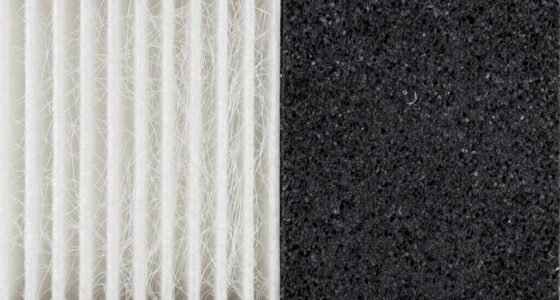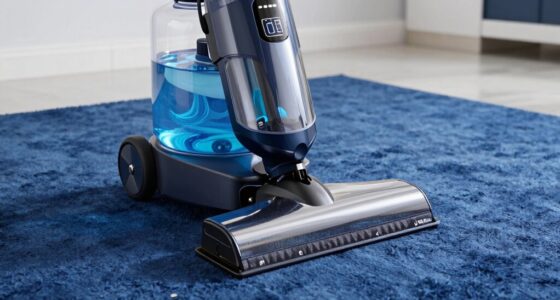

A whole house water filter system has multiple stages to improve water quality and protect your plumbing. It begins with sediment removal, catching dirt and large particles to prevent clogs. Next, activated carbon filters improve taste by removing chemicals like chlorine and VOCs. The system then balances pH levels and may add minerals for better taste and reduced pipe corrosion. Advanced methods like reverse osmosis or UV sterilization guarantee your water is safe from microbes. Keep exploring to learn how each stage works together for cleaner water.

Get the little things that make your day delivered free with Prime
- Fast, free delivery on millions of items
- Prime Video, Amazon Music and more included
- Member-only deals all year
Key Takeaways
- Sediment filters remove dirt, rust, and large particles, protecting downstream filters and plumbing.
- Activated carbon filters improve taste, odor, and remove chemicals like chlorine and VOCs.
- pH balancing stages adjust water chemistry to prevent corrosion and mineral buildup.
- Advanced methods like reverse osmosis and UV sterilization eliminate microscopic contaminants and bacteria.
- Additional features target specific pollutants and ensure long-term water purity and safety.
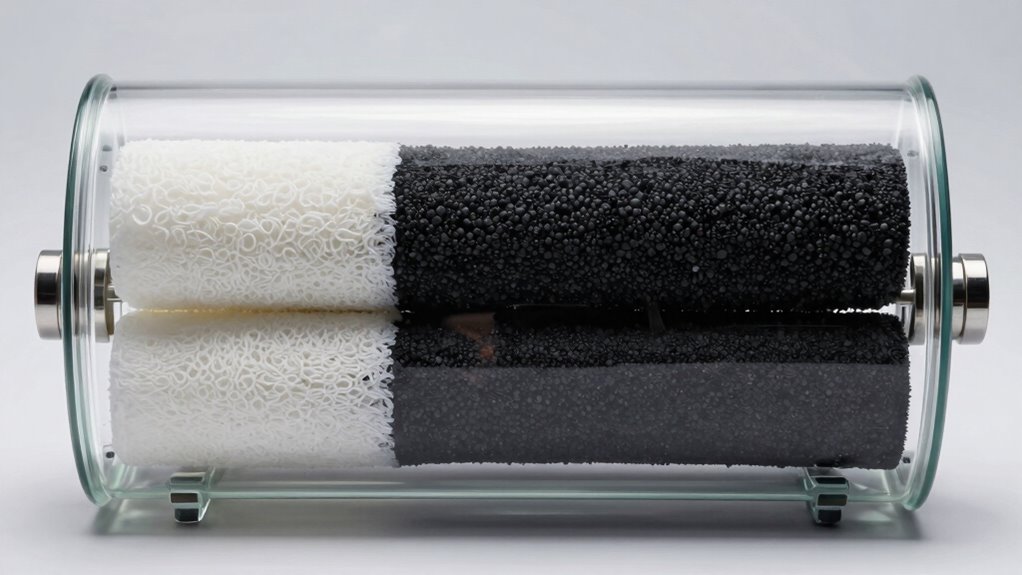
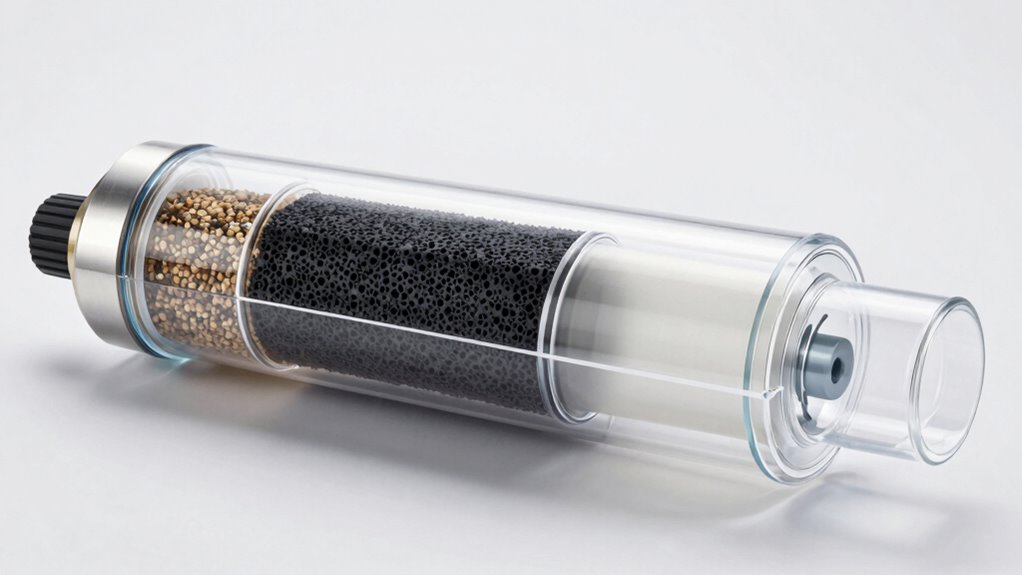
A whole house water filter typically involves multiple stages designed to remove contaminants and improve water quality throughout your home. As water enters your filtration system, the first stage often focuses on sediment removal. Here, a sediment filter captures dirt, rust, sand, and other large particles, preventing them from clogging subsequent filters and damaging plumbing fixtures. This initial step is essential because it sets the foundation for more refined filtration, ensuring that finer contaminants don’t interfere with the later stages.
Next, water passes through activated carbon filters, which are critical for improving taste, odor, and chemical removal. These filters absorb substances like chlorine, chloramine, volatile organic compounds (VOCs), and other chemicals that can affect water quality and safety. By reducing these contaminants, you enjoy cleaner, better-tasting water throughout your home. Additionally, some carbon filters are designed for microbial control, curbing bacteria and other microorganisms that could proliferate if left unchecked. While activated carbon isn’t a complete sterilization method, it greatly minimizes microbial growth potential, especially when combined with other filtration stages.
A key component in many systems is pH balancing. After the initial physical and chemical filtration, some stages include a pH adjustment process. Water can become too acidic or alkaline, which might corrode plumbing or affect appliance longevity. pH balancing stages typically involve adding minerals or employing specific filters to bring the water to a neutral or desired pH level. This process is important because water chemistry directly influences both the longevity of plumbing and the taste of water. It also ensures that water feels more natural and comfortable to drink. Incorporating filtration stages that target specific contaminants can optimize overall water quality and help prevent issues like pipe corrosion or mineral buildup. Moreover, understanding the different filtration methods helps in selecting the most suitable system for your needs. Additionally, selecting the appropriate filtration materials can also reduce bacterial growth within the system, maintaining water purity over time.
Further down the line, some systems incorporate advanced filtration such as reverse osmosis or UV sterilization. Reverse osmosis membranes push water through a semi-permeable membrane, removing microscopic contaminants, heavy metals, and even some bacteria. UV sterilization uses ultraviolet light to deactivate bacteria, viruses, and other microorganisms, providing an extra layer of microbial control, especially in areas where water safety is a concern. These stages are often the final step before water reaches your taps, guaranteeing that it’s as clean and safe as possible. Incorporating biodiversity considerations into your water treatment can also promote a healthier environment overall.
whole house sediment water filter
As an affiliate, we earn on qualifying purchases.
As an affiliate, we earn on qualifying purchases.
Frequently Asked Questions
How Often Should I Replace Each Filter Stage?
You should replace each filter stage based on its filtration efficiency and maintenance requirements. Typically, pre-filters need changing every 3 to 6 months, while carbon filters last around 6 to 12 months. Sediment filters may last longer, up to a year. Regularly check for signs of clogging or decreased flow, and follow manufacturer guidelines to guarantee maximum filtration effectiveness and maintain your system’s performance.
Can I Install the Filter System Myself?
Yes, you can install the filter system yourself with DIY installation, but it depends on your plumbing skills and comfort level. Carefully follow the manufacturer’s instructions and make sure you have the right tools. If you’re unsure or encounter complex plumbing issues, it’s best to seek professional assistance. Hiring a professional guarantees proper installation, prevents leaks, and ensures your whole house water filter works efficiently from the start.
What Is the Lifespan of a Whole House Water Filter?
They say, “you get what you pay for,” and the lifespan of your whole house water filter depends on your water quality and filter maintenance. Typically, filters last 6 to 12 months, but this varies with water conditions and usage. Regularly checking and replacing filters guarantees peak performance, keeps your water clean, and extends your filter’s life. Stay attentive to your system, and your water will stay fresh longer.
Does a Multi-Stage Filter Remove All Contaminants?
A multi-stage filter considerably improves filter efficiency and can remove many contaminant types, but it might not eliminate all contaminants. Depending on the stages involved, it can target sediments, chlorine, heavy metals, bacteria, and chemicals. However, some very small or specific contaminants, like certain viruses or pesticides, may require additional or specialized treatment. Always check the filter’s specifications to guarantee it meets your specific water quality needs.
How Much Does a Whole House Water Filter Cost?
A whole house water filter typically costs between $1,000 and $5,000, depending on its size, features, and filtration stages. You should consider your water quality needs and plan for regular filter maintenance to keep it working efficiently. Higher-quality systems with advanced filtration may have a higher initial price but can save you money in the long run by providing cleaner water and reducing maintenance costs.
activated carbon water filter system
As an affiliate, we earn on qualifying purchases.
As an affiliate, we earn on qualifying purchases.
Conclusion
Think of your whole house water filter as a mighty fortress, each stage a vigilant guard protecting your home’s water. From the initial barrier to the final polish, each layer works tirelessly like a team of defenders, ensuring only pure, clean water flows to every tap. With this fortress in place, you can trust that your water is safe and invigorating, ready to serve as the life-giving stream that sustains your household and nourishes your well-being.
As an affiliate, we earn on qualifying purchases.
reverse osmosis water filtration system
As an affiliate, we earn on qualifying purchases.
As an affiliate, we earn on qualifying purchases.
Fall Picks
fall essentials
As an affiliate, we earn on qualifying purchases.