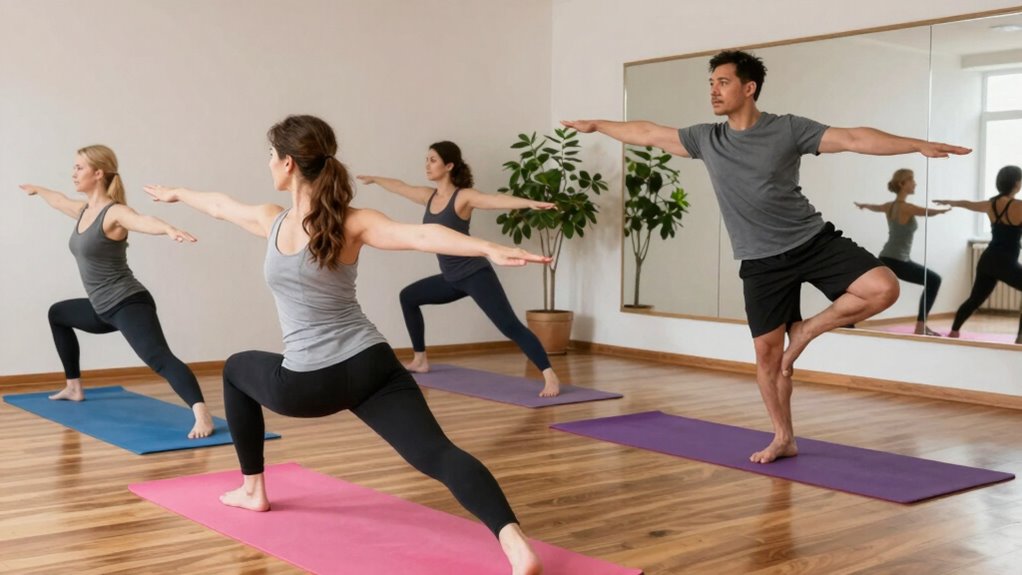

Hip mobility’s essential for staying active and preventing injuries. If you sit for long periods, your hips can stiffen and weaken, which leads to muscle imbalances. To improve flexibility, try daily dynamic stretches, take breaks to move, and incorporate foam rolling. Regular practice strengthens muscles and enhances coordination. By adopting better habits and keeping your hips mobile, you’ll feel more balanced and capable. There’s so much more you can do to optimize your hip health.

Get the little things that make your day delivered free — and shop member deals
- Fast, free delivery on millions of items
- Access to Prime Big Deal Days deals on October 6–7
- Prime Video, Amazon Music and more included
Key Takeaways
- Prioritize dynamic stretching in the morning to enhance hip mobility and prepare for daily activities.
- Reduce sedentary behavior by taking regular breaks to stretch or walk, promoting joint flexibility.
- Incorporate foam rolling techniques to alleviate tension in the hip muscles and improve range of motion.
- Focus on maintaining proper posture to prevent strain and support natural hip alignment.
- Engage in yoga or balance exercises regularly to strengthen stabilizing muscles and enhance overall hip function.
As an affiliate, we earn on qualifying purchases.
Understanding Hip Mobility: Why It Matters for You

Hip mobility plays an essential role in your overall movement and physical performance. Understanding hip joint anatomy helps you appreciate how your hips function. The hip joint is a ball-and-socket joint, allowing for a wide range of motion. When you have good hip mobility, you can perform daily activities and athletic movements more efficiently.
Improved hip mobility benefits your posture, reduces the risk of injuries, and enhances your strength during exercises like squats or lunges. You’ll notice better coordination and balance, too. By focusing on hip mobility, you can access your body’s full potential, leading to greater agility and endurance. Remember, maintaining healthy hips is vital for an active, pain-free lifestyle. Prioritize it, and you’ll reap the rewards!
As an affiliate, we earn on qualifying purchases.
What Causes Poor Hip Mobility?
When you spend long hours sitting or engage in repetitive movements without proper stretching, it can lead to poor hip mobility. A sedentary lifestyle contributes to joint stiffness and muscular imbalances, as your hips become tight and weak. Poor posture further exacerbates these issues, forcing your hips into unnatural positions. Aging factors also play a role; as you get older, your muscles and joints lose flexibility. If you’re recovering from an injury, a lack of activity can hinder your hip mobility even more. To combat these issues, it’s essential to stay active and incorporate stretches into your routine. By understanding what causes poor hip mobility, you can take steps to improve your overall movement and health.
As an affiliate, we earn on qualifying purchases.
Daily Habits to Boost Hip Flexibility

Incorporating specific daily habits can greatly enhance your hip flexibility and overall mobility. Start your day with dynamic stretching to engage your hip muscles and prepare them for movement. Simple exercises like leg swings or walking lunges can make a significant difference. Throughout the day, try to take breaks from prolonged sitting—stand up, walk around, or do a few gentle stretches. Foam rolling is another fantastic habit; it helps release tension in your hip flexors and surrounding muscles. Spend a few minutes each day rolling out your hips, focusing on any tight spots. Connected fitness technology can assist you in tracking your progress and motivating consistent practice. Incorporating balance-focused exercises can also strengthen your stabilizer muscles, further improving hip mobility. Additionally, paying attention to proper posture throughout the day ensures that your hips are not subjected to unnecessary strain. Incorporating muscle recovery tools like home ultrasound or vibration devices can aid in muscle recovery and reduce tightness over time. By consistently integrating these habits into your routine, you’ll notice improvements in your hip flexibility and overall mobility, making everyday activities easier and more enjoyable.
As an affiliate, we earn on qualifying purchases.
Effective Stretching Techniques for Better Hip Mobility
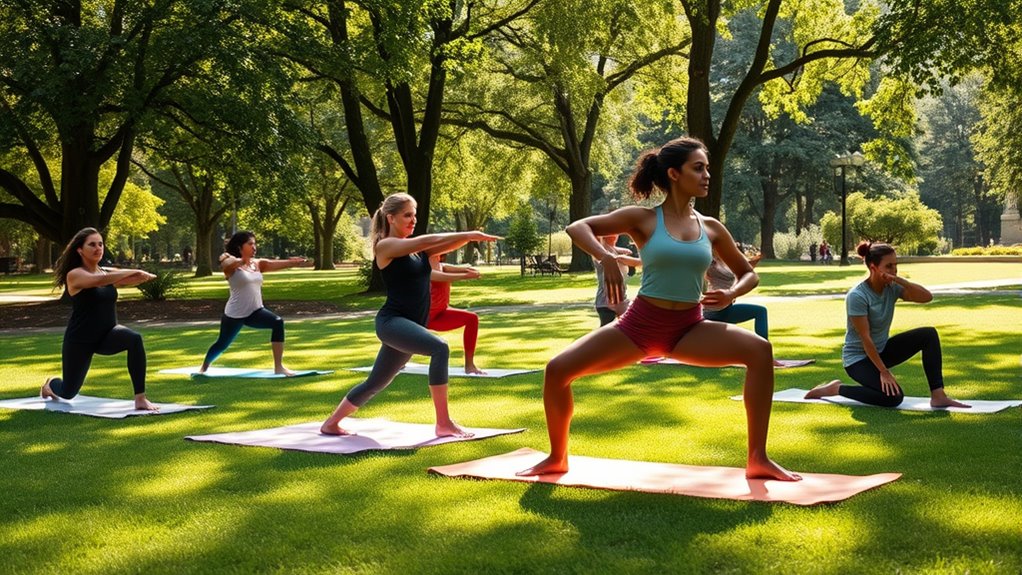
To improve your hip mobility, mastering effective stretching techniques is essential. Incorporate these practices into your routine for ideal results:
Mastering effective stretching techniques is crucial for enhancing your hip mobility and achieving optimal results.
- Dynamic Stretches: Begin with leg swings and walking lunges to warm up your hips. These movements increase blood flow and prepare your muscles for deeper stretches.
- Foam Rolling: Use a foam roller on your hip flexors, glutes, and quads. This technique releases tension in the muscles, enhancing flexibility and mobility.
- Static Stretches: After your workout, hold stretches like the pigeon pose and butterfly stretch for 30 seconds. This helps elongate the muscles and improves overall hip flexibility.
Strengthening Exercises to Enhance Hip Function

While stretching is essential for hip mobility, strengthening exercises play an equally important role in enhancing hip function. Building hip strength is key to supporting your body during functional movement, whether you’re walking, climbing stairs, or engaging in sports. Incorporate exercises like squats, lunges, and hip bridges into your routine. These movements target the glutes, quadriceps, and hamstrings, helping to stabilize your hips and improve overall performance. You can also try resistance band exercises to further challenge your hip muscles. Consistently practicing these exercises will not only boost your hip strength but also increase endurance and reduce injury risk. Remember, a strong foundation in your hips translates to better movement and improved quality of life.
Add Movement Breaks to Your Routine

Strengthening your hips is just one part of maintaining good mobility. To enhance your hip function, you need to incorporate movement breaks into your routine. These active breaks serve as movement reminders, encouraging you to step away from prolonged sitting. Here are three simple ways to add them:
- Set a Timer: Every hour, take a 5-minute break to stretch or walk around.
- Desk Exercises: Perform hip circles or standing leg lifts while working to keep your joints engaged.
- Walking Meetings: Opt for walking instead of sitting when discussing ideas with colleagues.
Check Your Hip Mobility Progress

How can you gauge your hip mobility progress effectively? Start by performing regular mobility assessments to identify your baseline and track improvements over time. Simple tests like the deep squat or the seated leg raise can reveal how far you’ve come. Make it a habit to document your results, noting any changes in flexibility or range of motion. This progress tracking not only motivates you but also helps you adjust your routine as needed. Remember, consistency is key, so aim to incorporate these assessments into your weekly schedule. By doing this, you’ll have a clear picture of your hip mobility journey and can celebrate your achievements along the way. Stay committed, and you’ll continue to see positive changes!
Tips to Maintain Hip Mobility Long-Term

Tracking your hip mobility progress is just the beginning; maintaining that mobility over the long haul is where the real challenge lies. To keep your hips flexible and strong, consider these tips:
Maintaining hip mobility requires commitment; embrace lifestyle changes and consistent practices for lasting flexibility and strength.
- Incorporate Lifestyle Adjustments: Stand more often, take breaks from sitting, and use stairs instead of elevators. Small changes add up!
- Consistent Yoga Practices: Engage in yoga routines that focus on hip-opening poses. This not only improves flexibility but also strengthens surrounding muscles.
- Regular Stretching: Dedicate time each day to stretch your hip flexors, quadriceps, and hamstrings. Consistency is key to long-term benefits.
Frequently Asked Questions
Can Poor Hip Mobility Affect My Posture?
Yes, poor hip mobility can definitely affect your posture. When your hips aren’t aligned properly, it puts extra strain on your spine, leading to poor spinal health. You might find yourself slouching or leaning forward as your body tries to compensate for the lack of movement. This misalignment can create discomfort and long-term issues. By improving your hip mobility, you can enhance your overall posture and support your spine’s natural alignment.
Are There Specific Sports That Require Better Hip Mobility?
Absolutely, specific sports demand better hip mobility. In basketball, improved hip flexibility can enhance your performance by allowing for quicker lateral movements and more explosive jumps. Similarly, yoga emphasizes flexibility, which helps you maintain balance and prevent injuries. If you’re involved in these activities, focusing on hip mobility will not only boost your skills but also keep you more agile and resilient on the court or mat.
How Does Age Impact Hip Mobility?
As you age, your hip mobility can decline considerably; studies show that around 25% of adults over 60 experience noticeable mobility challenges. Aging factors like decreased muscle mass and joint stiffness contribute to this decline. You might find it harder to perform daily activities or participate in sports. Staying active and incorporating specific mobility exercises can counteract these effects, helping maintain flexibility and overall hip function as you grow older.
Can Hip Mobility Exercises Be Done at Any Fitness Level?
Absolutely, you can do hip mobility exercises at any fitness level! Beginners can start with simple stretches and movements, gradually incorporating adaptations to suit their needs. As you progress, you can advance to more challenging techniques that enhance flexibility and strength. Remember to listen to your body and modify exercises as necessary. Consistent practice will help you improve your hip mobility, no matter where you begin.
What Are Common Signs of Tight Hips?
If your hips feel like a rusted hinge, you’re likely experiencing hip tightness. Common signs include discomfort during squats or lunges, reduced range of motion, and a nagging ache when sitting for long periods. You might notice increased stiffness after workouts or when waking up. Performing mobility tests, like the seated straddle stretch, can help you gauge your flexibility and pinpoint areas needing attention. Don’t ignore these signals; your body’s trying to tell you something!
Conclusion
Improving your hip mobility isn’t just about flexibility; it’s about enhancing your overall movement and well-being. By understanding the causes of stiffness, incorporating effective stretches, and strengthening your hips, you’re setting yourself up for success. Embrace movement breaks, track your progress, and commit to long-term maintenance. With consistent effort, you’ll sit less, move better, and live a more active life. So, take charge of your hips today, and enjoy the freedom of better mobility tomorrow!
Fall Picks
fall essentials
As an affiliate, we earn on qualifying purchases.