Mobility and flexibility aren’t the same, though they’re interconnected. Flexibility refers to your muscles and joints’ range of motion, while mobility combines that with strength and control to allow freedom of movement. Improved mobility enhances your athletic performance, helping you run, jump, and change directions efficiently. Flexibility plays a role in injury prevention by increasing muscle elasticity. Understanding these differences can elevate your training. Keep going to discover more about maximizing your performance and staying injury-free!
Key Takeaways
- Flexibility refers to the range of motion in muscles and joints, while mobility includes strength and control for movement.
- Improved flexibility involves static stretching, whereas mobility is enhanced through dynamic movements.
- Flexibility alone doesn’t guarantee better mobility; strength and control are essential components.
- Joint restrictions can affect movement quality, making flexibility and mobility distinct yet interconnected.
- Understanding the difference aids in designing effective training programs for athletic performance and injury prevention.

Prescriptive Stretching
Description|Table of Contents|Author|Excerpts|Sample Content|Quotes|Back pain|Neck stiffness|Headaches|Shoulder soreness|Tennis or golfers elbow|Runners knee
As an affiliate, we earn on qualifying purchases.
As an affiliate, we earn on qualifying purchases.
What’s the Real Difference Between Mobility and Flexibility?
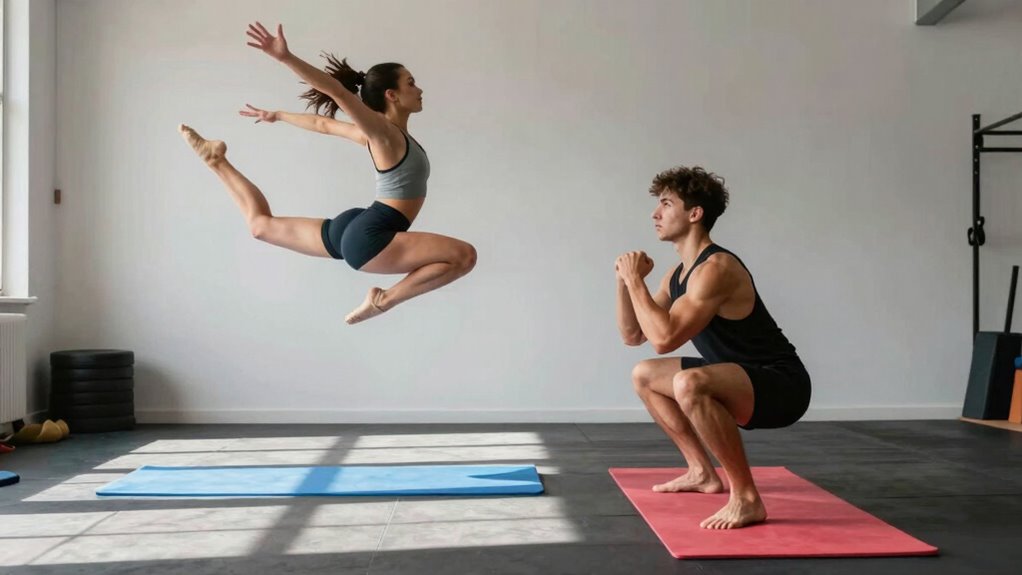
While many people use the terms “mobility” and “flexibility” interchangeably, they actually refer to different concepts in physical movement. Flexibility relates to the range of motion in your muscles and joints, primarily improved through static stretching. When you hold a stretch, you’re increasing your flexibility. On the other hand, mobility involves the ability to move freely and easily, combining flexibility with strength and control. This is where dynamic stretching comes into play; it prepares your muscles for movement and enhances your overall mobility. So, while flexibility focuses on the capacity of your muscles to lengthen, mobility emphasizes your ability to move through that range of motion effectively and safely. Understanding this difference can enhance your training approach.

Acozycoo Stretching Strap with 10 Loops-Yoga Strap for Physical Therapy,Home Workout,Pilate & Flexibility Training,Non Elastic Exercise Stretch Band for Hamstring,Leg Stretcher Belt,Flexibility Fascia (Blue)
10 LOOPS FOR FULL-BODY STRETCHING – This yoga stretching strap achieve deeper stretches with 10 reinforced loops and…
As an affiliate, we earn on qualifying purchases.
As an affiliate, we earn on qualifying purchases.
How Mobility Enhances Athletic Performance

As you push your athletic limits, mobility plays an essential role in your performance. It allows for dynamic movements, enhancing your ability to run, jump, and change directions efficiently. When your joints and muscles move freely, you can generate more power and speed, which translates to better results in your sport. Improved mobility also aids in athletic recovery, enabling your body to bounce back faster after intense training sessions. Incorporating mobility exercises into your routine can also be supported by connected fitness technology, which provides real-time feedback and personalized guidance. By integrating these tools, you’ll notice increased range of motion and reduced stiffness, making it easier to perform at your best. Remember, enhancing your mobility isn’t just about flexibility; it’s about optimizing your overall athletic capabilities and ensuring you’re ready for any challenge that comes your way.

TEMI Slant Board for Calf-Stretching – Wooden Incline Wedge Stretcher for Squats, Foot & Ankle Mobility, Portable Fitness Equipment, Balance Block for Heel Stretch
👍𝗣𝗢𝗥𝗧𝗔𝗕𝗟𝗘 & 𝗟𝗜𝗚𝗛𝗧𝗪𝗘𝗜𝗚𝗛𝗧 — This calf stretcher slant board is designed for easy transport, weighing just 5 lbs….
As an affiliate, we earn on qualifying purchases.
As an affiliate, we earn on qualifying purchases.
The Role of Flexibility in Injury Prevention
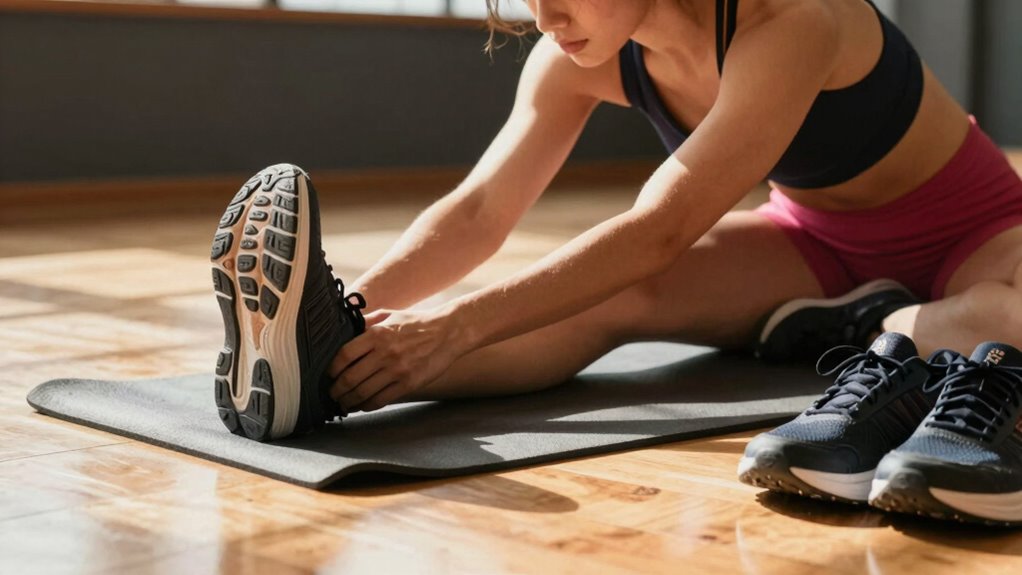
Mobility and flexibility work hand in hand to create a well-rounded athletic performance. Flexibility plays an essential role in injury prevention by enhancing muscle elasticity. When your muscles can stretch and return to their original length, they’re less likely to strain during intense activities. Tight muscles often lead to injury mechanisms like tears or sprains, especially when sudden movements occur. By incorporating flexibility training into your routine, you increase your range of motion, which helps your body adapt to various physical demands. This adaptability not only protects your muscles and joints but also promotes better overall performance. So, pay attention to your flexibility; it’s a critical component in keeping you active and injury-free.

OPTP The Original Stretch Out Strap with Exercise Book, for Flexibility and Mobility Exercises. Stretch Out Straps for Physical Therapy, Yoga Stretching Strap and Knee Therapy Strap. Made in the USA
Top Choice Stretching Strap for Physical Therapy: The OPTP Stretch Out Strap was the first stretching strap on…
As an affiliate, we earn on qualifying purchases.
As an affiliate, we earn on qualifying purchases.
How to Improve Your Mobility and Flexibility

Improving your mobility and flexibility doesn’t have to be complicated; it just requires a consistent approach. Here are some effective strategies to help you get started:
Enhancing mobility and flexibility is simple with a consistent approach and effective strategies.
- Incorporate Dynamic Stretches: Use these before workouts to warm up your muscles and joints. Think leg swings and arm circles.
- Practice Static Stretches: After your workout, hold stretches like hamstring and quadriceps stretches for 15-30 seconds to improve flexibility.
- Focus on Full Range of Motion: Include exercises like squats and lunges that encourage joint movement.
- Be Consistent: Aim for at least 10-15 minutes of stretching daily to see noticeable improvements.
Common Misconceptions About Mobility and Flexibility

While many people interchangeably use the terms mobility and flexibility, they actually refer to distinct concepts. Mobility involves the ability to move freely and easily through a range of motion, while flexibility focuses on the lengthening of muscles and tendons. One common mobility myth is that increasing flexibility automatically improves mobility; however, this isn’t always true. You might be flexible but still struggle with movement patterns due to joint restrictions. Similarly, a flexibility misconception is that it’s only about stretching; in reality, it also requires strength and control. Understanding these differences is essential for your training. By recognizing these misconceptions, you can better tailor your workouts to enhance both mobility and flexibility effectively.
Frequently Asked Questions
Can Mobility and Flexibility Training Be Done Together?
Yes, you can absolutely do mobility and flexibility training together! Combining both offers amazing benefits; mobility helps improve your range of motion and stability, while flexibility enhances your muscle elasticity. By integrating these practices into your routine, you’ll experience greater overall movement efficiency and reduce injury risks. So, don’t hesitate to blend mobility drills with flexibility stretches for a well-rounded approach to your fitness goals. Your body will thank you!
What Tools Can Help Improve Mobility and Flexibility?
Using tools like foam rollers and incorporating dynamic stretches can greatly boost your mobility and flexibility. Imagine you’re a runner preparing for a race; rolling out your muscles with a foam roller before your warm-up can release tension, while dynamic stretches like leg swings get your body ready for action. By regularly integrating these tools into your routine, you’ll notice improved performance and reduced risk of injury, making your workouts more effective and enjoyable.
How Often Should I Train Mobility and Flexibility?
You should train mobility and flexibility at least 2 to 3 times a week for ideal results. This frequency allows your body to adapt and improve over time. Remember, recovery’s important too; don’t push yourself too hard on consecutive days. Incorporate active recovery days to guarantee your muscles stay fresh and responsive. Balancing training and recovery will help you achieve better overall movement quality and prevent injuries.
Are There Specific Exercises for Both Mobility and Flexibility?
Think of dynamic stretches as your body’s warm-up parade, getting everything moving like a well-oiled machine. Exercises like leg swings and arm circles boost your mobility. On the other hand, static stretches, such as the classic hamstring stretch or butterfly stretch, help improve your flexibility. Incorporate both types into your routine, and you’ll feel as agile as a gymnast in no time!
Is One More Important Than the Other for Athletes?
Both mobility and flexibility are essential for athletes, but mobility often takes the lead. You need mobility benefits to enhance your joint range of motion and improve overall movement efficiency. While flexibility is important for preventing injuries and enhancing performance, it’s mobility that allows you to execute complex movements effectively. Prioritize mobility in your training, and then incorporate flexibility work to guarantee you’re performing at your best and reducing the risk of injury.
Conclusion
In the end, understanding the distinction between mobility and flexibility isn’t just a matter of semantics; it’s the key to releasing your full athletic potential. By enhancing your mobility and incorporating flexibility training, you pave the way for improved performance and reduced risk of injury. So, don’t let confusion hold you back—embrace both elements as essential components of your fitness journey. After all, in the world of movement, it’s not just about how far you can stretch, but how effectively you can move.