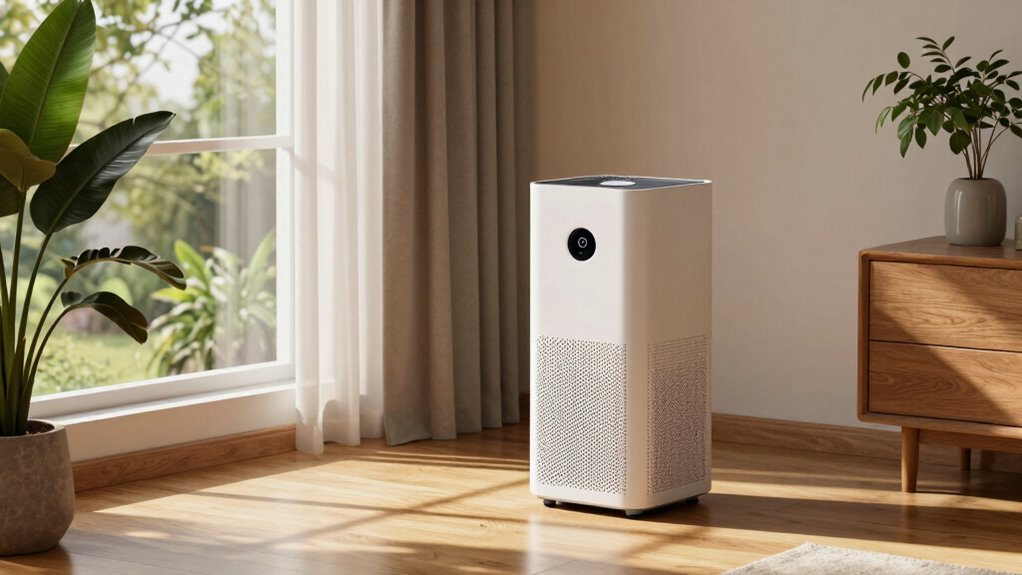
To maximize your air purifier’s effectiveness, place it in high-traffic areas with at least 12 inches of space from walls. Avoid corners and enclosed spaces, and position it near pollution sources for ideal capture. The size of the room matters too, as purifiers vary by capacity, so choose one based on your room’s dimensions. Remember to adjust its placement seasonally for the best results. If you want to discover more placement tips, keep going.
Key Takeaways
- Position air purifiers in high-traffic areas like living rooms and bedrooms for optimal air circulation and allergen reduction.
- Maintain at least 12 inches of clearance around the purifier to ensure maximum airflow and efficiency.
- Avoid placing purifiers in corners or enclosed spaces, as this can significantly hinder their effectiveness.
- Choose a purifier based on its CADR rating to match the room size for ideal air quality.
- Adjust purifier placement seasonally to target specific allergens, such as moving it closer to windows during spring and fall.

GoveeLife Mini Air Purifier for Bedroom, Smart Filter Air Purifier with App Alexa Control for Pet Hair, Odors, Pollen, HEPA Portable Air Cleaner with 3 Speeds, 2 Modes, Timer, Aroma for Home
App & Voice Control: Connect your smart air purifier to App for features such as power on/off, custom/sleep…
As an affiliate, we earn on qualifying purchases.
As an affiliate, we earn on qualifying purchases.
How to Maximize Air Purifier Effectiveness
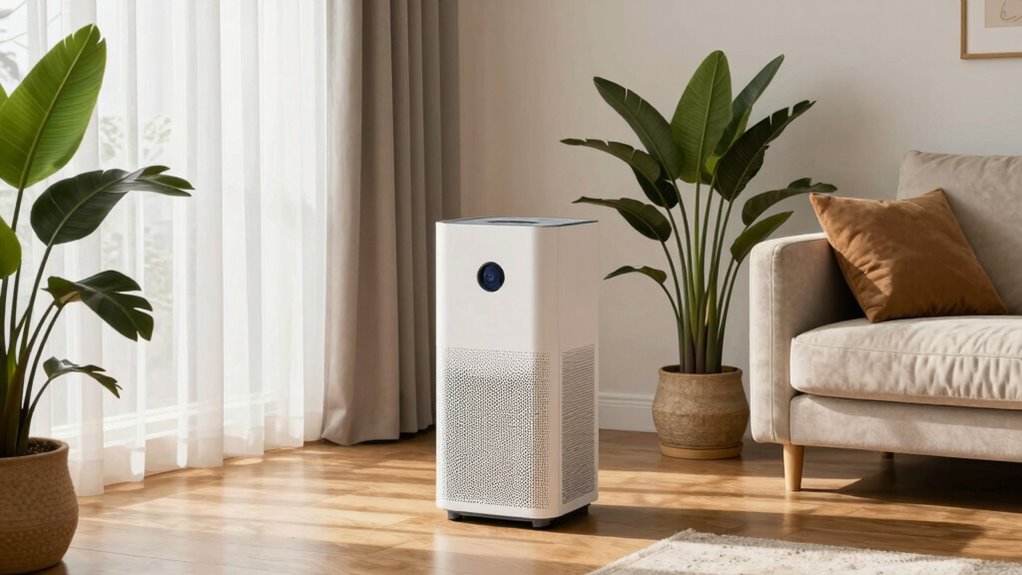
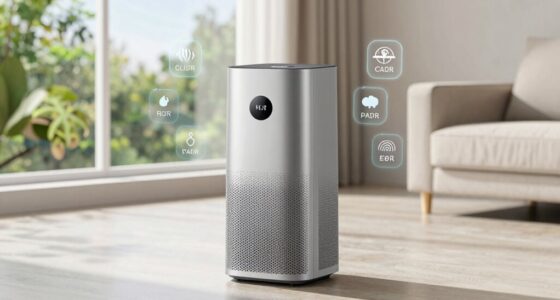
To maximize your air purifier’s effectiveness, you should consider its placement carefully. Place it in high-traffic areas, like your living room or bedroom, where it can filter the most air. Make sure there’s enough space around the unit—don’t block vents or place it near walls. This helps enhance air circulation, boosting your air quality. Avoid corners or enclosed spaces that can limit airflow.
Consider positioning it near sources of pollution, such as pet areas or kitchens, to capture harmful particles effectively. You’ll reap significant health benefits by maintaining clean air in your home. Regularly check filters and replace them as needed to maintain peak performance. By being strategic with placement, you’re actively improving your indoor environment.

LEVOIT Air Purifiers for Home Large Room Up to 1875 Ft² with Washable Pre-Filter, AHAM VERIFIDE, Air Quality Monitor, HEPA Sleep Mode for Allergies, Pet Hair in Bedroom, Vital 200S-P, White
𝐖𝐇𝐘 𝐂𝐇𝐎𝐎𝐒𝐄 𝐀𝐇𝐀𝐌 𝐕𝐄𝐑𝐈𝐅𝐈𝐃𝐄 𝐏𝐑𝐎𝐃𝐔𝐂𝐓𝐒: AHAM (Association of Home Appliance Manufacturers) is an ANSI-accredited organization that sets strict…
As an affiliate, we earn on qualifying purchases.
As an affiliate, we earn on qualifying purchases.
Common Misconceptions About Air Purifier Placement
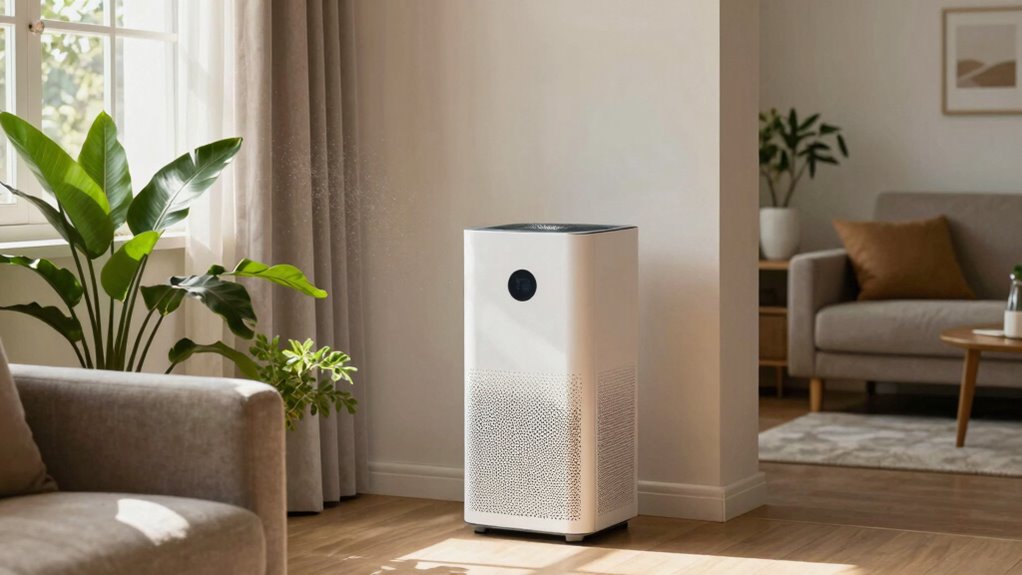
While many people believe that placing an air purifier in any corner of a room will suffice, this misconception can limit its effectiveness. One common myth is that air purifiers work well even when obstructed by furniture or walls, but airflow barriers can greatly reduce performance. You might think that just having the device running is enough, but its location matters more than you realize. Another myth is that multiple small purifiers are just as effective as one larger unit; this isn’t true if the larger unit is properly placed for ideal air circulation. To truly benefit from your air purifier, it’s essential to understand these misconceptions and position it strategically for the best results.

LEVOIT Air Purifier for Home Allergens Pet Hair in Bedroom, Covers Up to 1073 ft² by 56W High Torque Motor, AHAM VERIFIDE, 3-in-1 Filter with HEPA Sleep Mode, Remove Dust Smoke Odor, Core300-P, White
WHY CHOOSE AHAM VERIFIDE AIR PURIFIERS: AHAM (Association of Home Appliance Manufacturers) is an ANSI-accredited organization that sets…
As an affiliate, we earn on qualifying purchases.
As an affiliate, we earn on qualifying purchases.
Best Air Purifier Placement in Different Room Types
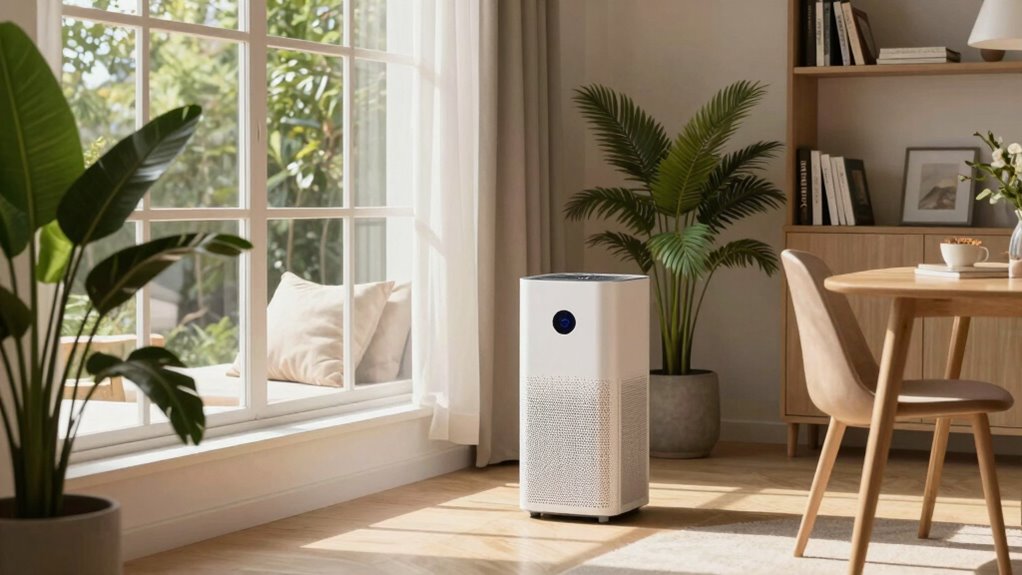
Where’s the best spot to place your air purifier in different room types? Proper placement boosts efficiency and improves air quality. Here are some top tips for various spaces:
- Living Room: Position it near the center for ideal airflow and to combat allergens.
- Bedroom Placement: Keep it on a nightstand or dresser, away from walls for better circulation while you sleep.
- Kitchen Air Quality: Place it near cooking areas to reduce odors and smoke; this helps maintain freshness.
- Office Efficiency: Set it on your desk or close to your workstation to enhance air quality while you work.
For other spaces like children’s rooms, hallways, basements, and garages, make sure the purifier has enough space to circulate air effectively.

Air Purifiers for Home with H13 Quiet HEPA Filter Up to 1076 Ft² for Pet Hair, Odors, Pollen, Smoke, Compact Air Cleaner with 3 Speeds, Timer, Aroma Quiet 360°Intake Filter, White
Effortless Operation: Simplified control panel with intuitive design makes it easy to operate. No complicated setup—just one tap,…
As an affiliate, we earn on qualifying purchases.
As an affiliate, we earn on qualifying purchases.
Why Clear Airflow Is Important
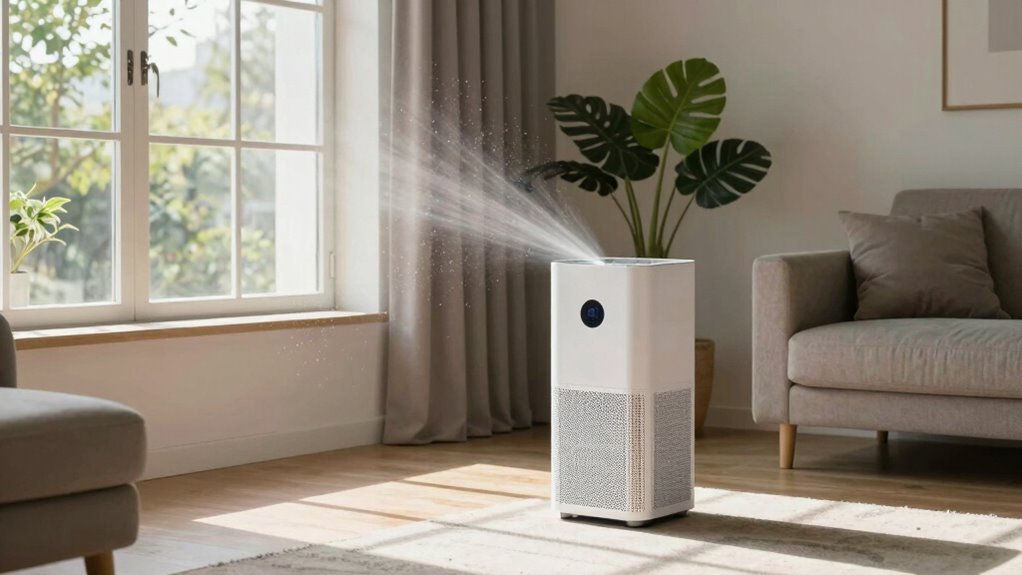
Clear airflow is vital for your air purifier to perform at its peak. When air can circulate freely around the unit, it allows the purifier to draw in more contaminants, improving your overall air quality. If you block airflow by placing the purifier too close to walls or furniture, its effectiveness diminishes. Regular filter maintenance is also important; clean or replace filters as recommended to guarantee peak performance. A clogged filter can restrict airflow, causing your purifier to work harder and potentially lead to overheating. Ensuring proper placement also helps prevent the buildup of microplastics in dust, which can affect indoor air quality. By maintaining clear airflow and taking care of your filters, you create a healthier environment, maximizing the benefits of your air purifier. Remember, a well-placed and maintained unit means cleaner air for you and your family.
How Room Size Affects Air Purifier Efficiency
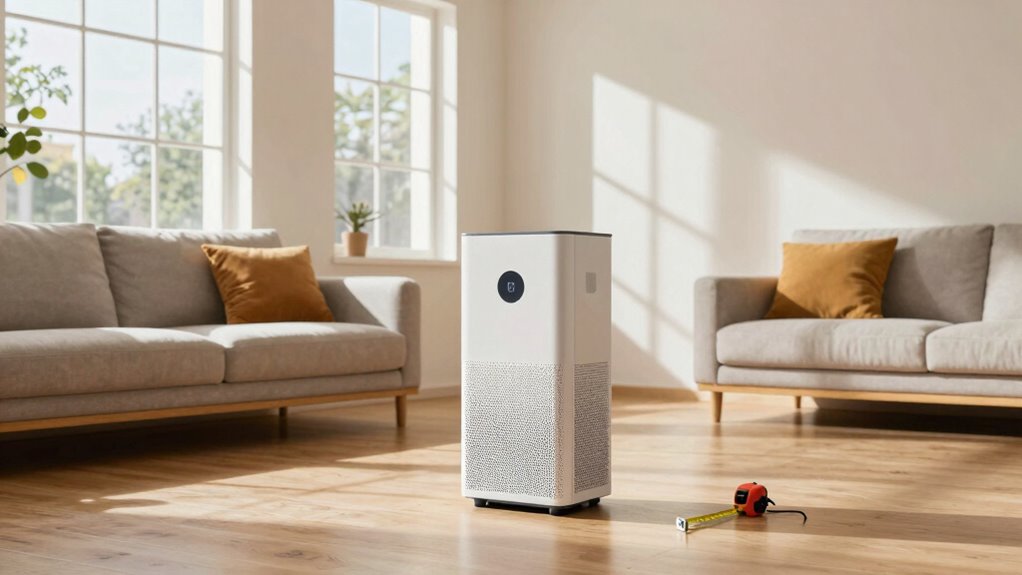
The size of your room plays a crucial role in how effectively your air purifier can clean the air. If your room dimensions exceed the purifier’s capacity, you won’t achieve ideal air quality. Here are some tips to maximize efficiency:
- Choose the right purifier: Match your air purifier’s CADR (Clean Air Delivery Rate) with your room size.
- Position it wisely: Place the purifier in the center of the room for even air circulation.
- Avoid clutter: Keep the area around the purifier clear to enhance airflow.
- Regularly monitor air quality: Use an air quality monitor to assess if your purifier is effectively improving the air.
How Air Purifier Size Affects Where You Place It
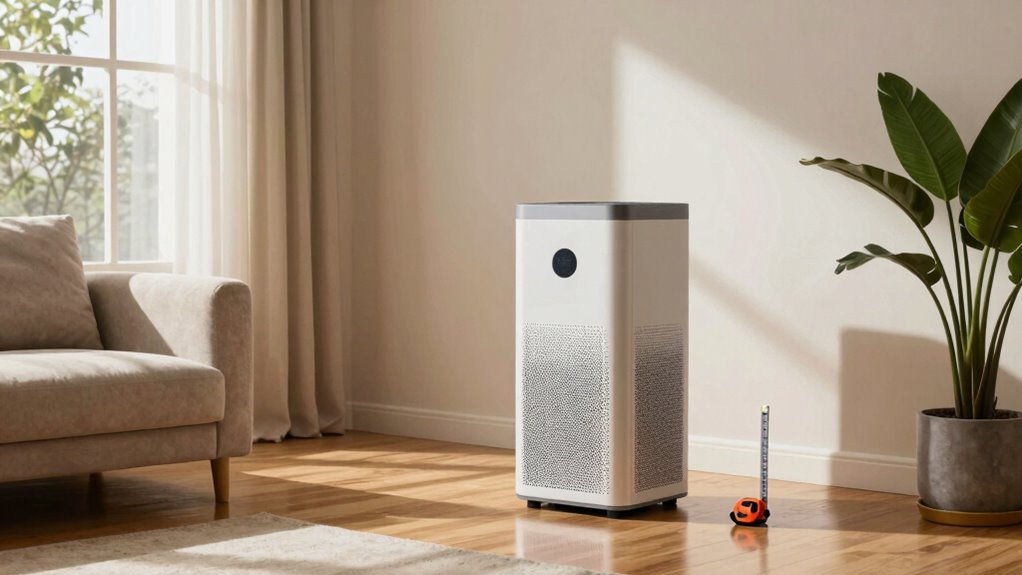
When choosing where to place your air purifier, its size plays a vital role. Larger purifiers can handle bigger rooms and need more space to circulate air effectively, while smaller units are better suited for tighter areas. Understanding airflow dynamics and matching the purifier’s capacity to your room size will help you maximize its efficiency.
Room Size Considerations
Choosing the right size air purifier for your room can greatly impact its effectiveness and placement. Understanding your room dimensions is key to guaranteeing ideal air quality. Here are some considerations for room size:
- Small Rooms (up to 200 sq. ft.): Compact purifiers are sufficient; place them near the center for even coverage.
- Medium Rooms (200-400 sq. ft.): Choose a mid-sized unit; position it away from walls to enhance airflow.
- Large Rooms (400-800 sq. ft.): Opt for larger purifiers; place them in open spaces for maximum circulation.
- Open Concepts: Use multiple smaller units or one large unit; make sure they’re strategically located for effective air quality improvement.
- Proper maintenance routines ensure your air purifier remains effective over time.
Airflow Dynamics Explained
Air purifiers rely heavily on airflow dynamics to function effectively, which makes understanding their size and placement even more essential. The size of your air purifier directly impacts its ability to manage airflow patterns throughout the room. A smaller unit may struggle to create a strong enough airflow to combat indoor turbulence, while larger models can move air more efficiently, enhancing purification. Placing your purifier in an open area allows it to draw in more air and distribute cleaner air effectively. Avoid corners or cluttered spaces where airflow might be restricted. Proper airflow management is crucial for optimal performance. Additionally, understanding room airflow patterns can help you position your purifier for maximum efficiency. By considering airflow dynamics, you can maximize your air purifier’s efficiency, ensuring you breathe cleaner air while minimizing indoor turbulence. Being aware of air circulation principles can further improve placement decisions and overall effectiveness. Proper airflow circulation ensures that purified air reaches all areas of the room effectively.
Purifier Capacity Matching
Selecting the right size air purifier is essential for effective placement and overall performance. When you match your purifier’s capacity with your room size, you’ll maximize air cleaning efficiency. Here are some tips to help you evaluate capacity:
- Room Size: Measure your room’s square footage to determine the required purifier capacity.
- CADR Ratings: Check the Clean Air Delivery Rate (CADR) for smoke, dust, and pollen; it should match your room size.
- Purifier Maintenance Tips: Regularly maintain your purifier to guarantee peak performance and longevity.
- Capacity Evaluation Methods: Use online calculators or consult specifications to verify your air purifier’s suitability for your space.
With the right size, you’ll enjoy cleaner air and enhanced comfort in your home.
Where to Place Your Purifier for Maximum Impact?
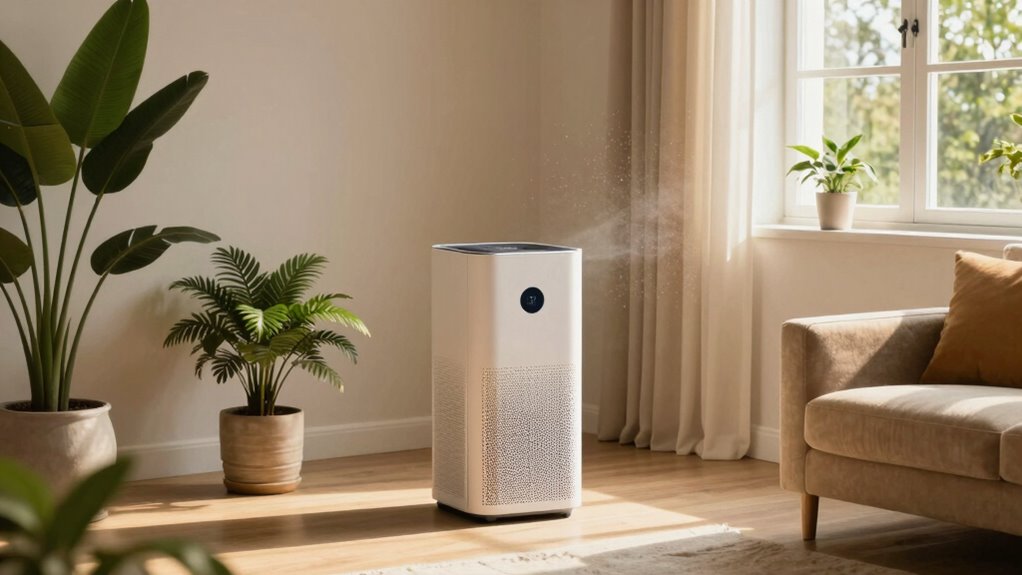
To maximize the effectiveness of your purifier, it’s essential to contemplate its placement within your space. Start by identifying ideal locations that allow for unobstructed airflow. Position the purifier near areas where air circulation is naturally high, such as near windows or doorways. Avoid corners and tight spaces, as these can hinder airflow strategies. If possible, elevate the unit to enhance air intake. Keep it away from heavy furniture or curtains that could block air movement. You might also consider placing it in frequently used rooms, ensuring it runs whenever you’re present. By strategically selecting its placement, you’ll improve air quality and enjoy the full benefits of your air purifier.
Ideal Distance From Walls and Furniture
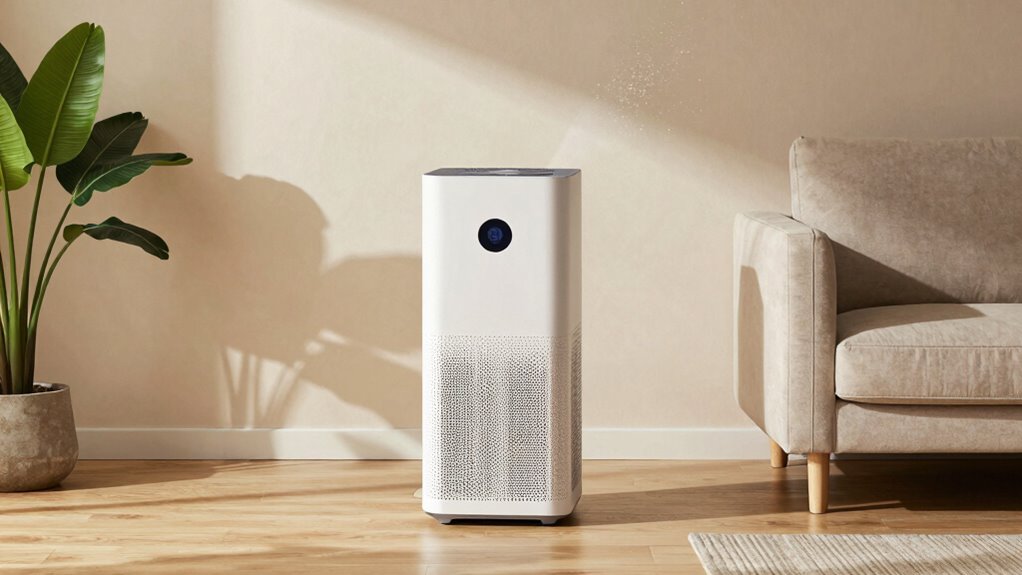
When positioning your air purifier, keeping it at the right distance from walls and furniture is essential for optimal performance. Proper spacing allows for ideal airflow, ensuring your purifier works efficiently. Here are some tips for maintaining that optimal distance:
Position your air purifier with at least 12 inches from walls for optimal airflow and efficiency.
- Leave at least 12 inches of space between the purifier and walls for maximum airflow.
- Avoid placing it behind furniture; this can obstruct air intake and output.
- Consider your furniture arrangement; keep the purifier in an open area to improve circulation.
- Test different placements; sometimes slight adjustments can make a significant difference in air quality.
When to Move Your Air Purifier for Improved Performance?
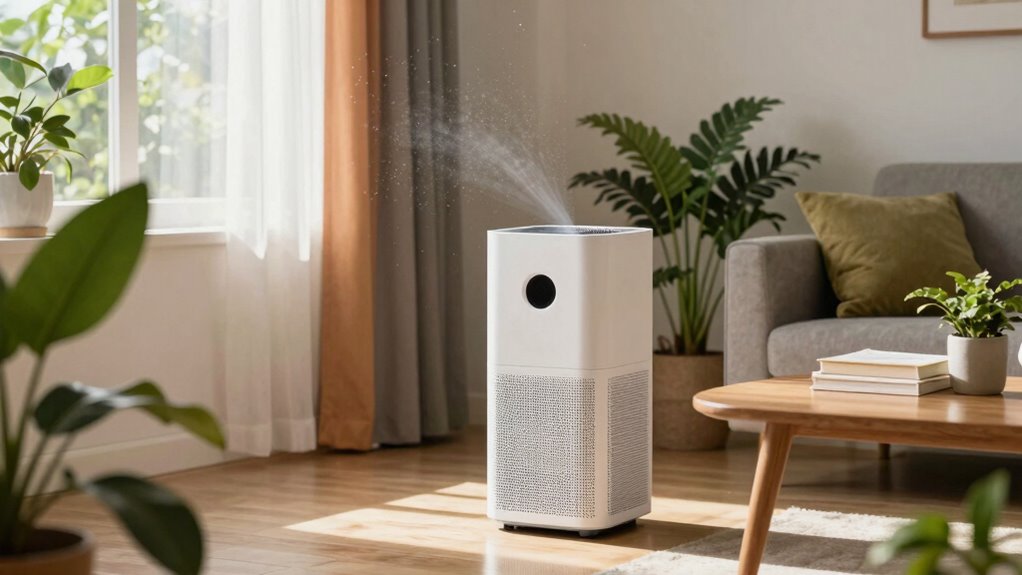
You should consider moving your air purifier if it’s in a high traffic area, as this can disrupt airflow and reduce its effectiveness. Seasonal changes can also impact air quality, so adjusting its placement during different times of the year can help maintain peak performance. Keep an eye on your environment and make changes as needed for the best results.
High Traffic Areas
While air purifiers work best in well-placed locations, moving them to high traffic areas can considerably enhance their performance. By doing this, you can improve air quality effectively, especially in spaces where people frequently gather. Here are some tips to take into account:
- Living Room: Place your purifier in the center to capture airborne pollutants from multiple angles.
- Kitchen: Position it away from cooking fumes and grease to maintain ideal efficiency.
- Hallways: Set the purifier near entryways to filter out dust and allergens brought in from outside.
- Home Office: Keep it close to your workspace for cleaner air while you focus on tasks.
- Additionally, ensure your air purifier has clean filters and proper maintenance, like regularly replacing HEPA filters, to keep it functioning at peak performance. Regularly monitoring your indoor air quality can also help determine the most effective placement for your purifier.
Seasonal Changes Impact
As seasons change, so do the types of pollutants and allergens in your home, making it essential to adjust your air purifier’s placement for ideal performance. During spring and fall, keep an eye out for seasonal allergens like pollen and mold spores. Position your purifier closer to windows and entryways to capture these particles effectively. In summer, high humidity levels can decrease air quality; place your purifier in more humid areas to tackle excess moisture and prevent mold growth. In winter, when indoor heating is in full swing, move your purifier to central areas to enhance circulation and combat dust. Regularly monitoring indoor air quality can help you determine the most effective placement and ensure your environment stays healthy. Proper air circulation is also crucial for distributing purified air evenly throughout your home. Additionally, understanding seasonal pollutant fluctuations can help you optimize your purifier’s effectiveness year-round. To further enhance air quality, consider the impact of room size on purifier performance and adjust placement accordingly. By adapting your air purifier’s location seasonally, you’ll maintain a cleaner, healthier environment year-round. A well-placed purifier can also contribute to mental well-being by reducing airborne irritants that affect comfort and sleep.
Tips for Adjusting Your Air Purifier Placement Over Time
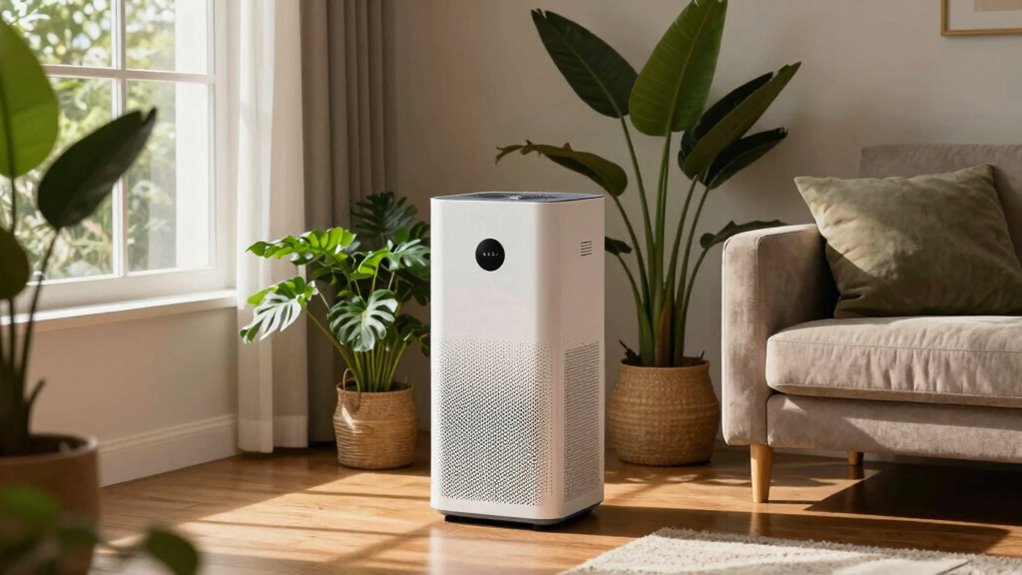
Adjusting your air purifier placement over time can greatly enhance its effectiveness in improving indoor air quality. By regularly monitoring performance, you can identify the best spots for your unit. Here are some tips to help you with adjusting placement:
- Check airflow: Verify the purifier’s not blocked by furniture or walls, allowing for ideal airflow.
- Consider room usage: Move the purifier closer to areas with higher foot traffic or where you spend the most time.
- Seasonal shifts: Adjust placement based on seasonal changes, like moving it away from drafty windows in winter.
- Test and observe: Periodically relocate the purifier and monitor its performance to find the perfect spot for your space.
Frequently Asked Questions
Can Air Purifiers Help With Odors From Pets?
Yes, air purifiers can help with pet odors. They work by filtering out airborne particles and odors, improving your home’s air quality. When you choose a purifier with a HEPA filter and activated carbon, it targets both pet dander and smells effectively. To get the best results, place the purifier in common areas where your pets spend time. Regular filter changes will guarantee it continues to tackle those unpleasant pet odors efficiently.
Do Air Purifiers Reduce Allergens in Outdoor Air?
Air purifiers mainly target indoor air quality and aren’t designed to reduce outdoor allergens directly. They filter pollutants, dust, and pet dander inside your home, improving air purification in closed spaces. However, when you bring outdoor allergens indoors, an air purifier can help minimize their impact. To keep your indoor air clean, use your purifier consistently, especially during high pollen seasons or when outdoor allergens are prevalent.
Can I Use Multiple Air Purifiers in One Room?
Yes, you can use multiple air purifiers in one room, especially if the room size is large. This can greatly improve air quality by ensuring that every corner gets adequate filtration. Just make sure to position them strategically to avoid overlapping their coverage areas. Using different types of purifiers can also target various pollutants, enhancing the overall effectiveness. It’s a smart move if you want cleaner air throughout the space!
How Often Should I Change My Air Purifier’s Filter?
Ever wonder how clean your air really is? You should change your air purifier’s filter every 3 to 6 months, depending on filter types and usage. Regular filter maintenance keeps your air purifier running efficiently and guarantees you breathe in fresh air. If you have pets or live in a dusty area, you might want to replace it more often. Keep track of your filter’s condition to maintain peak performance!
Are There Specific Air Purifier Settings for Different Pollutants?
Yes, there are specific air purifier settings for different pollutant types. For allergens like dust and pollen, use a high setting to capture particles effectively. If you’re dealing with smoke or strong odors, activate the carbon filter and select a higher fan speed for ideal settings. For general air quality, a medium setting works well. Always adjust your purifier based on the pollutants you’re facing to maintain a healthier indoor environment.
Conclusion
To get the most out of your air purifier, remember that proper placement is key. Did you know that a well-positioned purifier can reduce airborne particles by up to 99% within just 30 minutes? Keeping it away from walls and furniture guarantees ideal airflow and efficiency. As you adjust your space or the seasons change, don’t hesitate to move your purifier for better performance. A little tweaking can lead to cleaner, fresher air in your home!