Carbon monoxide (CO) is a dangerous, colorless, odorless gas that can build up unnoticed in your home from faulty appliances, vents, or nearby vehicle exhaust. Breathing in CO can cause headaches, dizziness, nausea, and in severe cases, loss of consciousness or death. To stay safe, install detectors on every level, ensure proper ventilation, and regularly maintain appliances. Staying alert and proactive helps protect your loved ones—continue to learn how to keep your home secure from CO risks.
Key Takeaways
- Carbon monoxide is a colorless, odorless gas that can cause health hazards or death if accumulated indoors.
- Common sources include gas appliances, furnaces, and vehicle exhaust, especially with poor ventilation.
- Installing and regularly testing CO detectors on every home level and near sleeping areas is essential.
- Proper ventilation and routine maintenance of appliances prevent dangerous CO buildup.
- Immediate action is crucial: evacuate, ventilate, and call emergency services if CO poisoning symptoms appear.
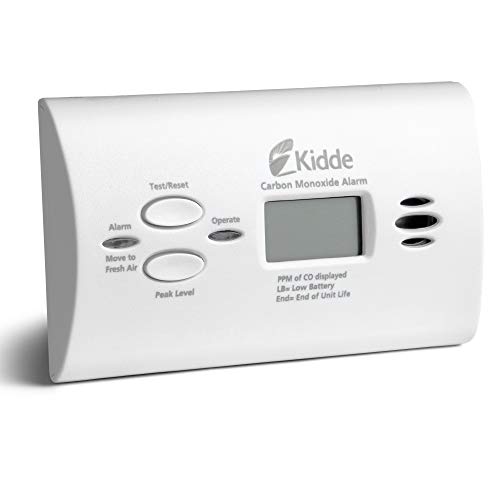
Kidde Carbon Monoxide Detector, AA Battery Powered CO Alarm with LEDs, Test-Reset Button, Low Battery Indicator, Portable
Electrochemical sensor technology detects CO gas
As an affiliate, we earn on qualifying purchases.
As an affiliate, we earn on qualifying purchases.
What Are the Risks of Carbon Monoxide and Why Is It Dangerous?

Carbon monoxide (CO) is dangerous because it’s a colorless, odorless gas that can quickly build up without you noticing. Exposure to CO poses serious health hazards, especially since it can impair your body’s ability to absorb oxygen. When CO accumulates indoors, it contaminates the air you breathe, making it a silent threat. Even low levels of prolonged exposure can cause symptoms like headaches, dizziness, and nausea, while higher concentrations can lead to loss of consciousness or death. Because you can’t detect CO by smell or taste, it’s essential to recognize the risks it presents to indoor air quality. Ensuring proper ventilation and working smoke and CO detectors are key steps in protecting yourself and your loved ones from these hidden dangers. Additionally, understanding sources like microplastics in dust can help you identify other indoor pollutants that may affect overall air quality.

Kidde Hardwired Smoke & Carbon Monoxide Detector, AA Battery Backup Smoke Alarm, Interconnectable, LED Warning Light Indicators, 2 Pack
2-IN-1 DETECTION: Alerts you to both smoke & carbon monoxide (CO) using a single, cost-effective detector.
As an affiliate, we earn on qualifying purchases.
As an affiliate, we earn on qualifying purchases.
How Does Carbon Monoxide Enter Your Home?

Have you ever wondered how carbon monoxide sneaks into your home? It mainly enters through ventilation pathways, such as chimneys, vents, and exhaust fans that aren’t properly sealed or maintained. When these pathways are open or damaged, indoor sources like gas appliances, furnaces, or vehicles running nearby can release CO into your living space. Poorly ventilated areas or blocked vents can trap the gas inside, increasing the risk. Even small leaks from appliances or exhaust systems can allow CO to seep indoors without you noticing. Being aware of indoor sources and ensuring ventilation pathways are sealed and functioning correctly helps prevent this dangerous gas from accumulating unnoticed. Proper maintenance and ventilation are key to keeping your home safe from carbon monoxide intrusion. Additionally, understanding environmental impact of household emissions can help you adopt safer and more sustainable practices.

Carbon Monoxide Detector Plug in Wall, WESHLGD Portable Carbon Monoxide Detector for Travel, 3-in-1 CO Detector for Home and Travel Camping(CO Gas Meter Temperature Humidity Sensor)
3 In 1 Carbon Monoxide Detectors – This CO Detector Equipped with 3 major air indicators of Carbon…
As an affiliate, we earn on qualifying purchases.
As an affiliate, we earn on qualifying purchases.
How to Detect and Recognize CO Poisoning Symptoms
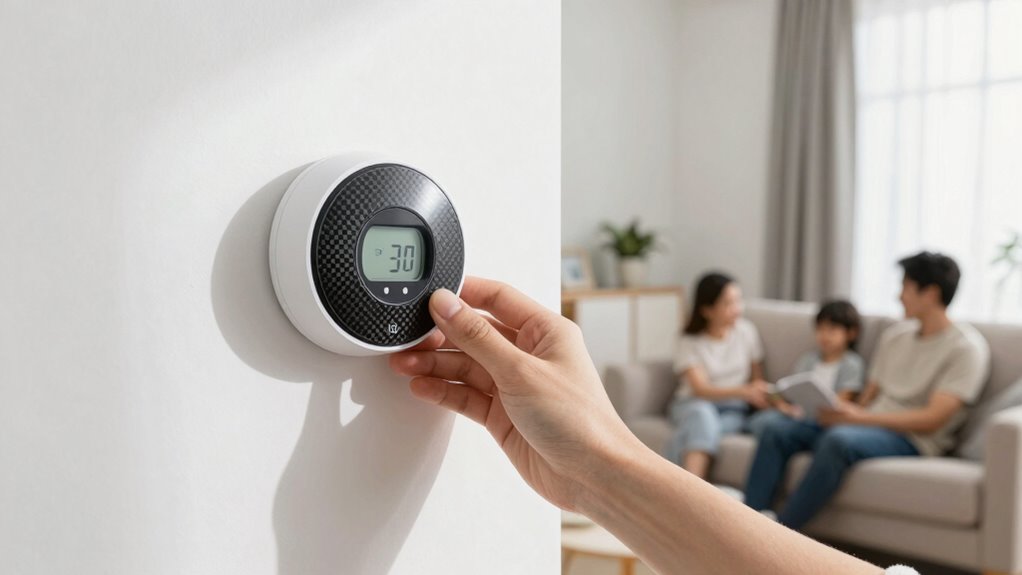
Since carbon monoxide can enter your home unnoticed through faulty vents or appliances, it’s important to recognize the symptoms of CO poisoning early. Symptom identification is key to preventing serious health issues. Watch for:
- Persistent headaches and dizziness that won’t go away
- Nausea, vomiting, or weakness that develops suddenly
- Shortness of breath, confusion, or blurred vision
If you notice these signs, act immediately. Move to fresh air and ensure everyone leaves the house. Call emergency response services right away—don’t wait, as CO poisoning can worsen quickly. Staying alert to these symptoms helps you respond swiftly, potentially saving lives and preventing long-term health effects. Recognizing early symptoms is your first line of defense against carbon monoxide danger. Proper ventilation techniques can help reduce the risk of CO buildup in your home.

3-Pack Wi-Fi Smoke Detector Carbon Monoxide Detector Combo with App Notifications, Test/Silence Button, Smart Smoke Detector & CO Alarm for Any Home, Real-Time Alert
[ WiFi Notifications ] This smart smoke and carbon monoxide detector connects to the "Smart Life " app…
As an affiliate, we earn on qualifying purchases.
As an affiliate, we earn on qualifying purchases.
Essential Devices to Keep Your Home Safe From CO
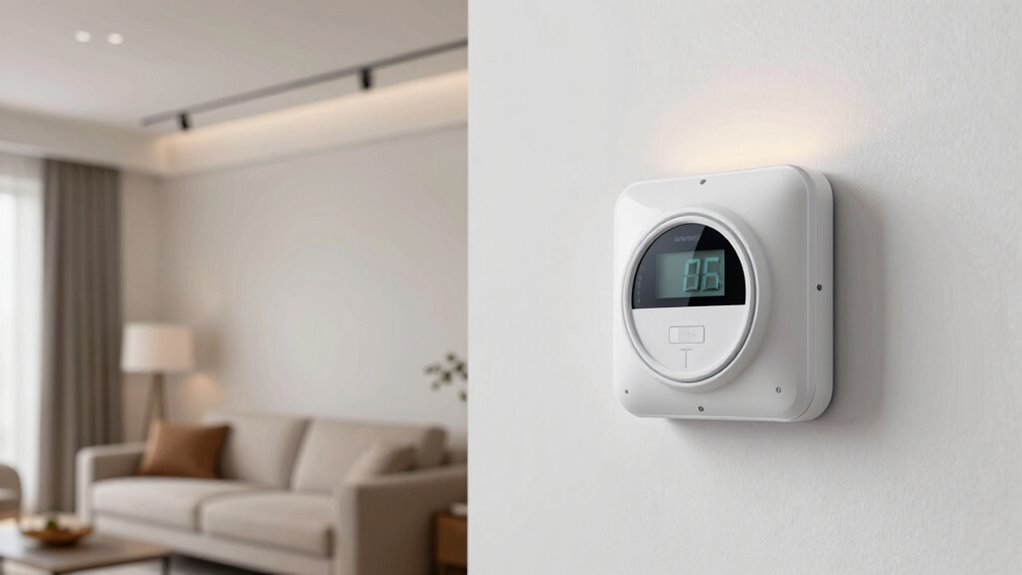
Installing carbon monoxide detectors is your first step to safety, but placement matters—make sure they’re in the right spots. You also need to check these devices regularly to guarantee they’re working properly. Keeping up with maintenance helps protect your home and loved ones from CO dangers. Regular testing ensures your detector’s sensitivity remains effective and reliable. Additionally, understanding natural ingredients in related products can promote overall safety and health in your home environment.
Carbon Monoxide Detectors
Carbon monoxide detectors are essential devices that alert you to the presence of this dangerous gas before it reaches harmful levels. To maximize their effectiveness, consider alarm sensitivity and detector placement. Proper placement guarantees early detection, especially near potential sources like furnaces, garages, or bedrooms. Imagine these key points:
- Placing detectors on each level of your home for thorough coverage.
- Positioning them at least 15 feet away from fuel-burning appliances to avoid false alarms.
- Mounting them high on the wall or ceiling, since CO is slightly lighter than air and rises.
- Regularly reviewing detector specifications to ensure your device is suitable for your home’s needs.
Adjust alarm sensitivity if needed, ensuring it’s responsive without frequent false alarms. Regularly testing your detectors and replacing batteries keeps them functioning correctly, providing peace of mind.
Proper Device Placement
Proper device placement is essential for ensuring your carbon monoxide detectors provide early warning and reliable protection. Correct detector placement guarantees that the device can sense CO leaks promptly. You should install detectors on every level of your home, especially near sleeping areas. Place detectors at least 15 feet away from fuel-burning appliances to prevent false alarms. Avoid placing them in garages, kitchens, or humid areas like bathrooms, where steam or fumes can trigger false alerts. Mount detectors on the wall about 5 feet above the floor or on the ceiling, where CO rises. Keep device placement clear of furniture, curtains, or other obstructions. Proper detector placement maximizes safety, ensuring you’re alerted to CO leaks before they become dangerous. Additionally, understanding the bucolic beauty of nearby regions can encourage homeowners to be vigilant about safety in all aspects of their environment.
Regular Maintenance Checks
Regular maintenance checks are essential to guarantee your carbon monoxide detectors function correctly and provide reliable protection. Follow a consistent maintenance schedule to ensure they respond accurately when needed. During inspections, consider your ventilation strategies to minimize CO buildup. Proper ventilation, such as using commercial kitchen equipment, can help reduce the risk of CO accumulation in your home. Here’s what to do:
- Test alarms monthly by pressing the test button to ensure they’re working.
- Replace batteries at least once a year or when low-battery alerts sound.
- Clean units regularly to remove dust and debris, ensuring sensors stay sensitive.
Inspect vents, chimneys, and exhaust fans to confirm proper airflow and prevent CO accumulation. Proper ventilation strategies, combined with regular maintenance, keep your home safe and reduce the risk of CO poisoning. Staying proactive is your best defense.
How to Prevent Carbon Monoxide Buildup in Your House
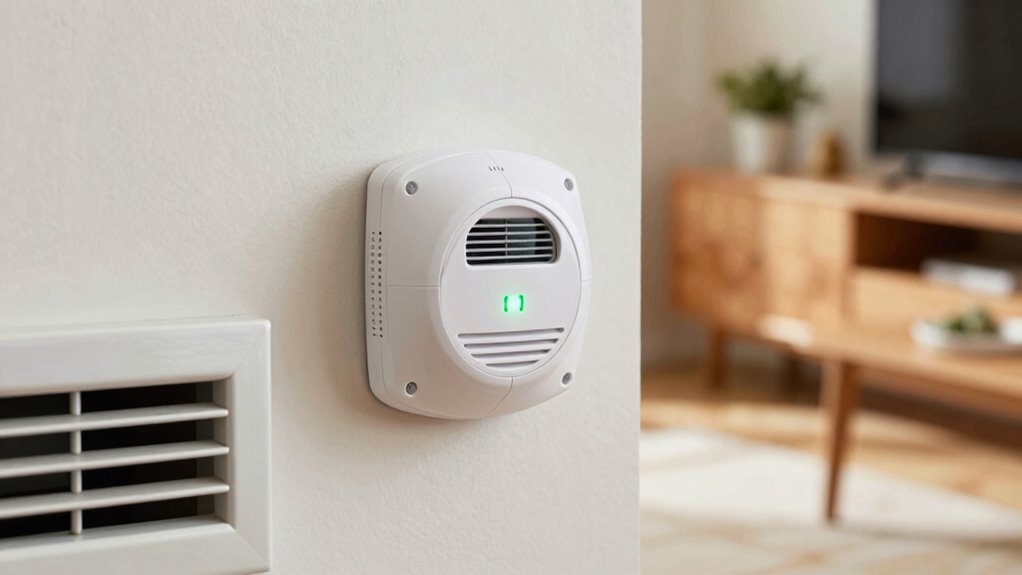
You can prevent carbon monoxide buildup by regularly maintaining your appliances to guarantee they operate safely. Make sure detectors are installed correctly and checked frequently, so you’re alerted to any leaks. Also, keep your home well-ventilated to help disperse any accumulated gases effectively. Incorporating environmental considerations into your safety routines can further reduce risks associated with indoor air quality.
Regular Appliance Maintenance
To prevent carbon monoxide buildup in your home, it is vital to keep appliances well-maintained and in good working order. Regular maintenance extends appliance lifespan and guarantees safe operation. Follow a maintenance schedule that includes:
- Checking and cleaning vents and chimneys to prevent blockages.
- Inspecting fuel-burning appliances for leaks or damage.
- Servicing heating systems annually to ensure efficient combustion.
- Monitoring for signs of natural gas leaks to promptly address potential hazards.
Install Detectors Correctly
Properly installing carbon monoxide detectors is essential for early warning and prevention of dangerous buildup. Place detectors on every level of your home, especially near sleeping areas, to ensure quick alerts. Mount them on the wall at least 12 inches from the ceiling or on the ceiling itself, avoiding areas near vents or windows. Check your electrical wiring to confirm detectors are powered correctly, especially if they’re hardwired. Regularly test each detector to ensure functionality. Remember, fire safety and electrical wiring are critical; faulty wiring can cause malfunction. Use the table below to understand placement best practices:
| Placement Tip | Reason |
|---|---|
| Near bedrooms | Alerts during sleep |
| On every level | Ensures thorough coverage |
| Away from vents or windows | Prevents false alarms |
| Mount at recommended height | Optimizes detection accuracy |
| Check wiring connections | Maintains consistent power supply |
Additionally, ensure your detectors are properly maintained and replaced according to manufacturer instructions to keep them functioning reliably.
Ensure Adequate Ventilation
Ensuring your home is well-ventilated is essential for preventing the buildup of carbon monoxide. Proper airflow optimization helps remove harmful gases and keeps indoor air fresh. To achieve this, consider these steps:
- Regularly open windows and doors to create cross-ventilation, allowing fresh air to circulate.
- Use exhaust fans in kitchens and bathrooms to vent out combustion fumes.
- Maintain and service your ventilation systems, such as HVAC units, to make sure they operate efficiently.
What to Do Immediately If You Suspect CO Is Present?

If you suspect carbon monoxide is present, act immediately to protect yourself and others. First, open windows and doors to improve indoor air quality and increase ventilation. Turn off any appliances or equipment that could be emitting CO, and evacuate everyone from the home. Do not attempt to locate or fix the source yourself. Call emergency services immediately and inform them of your suspicion. Keep everyone outside until professionals confirm it’s safe. Remember, CO is odorless and can quickly become deadly. Use the table below to understand key actions:
| Action | Reason |
|---|---|
| Evacuate immediately | Prevent exposure to harmful CO |
| Ventilate the area | Reduce indoor CO concentration |
| Call emergency services | Get professional help and advice |
| Do not re-enter | Ensure safety until the threat is gone |
How to Maintain and Test Your CO Detectors and Appliances
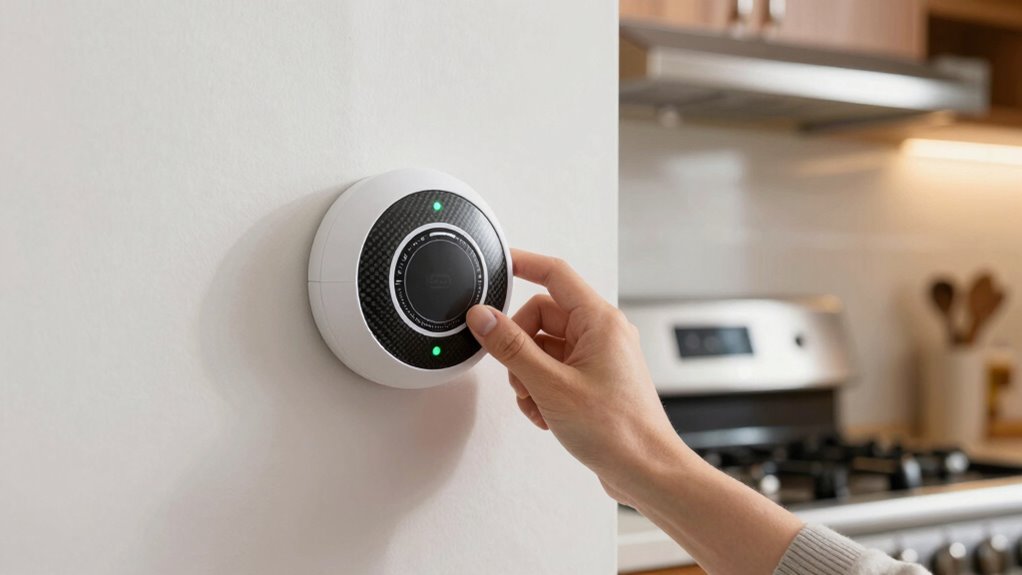
Regularly testing and maintaining your carbon monoxide detectors and appliances is essential to guarantee they function correctly when you need them most. Start by performing alarm testing monthly: press the test button until you hear the alarm, ensuring it’s loud and clear. Next, check sensor calibration annually, as sensors can drift and become less responsive; follow the manufacturer’s instructions for calibration or replacement. Finally, inspect appliances like your furnace and water heater for proper venting and signs of carbon buildup. Visualize this process:
Test alarms monthly, check sensor calibration yearly, and inspect vents and appliances for safety and reliability.
- Pressing the alarm button and hearing a sharp alert
- Removing the detector for sensor calibration or replacement
- Examining vents and appliances for blockages or leaks
These steps *assure* your detectors stay reliable and your appliances operate safely.
Learn and Prepare: Keeping Your Family Safe From CO
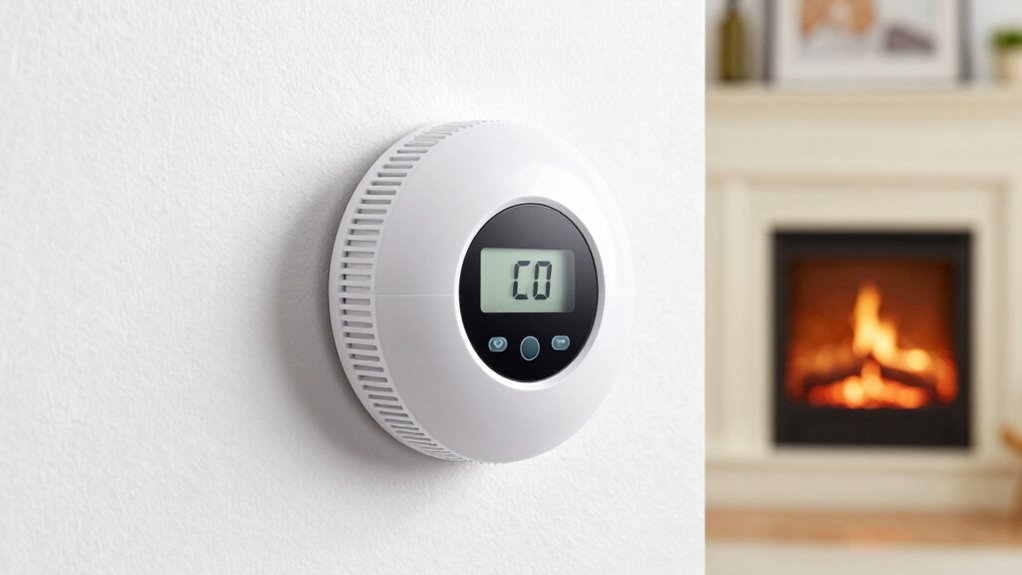
Keeping your family safe from carbon monoxide means more than just installing detectors; it requires proactive planning and awareness. You should develop an emergency preparedness plan that includes recognizing symptoms of CO poisoning and knowing how to respond quickly. Regularly review safety tips with everyone in your home, emphasizing the importance of proper ventilation and safe appliance use. Keep emergency contact numbers handy and ensure everyone understands how to evacuate if detectors go off. Maintain clear escape routes and practice drills so your family reacts calmly in a crisis. Incorporate home safety habits like never running a vehicle or generator indoors. Being prepared reduces risks and helps you respond effectively, keeping your loved ones safe from the dangers of carbon monoxide.
Frequently Asked Questions
Can Outdoor Sources of Carbon Monoxide Affect Indoor Air Quality?
Outdoor sources of carbon monoxide can affect your indoor air quality, especially if outdoor pollution levels are high. Poor ventilation strategies can allow CO to seep inside through gaps or open windows and doors. To minimize risks, make certain of good airflow, seal leaks, and use ventilation systems that filter out pollutants. Regularly monitoring outdoor air quality helps you take timely actions, keeping your home safer from harmful CO exposure.
Are There Specific Brands or Types of CO Detectors Recommended?
Like a trusted lighthouse guiding ships, choose reputable brands like Kidde or First Alert for CO detectors. You should consider detector placement—near bedrooms and on every level—and maintain alarms regularly, testing monthly and replacing batteries annually. Opt for combination smoke and carbon monoxide detectors for convenience. Investing in quality guarantees safety, so avoid cheap models that may fail. Remember, consistent alarm maintenance is your best defense against unseen danger.
How Often Should I Replace My Home’s CO Detectors?
You should replace your home’s CO detectors every 5 to 7 years, following the maintenance schedule recommended by the manufacturer. Keep an eye on the detector’s lifespan, as older units may become less reliable over time. Regularly test your detectors monthly and replace batteries annually to make sure they work properly. Staying proactive helps protect your household from carbon monoxide poisoning and maintains a safe living environment.
Do Certain Household Activities Increase the Risk of CO Buildup?
You might wonder if household activities increase CO buildup, and they can if appliances aren’t properly maintained. Using fuel-burning appliances like gas stoves or space heaters without regular servicing can lead to dangerous CO accumulation. Activities such as running your car in the garage or using unvented heaters also pose risks. To stay safe, guarantee appliance maintenance is up-to-date and never ignore warning signs of potential CO leaks.
Is Carbon Monoxide Detection Required by Local Building Codes?
Yes, local code requirements often mandate carbon monoxide detector installation in your home. You should check your area’s specific regulations to guarantee compliance, as detector installation regulations can vary. Typically, you’re required to place detectors near sleeping areas and on each floor. Installing these detectors not only keeps you compliant but also provides vital early warnings, helping you protect your family from CO poisoning.
Conclusion
Don’t wait until CO sneaks in and turns your home into a danger zone! Stay vigilant, install detectors, and know the signs of poisoning. Regular maintenance and quick action can save your family from a silent killer that lurks unnoticed. Protect your loved ones with confidence—because when it comes to carbon monoxide, a little prevention can mean the difference between safety and disaster. Stay alert, stay safe, and keep CO out of your life forever!