If you want to target dust and odors, HEPA filters are great for capturing airborne particles like pollen, pet dander, and dust mites, improving allergen levels. Carbon filters, on the other hand, absorb gases, odors, and VOCs, making them ideal for smoke or chemical smells. Using both together provides thorough air purification, addressing both particles and gases. Keep exploring to discover how combining these filters can give you cleaner, fresher indoor air.

Get the little things that make your day delivered free with Prime
- Fast, free delivery on millions of items
- Prime Video, Amazon Music and more included
- Member-only deals all year
Key Takeaways
- HEPA filters effectively remove dust, pollen, and allergens but do not significantly absorb odors or gases.
- Carbon filters are specialized for absorbing odors and VOCs, but they do not trap airborne particles like dust.
- Combining HEPA and carbon filters provides comprehensive removal of dust and odors in air purification.
- HEPA filters require regular replacement for particle filtration, while carbon filters need replacement for odor absorption.
- For best results, use HEPA for dust and allergens, and carbon filters for odors and chemical fumes.
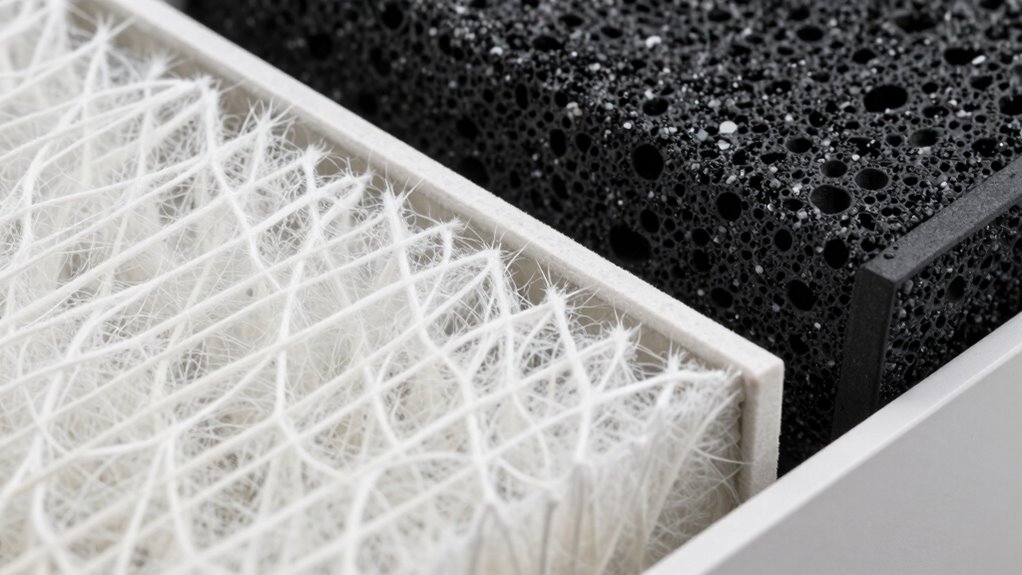
When choosing an air purifier, understanding the difference between HEPA and carbon filters is vital because each type targets specific pollutants. HEPA filters excel at capturing airborne particles like dust, pollen, pet dander, and mold spores. They use dense fiber mats that trap particles as air flows through, making them highly effective for improving indoor air quality, especially if you suffer from allergies or asthma. Carbon filters, on the other hand, are designed to absorb gases, odors, and volatile organic compounds (VOCs). They contain activated carbon, which has a porous structure that traps molecules responsible for unwanted smells and chemical fumes. Knowing these distinctions helps you select the right filtration technology based on your needs. Additionally, understanding the filtration process can help you make more informed decisions about air purification systems.
In terms of air purification technology, HEPA filters work by physically capturing particles, so they don’t release pollutants back into the air. This makes them ideal for dust and allergen removal. Carbon filters rely on adsorption, where molecules stick to the surface of the activated carbon, neutralizing odors and chemicals. If your primary concern is dust or pollen, a HEPA filter provides the best solution. If odors from cooking, pets, or smoke are your main issue, a carbon filter will be more effective. You might even find that combining both filters in a single unit offers thorough air cleaning, tackling both particles and gases simultaneously.
Taking care of your filters is vital for maintaining peak performance. Filter maintenance tips include regularly checking and replacing filters as recommended by the manufacturer. HEPA filters typically need replacement every 6 to 12 months, depending on usage and air quality. Carbon filters usually last about 3 to 6 months, especially in environments with strong odors or high pollution levels. During replacement, ensure you turn off and unplug your device, carefully remove the old filters, and install new ones according to the instructions. Regular maintenance keeps your air purifier running efficiently and prevents the growth of mold or bacteria on dirty filters.
As an affiliate, we earn on qualifying purchases.
Frequently Asked Questions
Can HEPA Filters Remove Chemical Fumes Effectively?
HEPA filters aren’t designed to remove chemical fumes effectively because they primarily target particles like dust, pollen, and pet dander. For chemical filtration and VOC reduction, you should use activated carbon filters. These filters adsorb gases and odors, making them much more effective at dealing with chemical fumes. So, if you’re concerned about chemical fumes, combine HEPA with carbon filters for all-encompassing air purification.
How Often Should Carbon Filters Be Replaced?
Think of your carbon filter as a trusty garden gate, gradually losing its strength. Typically, you should replace it every 3 to 6 months, depending on usage and air quality. Monitoring the filter’s lifespan and replacement frequency maintains your air clean and fresh. When odors or dust start slipping through, it’s a sign your filter needs replacing. Regular changes ensure your space stays fresh and safe.
Are HEPA Filters Effective Against Mold Spores?
Yes, HEPA filters are effective against mold spores because they trap particles as small as 0.3 microns, which includes mold spores. To maintain *ideal* air purifier performance, you should regularly check and replace filters according to manufacturer guidelines, ensuring filter compatibility. Proper air purifier maintenance helps prevent mold growth and keeps your indoor air clean and healthy, especially if you’re concerned about mold or allergies.
Do Carbon Filters Eliminate Smoke Odors Completely?
Carbon filters greatly reduce smoke odors, but they may not eliminate them completely, especially with persistent or heavy smoke. For effective air purification, you should use a combination of filters, like HEPA and carbon, to target both particles and odors. Keep in mind that carbon filter lifespan varies based on usage and odor intensity; replacing it regularly guarantees continuous odor removal. Proper maintenance is key to achieving ideal air quality.
Can Both Filters Be Used Together for Better Air Purification?
Yes, you can use both filters together for better air purification, but you need to evaluate filter compatibility to guarantee they work seamlessly. Combining HEPA and carbon filters targets dust, allergens, and odors more effectively. Keep in mind maintenance considerations, like replacing filters regularly to maintain efficiency and prevent airflow issues. Using both filters together provides thorough air cleaning, especially in environments with diverse pollutants.
As an affiliate, we earn on qualifying purchases.
Conclusion
Ultimately, choosing between HEPA and carbon filters depends on what you value most. HEPA filters excel at capturing dust and allergens, while carbon filters are your go-to for odors and gases. Remember, “a chain is only as strong as its weakest link,” so consider combining both for thorough air purification. By doing so, you create a healthier space, proving that sometimes, teamwork truly makes the dream work.
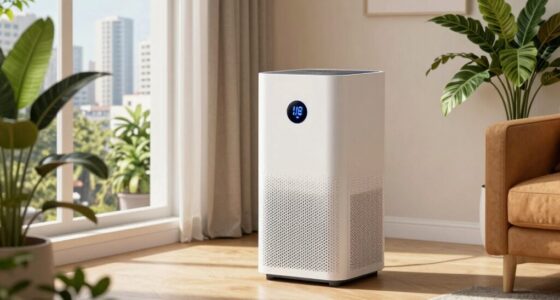
air purifier with HEPA and carbon filters
As an affiliate, we earn on qualifying purchases.
As an affiliate, we earn on qualifying purchases.
replaceable HEPA and carbon filters for air purifier
As an affiliate, we earn on qualifying purchases.
As an affiliate, we earn on qualifying purchases.
NFL season / tailgating Picks
team gear
As an affiliate, we earn on qualifying purchases.