

To assess a water quality report without panic, focus on the contaminant levels and how they compare to safety standards like the EPA limits. Understand that small deviations often aren’t critical, but higher levels may need action or specialist advice. Recognize which contaminants could impact health, especially for vulnerable groups, and consider testing conditions or fluctuations. Staying informed helps you judge the safety and decide on next steps. Keep going to gain a deeper grasp of these important details.

Get the little things that make your day delivered free — and shop member deals
- Fast, free delivery on millions of items
- Access to Prime Big Deal Days deals on October 6–7
- Prime Video, Amazon Music and more included
Key Takeaways
- Focus on contaminant levels relative to safety standards to assess if water is safe to drink.
- Recognize that small deviations are common and don’t necessarily indicate immediate danger.
- Review health warnings and potential effects to understand the importance of specific contaminants.
- Consider testing context and variability, understanding that levels may fluctuate over time.
- Consult water professionals for clarification and solutions if results appear concerning.
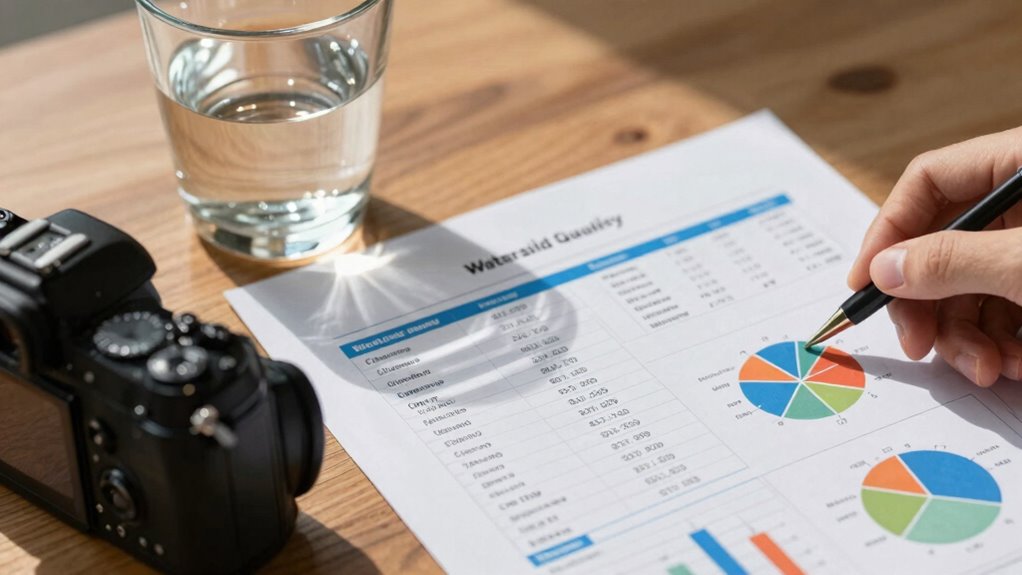
Understanding a water quality report can seem overwhelming at first, but it’s an essential step in verifying your drinking water is safe. When you receive a report, it provides a detailed snapshot of your water’s condition, including results from water testing that assess various contaminant levels. These tests measure substances like bacteria, minerals, chemicals, and other pollutants that could pose health risks. Knowing how to interpret these results helps you determine whether your water meets safety standards or if action is needed.
Understanding your water quality report is key to ensuring safe drinking water for you and your family.
Start by focusing on the contaminant levels listed in the report. Every test result should include a numerical value and a comparison to regulatory standards, often set by agencies like the EPA. If the levels are below these standards, it generally indicates your water is safe to drink. However, if any contaminant exceeds acceptable limits, that’s a clear sign you might need to contemplate treatment options or further testing. Don’t panic; sometimes, small deviations can be due to temporary issues, environmental factors, or sampling errors. The key is to understand what these numbers mean in context.
Next, pay attention to the sections that discuss potential health effects. Many reports include language about what certain contaminants can cause if they are present above safe levels. For example, elevated nitrate levels could be particularly concerning for infants, while high levels of lead might impact children’s development. Recognizing these warnings allows you to assess your risk and decide whether to take immediate steps, like using bottled water or installing a filter. Remember, the presence of a contaminant doesn’t necessarily mean your water is unsafe, but it does require careful consideration and possibly consulting with a water professional. Additionally, contaminant levels can fluctuate depending on environmental factors, so it’s useful to review multiple reports over time.
It’s also helpful to look for any notes about the water testing process itself. Water testing can vary depending on the time of year, source, or testing method, which can influence contaminant levels. Understanding the context helps you interpret the report more accurately. If anything looks alarming, don’t hesitate to contact your water utility or a qualified expert. They can clarify what the numbers mean for your specific situation and suggest appropriate solutions, such as filtration systems or source improvements. Additionally, public water system regulations guide how often and what contaminants are tested, which can affect the report’s comprehensiveness. Being aware of testing variability ensures you interpret the results with a full understanding of potential influences.
In the end, reading a water quality report isn’t about panicking over every number but gaining knowledge. By understanding contaminant levels, regulatory thresholds, and potential health effects, you empower yourself to make informed decisions about your water. Staying proactive ensures you maintain safe, clean drinking water for you and your family without unnecessary worry.
As an affiliate, we earn on qualifying purchases.
Frequently Asked Questions
What Should I Do if My Water Quality Report Shows High Contamination Levels?
If your water quality report shows high contamination levels, you should act quickly to minimize health risks. Start by contacting your local water authority for clarification and advice. Consider contamination mitigation methods like installing filters or using bottled water for drinking and cooking. Stay informed about the specific contaminants, their health risks, and recommended precautions. Taking these steps helps protect your health while addressing the contamination effectively.
How Often Are Water Quality Reports Updated and Available to the Public?
Did you know water quality reports are typically updated annually? You can access them through local water agencies or government websites. Water testing guarantees your water meets regulatory standards, which are designed to protect you. These reports give you a clear picture of your water’s safety, so you can stay informed and confident. Regular updates help you spot issues early, making sure your water remains safe and healthy for your family.
Can I Trust the Water Quality Data From My Local Utility?
You can generally trust your local utility’s water quality data, but it’s smart to stay informed about their water testing practices and reliability. Utilities are regulated and must follow strict standards, but occasional issues can occur. Regularly review their reports, ask questions if something seems off, and consider independent testing if you’re concerned. Staying proactive helps guarantee your water remains safe and clean.
What Are the Health Risks of Common Contaminants Found in Water Reports?
Common contaminants in water reports can pose health risks like waterborne diseases or long-term health issues. For example, bacteria from sewage can cause illnesses, while heavy metals like lead or arsenic, originating from pipes or natural sources, may lead to chronic health problems. Understanding contaminant sources helps you assess risks better. Always pay attention to the levels reported, and consult health guidelines to determine if your water is safe.
How Can I Improve My Home Water Quality Based on Report Findings?
You can improve your home water quality by installing effective water filtration systems tailored to the contaminants found in your report. Regular plumbing maintenance also helps prevent issues like corrosion or bacterial growth, which can compromise water quality. Check your filters frequently and replace them as needed. Additionally, inspect your plumbing for leaks or buildup, ensuring clean, safe water flows throughout your home. These steps make a noticeable difference in water purity.
As an affiliate, we earn on qualifying purchases.
Conclusion
By understanding how to read your water quality report, you can stay informed and confident about your water safety. For example, if the report shows a higher level of a certain mineral, you might decide to install a filter or contact your provider for clarification. Remember, most reports are routine and safe. Staying proactive helps you protect your health without panic—simply interpret the data, ask questions, and take appropriate action when needed.
As an affiliate, we earn on qualifying purchases.
whole house water filtration system
As an affiliate, we earn on qualifying purchases.
As an affiliate, we earn on qualifying purchases.
Halloween Picks
halloween
As an affiliate, we earn on qualifying purchases.