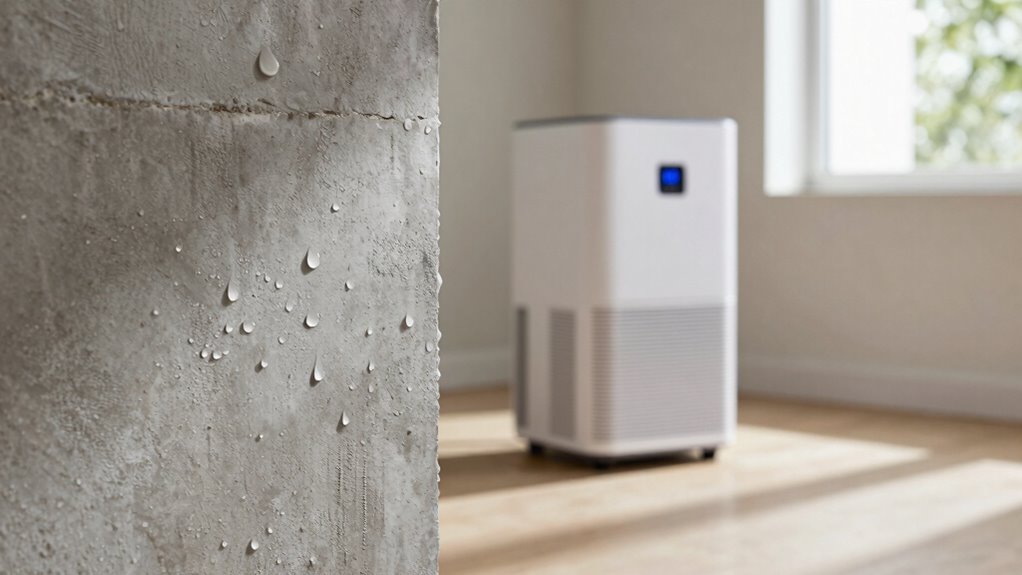

Controlling humidity in your basement is more important than you might think. High humidity can lead to mold growth, health issues, and costly property damage. You might not realize that leaks, poor drainage, or inadequate ventilation are common moisture sources. Investing in a dehumidifier and improving ventilation can greatly reduce humidity levels. Ignoring these factors may worsen the situation. To find more effective strategies and insights, let’s explore the essential details about humidity control further.
Key Takeaways
- High humidity in basements can lead to mold growth, which poses serious health risks and damages property if not controlled effectively.
- Dehumidifiers require proper placement and regular maintenance to maximize their effectiveness in reducing moisture levels.
- Poor ventilation is a common cause of humidity; installing exhaust fans and ensuring airflow can significantly improve basement conditions.
- Waterproofing the basement is crucial; it prevents water intrusion during heavy rains and protects against structural damage.
- Monitoring humidity levels with tools can help detect issues early, allowing for timely intervention and preventing costly repairs.

Dehumidifier, 95OZ Dehumidifier for Home 1000 Sq.Ft – Quiet with Auto Shut Off & Relaxing 7 Color Ambient Light,Ideal for Livingroom, Bedroom, Basement(Black)
Semiconductor dehumidifiers use thermoelectric cooling to remove moisture from the air. They create a drier, more comfortable environment…
As an affiliate, we earn on qualifying purchases.
As an affiliate, we earn on qualifying purchases.
Why You Should Care About Humidity in Your Basement
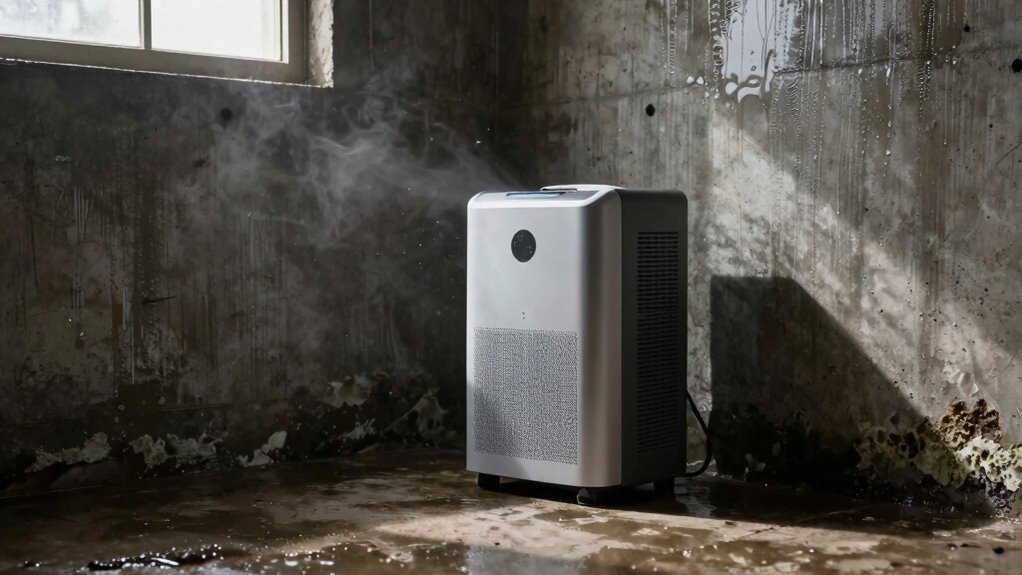
Why should you care about humidity in your basement? High humidity levels can lead to serious health risks, including mold growth and respiratory issues. Breathing in mold spores can trigger allergies and asthma attacks, making your home less safe for you and your family. Additionally, excess moisture can cause property damage over time. It can weaken your home’s structure, leading to costly repairs and reduced property value. If you’re storing belongings down there, they’re at risk of water damage, too. By keeping humidity in check, you not only protect your health but also safeguard your investment. Ignoring humidity can create a breeding ground for problems, so addressing it now will pay off in the long run.

Abestorm 540CFM IP-55 Rated Crawlspace Ventilation Fan with Humidistat Thermostat, 8.7inch Basement Vent Fans with Isolation Mesh, Ventilator Fan for Crawl Space Basement Garage Attic Grow Tent
Crawlspace Basement Garage Attic Ventilation Fan: Airflow: 540CFM, Ventilation type: Air out. With this exhaust fan, you can…
As an affiliate, we earn on qualifying purchases.
As an affiliate, we earn on qualifying purchases.
Identifying Common Sources of Moisture in Your Basement
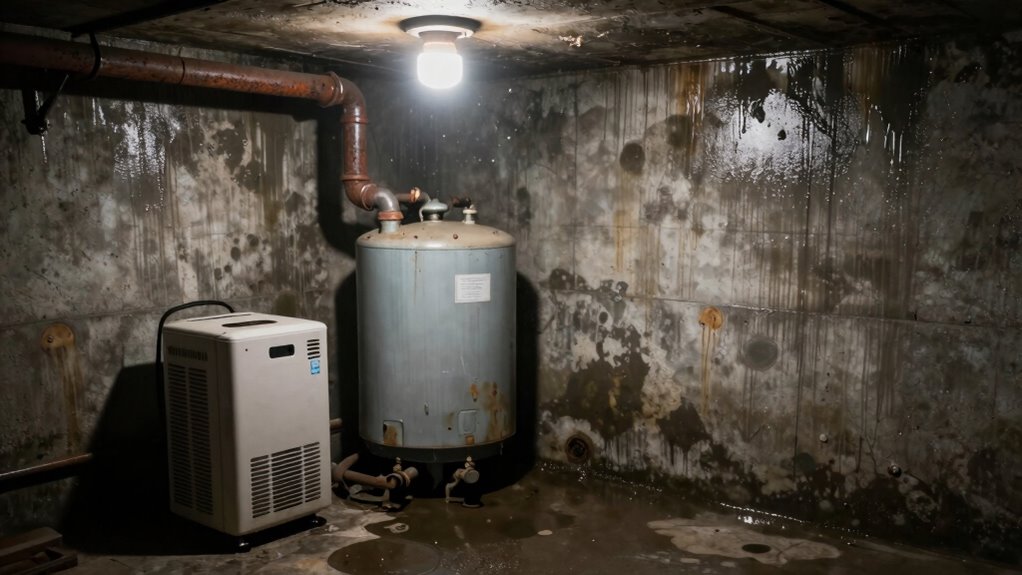
Moisture in your basement can stem from various sources, and identifying them is crucial for effective humidity control. Here are some common moisture sources you should be aware of:
- Basement leaks: Check walls and floors for cracks that may allow water intrusion.
- Poor drainage: Confirm gutters and downspouts direct water away from your foundation.
- High humidity: External humidity can seep in, especially during warm months.

RadonSeal Complete DIY Foundation Crack Repair Kit – 10 Ft – Low-Viscosity Urethane Injection Sealant for Crawl Spaces & Concrete Basement Walls, Stops Water Leaks, Drill-Free Filler
Water-Resistant Seal: Formulated to remain flexible, accommodating natural concrete movement while its hydrophobic properties repel water, preventing shrinkage…
As an affiliate, we earn on qualifying purchases.
As an affiliate, we earn on qualifying purchases.
Identifying Signs of High Humidity in Your Basement
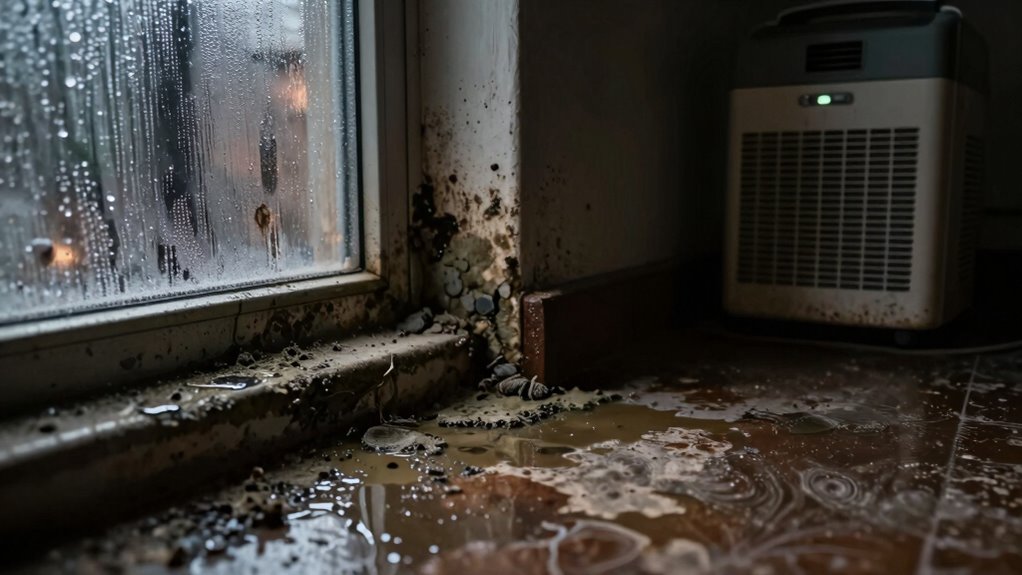
If you notice musty odors in your basement, it’s a clear sign of high humidity. Look for mold growth on walls or surfaces, as this can indicate an unhealthy moisture level. Additionally, condensation forming on pipes or windows suggests that humidity is too high and needs your attention.
Musty Odors Presence
As you explore your basement, one of the first signs that humidity levels are too high often comes in the form of musty odors. These musty smells can indicate trapped moisture, which can lead to bigger problems. Recognizing these odors early is essential for maintaining a healthy space.
Here are some signs to watch for:
- A damp, earthy scent that lingers in the air.
- A noticeable increase in humidity during warmer months.
- Musty smells that seem to intensify when the basement is closed off.
If you detect these odors, it’s time to seek odor solutions. Addressing the humidity issue not only enhances the air quality but also prevents potential mold growth and structural damage in your basement.
Mold Growth Indicators
How can you tell if your basement’s humidity levels are fostering mold growth? First, look for visible signs of mold, like dark spots on walls or ceilings. Different mold species thrive in high moisture levels, so even a small patch can signal a bigger problem. Pay attention to your sense of smell; musty odors often indicate mold presence. You might also notice peeling paint or warped wood, which are signs of excessive moisture. If you see condensation on surfaces or your basement feels damp, your humidity levels are likely too high. Regularly checking these indicators helps you catch mold growth early, protecting your home and health. Additionally, monitoring indoor air quality can help identify hidden mold spores or microplastics that contribute to poor air conditions. Be aware that elevated humidity can also lead to structural damage, so addressing humidity issues promptly is essential. Don’t wait; address humidity issues as soon as you spot these signs.
Condensation on Surfaces
When temperatures fluctuate, condensation often forms on surfaces in your basement, signaling high humidity levels. This moisture not only creates an uncomfortable environment but can also lead to mold growth and structural damage. It’s crucial to identify the signs early to implement effective condensation solutions.
- Dew on windows and walls: Visible moisture indicates poor ventilation.
- Wet spots on floors: These can point to serious humidity issues.
- Musty odors: A sign that trapped moisture may be present.
Understanding the condensation causes, like inadequate airflow and temperature differences, helps you tackle the problem effectively. By addressing these signs promptly, you can maintain a healthier, safer basement environment. Don’t wait until it’s too late!

TempPro TP50 Digital Hygrometer Indoor Thermometer Room Thermometer and Humidity Gauge with Temperature Humidity Monitor(Previously ThermoPro)
Wellness Indicator: This humidity meter with humidity level icon indicates air conditions – DRY/COMFORT/WET, allowing this humidity sensor…
As an affiliate, we earn on qualifying purchases.
As an affiliate, we earn on qualifying purchases.
How Dehumidifiers Effectively Control Basement Humidity
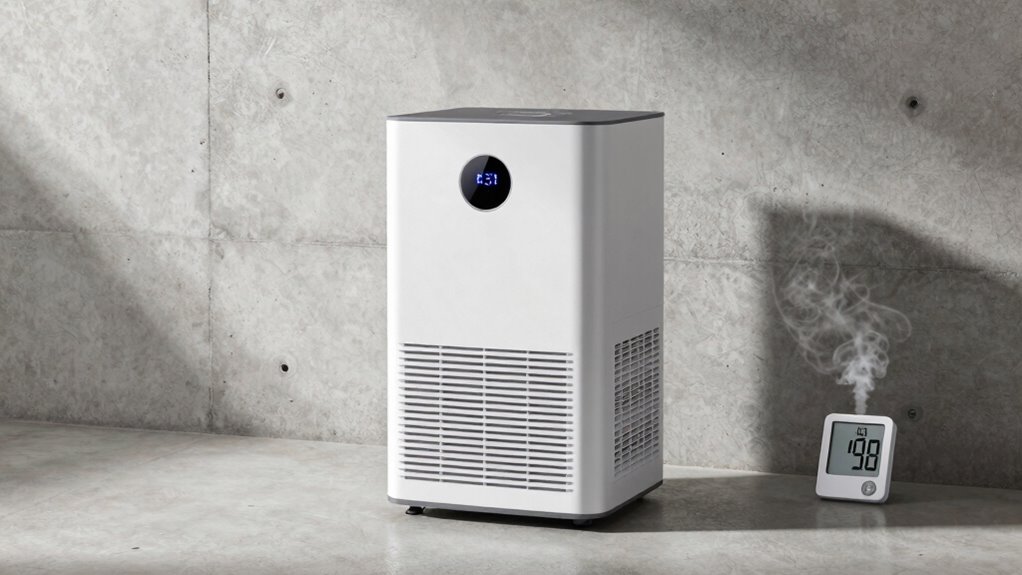
Dehumidifiers play an essential role in managing basement humidity, especially in areas prone to moisture buildup. They work by extracting excess moisture from the air, which helps prevent mold growth and structural damage. For maximum dehumidifier efficiency, it’s vital to position your unit correctly to enhance basement air circulation. This positioning allows the dehumidifier to effectively pull in damp air and release dry air, creating a balanced environment. Regular maintenance, like cleaning filters and checking drainage, also plays a part in maintaining efficiency. Additionally, understanding filtration/suction basics can help optimize your dehumidifier’s performance and prolong its lifespan. Proper air circulation is crucial for even moisture removal throughout the space. Ensuring your dehumidifier has the appropriate filter sizing/flow can greatly improve its operation. Using a humidistat can help maintain consistent humidity levels, preventing over-drying or under-drying the space. By consistently using a dehumidifier, you’ll notice a significant decrease in humidity levels, leading to a more comfortable and healthier basement space. Don’t underestimate the impact of proper humidity control in your home!
Ventilation Solutions to Reduce Basement Humidity

While dehumidifiers are effective, proper ventilation is equally essential for reducing basement humidity. Good air circulation helps prevent moisture buildup, making your space more comfortable and mold-free. Here are some key ventilation solutions to reflect upon:
Effective ventilation is crucial for reducing basement humidity and preventing moisture buildup, ensuring a comfortable, mold-free environment.
- Install ventilation fans: These help draw out humid air and bring in fresh air, creating a balanced environment.
- Use exhaust fans: Place them near moisture sources like washers or dryers to expel humid air directly outside.
- Open windows or vents: Whenever possible, allow natural airflow to help reduce humidity levels.
How Seasons Affect Basement Humidity
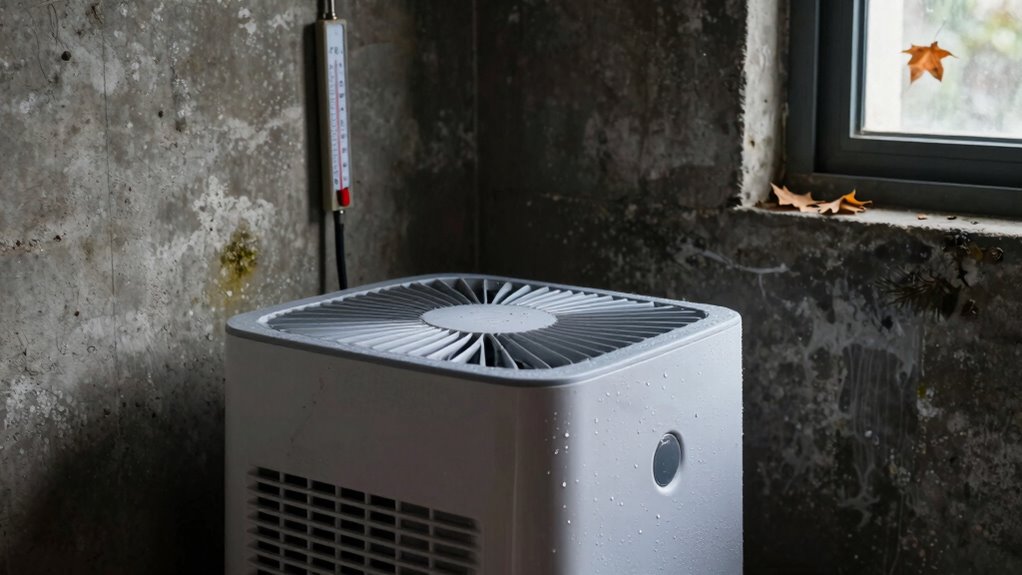
As the seasons change, so do the humidity levels in your basement. Warmer temperatures can lead to increased moisture, while rainfall can elevate humidity even more. Understanding these seasonal shifts helps you manage humidity effectively throughout the year.
Seasonal Temperature Variations
Understanding how seasonal temperature variations influence basement humidity is essential for maintaining a dry environment. As you move through the seasons, you’ll notice significant changes in humidity levels due to seasonal shifts.
- Winter brings cold air that can lower humidity but may also lead to condensation from heating.
- Spring often introduces higher humidity levels, especially with thawing snow and rain.
- Summer can create a hot, humid environment, increasing moisture in your basement.
Rainfall Impact on Humidity
Seasonal temperature changes set the stage for how rainfall can dramatically affect basement humidity. During rainy seasons, you might notice fluctuations in humidity levels, as rainfall patterns vary year to year. When it rains, the ground absorbs moisture, which can seep into your basement, raising humidity levels. This moisture absorption can lead to dampness and mold growth if not properly managed. Conversely, during dry seasons, humidity often decreases, giving you a brief respite. However, it’s essential to monitor these shifts closely, as prolonged wet conditions can create a persistent humidity problem. By understanding how rainfall impacts your basement’s humidity, you can take proactive steps to maintain a dry, healthy environment year-round.
Heating and Cooling Effects
While heating and cooling systems are essential for comfort, they also play a significant role in regulating basement humidity. Seasonal changes can dramatically affect humidity levels, influencing your home’s overall energy efficiency. Here’s what you should consider:
- Heating systems can lower humidity in winter, preventing mold growth. Utilizing smart controls can help maintain optimal humidity levels by adjusting your system settings automatically. Implementing humidity sensors can further enhance this process by providing real-time data to your control systems.
- Cooling systems often dehumidify air in summer, keeping your basement fresh.
- Insulation plays an important role in maintaining stable humidity throughout the year.
- Proper thermostat protocols can optimize humidity control by adjusting system settings based on seasonal needs.
The Importance of Waterproofing Your Basement
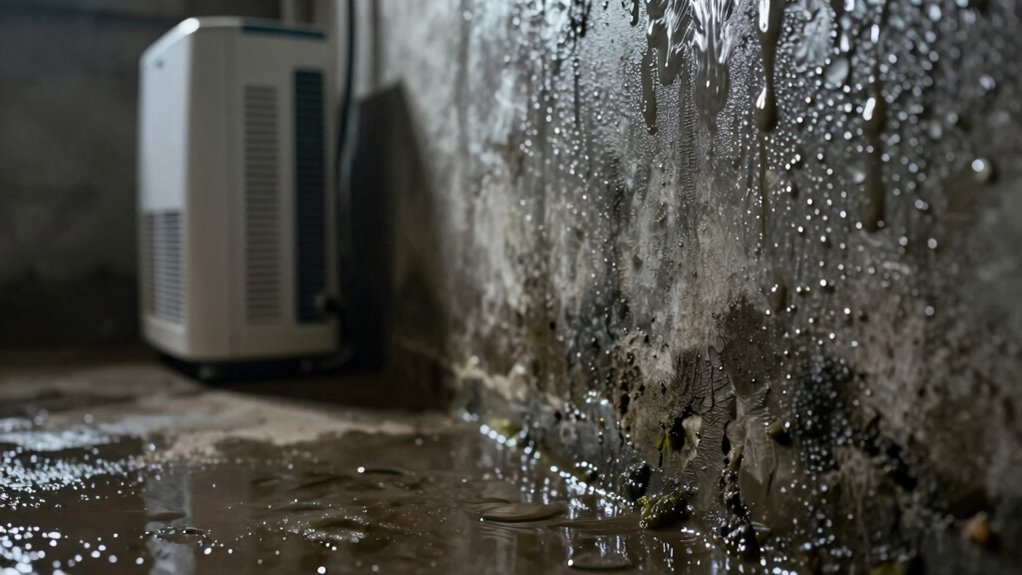
Waterproofing your basement is essential if you want to protect your home from moisture-related problems. Without proper waterproofing, you risk structural damage, mold growth, and pest infestations. One of the key waterproofing benefits is enhancing your home’s overall value. By installing effective basement barriers, you can prevent water intrusion and keep your living space dry and healthy. These barriers shield your foundation and walls, ensuring that water doesn’t seep in during heavy rains or flooding. Remember, a dry basement isn’t just about comfort; it’s about safety. Proper waterproofing techniques can make a significant difference in preventing costly repairs and health issues down the road. By prioritizing waterproofing now, you’ll save yourself from costly repairs and health issues down the road. Don’t overlook this vital aspect of home maintenance. Your basement deserves the best protection possible.
How to Prevent Mold Growth in Your Basement
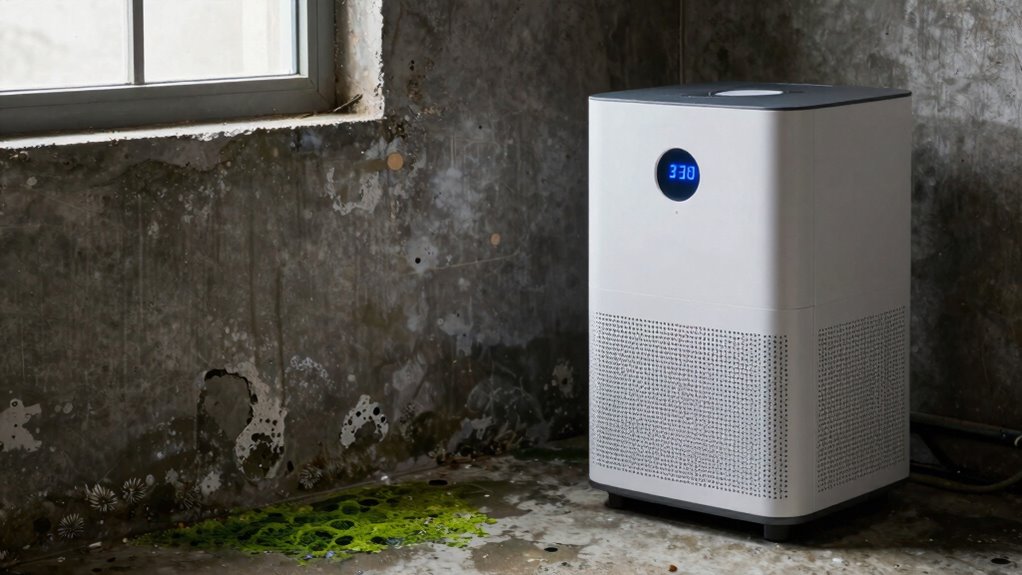
To keep mold at bay in your basement, it’s crucial to manage humidity levels effectively. Here are some mold prevention techniques that can help you maintain a dry environment:
- Use dehumidifiers to reduce moisture in the air.
- Seal any cracks in walls and floors to prevent water seepage.
- Guarantee good ventilation by installing exhaust fans.
- Ensuring proper ventilation is essential for dispersing excess humidity and preventing mold growth.
- Additionally, humidity monitoring tools can help you detect rising moisture levels early before mold becomes a problem.
Aim for a humidity level below 60% to minimize mold growth. Regularly check these levels, especially during humid months, and adjust your dehumidifiers accordingly. By taking these proactive steps, you can create a healthier basement space, free from the risks associated with mold and mildew.
When to Call a Professional for Humidity Issues?

Even with diligent humidity control measures in place, you might still face persistent humidity issues in your basement. If you consistently notice humidity levels exceeding safe thresholds, it’s time to contemplate calling a professional. Signs like musty odors, condensation on walls, or visible mold growth indicate that your DIY efforts may not suffice. Professionals can conduct thorough assessments to identify the root cause of the problem, whether it’s poor ventilation, water intrusion, or inadequate insulation. They’ll also provide tailored solutions to bring your humidity levels back in check. Proper ventilation and moisture management are crucial factors that often require expert evaluation. Don’t wait until structural damage occurs—addressing humidity issues promptly can save you time and money in the long run. Trust a specialist to keep your basement healthy and safe.
Frequently Asked Questions
How Does Humidity Affect Indoor Air Quality in My Home?
Humidity considerably affects indoor air quality in your home. When humidity levels are high, it creates an ideal environment for mold growth, which can release spores into the air. These airborne allergens can trigger allergies and respiratory issues for you and your family. Keeping humidity in check helps maintain a healthier atmosphere, reducing the risk of mold and the allergens that come with it. So, managing humidity is key for your indoor air quality.
Can Humidity Control Help With Pest Infestations in Basements?
Yes, humidity control can greatly help with pest infestations in basements. By managing moisture levels, you create an environment that’s less inviting for pests like cockroaches and mold. Effective moisture management reduces dampness, making it harder for pests to thrive and breed. Implementing pest prevention strategies alongside humidity control measures, like dehumidifiers and proper ventilation, can keep your basement dry and discourage unwanted pests from making it their home.
What Role Does Temperature Play in Basement Humidity Levels?
Temperature plays an essential role in basement humidity levels. When you experience temperature fluctuations, warm air can hold more moisture, leading to condensation issues as it cools. This condensation can create dampness, fostering mold growth and attracting pests. To keep humidity in check, maintain consistent temperatures in your basement. Insulating walls and using dehumidifiers can help stabilize the environment, preventing those undesirable moisture problems from arising.
Are There Natural Methods to Control Basement Humidity Effectively?
If you’re looking to beat the humidity blues in your basement, you’re in luck! Natural methods can work wonders. Use natural dehumidifiers like activated charcoal or baking soda for moisture absorption. You can also place houseplants known for their moisture-absorbing qualities, such as peace lilies. Guarantee proper ventilation by opening windows or using exhaust fans, and keep humidity levels in check without relying on electric dehumidifiers. You’ll notice a significant difference!
How Often Should I Check Humidity Levels in My Basement?
You should check humidity levels in your basement at least once a week, especially during humid months. Regular humidity monitoring helps you stay ahead of potential issues. If you notice levels consistently above 60%, it’s time to improve your basement ventilation. Using dehumidifiers can also help maintain appropriate humidity levels. Keeping an eye on these factors will protect your basement from mold and moisture damage, ensuring a healthier environment.
Conclusion
When it comes to humidity control in your basement, think of it like tending to a garden. Just as plants need the right balance of moisture to flourish, your basement requires proper humidity levels to thrive. Ignoring the signs can lead to mold, structural damage, and costly repairs. By actively managing moisture with dehumidifiers, ventilation, and waterproofing, you’re nurturing a healthy environment that protects both your home and your peace of mind. Don’t let humidity take root!