To prevent ruining your microfiber cloths, always wash them separately with a gentle, microfiber-friendly detergent, and skip fabric softeners and bleach. Use cold or warm water and avoid overloading the machine. After washing, air dry or tumble dry on low heat, ensuring they are completely dry before storage. Regular maintenance and proper care extend their life and keep them working effectively. Continue exploring for more tips to preserve your cloths longer.
Key Takeaways
- Always wash microfiber cloths separately and avoid fabric softeners or bleach to prevent fiber damage.
- Use mild, microfiber-safe detergents and wash in cold or warm water to preserve fabric integrity.
- Air dry or tumble dry on low heat to maintain texture, absorption, and longevity.
- Regularly inspect cloths for signs of wear, thinning, or odors, and replace when cleaning effectiveness declines.
- Store clean, dry microfiber cloths properly in cool, dry places to prevent fiber degradation and odors.
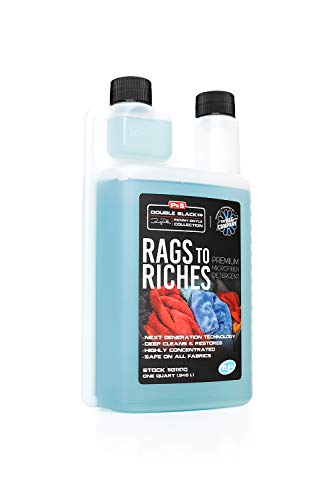
P & S PROFESSIONAL DETAIL PRODUCTS – Rags to Riches – Premium Microfiber Detergent, Deep Cleans and Restores, Safe on All Fabrics, Highly Concentrated, Next Generation Cleaning Technology (1 Quart)
NEXT GENERATION Microfiber Cleaning Technology
As an affiliate, we earn on qualifying purchases.
As an affiliate, we earn on qualifying purchases.
Why Proper Care Makes Your Microfiber Cloths Last Longer
Proper care is essential if you want your microfiber cloths to last longer. When you practice good cloth maintenance, you protect the fibers and preserve their cleaning power, boosting microfiber longevity. Regularly washing your cloths without harsh chemicals prevents residue buildup that can weaken the fibers. Avoid fabric softeners and bleach, which can damage the microfibers and reduce their effectiveness. Instead, use gentle detergents designed for microfiber cleaning. Properly caring for your cloths also means drying them correctly—air drying or low-heat settings help prevent damage caused by high heat. Additionally, understanding air purifier maintenance dos and don’ts can help you keep your cleaning environment optimal, further supporting your microfiber cloths’ effectiveness. By following these maintenance tips, you ensure your microfiber cloths stay effective longer, saving you money and reducing waste. Good cloth maintenance is the key to maximizing the lifespan of your microfiber cleaning tools.
P & S PROFESSIONAL DETAIL PRODUCTS – Rags to Riches – Premium Microfiber Detergent, Deep Cleans and Restores, Safe on All Fabrics, Highly Concentrated, Next Generation Cleaning Technology (1 Quart)
NEXT GENERATION Microfiber Cleaning Technology
As an affiliate, we earn on qualifying purchases.
As an affiliate, we earn on qualifying purchases.
How to Choose the Right Detergent and Additives for Microfiber Cleaning
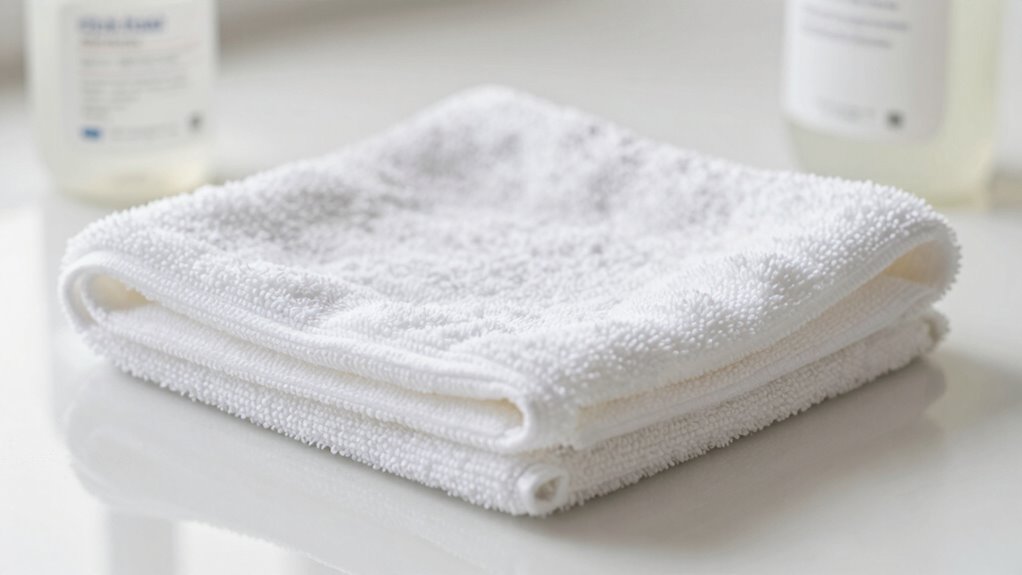
Choosing the right detergent and additives is essential to maintaining your microfiber cloths’ effectiveness. Your detergent selection impacts how well the cloths clean without damage. Use a gentle, fragrance-free detergent free of fabric softeners or bleach, which can clog fibers. Additive types vary; some help remove stubborn grime, while others restore fabric softness. Here’s a quick guide:
| Detergent Selection | Additive Types | Purpose |
|---|---|---|
| Mild, chemical-free | Vinegar | Natural stain removal |
| Free of fabric softeners | Baking soda | Odor control |
| No bleach or brighteners | Microfiber-safe detergents | Maintain fiber integrity |
| Low sudsing formulas | Enzymatic cleaners | Break down organic debris |
| Unscented options | Essential oils (small amount) | Fresh scent, gentle cleaning |
Additionally, choosing appropriate cleaning agents can help extend the life of your microfiber cloths and ensure they perform optimally over time.

MagicFiber Microfiber Cleaning Cloths, 2 Pack – Premium Cloth for Glasses, Lens, Screens & More
Glasses cleaner – Sourced from the highest quality microfiber that absorbs and removes dust, oil, smudges, fingerprints, dirt,…
As an affiliate, we earn on qualifying purchases.
As an affiliate, we earn on qualifying purchases.
The Correct Way to Wash Microfiber Cloths Without Damaging Them
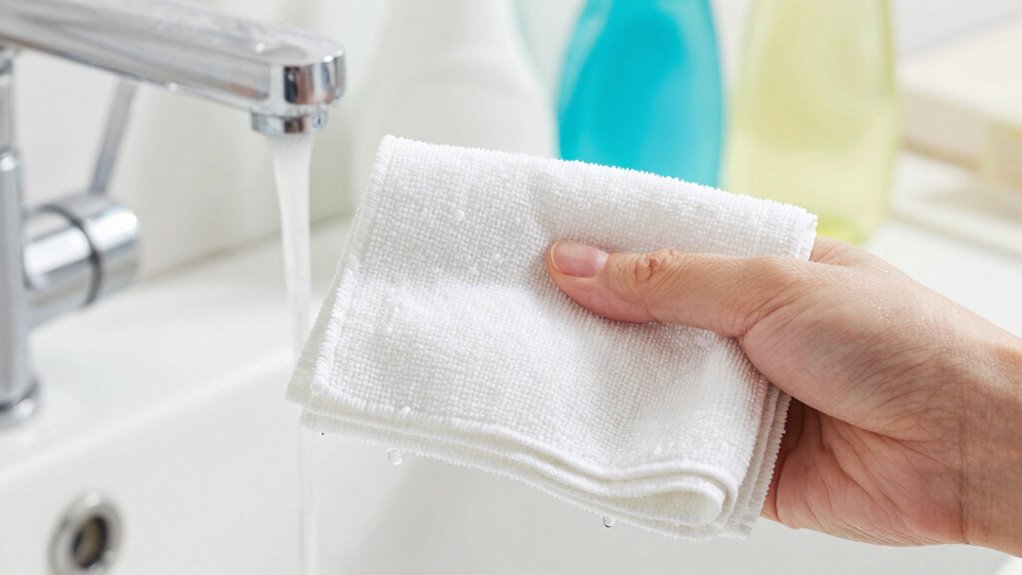
To keep your microfiber cloths in top shape, use proper washing techniques that guarantee damage. Avoid harsh detergents, as they can break down the fibers and reduce effectiveness. Instead, opt for gentle, microfiber-safe cleaners to ensure your cloths last longer and perform better. Properly decoding slang can also help you understand and follow care instructions more easily.
Proper Washing Techniques
Washing microfiber cloths correctly is essential to maintain their effectiveness and lifespan. Always wash them separately from other fabrics to prevent lint transfer. Use cold or warm water, avoiding hot water that can damage fibers. Skip fabric softeners, as they leave residues that reduce cleaning ability, and avoid bleach alternatives, which can weaken the cloths over time. Instead, opt for a gentle, microfiber-safe detergent in small amounts. Do not overload the washing machine, ensuring proper agitation and rinsing. Rinse thoroughly to remove all detergent residues. After washing, air dry or tumble dry on low heat. Proper drying methods help preserve the cloths’ texture and absorption. Following these proper washing techniques helps preserve the cloths’ texture and absorption, ensuring they remain effective for multiple uses without damage. Incorporating regular maintenance routines can further extend the lifespan of your microfiber cloths and maintain their cleaning performance.
Avoid Harsh Detergents
Using harsh detergents can easily damage microfiber cloths, reducing their effectiveness and lifespan. Look for detergents with gentle, plant-based ingredients, free from bleach, fabric softeners, or fragrances. These additives can weaken the fibers over time. Also, avoid overusing detergent, as excess residue can trap dirt and diminish cleaning power. Wash microfiber cloths after every few uses, depending on cleaning frequency, to prevent buildup. Here’s a quick guide:
| Detergent Ingredients | Cleaning Frequency | Effect on Microfiber |
|---|---|---|
| Gentle, natural | After 3-4 uses | Preserves fibers |
| Harsh chemicals | Rarely | Damages fibers |
| Fragrances, softeners | Always | Reduces effectiveness |
Proper washing techniques help maintain microfiber cloths longer by preventing fiber degradation and ensuring they stay effective for cleaning.

YYXB Black Plastic Storage Latch Bins, 8 Pack Clear Plastic Handle Box with Lids and Handle, Multi-Purpose, 4 Quart
Durable Design: Made of high-quality plastic materials, these 8 pack black storage latch boxes are built to last….
As an affiliate, we earn on qualifying purchases.
As an affiliate, we earn on qualifying purchases.
How to Dry and Store Microfiber Cloths to Keep Them Effective
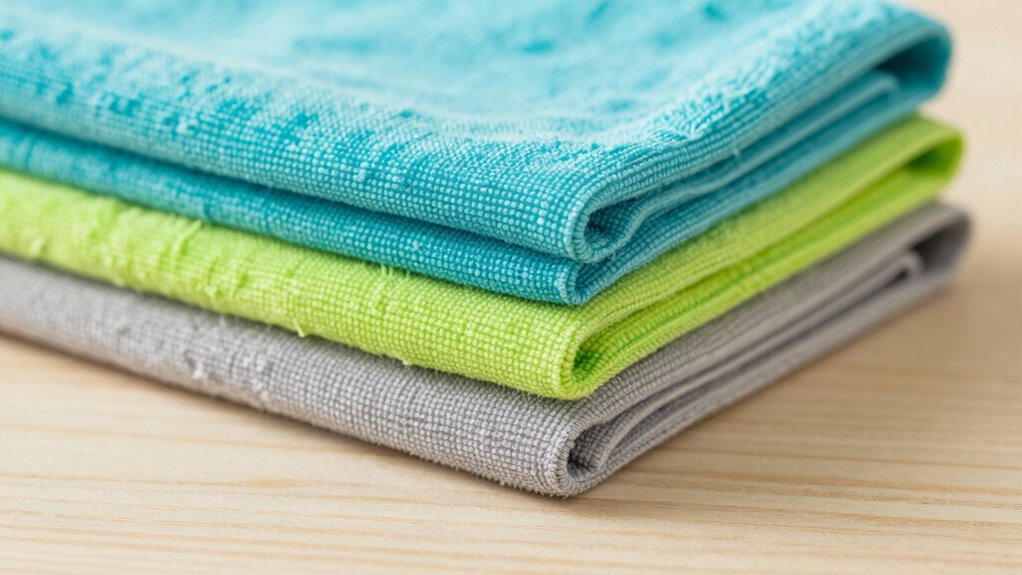
To keep your microfiber cloths effective, it’s crucial to dry them properly and store them correctly. Using the right drying methods prevents damage and maintains their cleaning power. Choosing ideal storage solutions also helps keep your cloths fresh and ready for next time. Incorporating daily faith practices into your routine can remind you to treat your belongings with care and gratitude, honoring God through mindful stewardship.
Proper Drying Techniques
Proper drying is essential to maintain the effectiveness of your microfiber cloths. Air drying is best—you can hang them in a well-ventilated area away from direct sunlight. Avoid using fabric softeners or bleach alternatives, as they can damage the fibers and reduce cleaning power. Instead, gently wring out excess water and lay the cloth flat or hang it to dry. To prevent lingering odors or bacteria, guarantee the cloth is completely dry before storing. Additionally, microfiber material is sensitive to harsh chemicals, so proper care will extend its lifespan. Here’s a quick visual guide:
| Step | Method | Tips |
|---|---|---|
| Wringing | Gently squeeze out moisture | Don’t twist tightly to avoid fiber damage |
| Air drying | Hang or lay flat | Keep in a dry, ventilated space |
| Storage | Fold and store in a clean spot | Ensure fully dry before storing |
This keeps your microfiber fresh and effective.
Optimal Storage Solutions
After verifying your microfiber cloths are completely dry, the way you store them plays a vital role in maintaining their cleaning power. Use storage containers that keep them organized and protected from dust and dirt. Consider color coding your cloths—assign specific colors for different cleaning tasks or areas—to prevent cross-contamination. This system helps you easily identify the right cloth for each job, reducing bacteria transfer and prolonging their effectiveness. Fold or roll the cloths neatly before placing them in designated containers, ensuring they stay clean and accessible. Keep the containers in a cool, dry place away from direct sunlight, which can degrade the fibers. Proper storage not only preserves your microfiber cloths but also guarantees they’re always ready for maximum cleaning performance. Additionally, understanding microfiber material properties can help you choose the best storage practices to extend their lifespan.
Common Mistakes That Damage Microfiber Cloths and How to Avoid Them
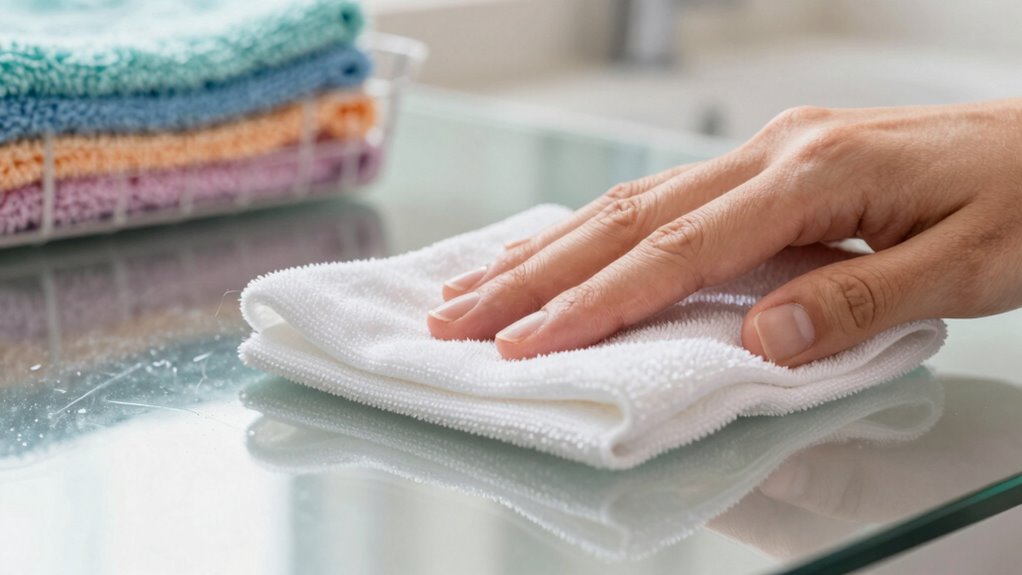
Many common mistakes can easily damage microfiber cloths, reducing their effectiveness and lifespan. First, avoid fabric softeners—they coat fibers and diminish their cleaning power. Second, never use bleach or harsh chemicals, as bleach damage can weaken the fabric and cause deterioration over time. Third, washing microfiber with regular towels or clothes can introduce lint and debris that cling to the fibers, reducing their ability to trap dirt. Additionally, don’t wash microfiber with fabric softeners or fabric conditioners, which leave residues that reduce absorbency. Always opt for gentle, fragrance-free detergents, and skip bleach altogether. Proper care guarantees your microfiber cloths stay effective longer, saving you money and effort while keeping surfaces spotless. To further protect your cloths, consider eco-friendly disposal options for worn or damaged microfiber products to minimize environmental impact.
When to Replace Your Microfiber Cloths and Troubleshooting Tips
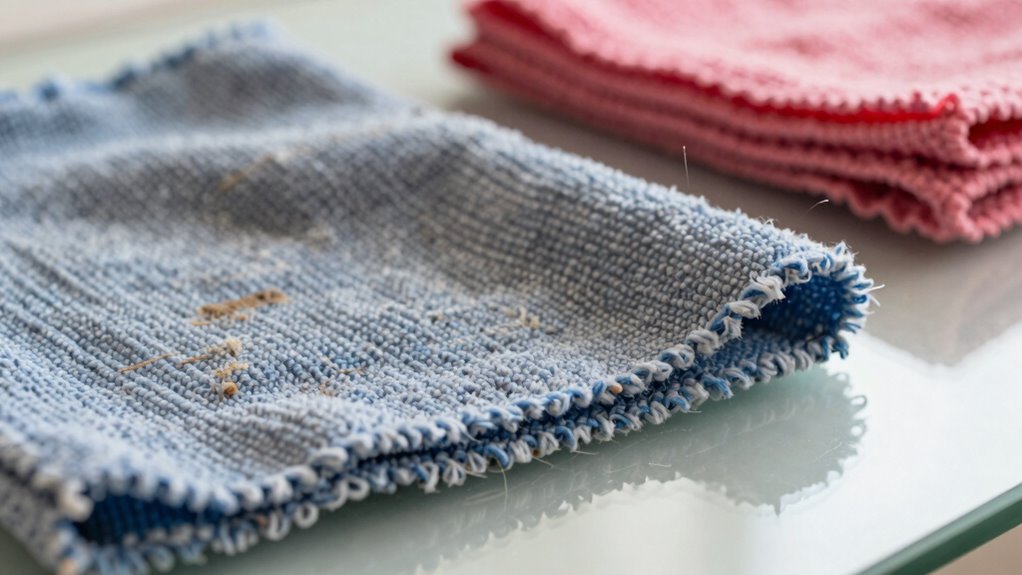
Over time, even with careful maintenance, microfiber cloths will lose their effectiveness. Knowing your cloth’s lifespan is key to maintaining cleaning performance. Replacement indicators include persistent odors, visible fraying, or a noticeable decline in cleaning ability. If your cloth no longer picks up dirt or leaves streaks, it’s probably time to replace it. Frequent washing can extend its life, but after about 100-500 washes, fibers weaken, reducing effectiveness. Don’t ignore signs of wear, such as thinning fabric or broken threads. Troubleshooting tips include inspecting for damage, avoiding fabric softeners, and washing at proper temperatures. When your microfiber cloth shows these indicators, replacing it ensures you continue cleaning efficiently without spreading dirt or damaging surfaces. Understanding fiber durability can help you better assess when your cloth has reached the end of its effective lifespan.
Frequently Asked Questions
Can I Use Fabric Softener on Microfiber Cloths?
You shouldn’t use fabric softener on microfiber cloths because it causes fabric softener damage, reducing their cleaning effectiveness. Softener leaves a residue that diminishes microfiber softening, making the cloth less effective at trapping dirt and dust. Instead, wash microfiber cloths with mild detergent and avoid fabric softener altogether. This preserves their cleaning power and keeps them in top condition for longer, ensuring you get the best results every time.
How Often Should I Replace My Microfiber Cloths?
Think of your microfiber cloths as trusted allies that gradually lose their edge. You should replace them every 50 to 100 washes or when you notice persistent stains, lingering odors, or thinning fibers. This guarantees peak cloth lifespan and cleaning efficiency. Regular replacement keeps your surfaces spotless and your efforts effective, preventing dirt and bacteria buildup. Stay attentive to signs of wear, and you’ll maintain the perfect balance between cost and cleanliness.
Are There Specific Cleaning Products to Avoid?
You should avoid using harsh chemical cleaners and bleach on your microfiber cloths, as they can cause damage. These substances weaken the fibers and reduce the cloth’s effectiveness. Instead, opt for mild soap and water or specialized microfiber cleaners. Always read labels and test a small area first. By steering clear of these damaging products, you’ll extend the lifespan of your microfiber cloths and ensure they clean effectively.
Can Microfiber Cloths Be Washed With Other Fabrics?
Don’t mix your microfiber cloths with other fabrics in the washing machine, as it’s like mixing apples and oranges. Microfiber is best washed separately to prevent lint transfer and fabric softener residue, which can reduce its effectiveness. Make certain your cloths are compatible with your washing machine settings, avoiding fabric softener altogether. By doing so, you keep your microfiber cloths in top shape and ready for a streak-free clean every time.
What’s the Best Way to Remove Stubborn Stains?
To remove stubborn stains from your microfiber cloths, start with stain removal techniques like applying a mixture of mild detergent and warm water, then gently scrubbing the area. For tougher stains, soak the cloth in a solution of white vinegar and water for 15-30 minutes. Use stubborn stain solutions sparingly, and avoid bleach, which can damage microfiber. Always rinse thoroughly and air dry to keep your cloths effective.
Conclusion
By giving your microfiber cloths the care they deserve, you release their true potential—like tending to a delicate garden that blooms again and again. Avoid common mistakes, choose the right detergents, and handle them gently. With proper care, your cloths will last longer, working smarter, not harder. Remember, a well-maintained microfiber cloth is your secret weapon in achieving spotless, streak-free results—turning everyday cleaning into a breeze rather than a battle.