
To prevent mold at home, identify moist areas like bathrooms and basements where mold thrives. Keep these spaces dry by using exhaust fans, opening windows, and using dehumidifiers. Fix leaks and water issues promptly to avoid moisture buildup. Regularly clean surfaces with mold-resistant products and maintain proper ventilation. Check your home frequently for signs of mold or moisture problems. Your efforts now can help you stay ahead of mold growth—learn more to protect your space.
Key Takeaways
- Identify and repair leaks, water stains, and areas with poor ventilation to reduce moisture buildup.
- Use exhaust fans, open windows, and employ dehumidifiers in damp spaces to control humidity.
- Clean high-risk surfaces regularly with mold-resistant products and disinfectants.
- Maintain surfaces with waterproof paints, sealed tiles, and proper maintenance to prevent mold growth.
- Monitor humidity levels and ensure proper drainage to keep your home dry and mold-free.

Zinsser 02774 PERMA-WHITE Mold & Mildew Proof Interior Paint, Quart, Eggshell White
Self-Priming formula – requires no sanding
As an affiliate, we earn on qualifying purchases.
As an affiliate, we earn on qualifying purchases.
Recognize Mold-Prone Areas in Your Home

Since mold thrives in damp, humid environments, it’s important to identify areas in your home that are prone to moisture buildup. Basements often experience dampness, especially if they lack proper insulation or have leaks, creating the perfect environment for mold growth. Bathroom moisture is another common issue, as showers and sinks generate high humidity levels. If you notice water stains, peeling paint, or a musty smell in these areas, it’s a sign that moisture is accumulating. Pay close attention to poorly ventilated spaces and areas with condensation. Regularly check for leaks or water intrusion, and address any sources of excess moisture promptly. Understanding regional flavors and pairing insights can also help you recognize patterns of moisture buildup in areas where beverages like coffee or tea are stored or prepared. Recognizing these mold-prone zones helps you implement targeted prevention measures before mold takes hold.

Dehumidifier, 95OZ Dehumidifier for Home 1000 Sq.Ft – Quiet with Auto Shut Off & Relaxing 7 Color Ambient Light,Ideal for Livingroom, Bedroom, Basement(Black)
Semiconductor dehumidifiers use thermoelectric cooling to remove moisture from the air. They create a drier, more comfortable environment…
As an affiliate, we earn on qualifying purchases.
As an affiliate, we earn on qualifying purchases.
Keep Your Home Dry With Ventilation and Humidity Control
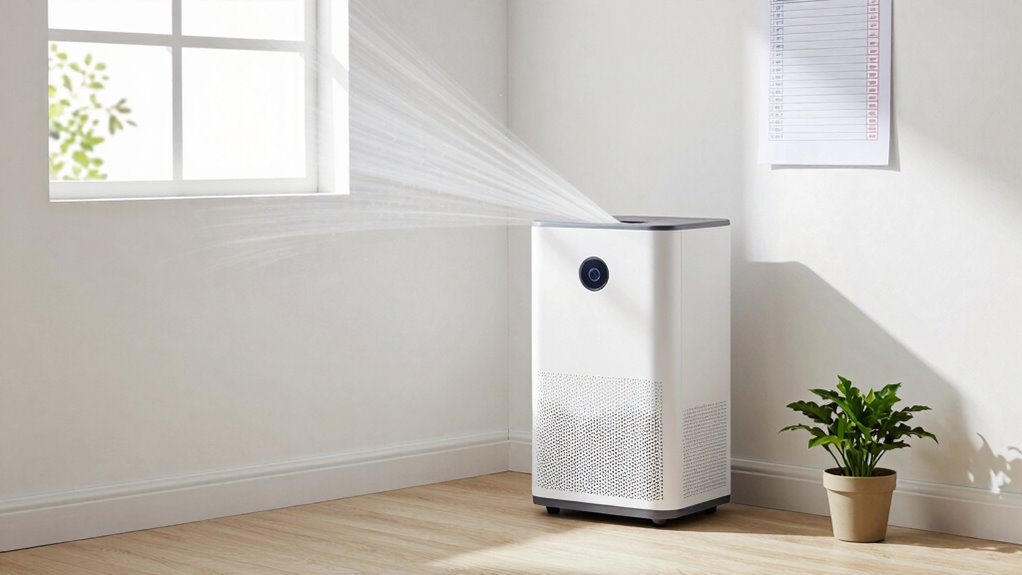
Effective ventilation and humidity control are essential for keeping moisture levels in check and preventing mold growth. Good air circulation helps dry out damp areas and reduces stagnant air that fosters mold. To maximize this, consider these steps:
Proper ventilation and humidity management prevent mold growth and keep your home fresh.
- Use exhaust fans in bathrooms and kitchens to vent humidity outside.
- Keep windows open when weather permits to promote fresh air flow.
- Use a dehumidifier in damp spaces like basements to maintain ideal humidity levels.
- Maintaining appropriate support and boundaries when caring for others can also help reduce stress-related moisture buildup and promote a healthier living environment.

Broan-Nutone® Bathroom Exhaust Fan, 50 CFM Modern Grille, Energy Star Fan, 2.0 Sones
50 CFM BATHROOM EXHAUST FAN: 50 CFM is sufficient ventilation to remove, moisture, odor and pollutants from your…
As an affiliate, we earn on qualifying purchases.
As an affiliate, we earn on qualifying purchases.
Fix Leaks and Water Problems Quickly to Prevent Mold
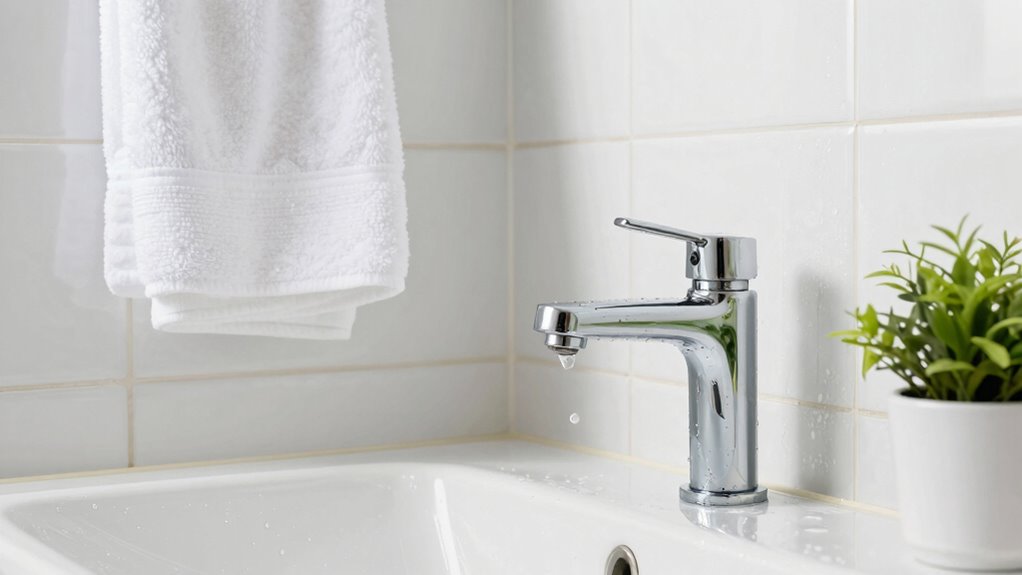
You need to fix plumbing leaks as soon as you notice them to stop mold from growing. Proper drainage around your home also helps prevent water from seeping into walls and floors. When you address these issues quickly, you protect your home from costly mold problems down the line. Additionally, maintaining proper home climate control with a smart thermostat can help regulate humidity levels and reduce mold risk.
Address Plumbing Leaks Promptly
Addressing plumbing leaks promptly is essential to preventing mold growth in your home. Leaks can go unnoticed, but early leak detection is key to avoiding moisture buildup that fosters mold. Regular plumbing maintenance helps identify issues before they worsen. Here’s what you should do:
- Check under sinks and around appliances for signs of water stains or dampness.
- Listen for dripping sounds or running water when fixtures are off.
- Schedule routine leak detection inspections with a professional plumber.
- Be aware that routine checkups can help catch hidden leaks before they cause significant water damage.
Maintain Proper Drainage
Maintaining proper drainage around your home is essential for preventing mold, as lingering water can seep into foundations and walls, creating ideal conditions for mold growth. You should regularly check your landscape grading to ensure water naturally flows away from your house, reducing pooling and moisture buildup. Gutter maintenance is equally important; clean your gutters frequently to prevent clogs that cause overflowing, which can direct water toward your foundation. Fix leaks in pipes, hoses, or sprinklers promptly to avoid excess moisture near walls or floors. Proper drainage minimizes water stagnation and dampness, key factors in mold development. Additionally, understanding the horsepower of electric dirt bikes can help you appreciate how powerful equipment can cause vibrations and moisture issues if not maintained properly, which underscores the importance of effective water management around your home. By keeping water away from your home’s structure, you create an environment less conducive to mold, protecting your health and property.

TECKNET Water Leak Detectors for Home, 120dB Water Sensor Alarm Leak Detector, IP66 Waterproof, Water Leak Detectors for Bathroom, Sink, Laundry, Window, Basements, Kitchens(5 Pack, Battery Included)
【Dripping and Leaking Alarm】The upgraded water leak detector is equipped with 2 top-mounted high-sensitivity probes that can accurately…
As an affiliate, we earn on qualifying purchases.
As an affiliate, we earn on qualifying purchases.
Use Mold-Resistant Cleaning Strategies to Stop Growth

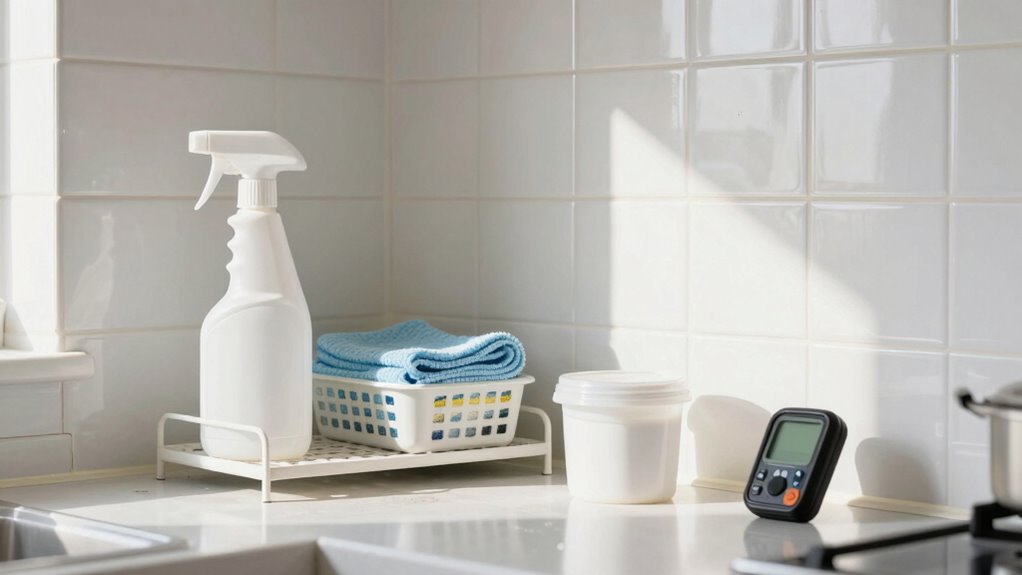
Implementing mold-resistant cleaning strategies is essential for preventing mold growth in your home. By using mold resistant cleaning products, you can effectively eliminate mold spores and protect your surfaces. Focus on creating mold proof surfaces that resist moisture and mold development. Here are three key strategies:
- Use mold resistant cleaning solutions regularly on high-moisture areas like bathrooms and kitchens.
- Choose cleaning tools that won’t harbor mold, such as microfiber cloths.
- Incorporate antimicrobial sprays to inhibit mold spores from settling and growing.
- Be aware of indoor humidity levels, as controlling moisture is crucial for air quality and mold prevention.
These steps help keep your home mold-free by actively reducing mold spores and creating environments that discourage mold growth. Consistent, mold-resistant cleaning is a simple yet powerful way to maintain a healthier living space.
Maintain Surfaces Regularly to Prevent Mold From Taking Hold
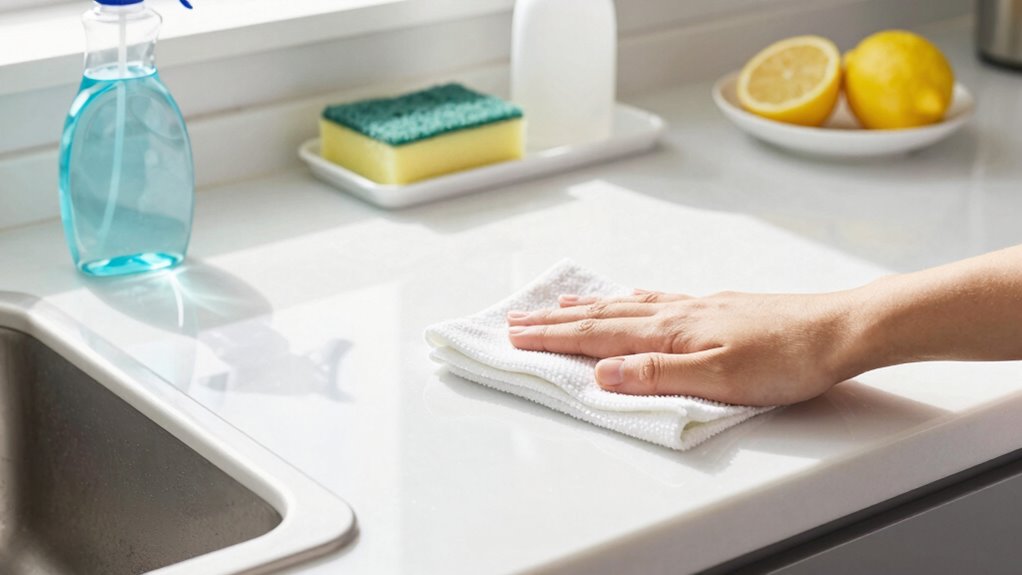
Regularly inspecting and cleaning your surfaces is the best way to stop mold before it takes hold. Consistent surface cleaning removes dirt, moisture, and spores that mold needs to grow. Pay special attention to high-risk areas like bathrooms, kitchens, and basements. When selecting materials, choose mold-resistant options such as sealed tiles, waterproof paint, or non-porous surfaces that are easier to keep clean. Wipe down surfaces with a mild disinfectant or a vinegar solution to inhibit mold growth. Avoid porous materials that trap moisture and support mold development. Proper brewing science understanding can help you identify moisture issues early and prevent mold from thriving. By maintaining your surfaces regularly and choosing the right materials, you create a less hospitable environment for mold, reducing the risk of future infestations and keeping your home healthier and safer.
Check Your Home Frequently for Mold Risks
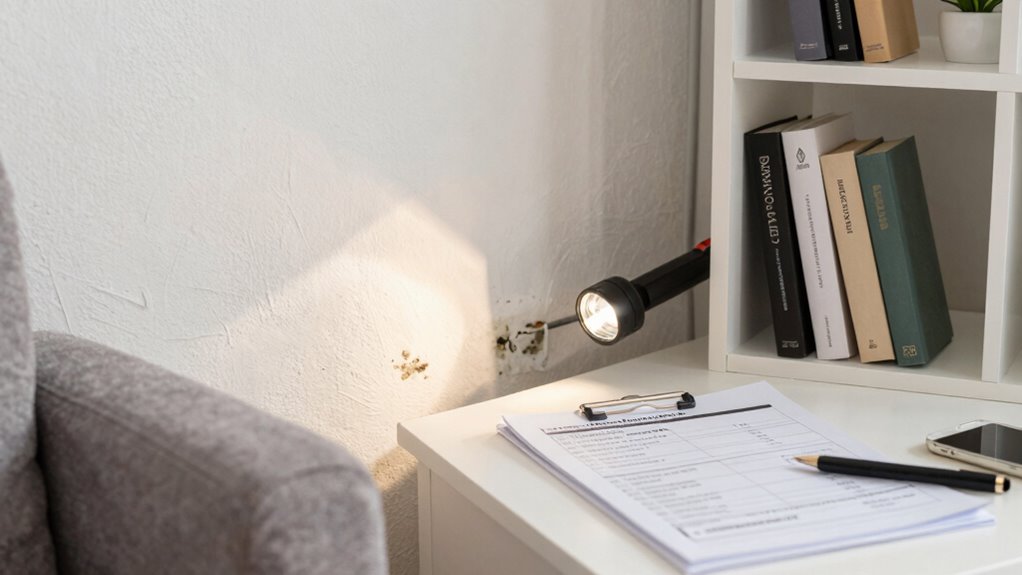
By staying vigilant and inspecting your home frequently, you can catch mold problems early before they become serious. Regular mold inspection helps maintain indoor air quality and prevents mold from spreading unnoticed. To stay ahead, consider these steps:
Regular inspections help catch mold early and protect indoor air quality.
- Check damp areas like bathrooms and basements for visible mold or moisture buildup.
- Monitor areas with poor ventilation or frequent water exposure.
- Use a moisture meter to identify hidden leaks or humidity issues behind walls and ceilings.
- Be aware that effective home soundproofing can also contribute to better indoor environments by reducing noise-related stress, which may indirectly support healthier living conditions.
Frequently Asked Questions
How Can I Identify Hidden Mold Behind Walls or Furniture?
To identify hidden mold behind walls or furniture, look for signs like a musty odor, discoloration, or peeling paint. Mold detection isn’t always visible, so consider using a moisture meter or a mold test kit. Keep an eye out for hidden mold signs such as warped walls or unexplained allergies. If you suspect hidden mold, it’s best to consult a professional to guarantee thorough detection and safe removal.
What Are the Best Products to Prevent Mold Growth Naturally?
This might be the most powerful mold-fighting secret you’ll ever discover! Natural remedies like tea tree oil and vinegar are your best bets for preventing mold naturally. Additionally, applying mold-resistant paints creates an invisible shield against moisture. Combine these natural remedies with mold-resistant paints to keep your home mold-free effortlessly. You’ll be amazed at how effectively these products work, transforming your space into a healthy, mold-free zone.
How Often Should I Inspect My Home for Mold Risks?
You should inspect your home for mold risks at least once a month, especially in areas with high moisture control like bathrooms, kitchens, and basements. Regular home maintenance helps you catch leaks or excess moisture early. Keep an eye out for any signs of mold or water damage, and address issues promptly to prevent mold growth. Consistent inspections make sure your home stays dry and mold-free, protecting your health and property.
Are There Specific Signs Indicating Mold Presence in Hidden Areas?
You can spot hidden mold growth by looking for signs like a musty smell, water stains, or discoloration on walls and ceilings. Keep an eye out for peeling paint or wallpaper and any visible mold patches. Use moisture detection tools to identify areas with excess humidity, especially in hidden spots like behind drywall or under flooring. These signs and moisture clues help you catch mold early and prevent health issues.
Can Mold Prevention Tips Be Effective in High-Humidity Climates?
In high-humidity climates, mold prevention tips can still work if you actively control humidity and use mold-resistant materials. For example, a homeowner in Florida installed dehumidifiers and chose mold-resistant drywall, which markedly reduced mold growth. You should regularly monitor humidity levels, keep vents clean, and choose materials designed to resist mold. These steps help create an environment less favorable for mold, even in damp conditions.
Conclusion
By staying vigilant and following this checklist, you’re the gardener tending a delicate garden of your home’s health. Keep moisture at bay like a skilled weaver, patch leaks like a vigilant guardian, and clean surfaces like a diligent artist. With these simple steps, you’ll create a fortress where mold can’t take root, turning your home into a safe, dry sanctuary—a shining pearl amid the waves of everyday life.