AFCIs (Arc Fault Circuit Interrupters) and GFCIs (Ground Fault Circuit Interrupters) serve different safety roles in your home. AFCIs protect against electrical fires from arc faults, while GFCIs prevent electric shock in wet areas by interrupting current flow. You’ll typically install AFCIs in living spaces and GFCIs in kitchens, bathrooms, and outdoors. To enhance safety, regular testing and maintenance of both devices are essential. Discover more about their unique features and protection methods.
Key Takeaways
- AFCIs protect against arc faults that can cause electrical fires, while GFCIs prevent electric shock from ground faults.
- AFCIs are essential in living areas like bedrooms, whereas GFCIs are crucial for wet locations such as kitchens and bathrooms.
- Both devices serve distinct purposes: AFCIs focus on fire prevention and GFCIs target shock hazards.
- Regular testing is vital; GFCIs should be tested monthly and AFCIs every six months to ensure functionality.
- Awareness of each device’s limitations is important; AFCIs do not cover all fire causes, and GFCIs are beneficial in dry areas too.

15 Amp 1-Pole Combination Type AFCI Plug-On Neutral Circuit Breaker
Simply installs like any other breaker, now without the pigtail
As an affiliate, we earn on qualifying purchases.
As an affiliate, we earn on qualifying purchases.
Key Differences Between AFCIs and GFCIs
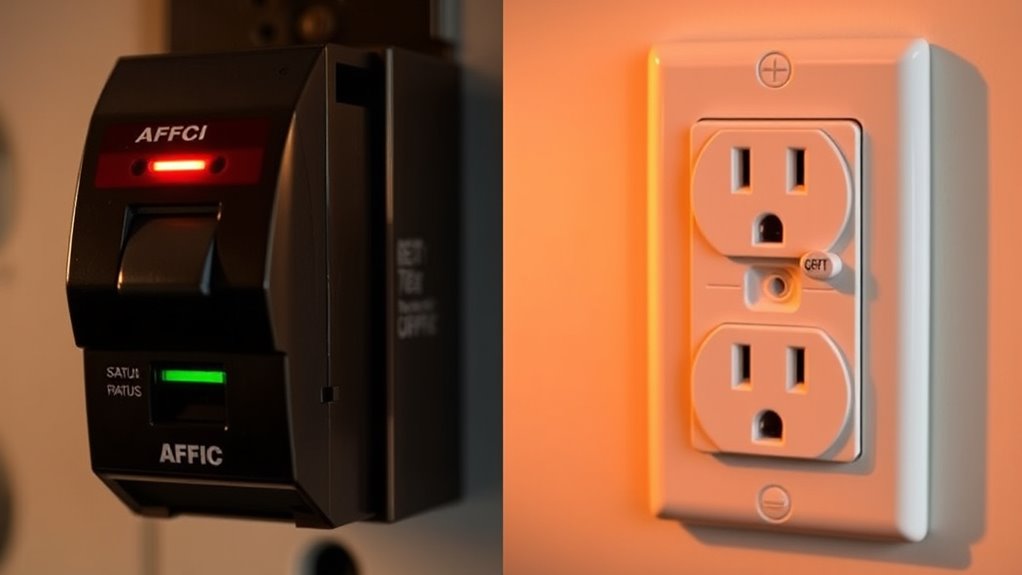
When it comes to electrical safety, understanding the key differences between AFCIs (Arc Fault Circuit Interrupters) and GFCIs (Ground Fault Circuit Interrupters) is essential. AFCI features protect against arc faults, which can lead to electrical fires, while GFCI functions are designed to prevent electric shock by interrupting the current when it detects ground faults. One of the main AFCI benefits is its ability to enhance safety in living areas, making it vital for bedrooms and family rooms. However, GFCI limitations include being less effective against arc faults, which can still pose a risk. Knowing proper GFCI usage helps protect wet areas like kitchens and bathrooms, but for thorough safety, combining both devices is often the best approach.
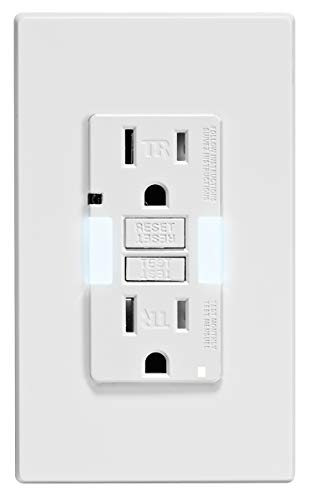
Leviton GFCI Outlet with Guidelight, 15 Amp, Self Test, Tamper-Resistant with LED Indicator Light, Replaces Plugged in Night Light, GFNL1-W, White
Designed to improve immunity for reduced High Frequency (HF) nuisance tripping. providing increased compatibility with appliances and other…
As an affiliate, we earn on qualifying purchases.
As an affiliate, we earn on qualifying purchases.
What Are AFCIs and GFCIs?
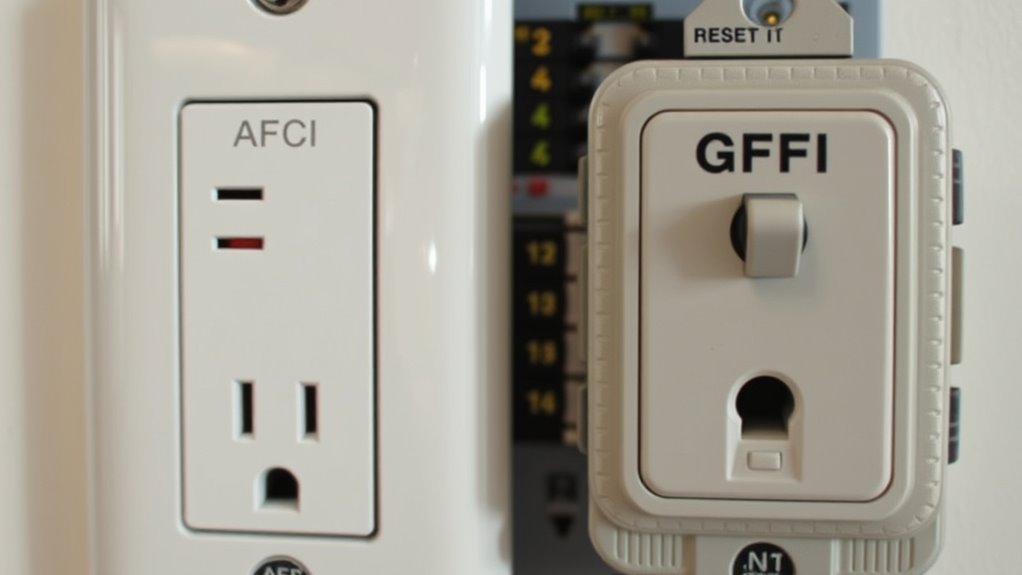
AFCIs and GFCIs are essential components of modern electrical safety systems. Understanding AFCI basics helps you grasp their role in preventing electrical fires caused by arc faults. These devices monitor electrical currents and disconnect power when they detect unsafe conditions.
On the other hand, a GFCI overview reveals that Ground Fault Circuit Interrupters protect you from electrical shock by shutting off power when they sense an imbalance between incoming and outgoing currents. Both AFCIs and GFCIs are vital for safeguarding your home, but they serve different purposes. While AFCIs focus on fire prevention, GFCIs target shock hazards. Knowing the difference can help you make informed decisions about your electrical safety needs.

Leviton Dual-Function AFCI/GFCI Outlet, 20 Amp, Self Test, Tamper-Resistant with LED Indicator Light, Protection from Both Electrical Shock and Electrical Fires in One Device, AGTR2-W, White
Designed to improve immunity for reduced High Frequency (HF) nuisance tripping. providing increased compatibility with appliances and other…
As an affiliate, we earn on qualifying purchases.
As an affiliate, we earn on qualifying purchases.
How Do AFCIs Help Prevent Fires?

AFCIs play an essential role in fire prevention by detecting dangerous arcing conditions in electrical circuits. When these arcs occur, the AFCI quickly interrupts the circuit, preventing potential ignition of surrounding materials. This enhanced circuit protection greatly reduces the risk of electrical fires in your home.
Arc Detection Mechanism
Although you might not think about it often, the arc detection mechanism in your home’s electrical system plays an important role in fire prevention. AFCIs are designed to identify arc faults, which occur when electrical currents jump between conductors, creating sparks that can ignite flammable materials. By constantly monitoring your circuits, AFCIs can detect these dangerous arcs and cut off the power before a fire starts. This proactive approach enhances your electrical safety, reducing the risk of electrical fires considerably. With an AFCI, you’re not just protecting your home; you’re also ensuring a safer environment for your family. It’s a small yet vital investment in your home’s overall safety and peace of mind.
Enhanced Circuit Protection
When you install AFCIs in your home, you’re taking a significant step toward enhanced circuit protection. These devices are designed to detect dangerous arc faults that can lead to electrical fires. By doing so, they help prevent circuit overloads and guarantee your appliances operate safely.
- Detects faulty wiring: AFCIs identify issues before they escalate.
- Protects against arc faults: These devices cut power to prevent fire hazards.
- Promotes appliance safety: Keeping your devices running smoothly reduces risks.
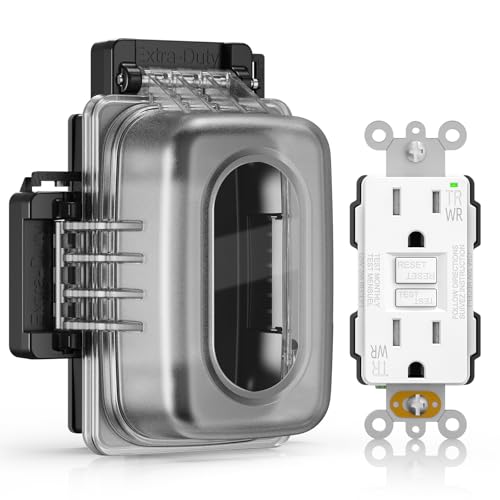
ELEGRP Outdoor GFCI Outlet with Extra-Duty in Use Cover, 15 Amp TRWR Self-Test GFI Receptacle, 1 Gang Weather Resistant in-Use Cover, Lockable, Horizontal/Vertical Mount, UL Listed, 1 Pack, White
✅【Ultimate Outdoor Electrical Combo】 Enhance your outdoor spaces with this high-performance GFCI outlet and weatherproof in-use cover set….
As an affiliate, we earn on qualifying purchases.
As an affiliate, we earn on qualifying purchases.
How Do GFCIs Protect Against Shock?

Ground Fault Circuit Interrupters (GFCIs) play an essential role in electrical safety by protecting you from electrical shock. They monitor the electrical current flowing through a circuit, detecting any imbalance that might indicate a ground fault. When a fault occurs, GFCIs quickly cut off the power, minimizing the risk of shock.
Here’s a quick overview of GFCI functionality:
| GFCI Functionality | Description | Benefit |
|---|---|---|
| Current Monitoring | Tracks electrical flow | Detects ground faults |
| Rapid Response | Cuts power in milliseconds | Prevents severe shocks |
| Resettable | Can be easily reset | Convenient for users |
| Indicator Light | Shows operational status | Alerts to potential issues |
| Versatile Usage | Applicable in wet areas | Enhances overall safety |
Where Should You Install AFCIs and GFCIs?

When it comes to safety, knowing where to install AFCIs and GFCIs is vital. You’ll find AFCIs are typically required in living areas, while GFCIs are essential in wet locations like kitchens and bathrooms. Don’t forget about code compliance—making sure your installations meet local regulations is key to keeping your home safe.
AFCI Installation Locations
Although you might think about installing AFCIs and GFCIs only in certain areas, understanding their ideal locations is vital for safety. AFCIs are particularly beneficial in living areas like bedrooms and family rooms, where they can prevent electrical fires caused by arc faults. GFCIs, on the other hand, are important in wet locations, protecting against electric shock.
Consider installing these devices in:
- Bedrooms and living rooms for AFCIs to harness their benefits.
- Bathrooms and kitchens for GFCIs to leverage their features.
- Outdoor areas where moisture is present, ensuring safety against shocks.
GFCI Installation Requirements
Installing GFCIs is essential in specific areas of your home to guarantee safety and prevent electrical hazards. You should install GFCIs in any location where water and electricity may come into contact, such as bathrooms, kitchens, and outdoor spaces. The benefits of GFCIs include reducing the risk of electric shock and preventing electrical fires, making them a vital safety feature. When installing, make certain to follow the manufacturer’s instructions for proper wiring and placement. If you encounter issues, GFCI troubleshooting can help identify problems like frequent tripping or failure to reset. Regularly test your GFCIs to confirm they function correctly, keeping your home safe from potential electrical risks.
Code Compliance Considerations
Understanding where to install AFCIs and GFCIs is key to ensuring your home meets safety standards. Keeping up with code updates is essential, as installation requirements can change. Here’s where you should typically install these devices:
- AFCIs: Install in all living areas, including bedrooms, family rooms, and hallways, to protect against electrical fires.
- GFCIs: Required in areas where water and electricity may mix, such as kitchens, bathrooms, and outdoor spaces.
- Local Codes: Always check local building codes, as they may have specific requirements that differ from national standards.
- Device Compatibility: Selecting compatible security devices can improve overall electrical safety and system performance.
Tips for Choosing the Right Device for Your Home

When choosing the right protective device for your home, how do you determine whether an AFCI or GFCI is best for your needs? Start by evaluating the areas where you need protection. If you’re dealing with outlets in wet locations like bathrooms or kitchens, a GFCI is essential for safety. However, for living areas where electrical fires are a concern, consider an AFCI, which detects and prevents fire hazards. Make sure that the device you select meets current safety standards and is compatible with your home’s electrical system. Always check local codes to confirm requirements. Prioritizing device compatibility and compliance with safety standards will help you make an informed choice, guaranteeing a safer environment for you and your family.
Maintenance and Testing for AFCIs and GFCIs
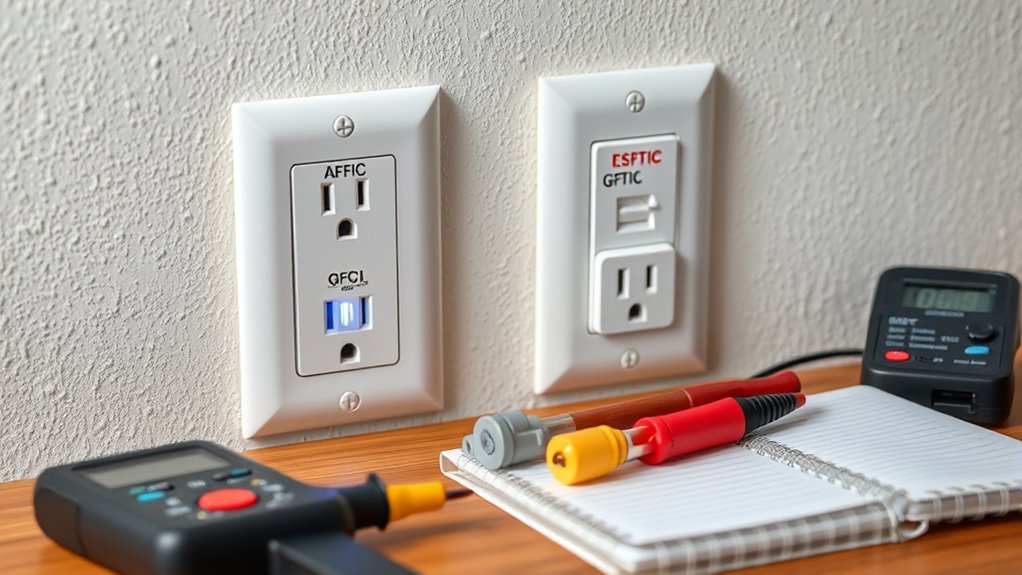
To guarantee your AFCI and GFCI devices function properly, regular maintenance and testing are essential. You should conduct AFCI testing and GFCI maintenance to verify these lifesaving devices are operational. Here’s how to keep them in top shape:
- Test your GFCI outlets monthly by pressing the “Test” button and resetting them afterward.
- For AFCIs, check the devices every six months by pressing the “Test” button; if it trips, it’s working correctly.
- Inspect the devices regularly for any signs of damage or wear.
Enhancing Electrical Safety in Your Home
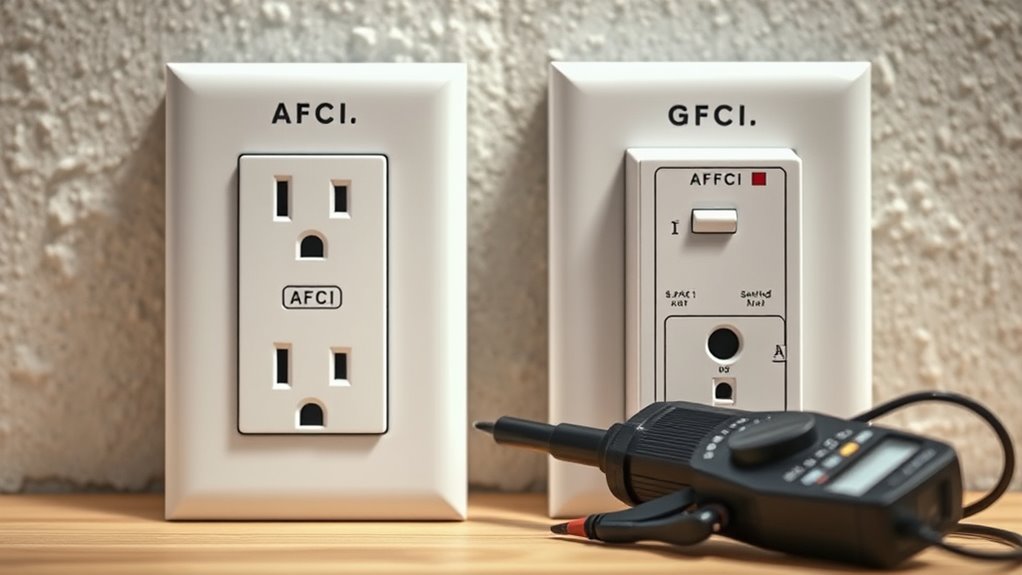
While you might think your home is safe, enhancing electrical safety should always be a priority. By taking proactive measures, you can greatly reduce the risk of electrical hazards. Start by installing AFCIs and GFCIs in key areas like kitchens, bathrooms, and outdoor spaces. These devices can detect potentially dangerous conditions and shut off power before an issue escalates. Regularly inspect your electrical cords for damage and replace any frayed or worn ones. Additionally, avoid overloading outlets, as this can lead to overheating and fires. Educate your family about the importance of electrical safety and encourage them to report any concerns. Incorporating smart home safety devices like leak detectors and indoor air monitors can further enhance your home’s protection. Monitoring for microplastics in dust and other indoor pollutants can also contribute to a safer environment. Conducting home safety assessments can help identify additional risks and ensure comprehensive protection. Implementing proper generator use and backup systems can help maintain power during outages, further safeguarding your home. Being aware of electrical system maintenance and scheduling regular inspections can prevent many common issues. Prioritizing these steps can protect your home and provide peace of mind.
Common Myths About AFCIs and GFCIs?

Many homeowners misunderstand the roles and functions of AFCIs (Arc Fault Circuit Interrupters) and GFCIs (Ground Fault Circuit Interrupters), leading to common myths that can jeopardize safety. Here are some widespread AFCI misconceptions and GFCI myths you should be aware of:
- AFCIs protect against all electrical fires: They primarily guard against arc faults, not all fire causes.
- GFCIs are only for wet areas: While they’re vital in bathrooms and kitchens, GFCIs can also enhance safety in dry areas.
- Once installed, AFCIs and GFCIs don’t need maintenance: Regular testing is essential to guarantee they function correctly.
Understanding these myths can help you make informed decisions about your home’s electrical safety. Stay safe and informed!
Frequently Asked Questions
Can AFCIS and GFCIS Be Used Together in a Home?
Yes, you can use AFCIs and GFCIs together in your home. In fact, doing so enhances safety considerations, protecting against both electrical fires and shock hazards. When you install them, make certain to follow the specific installation guidelines for each type. This guarantees they function properly without interference. By combining these devices, you create a safer environment, especially in areas like kitchens and bedrooms where both risks may be present.
Are AFCIS and GFCIS Required by Electrical Codes?
Think of electrical codes as the traffic lights guiding you safely through a busy intersection. Yes, AFCIs and GFCIs are often required by electrical codes to guarantee safety standards. These devices protect against electrical fires and shock hazards, acting like safety nets in your home. Depending on your region and the specific areas of your house, building codes might mandate the installation of both to keep you and your loved ones safe.
How Long Do AFCIS and GFCIS Typically Last?
AFCIs and GFCIs typically last around 10 to 20 years, depending on lifespan factors like usage and environmental conditions. To maximize their lifespan, make certain you follow some maintenance tips: regularly test the devices monthly, keep them clean, and guarantee they’re not exposed to moisture or excessive heat. If you notice any signs of wear or tripping issues, it might be time to replace them for safety.
Can I Install AFCIS and GFCIS Myself?
Yes, you can install AFCIs and GFCIs yourself, but you should take safety precautions. Turn off the power at the circuit breaker before starting. Make certain you understand the wiring process by following the installation tips provided in the manuals. Use a voltage tester to confirm power is off, and double-check your connections to prevent issues. If you’re unsure, don’t hesitate to consult a professional to guarantee everything’s safely installed.
What Should I Do if an AFCI or GFCI Trips?
If your AFCI or GFCI trips, start by unplugging all devices connected to the outlet. This helps identify the cause. Next, check for any visible damage or moisture in the area. Once you’ve addressed potential issues, locate the reset button on the device and press it. If it trips again, consult troubleshooting tips or consider calling a professional electrician for further inspection. Don’t ignore frequent trips, as they can indicate a serious problem.
Conclusion
In the intricate dance of electrical safety, AFCIs and GFCIs are your trusted partners, each playing an essential role. Picture your home as a haven, shielded from the flicker of sparks and the jolt of shock. By understanding their unique strengths and knowing where to place them, you’re not just protecting your space; you’re weaving a safety net that embraces your family. So, let these devices stand guard, ensuring peace of mind amidst the currents of daily life.