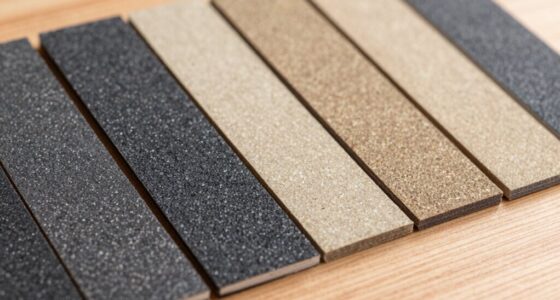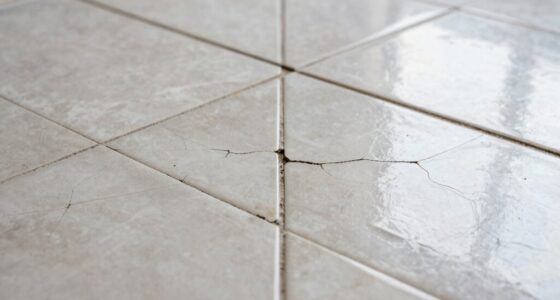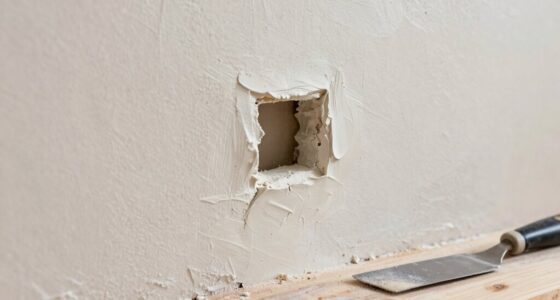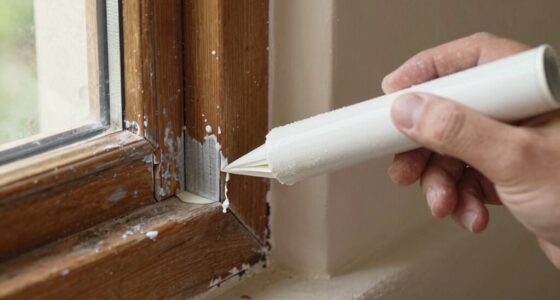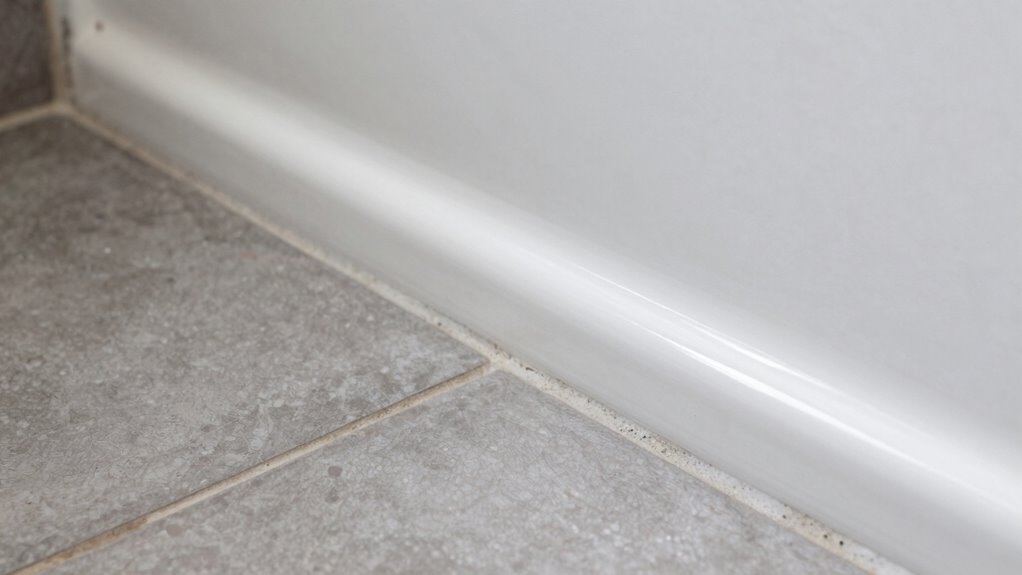

When deciding between grout and caulk, it’s important to know where each belongs. Grout fills gaps between tiles, providing structural support and durability, especially in wet areas. Caulk, on the other hand, seals joints and gaps, offering flexibility and moisture resistance, making it perfect for areas like sinks and tubs. Choosing the right material can make a big difference in your project’s success. To guarantee you get it right, there’s more to explore about their applications and maintenance.

Get the little things that make your day delivered free with Prime
- Fast, free delivery on millions of items
- Prime Video, Amazon Music and more included
- Member-only deals all year
Key Takeaways
- Grout is ideal for filling gaps between tiles, especially in wet areas, while caulk is used for sealing edges and joints.
- Use sanded grout for wider joints and unsanded grout for smaller gaps to ensure a smooth finish.
- Caulk is flexible and expands, making it suitable for areas that experience movement, like around tubs and sinks.
- Proper application techniques differ; grout requires pressing into joints, while caulk is applied in a steady bead using a caulk gun.
- Regular maintenance is essential; grout needs sealing and inspection, whereas caulk requires checks for cracks and mold.
As an affiliate, we earn on qualifying purchases.
Understanding Grout: Its Composition and Uses
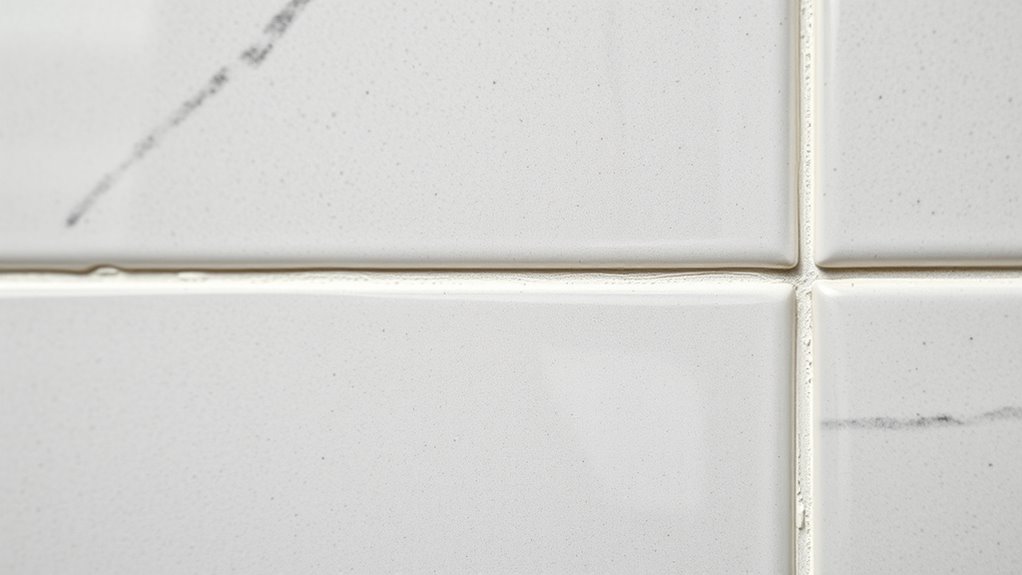
When tackling tile projects, understanding grout is vital. You’ll encounter various grout types, including sanded, unsanded, and epoxy, each suited for different applications. Sanded grout works best for wider joints, providing strength and durability, while unsanded grout is ideal for smaller gaps, delivering a smooth finish. Epoxy grout, on the other hand, offers excellent resistance to stains and moisture, making it perfect for high-traffic areas or wet environments.
Knowing the right grout application can greatly affect your project’s longevity and appearance. It’s important to choose the right type based on the tiles and the space. By selecting the appropriate grout for your project, you guarantee a strong bond and a polished look, enhancing the overall aesthetic of your tiled surfaces.
As an affiliate, we earn on qualifying purchases.
Understanding Caulk: Purpose and Applications
When you’re sealing gaps and joints, understanding the right type of caulk is essential. Different materials serve specific purposes, so knowing when and where to use them can make a big difference. Let’s explore the common caulk materials and their ideal applications to help you make the best choice.
Common Caulk Materials
Caulk serves as a versatile sealant, essential for preventing moisture and air leaks in various applications. You’ll find several common caulk materials, each with unique benefits. Acrylic latex caulk is easy to clean, making it ideal for indoor projects. Silicone rubber offers excellent flexibility and durability, perfect for wet areas like bathrooms. If you need a strong bond, consider a polyurethane sealant, which is also resistant to harsh conditions. For specific needs, you might choose oil-based caulk, known for its long-lasting seal. Foam caulk can insulate and fill gaps effectively, while specialty caulk addresses particular challenges, like high-temperature areas. Selecting the right material guarantees your sealing job is effective and long-lasting. Proper application techniques, such as surface preparation, ensure the longevity and performance of your chosen caulk.
Ideal Caulk Applications
Choosing the right caulk material can significantly impact the effectiveness of your sealing projects. Different caulk types serve unique purposes, so it’s essential to know where to apply them. Here’s a quick reference to help you choose:
| Caulk Type | Ideal Application | Color Options |
|---|---|---|
| Silicone | Bathrooms, kitchens | Clear, white |
| Acrylic-Latex | Interior trim, baseboards | Various colors |
| Polyurethane | Outdoor joints, driveways | Gray, black |
| Butyl Rubber | Roofing, gutters | Black |
| Fire-Rated Caulk | Fireplaces, chimneys | Red, gray |
As an affiliate, we earn on qualifying purchases.
Structural and Functional Differences Between Grout and Caulk
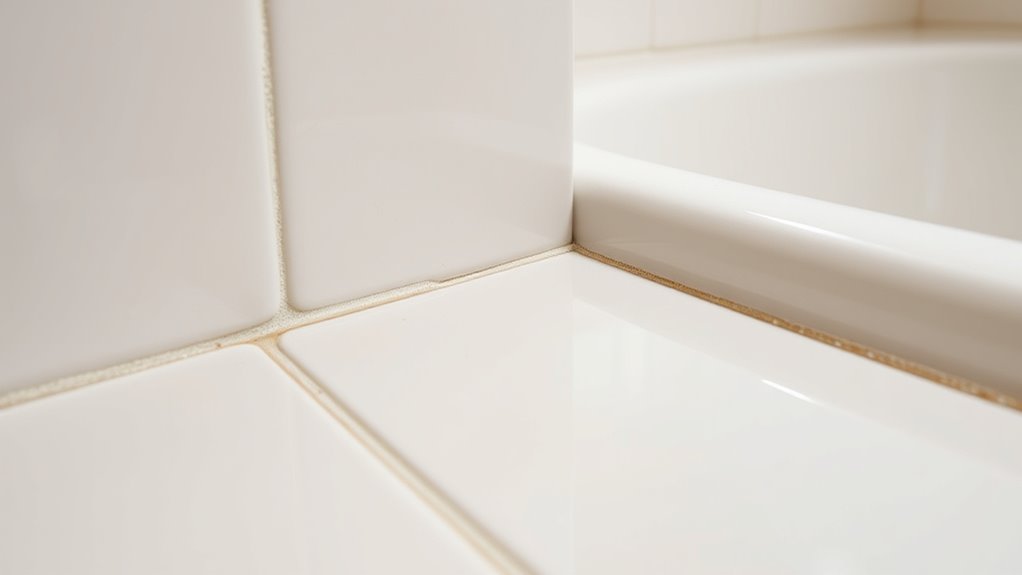
When choosing between grout and caulk, it’s crucial to understand their structural and functional differences. You’ll notice distinct variations in their composition, application techniques, and durability. Knowing these factors can help you make the right choice for your project.
Composition and Material Differences
Understanding the composition and material differences between grout and caulk is essential for successful home improvement projects. Each serves a unique purpose based on its properties.
- Grout properties: It’s a cement-based mixture, offering strength and durability, ideal for filling gaps between tiles.
- Caulk flexibility: Made from silicone or latex, it’s designed to expand and contract, making it perfect for sealing joints and gaps.
- Water resistance: Grout is less water-resistant compared to caulk, which can handle moisture better.
- Application areas: Use grout for tiled surfaces and caulk for areas needing a pliable seal, like around sinks or bathtubs.
Knowing these differences helps you choose the right material for your project, ensuring a lasting finish.
Application Techniques and Methods
Applying grout and caulk requires different techniques due to their structural and functional properties. Grout is typically used in tile installations, and you’ll need to mix it with water to the right consistency. Use a grout float to press it into the joints, making certain it’s compact and level. For caulk, which is often used for sealing gaps, you’ll want to choose a caulk gun for application. Cut the tip of the tube at an angle for precision, and apply steady pressure to create an even bead. Method comparisons show that grout needs time to cure, while caulk can often be smoothed out immediately. Understanding these application techniques helps guarantee you achieve a professional finish for your project.
Durability and Maintenance Needs
While grout and caulk serve distinct purposes, their durability and maintenance needs can greatly impact your project’s longevity. Grout typically offers superior longevity, especially in wet areas, while caulk requires more frequent upkeep.
Here are some key points to reflect on:
- Grout Longevity: It’s resistant to moisture and wear, making it ideal for tiled surfaces.
- Caulk Maintenance: You’ll need to check it regularly for cracks or mold and replace it as needed.
- Repair Ease: Grout repairs often involve more effort than simply reapplying caulk.
- Usage Areas: Use grout in solid surfaces and caulk in flexible joints for peak performance.
As an affiliate, we earn on qualifying purchases.
Choosing Grout or Caulk for Your Project
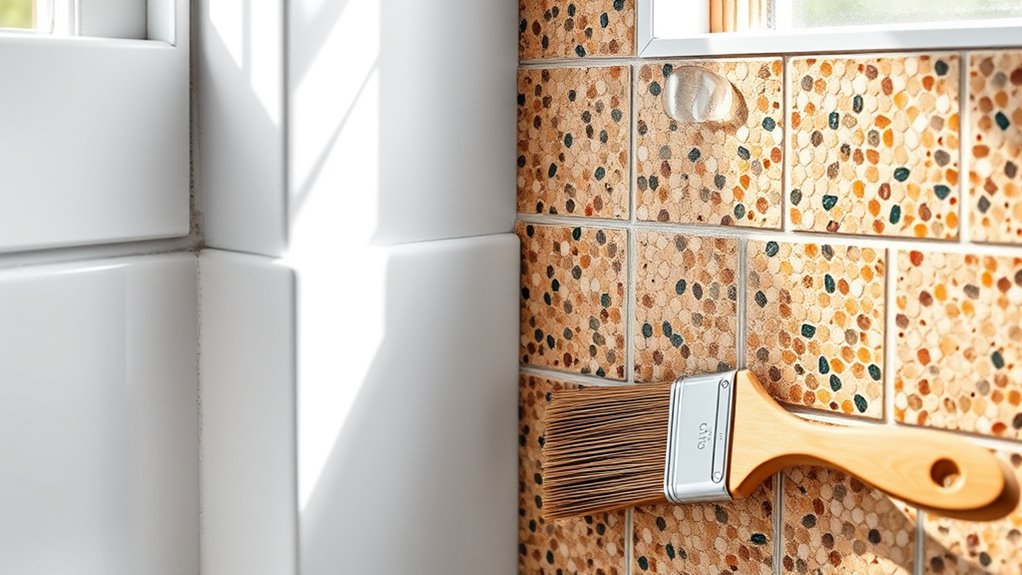
When tackling a tiling project, how do you decide between grout and caulk? Start by considering the areas you’re working on. If it’s a joint between tiles, you’ll typically use grout, which comes in various grout colors to match your design. For flexible joints, especially in corners or around fixtures, go for caulk. There are different caulk types, such as silicone and acrylic, each suited for specific conditions. Think about the moisture levels, too; silicone is often better for wet areas. Evaluating these factors will help you make the right choice, ensuring your project looks professional and stands the test of time. Remember, the right product can prevent future issues and enhance the overall appearance of your space.
Ideal Applications for Grout in Home Renovations
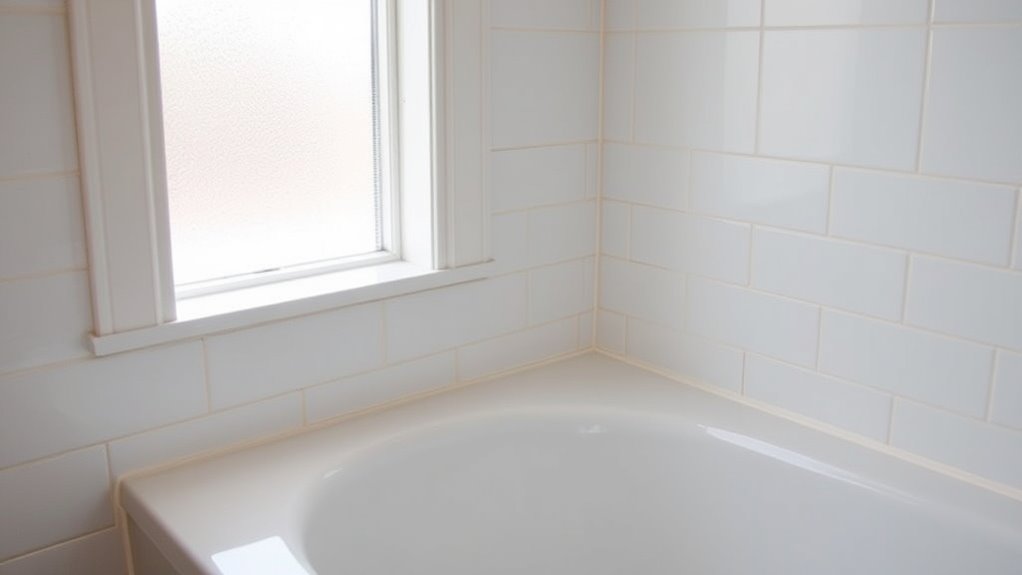
When you’re renovating your home, grout plays an essential role in the right areas. It’s ideal for filling tile joints and spaces, especially in water-resistant zones like bathrooms and kitchens. Additionally, using grout for flooring and countertops guarantees a strong, durable finish that stands up to wear and moisture.
Tile Joints and Spaces
In home renovations, choosing the right material for tile joints and spaces is essential for both aesthetics and functionality. Grout comes in various types, making it perfect for filling the gaps between tiles. It helps create a seamless look while ensuring stability. Here are some ideal applications for grout:
- Wall and floor tiles: It provides a sturdy finish.
- Mosaic tiles: Different grout types enhance intricate designs.
- Natural stone tiles: It helps prevent moisture damage.
- Colored grout: You can choose from various caulk colors to match your decor.
- Proper sealing and cleaning: Regular maintenance can prevent water damage and prolong the life of your grout. Understanding ventilation can also help in maintaining optimal conditions in your space. Additionally, selecting the appropriate grout type can influence the ease of maintenance over time. Proper application techniques ensure the longevity and effectiveness of your grout, making it a smart choice for your home renovation projects. Regularly inspecting and cleaning grout lines can also prevent mold and keep your tiled areas looking fresh.
Water-Resistant Areas
While you might think about aesthetics first, the functionality of grout in water-resistant areas is just as important in home renovations. Grout acts as a barrier, preventing moisture from seeping behind tiles, which is essential in spaces like bathrooms and kitchens. By using effective sealing techniques, you can enhance grout’s water-resistant properties, ensuring it stands up to humidity and spills. Proper moisture management is critical in these areas; grout helps maintain a dry environment, reducing the risk of mold growth. When choosing grout for water-resistant applications, opt for epoxy or polymer-modified options for added durability. Additionally, understanding the water-resistant properties of different grout types can help you select the best option for your specific needs. Remember, selecting the right grout not only enhances your space’s look but also contributes to its longevity and safety. Proper installation techniques are crucial to maximize water resistance and ensure long-lasting results. Incorporating moisture control methods can further improve the effectiveness of your water-resistant grout. Using the right sealing products can provide an extra layer of protection against moisture infiltration, especially when combined with proper surface preparation techniques.
Flooring and Countertops
Whether you’re updating your kitchen or revamping your bathroom, choosing the right grout for flooring and countertops can make a significant difference in both appearance and functionality. Grout not only enhances the aesthetic but also helps maintain the integrity of your surfaces.
Consider these ideal applications for grout:
- Ceramic and porcelain tiles: Perfect for moisture-prone areas.
- Natural stone flooring materials: Use a sanded grout for durability.
- Countertop finishes with tiles: Grout helps seal edges and prevents moisture seepage.
- Vinyl tile installations: Grout lines can improve the overall look and feel.
Best Uses for Caulk in Bathrooms and Kitchens
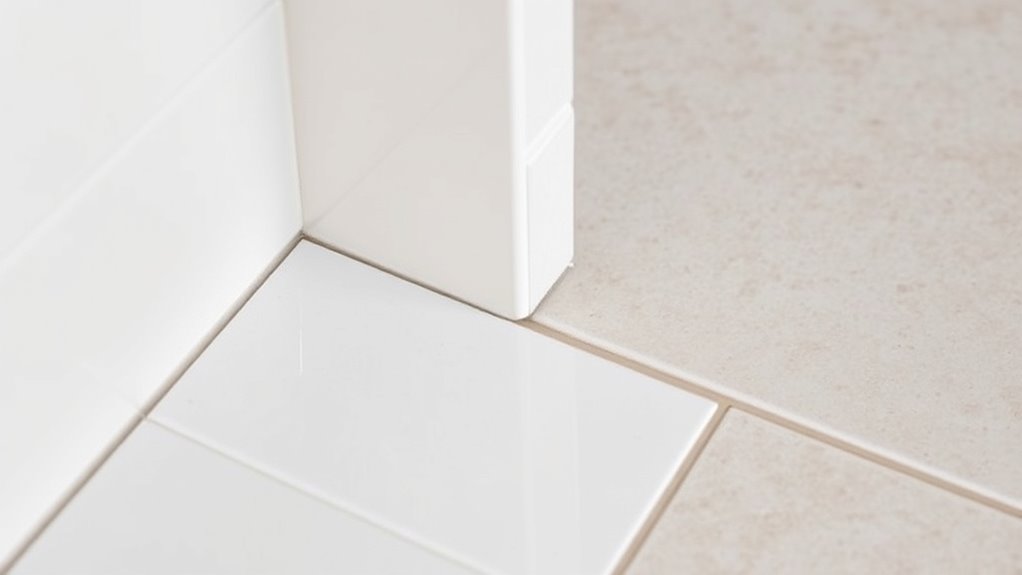
Caulk plays an essential role in maintaining the integrity of your bathrooms and kitchens, especially in areas prone to moisture. You’ll find various caulk types, such as silicone, acrylic, and latex, each offering unique benefits. Silicone caulk is perfect for sealing around sinks and tubs because it’s waterproof and flexible, while acrylic caulk is great for areas that might require paint later.
Using caulk helps prevent water infiltration, mold growth, and damage to underlying structures. It also creates a clean, polished look by filling gaps between surfaces. Don’t overlook the importance of caulk in your kitchen and bathroom projects; it’s a small detail that makes a big difference in durability and aesthetics. Choose the right type for the job, and enjoy the benefits!
Common Mistakes When Using Grout and Caulk
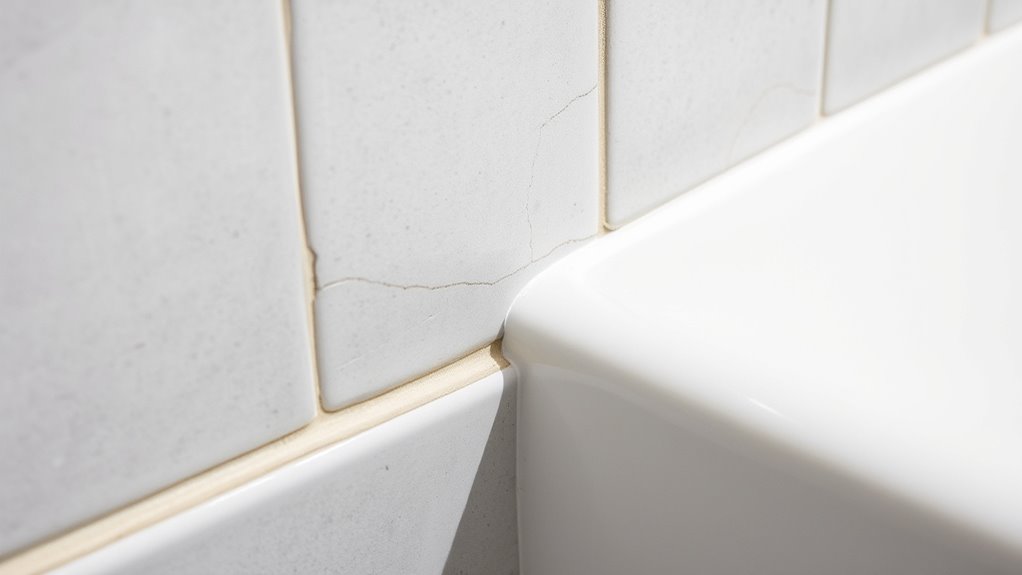
When tackling grout and caulk, it’s easy to make common mistakes that can undermine your project’s success. Being aware of these pitfalls can save you time and effort:
Avoiding common mistakes with grout and caulk can significantly enhance your project’s outcome and efficiency.
- Ignoring the differences: Don’t confuse grout with caulk; they serve different purposes.
- Rushing the grout application: Always let grout cure completely before using the area.
- Skipping surface preparation: Properly clean and dry surfaces before applying either material to guarantee a strong bond.
- Overusing caulk: Applying too much caulk can lead to unsightly messes and ineffective seals.
Keeping Your Grout and Caulk in Top Shape
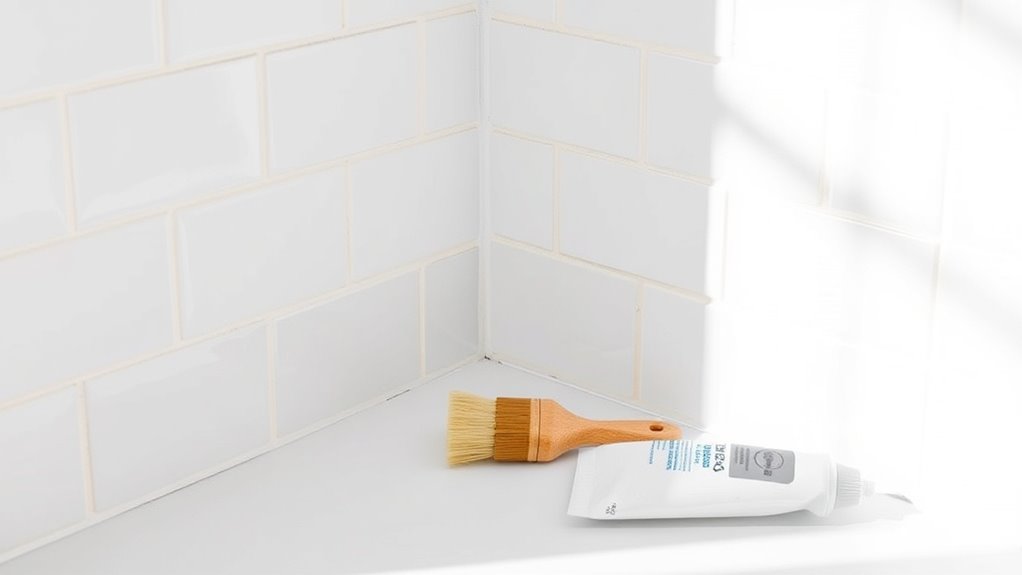
To keep your grout and caulk in top shape, it’s essential to perform regular maintenance and inspections. Start by cleaning your grout lines with a gentle brush and a mixture of water and vinegar to prevent mold and stains. Consider sealing your grout every 6-12 months for added protection. For caulk, check for any cracks or gaps and replace it when necessary. Use a caulk remover to guarantee a clean surface before applying new caulk. Regularly wipe down your caulked areas to prevent buildup of moisture and grime. Maintaining proper household hygiene is crucial in preventing mold and mildew growth. Following these grout maintenance tips and caulk upkeep strategies will extend the life of both materials, keeping your surfaces looking fresh and functional for years to come.
How to Properly Remove and Replace Grout and Caulk
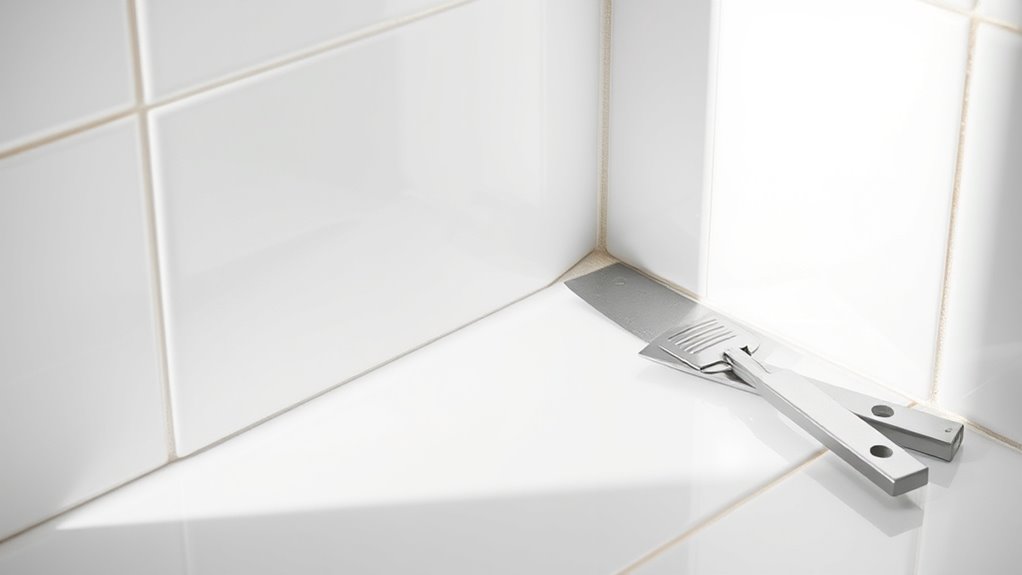
Although replacing grout and caulk might seem intimidating, it’s a manageable task with the right approach. Start by mastering grout removal techniques. Use a grout saw or a utility knife to carefully scrape out the old grout. Once that’s done, clean the area thoroughly.
Replacing grout and caulk may seem daunting, but with the right techniques, it can be a straightforward task.
Next, follow these caulk application tips for a seamless finish:
- Choose the right caulk for your project.
- Verify the surfaces are dry and clean before application.
- Use painter’s tape to create clean edges.
- Smooth the caulk with a wet finger or tool for an even look.
Finally, allow everything to cure as per the manufacturer’s instructions. With patience and care, you’ll achieve a professional-looking result!
Final Thoughts: Making the Right Choice for Your Home

After successfully replacing grout and caulk, it’s important to contemplate how these materials affect your home in the long run. Choosing the right grout colors can enhance your tile’s aesthetic appeal, while also providing durability. Consider your personal style and the overall design of your space. On the other hand, different caulk types serve specific purposes; for example, silicone is great for wet areas, while acrylic is more paintable. Think about the areas in your home that require sealing, and select caulk accordingly. Ultimately, your choices should reflect both functionality and design preferences. By thoughtfully selecting grout and caulk, you’ll guarantee your home remains beautiful and well-maintained for years to come.
Frequently Asked Questions
Can Grout and Caulk Be Used Interchangeably?
No, grout and caulk can’t be used interchangeably. You’ll notice that their application techniques and material properties differ greatly. Grout fills gaps between tiles and adds stability, while caulk seals joints and prevents moisture infiltration. If you’re aiming for durability in tiled areas, stick with grout. For areas needing flexibility and waterproofing, like around sinks, use caulk. Choosing the right one guarantees your project stands the test of time.
How Long Does Grout Typically Last Compared to Caulk?
Grout typically lasts about 10 to 20 years, while caulk generally needs replacement every 5 to 10 years. That’s right—grout lifespan is considerably longer than caulk longevity! This durability makes grout a great choice for tiled areas, while caulk works better in places needing flexibility, like corners or joints. By choosing the right material for your project, you’ll guarantee a longer-lasting and more effective finish.
Can I Paint Over Grout and Caulk?
Yes, you can paint over grout and caulk, but you’ll need to follow some painting techniques for the best results. Start with proper surface preparation—clean the areas thoroughly to remove any dirt or grime. If the caulk is smooth, you might want to roughen it slightly to help the paint adhere better. Use a high-quality paint designed for these surfaces, and you’ll achieve a more durable finish that looks great!
Are There Eco-Friendly Options for Grout and Caulk?
You can find eco-friendly options for grout and caulk that are as good for the planet as a refreshing change. Look for brands that use sustainable options and eco-friendly materials, often made from natural ingredients with low VOCs. These products not only minimize your environmental impact but also guarantee a healthier home. So, choosing green alternatives is a win-win for you and Mother Earth!
What Tools Are Needed for Applying Grout and Caulk?
To apply grout and caulk, you’ll need a few essential tools. Grab a grout float for even application and a caulking gun for precise caulk placement. Don’t forget a bucket for mixing grout and a sponge for cleaning excess. Before you start, verify proper surface preparation by cleaning and drying the area thoroughly. Mastering these application techniques will help you achieve a professional finish that lasts.
Conclusion
In the end, choosing between grout and caulk often comes down to the specific needs of your project. Coincidentally, the right choice can enhance both the appearance and longevity of your renovations. Whether you’re sealing a shower or tiling a backsplash, understanding their differences enables you to make informed decisions. By keeping your materials in top shape, you’ll guarantee your home looks great and stands strong against wear. Trust your instincts; they often lead to the best results.
NFL season / tailgating Picks
team gear
As an affiliate, we earn on qualifying purchases.