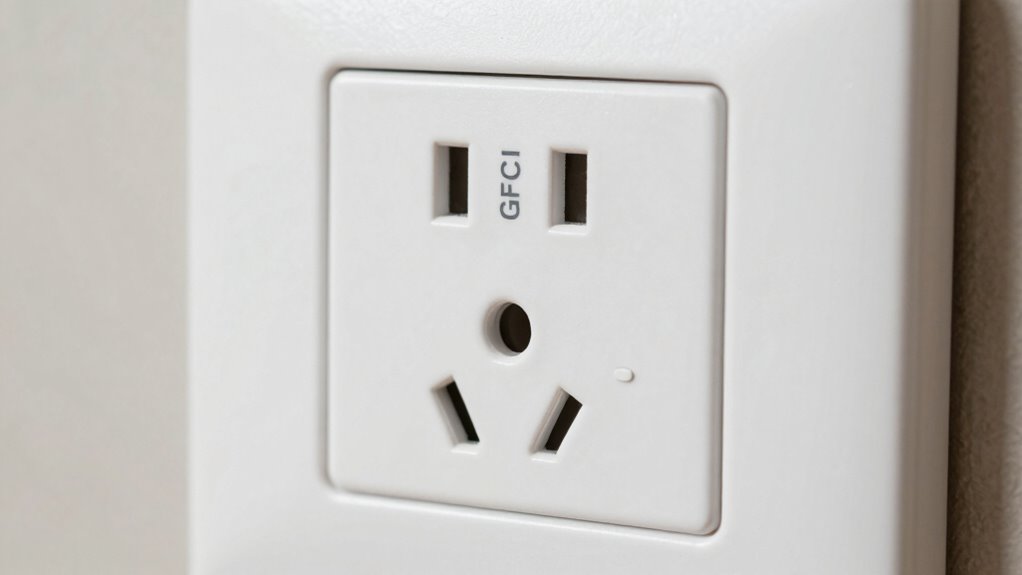

GFCI outlets protect you from electrical shocks caused by ground faults and water exposure. They detect small current leaks between the hot and neutral wires and shut off power instantly to prevent injury, especially in damp areas like bathrooms, kitchens, and outdoors. If you want to understand how they keep you safe and where to install them, keep exploring—these devices are essential for your electrical safety and well-being.
Key Takeaways
- GFCI outlets detect ground faults by monitoring current differences between hot and neutral wires to prevent electrical shocks.
- They quickly shut off power when they sense current leaks, reducing the risk of electrocution in water-prone areas.
- GFCIs protect against electrical shocks caused by faulty wiring, damaged devices, or moisture exposure.
- Regular testing ensures GFCIs function properly to prevent accidental trips and maintain safety.
- Installing GFCIs in kitchens, bathrooms, and outdoor areas safeguards you from dangerous electrical faults and water contact.

ELEGRP GFCI Outlet 20 Amp, Self-Test GFI Electrical Outlet with Thinner Design, TR Tamper Resistant GFCI Receptacle, Ground Fault Circuit Interrupters with Wall Plate, UL Listed, Matte White, 1 Pack
✅【Innovative Dual Protection System】Features twin solenoid and double silicon controlled rectifier (SCR), ensuring an always-on GFCI protection to…
As an affiliate, we earn on qualifying purchases.
As an affiliate, we earn on qualifying purchases.
What Is a GFCI Outlet and How Does It Protect You?
A GFCI outlet is a safety device designed to protect you from electrical shocks. It detects ground faults, which occur when electrical current leaks from a wire to the ground, posing a risk of shock. When such a fault is sensed, the GFCI quickly shuts off power, preventing injury. This rapid response enhances electrical safety, especially in areas prone to moisture like kitchens and bathrooms. By monitoring the flow of electricity, the GFCI guarantees that any imbalance between the hot and neutral wires doesn’t harm you. Its primary role is to reduce the risk of severe shocks caused by ground faults, giving you peace of mind. Installing GFCI outlets is an essential step in safeguarding yourself and your loved ones from electrical hazards. Electrical safety awareness is crucial for maintaining a safe living environment.

Leviton GFCI Weather-Resistant Outlet, 15 Amp, Self Test, Tamper-Resistant with LED Indicator Light, Outdoor Locations, GFWT1-W, White
Designed to improve immunity for reduced High Frequency (HF) nuisance tripping. providing increased compatibility with appliances and other…
As an affiliate, we earn on qualifying purchases.
As an affiliate, we earn on qualifying purchases.
How Do GFCI Outlets Detect and Prevent Electrical Shocks?
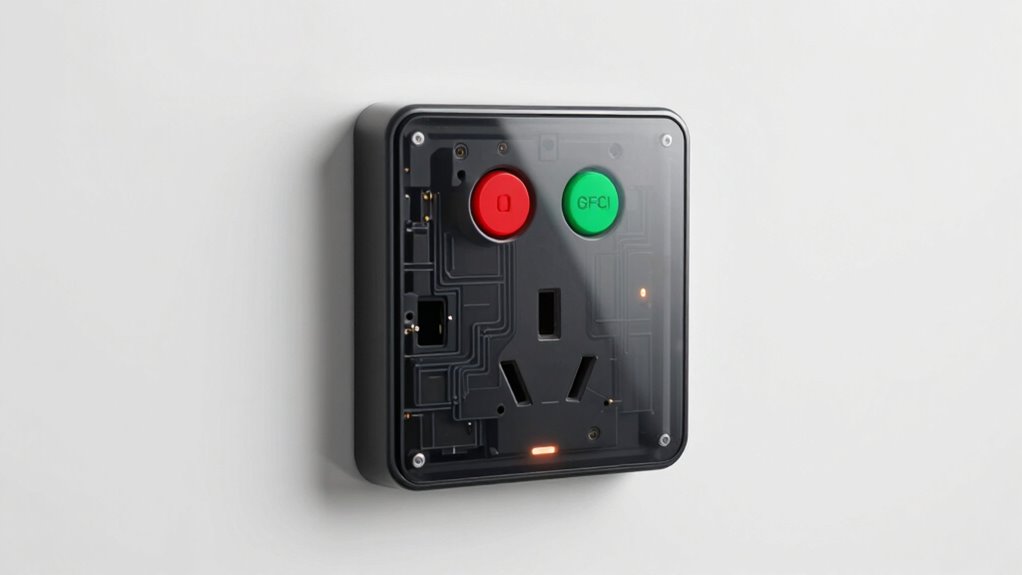
GFCI outlets sense when the current flowing through the hot and neutral wires isn’t equal, signaling a potential shock risk. They use a rapid shutdown mechanism to disconnect power almost instantly if an imbalance is detected. This quick response helps prevent electrical shocks before they can cause harm. Digital content formats are continually evolving to improve safety features like these.
Detects Current Imbalance
How do GFCI outlets quickly identify dangerous electrical faults? They do this through leak detection and circuit monitoring. The outlet constantly compares the current flowing through the hot and neutral wires. Under normal conditions, these currents are equal. If there’s a current imbalance—say, from a person touching a live wire—the GFCI detects a difference as small as 4 to 6 milliamps. This instant circuit monitoring allows the GFCI to identify even tiny leaks of current that could cause harm. When it detects an imbalance, it immediately trips the circuit, cutting off power. This rapid response helps prevent severe shocks or electrocution, making GFCI outlets a crucial safety feature in areas prone to moisture or accidental contact. Additionally, understanding the importance of high sensitivity in GFCIs ensures they respond swiftly to even minimal faults, enhancing safety.
Rapid Shutdown Mechanism
When a dangerous current imbalance occurs, the GFCI’s rapid shutdown mechanism springs into action to protect you. It detects ground faults—where current leaks to the ground—by constantly monitoring the flow of electricity. Once a discrepancy exceeds the safety threshold, the GFCI quickly disables power, preventing shock hazards. This swift response is essential for maintaining electrical safety in your home. The process involves three key steps:
- Detects ground fault through real-time current comparison.
- Triggers internal circuit breaker to shut off power.
- Isolates the faulty circuit, minimizing risk of injury.
This rapid shutdown mechanism ensures you’re protected from unexpected shocks caused by ground faults, reinforcing the critical safety role GFCI outlets play in your electrical system.

ELEGRP GFCI Outlet 15 Amp, Self-Test GFI Electrical Outlet with Thinner Design, TR Tamper Resistant GFCI Receptacle, Ground Fault Circuit Interrupters with Wall Plate, UL Listed, Matte White, 1 Pack
✅【Innovative Dual Protection System】Features twin solenoid and double silicon controlled rectifier (SCR), ensuring an always-on GFCI protection to…
As an affiliate, we earn on qualifying purchases.
As an affiliate, we earn on qualifying purchases.
Where Should You Install GFCIs in Your Home or Office?
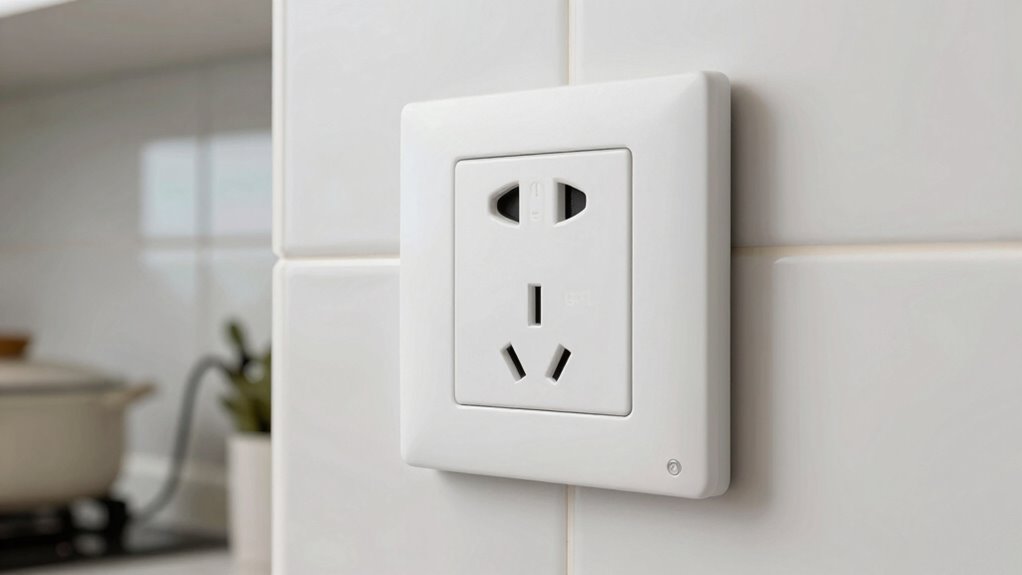
You should install GFCI outlets in areas prone to moisture, such as kitchens and bathrooms, to safeguard against ground faults. Outdoor and garage outlets are also important spots because of increased exposure to water and dirt. Proper placement guarantees safety where electrical shocks are most likely to occur. Additionally, understanding ground fault circuit interrupters helps you recognize their role in preventing electrical hazards.
Kitchen and Bathroom Outlets
Many homes and offices benefit from installing GFCI outlets in kitchen and bathroom areas, where the risk of electrical shock is higher due to moisture. These outlets protect you from ground faults that can occur when water contacts electrical devices, enhancing overall electrical safety. You should install GFCIs in:
- Outlets near sinks, bathtubs, and showers, where water exposure is common.
- Countertop receptacles in kitchens, especially those used for small appliances.
- Any electrical outlets in laundry areas or utility rooms with high moisture levels.
- Moisture-related electrical hazards in areas prone to water contact, further reducing shock risk.
Outdoor and Garage Areas
Outdoor and garage areas are common spots where moisture and exposure to the elements increase the risk of electrical shocks. Installing GFCIs in these locations is essential for landscaping safety and protecting outdoor wiring. You should place GFCI outlets in all outdoor receptacles, especially near garden tools, outdoor lighting, and water features. In garages, ensure GFCIs protect outlets used for power tools or appliances prone to moisture exposure. Proper outdoor wiring connected to GFCIs helps prevent electrical shocks caused by rain, snow, or humidity. Remember, GFCIs cut off power quickly if they detect a ground fault, reducing shock risk. Regularly test these outlets to guarantee they’re functioning correctly. This simple step keeps your outdoor and garage areas safer for everyone. Utilizing smart locks and office gear can further enhance security by monitoring access points remotely and alerting you to any issues.

ELEGRP Outdoor GFCI Outlet with Cover, Weather Resistant GFCI Receptacle and Wall Plate, 15 Amp Self-Test GFI Electrical Outlet, Thinner Design Ground Fault Receptacle, UL Listed, Matte White, 1 Pack
✅【Weather Resistant】Built with advanced UV-stabilized materials, this GFCI outlet is engineered to withstand harsh outdoor conditions, including corrosion,…
As an affiliate, we earn on qualifying purchases.
As an affiliate, we earn on qualifying purchases.
How Can You Recognize and Test Your GFCI Outlets?
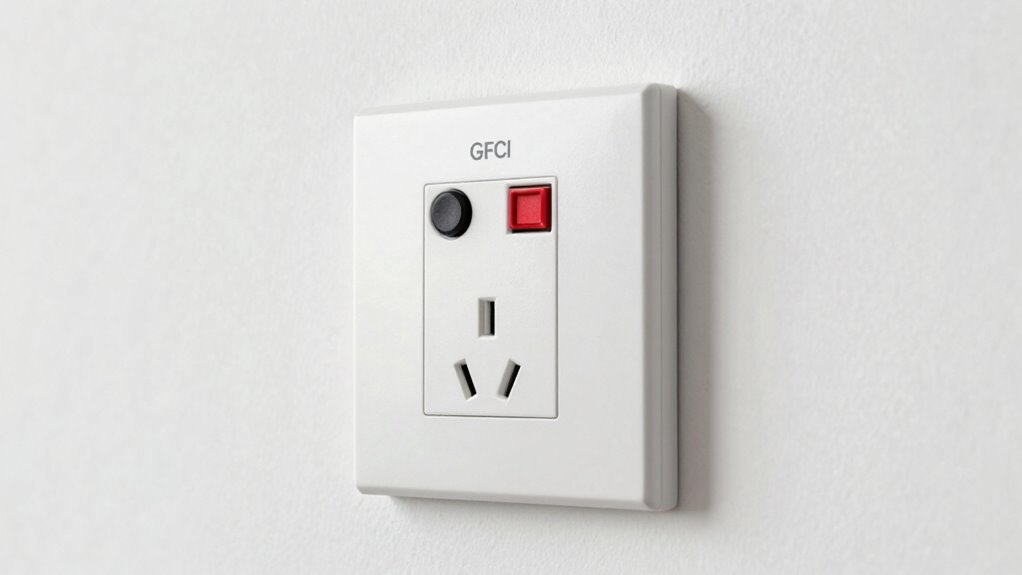
Recognizing and testing your GFCI outlets is essential for ensuring safety in your home. To identify if your outlet is functioning correctly, look for the reset and test buttons on the face of the device. These buttons indicate the outlet’s ability to protect against ground faults, which can pose serious electrical safety risks.
To test your GFCI:
- Press the “Test” button; the outlet should turn off, indicating it’s working properly.
- Press the “Reset” button; the outlet should restore power.
- Use a GFCI tester to verify correct operation, especially in areas prone to ground faults. Regular testing guarantees your GFCI outlets protect you from electrical safety hazards and provide peace of mind. Additionally, understanding ground fault concepts helps you better recognize potential hazards and maintain a safe electrical environment.
Why Do GFCI Outlets Trip, and How Do You Troubleshoot Them?
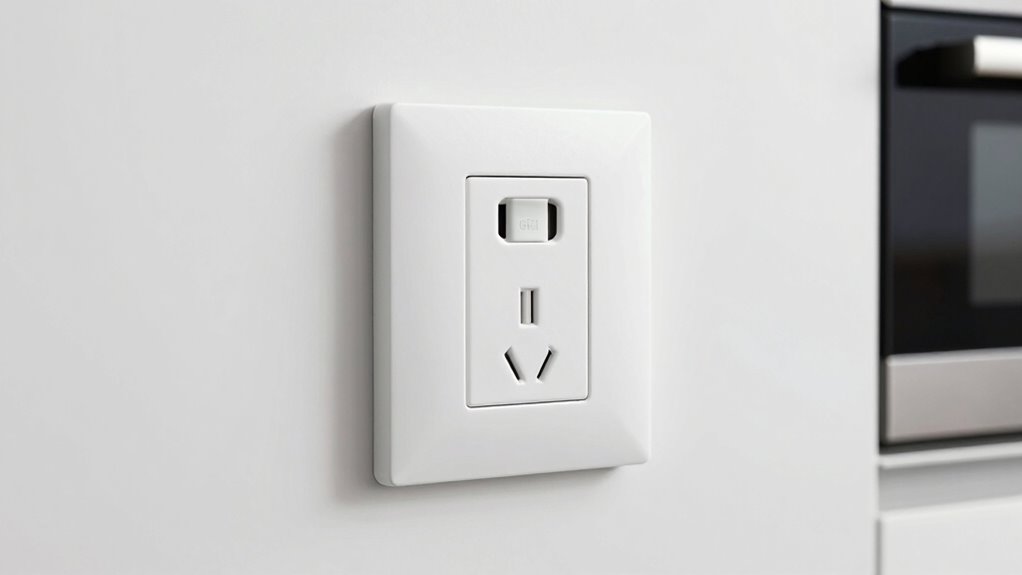
GFCI outlets are designed to protect you from electrical shocks by shutting off power when they detect ground faults. They trip when a ground fault occurs, meaning electricity leaks from the circuit, potentially through a person or faulty appliance. This prevents severe shocks and provides circuit protection. Common reasons for tripping include a ground fault in an appliance, moisture exposure, or damaged wiring. To troubleshoot, first unplug all devices from the outlet, then reset the GFCI. If it trips again immediately, the problem likely lies within the circuit or the outlet itself. Check for signs of damage, moisture, or loose connections. Understanding ground fault detection can help you better grasp why these outlets trip and how to address them. If troubleshooting doesn’t guarantee the issue, consider consulting an electrician to inspect the wiring and ensure safe operation.
Are GFCI Outlets Required by Code, and How Do They Save Lives?
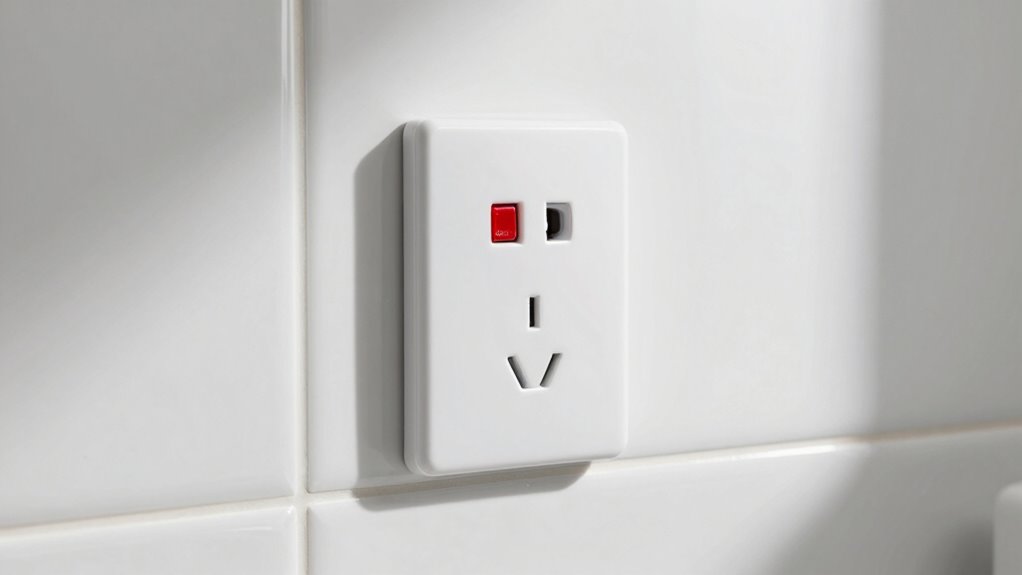
Are GFCI outlets mandated by electrical codes? Yes, they are required in many areas to enhance electrical safety. These outlets detect ground faults—situations where current leaks to the ground—and shut off power quickly, preventing shocks. The main purpose of GFCIs is to save lives by interrupting dangerous ground faults before they cause harm. Additionally, research on sound healing science indicates that certain frequencies can positively influence brainwave patterns, which underscores the importance of safety devices like GFCIs in protecting brain health during electrical incidents.
Frequently Asked Questions
Can GFCI Outlets Be Installed Outdoors or in Wet Areas?
Yes, you can install GFCI outlets outdoors or in wet areas. Just make sure to select weatherproof GFCI outlets designed for these environments. They feature weatherproof covers and proper sealing to prevent moisture intrusion. These outlets provide essential ground fault detection, protecting you from electric shocks in damp conditions. Proper weatherproof installation ensures safety and compliance with electrical codes, giving you peace of mind in outdoor or wet locations.
How Often Should I Test My GFCI Outlets?
Think of your GFCI outlets as guardians watching over your safety. You should test them at least once a month, just like a reliable sentry checking in regularly. Regular testing ensures they function properly, providing vital protection against electrical shocks. Remember, safety reminders like this keep you protected. So, mark your calendar and make testing a routine habit—your well-being depends on it.
Are GFCI Outlets Compatible With Smart Home Systems?
Yes, GFCI outlets can be compatible with smart home systems, but it depends on the model. Many smart outlets support automation integration, allowing you to control and monitor them remotely. Just make certain you choose GFCI outlets labeled as smart or compatible with your smart home hub. You might need to use a smart plug or switch designed for GFCI outlets to seamlessly integrate safety features with your automation setup.
What Are Common Signs That a GFCI Outlet Is Failing?
A flickering light or frequent tripping signals your GFCI outlet is failing, like a warning flag waving in the wind. You might notice it won’t reset or keeps tripping without reason, indicating ground fault or internal issues. These signs show the outlet isn’t reliably protecting you from electrical faults anymore. If you see these, it’s time to replace the GFCI to guarantee continued safety and prevent potential electrical hazards.
Do GFCI Outlets Protect Against Electrical Fires?
Yes, GFCI outlets help protect you against electrical fires by preventing ground faults that could cause sparks or overheating. They are essential for electrical safety, especially in wet areas like bathrooms and kitchens. Regular outlet maintenance guarantees these devices work effectively. If you notice a GFCI tripping frequently, it’s a sign to inspect for issues, so you stay safe and reduce fire risks in your home.
Conclusion
Remember, prevention is better than cure. GFCI outlets are your first line of defense against electrical shocks and fires, protecting both your home and loved ones. By understanding how they work and knowing where to install and test them, you can stay safe and avoid unnecessary trouble. Don’t wait for a problem to strike—stay proactive. As the saying goes, “A stitch in time saves nine,” so make sure your GFCIs are always in good working order.