To hang heavy items safely, start by evaluating your wall’s weight capacity and identifying materials like drywall or concrete. Use appropriate hardware, such as heavy-duty anchors and screws rated for the weight. Always locate wall studs for secure anchoring, and utilize tools like a level and stud finder. Be mindful of load distribution to avoid overloading. With the right techniques and precautions in place, your items will stay secure—discover more essential tips to guarantee safety and stability.
Key Takeaways
- Assess wall material and load-bearing capacity to determine safe hanging methods and hardware needed for heavy items.
- Use appropriate anchors or screws for the wall type, ensuring they can support the weight of the item being hung.
- Distribute weight evenly across multiple fasteners to avoid concentrated stress, enhancing stability and safety.
- Utilize a stud finder to locate and secure items directly to wall studs for maximum support.
- Wear safety gear, like gloves and goggles, to protect yourself during installation and minimize accident risks.
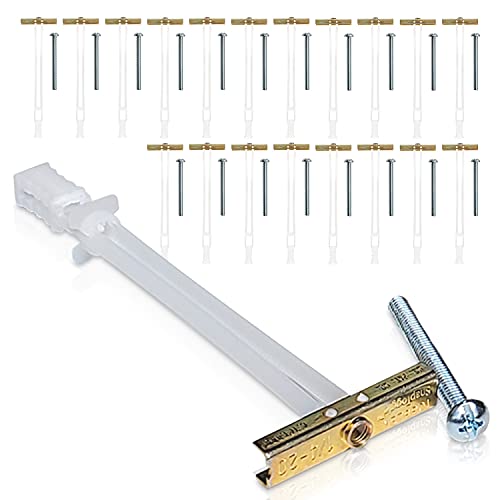
TOGGLER SNAPTOGGLE Drywall Anchor with Included Bolts for 1/4-20 Fastener Size; Holds up to 265 pounds Each in 1/2-in Drywall by TOGGLER (20 Pack)
TOGGLER SNAPTOGGLE Drywall Anchor – 1/4"-20 UNC Zinc-Plated Snaptoggle Anchors – Holds 265 lbs on Drywall, 802 lbs…
As an affiliate, we earn on qualifying purchases.
As an affiliate, we earn on qualifying purchases.
Determine Your Wall’s Weight Capacity Before You Hang
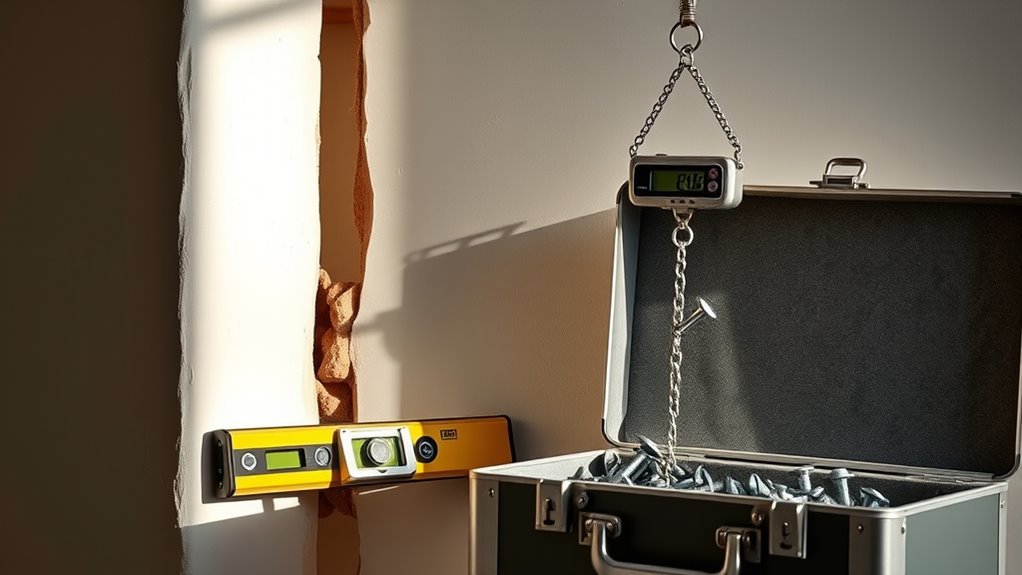
Before you hang anything heavy on your wall, it’s crucial to understand its weight capacity. Start with a wall strength assessment to determine if your wall can handle the load. Check the material—drywall, plaster, or concrete—and identify studs or anchors. This foundational knowledge helps you avoid accidents and damage. Additionally, consider the pressure washer techniques for cleaning the wall surface before installation, ensuring a secure attachment. Next, conduct a load distribution analysis. Consider how the weight will be distributed across the wall. If you’re hanging a large piece, spread the weight over multiple studs or use specialized anchors. This guarantees that your wall can support the item safely. By taking these steps, you’ll not only protect your wall but also guarantee your heavy items are securely displayed, giving you peace of mind.
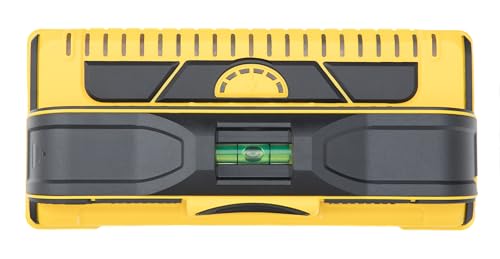
Franklin Sensors Prosensor M210 Stud Finder With 13-Sensors, Wood & Metal Stud Detector/Wall Scanner, Live Wire Detection, Made in the USA
Higher accuracy, better technology: with 13 patented sensors, the M210 detects studs more accurately
As an affiliate, we earn on qualifying purchases.
As an affiliate, we earn on qualifying purchases.
Choosing the Right Hardware for Hanging Heavy Items
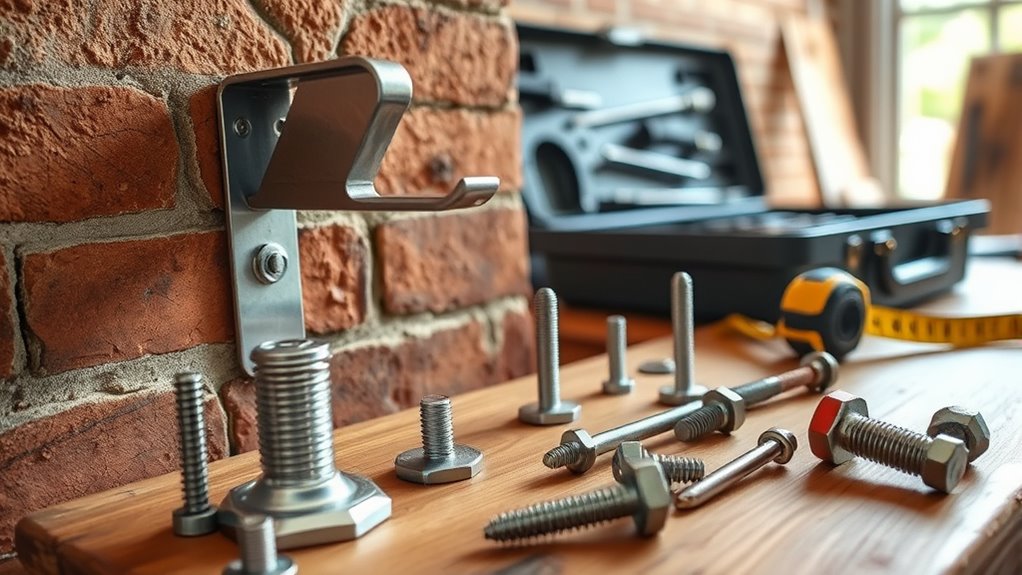
When you’re ready to hang heavy items, selecting the right hardware is essential. You’ll need to take into account weight capacity ratings, types of fasteners, and the material of your wall. Each factor plays a significant role in ensuring your items stay securely in place.
Weight Capacity Ratings
Choosing the right hardware for hanging heavy items hinges on understanding weight capacity ratings, as these ratings guarantee your items stay securely mounted. It’s vital to check the weight limits for each type of fastener you’re considering. Remember, exceeding these limits could lead to dangerous failures. Additionally, load distribution plays an important role in how weight is handled. When hanging multiple items, distribute their weight evenly across the hardware to avoid concentrated stress on a single point. This approach guarantees better stability and reduces the risk of accidents. Always choose hardware rated for more than the total weight of your items to provide a safety margin. By understanding these concepts, you’ll hang heavy items confidently and safely.
Types of Fasteners
Understanding the different types of fasteners is essential for hanging heavy items securely. The right choice not only guarantees stability but also protects your walls and belongings. Here are some common fasteners and their materials:
- Screws: Durable and versatile, often made of steel or stainless steel for added strength.
- Anchors: These come in various materials like plastic or metal, providing extra support in drywall or masonry. Proper fastener selection is crucial to ensure your heavy items are securely mounted and safely supported over time.
- Toggle bolts: Ideal for hollow walls, they expand behind the surface, distributing weight effectively.
- Wall hooks: Typically made from heavy-duty metal, perfect for hanging items that need easy access. Additionally, considering humidity management can help prevent corrosion or deterioration of metal fasteners in high-traffic areas.
- Using the correct fastener type can also help prevent damage to your walls and make future adjustments easier, especially in various wall materials.
- Proper load capacity assessment is vital to match the fastener’s strength with the weight of the item being hung, ensuring safety and durability. Ensuring fastener quality can also impact the overall safety and longevity of your installation.
Wall Material Considerations
The type of wall material you’re working with plays a significant role in determining the right hardware for hanging heavy items. Different materials require different approaches. Here’s a quick look at what you might encounter:
| Wall Material | Recommended Hardware | Considerations |
|---|---|---|
| Drywall | Toggle bolts, anchors | Verify studs are located |
| Concrete | Masonry screws, anchors | Drilling may be challenging |
| Wood | Wood screws, hooks | Confirm proper weight distribution |
For drywall considerations, always use anchors to distribute weight effectively. When facing concrete challenges, invest in quality masonry tools to guarantee stability. Knowing the wall material, including its strength and limitations, is essential for ensuring safety and durability. Additionally, understanding how to properly install hardware can prevent accidents and damage over time. Selecting the right hardware based on wall material is vital for safely hanging heavy items.
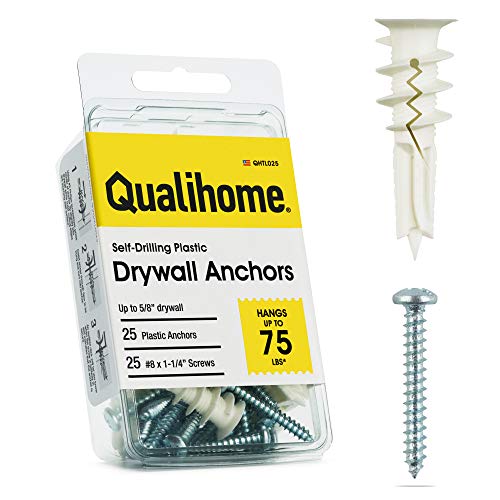
#8 Self Drilling Drywall Plastic Anchors with Screws – No Pre Drill Hole Preparation Required – 75 Lbs (25 Pack)
HANGS UP TO 75 LBS Starts easier than other self-drilling drywall anchors. Heavy Duty Anchors
As an affiliate, we earn on qualifying purchases.
As an affiliate, we earn on qualifying purchases.
Essential Tools for Safe Hanging
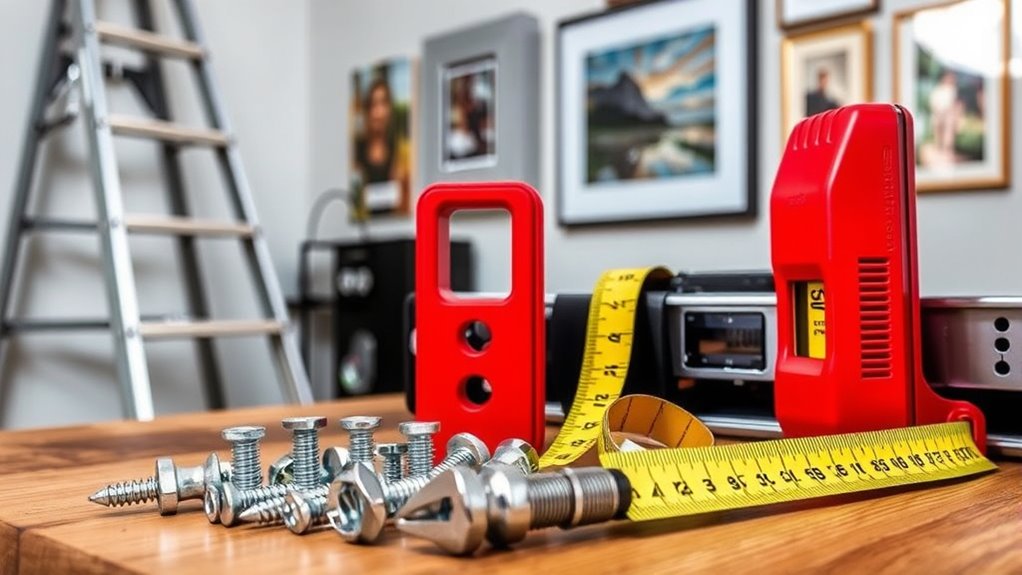
When you’re ready to hang heavy items, having the right tools is vital for safety and success. You’ll need essential hanging tools like drills and levels, along with proper safety gear to protect yourself. Let’s explore what you need to guarantee everything stays securely in place. Using the proper safety tips and tools can prevent accidents and ensure your project goes smoothly.
Essential Hanging Tools
As you prepare to hang heavy items securely, having the right tools at your disposal makes all the difference. These essential hanging tools will help you implement effective hanging techniques and guarantee proper weight distribution:
- Stud finder: Locate wall studs to provide a solid anchor point.
- Level: Confirm your heavy items hang straight, preventing any tilting.
- Drill and bits: Create precise holes for anchors, making installation easier.
- Anchors and screws: Use appropriate anchors based on your wall type for maximum support.
Being mindful of indoor air quality during installation can also prevent dust and debris from settling on your newly hung items, contributing to a healthier environment. Proper ventilation can help reduce airborne dust particles and improve overall air quality. Additionally, checking the weight capacity of your anchors and screws ensures your heavy items are supported safely without risking damage or accidents. Using appropriate tools designed for your specific wall type can further enhance safety and support. When selecting the right anchors, consider the material of your wall to ensure optimal support and durability.
With these tools, you’ll be set to hang your heavy items safely and confidently. Remember, taking the time to gather the right equipment is vital for achieving a secure and stable installation.
Safety Gear Requirements
Before you start hanging heavy items, it’s essential to guarantee you’re protected with the right safety gear. First, put on personal protective equipment, like gloves and safety goggles, to shield yourself from sharp edges and debris. If you’re using a ladder or scaffolding, a hard hat can prevent head injuries from falls or dropped tools. Additionally, ensuring your security measures include proper safety gear requirements can significantly reduce the risk of injury. Proper tool handling techniques are also crucial to avoid accidents during installation. Using the correct safety equipment ensures you are prepared for unexpected situations. Next, verify your workspace is free of clutter to avoid trips and falls. It’s also wise to wear steel-toed boots for added foot protection. Finally, consider using a harness if you’re working at heights, and double-check that all your safety equipment is in good condition. By prioritizing safety equipment, you’ll make the process smoother and protect yourself while hanging heavy items.

DaTools Z-Hanger Picture Hanging Kit 12 Inch – 2 Pairs – Z Bar Clips for Mirror Wall Frame Mounting Hardware,French Cleat Hangers 60 Lbs,Z Bracket Alloy Picture Hangers Kit for Headboard Cabinet,Art
Z Bar Cleats Hangers are made of extruded aluminum 1-1/4" wide by 3/32" thick.
As an affiliate, we earn on qualifying purchases.
As an affiliate, we earn on qualifying purchases.
Step-by-Step Guide to Hanging Heavy Items
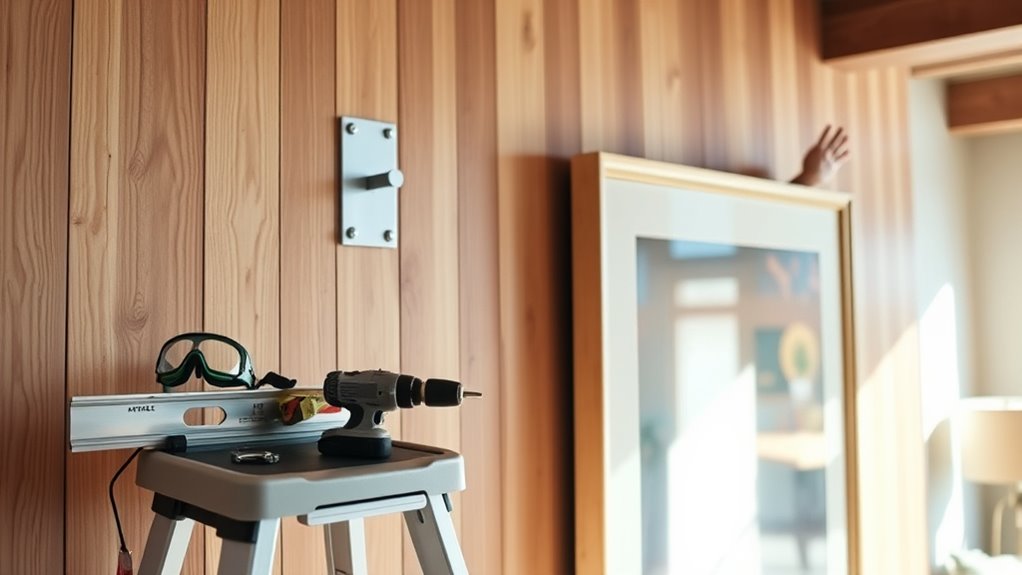
Hanging heavy items safely requires careful planning and the right tools. To guarantee successful installation, follow these steps:
- Choose the right hanging techniques for your item, whether it’s brackets, anchors, or hooks.
- Calculate the weight distribution to prevent overloading a single point; this will help maintain stability. Proper weight distribution is especially important when dealing with kitchen ventilation systems where uneven loads can cause hazards.
- Gather essential tools, including a level, drill, and measuring tape, to facilitate precise placement. Additionally, considering power backup options can ensure your tools remain functional during outages.
- Double-check your measurements before drilling to verify everything aligns perfectly. Implementing soundproofing techniques during installation can further enhance your living space.
- Ensure you understand the proper weight limits of your hardware to avoid accidents or damage.
Finding the Best Wall Studs and Anchors
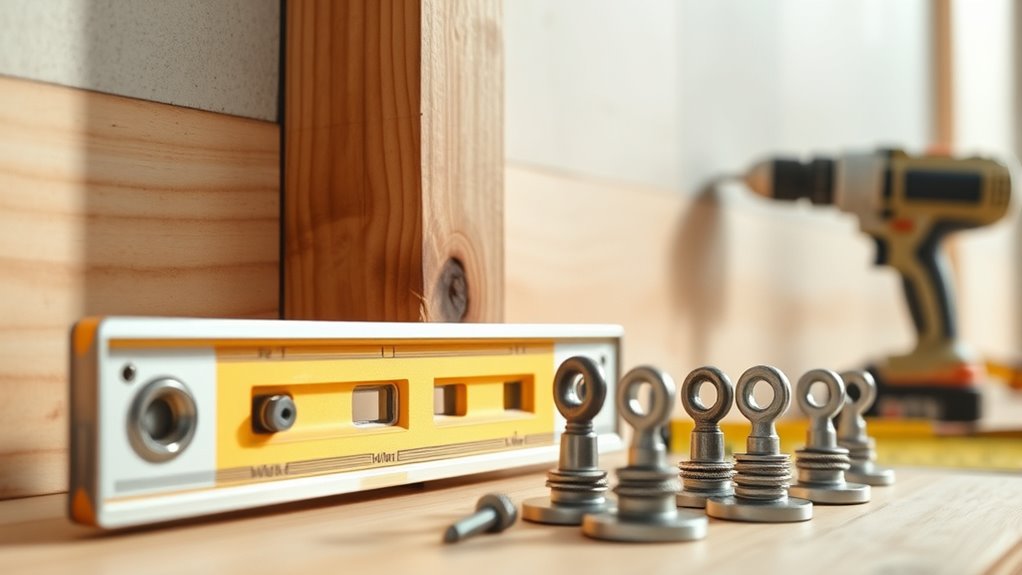
Finding the best wall studs and anchors is essential for securely hanging heavy items, since the right support can prevent accidents and damage. Use stud finder techniques to locate the studs behind your walls. Once you’ve identified the studs, you can choose the appropriate anchor types for your specific needs. Here’s a quick reference to help you:
| Anchor Type | Weight Capacity | Best Use |
|---|---|---|
| Toggle Bolts | Up to 50 lbs | Hollow walls |
| Molly Bolts | Up to 25 lbs | Sheetrock |
| Screws to Studs | Varies | Solid wood or metal |
| Plastic Anchors | Up to 10 lbs | Lightweight items |
With the right techniques and anchors, you’ll guarantee your heavy items stay securely in place. Proper wall support is crucial for ensuring safety and preventing damage to your walls when hanging heavy objects. Additionally, understanding wall material properties can help you choose the most effective anchors for different surfaces.
Top Mistakes to Avoid When Securing Heavy Items
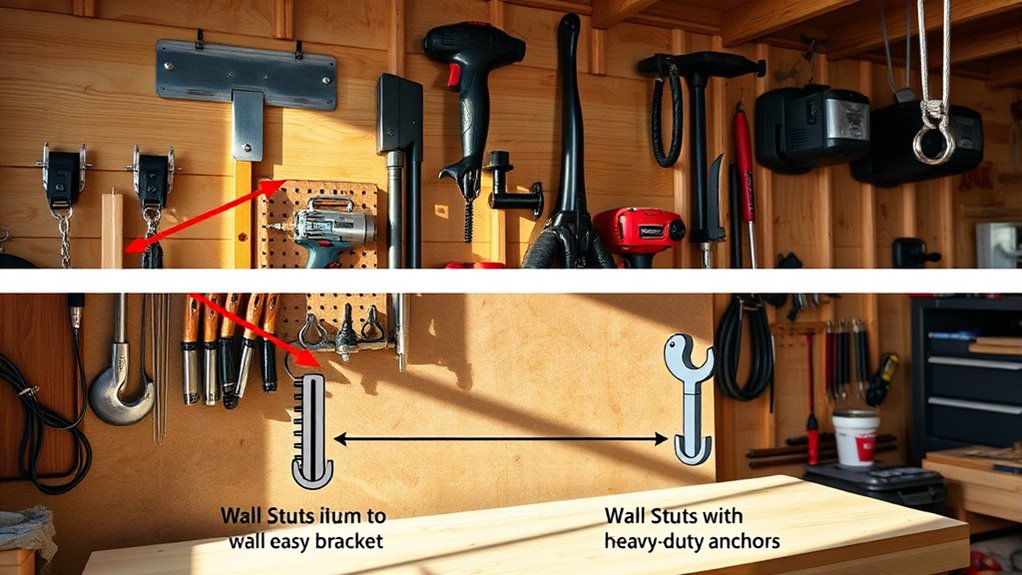
Have you ever wondered why some heavy items seem to fall despite your best efforts? It often boils down to common misconceptions and improper techniques. To help you avoid these pitfalls, here are some top mistakes:
- Not checking the weight limit of your anchors and hooks.
- Using the wrong type of anchor for your wall material.
- Overlooking the importance of securing items to wall studs.
- Neglecting to distribute weight evenly.
Simple Safety Tips to Avoid Accidents
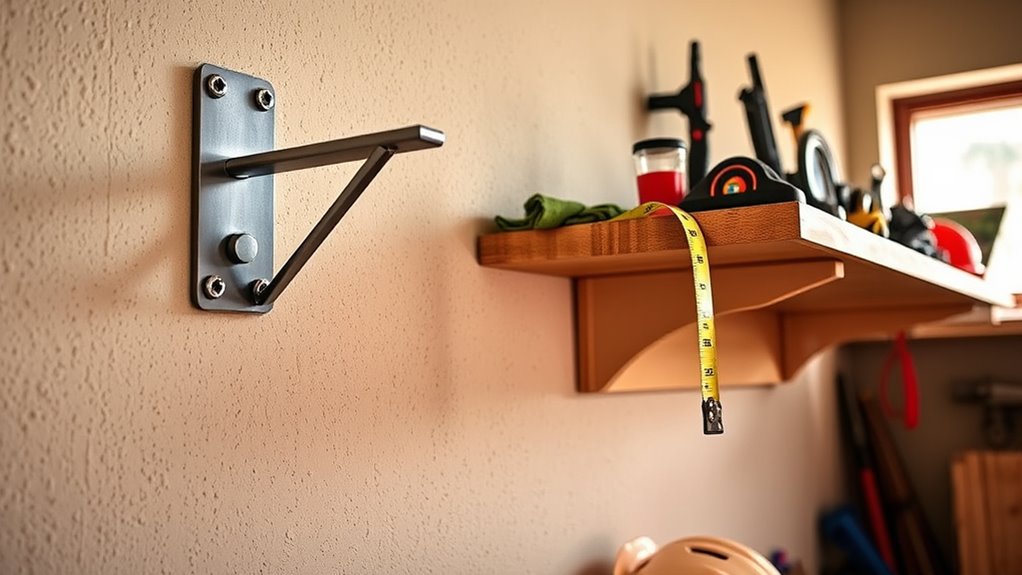
To guarantee your heavy items stay securely in place, it’s essential to follow some simple safety tips that can prevent accidents. First, always assess the weight of the item and verify your hanging method can support it. Use quality hardware that’s rated for heavy loads. Maintain safety awareness by regularly inspecting your setup for signs of wear or damage. When hanging items, confirm you’re using wall studs or appropriate anchors for your wall type. It’s also wise to plan for emergency preparedness; make sure your family knows what to do if something falls. Establish a clear area beneath the item to minimize the risk of injury. Additionally, understanding the value of home security systems can help you choose safer materials and installation methods. Regularly updating your home safety practices ensures ongoing protection. Following these tips will help keep your space safe and secure.
Securing and Maintaining Your Heavy Items
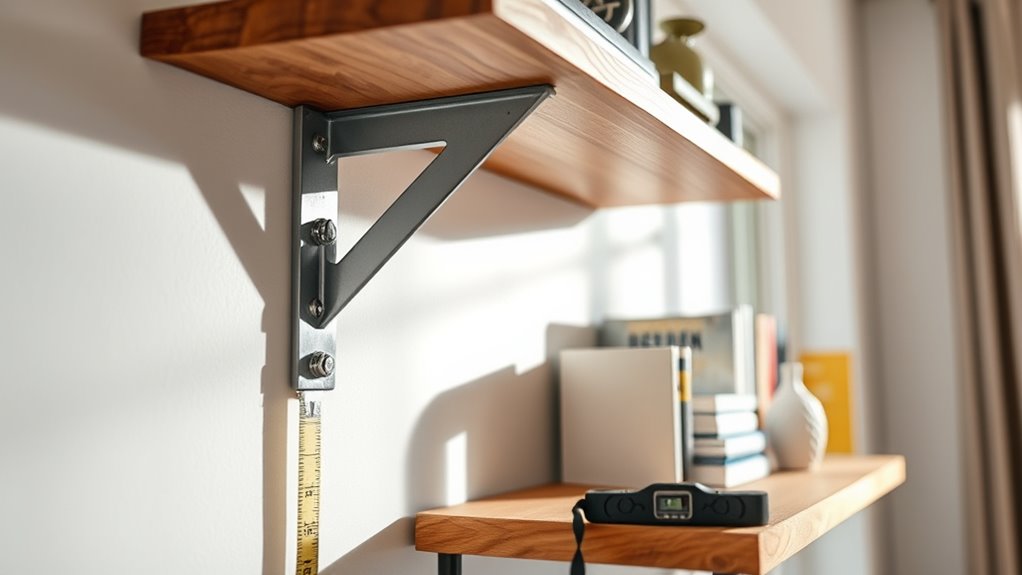
Once you’ve assured your heavy items are securely hung, maintaining their stability is just as important. Regular inspections and proper storage play an essential role in guaranteeing safety and longevity. Here’s how you can keep your heavy items secure:
Maintaining the stability of securely hung heavy items is crucial for safety and longevity; regular inspections and proper storage are key.
- Check for any signs of wear or damage on hooks and brackets.
- Verify the weight distribution remains balanced over time.
- Store items properly to avoid unnecessary strain on hanging systems.
- Regularly tighten screws and bolts to maintain stability.
Frequently Asked Questions
Can I Use Drywall Alone for Hanging Heavy Items?
No, you can’t rely on drywall alone for hanging heavy items. It’s crucial to use drywall anchors to securely support the weight. These anchors help distribute the weight evenly, reducing the risk of damage. If you’re hanging something heavy, make sure to locate a stud or use appropriate anchors designed for the load. This way, you’ll guarantee your items stay safely in place without damaging your walls. Stay safe while decorating!
What if I Can’t Find a Wall Stud?
If you can’t find a wall stud, don’t worry! You can use alternative hanging methods, like toggle bolts or heavy-duty wall anchors. For example, Sarah wanted to hang a large mirror but couldn’t locate any studs. She used a stud finder tool and, when that failed, opted for toggle bolts instead. They supported the weight perfectly, giving her peace of mind. Just remember to follow the weight limits for your chosen method!
How Do I Know if My Hardware Is Strong Enough?
To know if your hardware’s strong enough, check its load capacity against the weight of your item. Most hardware will specify the maximum weight it can support, so compare that to your hardware weight. If the weight exceeds the load capacity, consider upgrading to more robust options. For added safety, you might want to use multiple anchors or consult a professional to guarantee you’ve got the right gear for the job.
Is It Safe to Hang Heavy Items Outdoors?
Hanging heavy items outdoors can feel like balancing on a tightrope, but with the right precautions, it’s safe. You need to choose durable outdoor materials that can withstand the elements, and guarantee proper weight distribution to avoid any mishaps. Securely fasten your hardware, and always consider wind and weather conditions. By being mindful of these factors, you can confidently showcase your outdoor treasures without worrying about them crashing down.
How Often Should I Check the Stability of Hung Items?
You should check the stability of hung items at least once every few months, especially if they’re exposed to outdoor elements. For hanging frequency, consider inspecting after severe weather or if you notice any signs of wear. Use these inspection tips: give the item a gentle tug, look for rust or damage, and verify the mounting hardware is secure. Regular checks keep your items safe and prevent accidents down the line.
Conclusion
Hanging heavy items doesn’t have to be intimidating. Just like a sturdy tree needs deep roots to withstand strong winds, your wall needs proper support to hold up weighty decor. By choosing the right hardware and securing it to reliable studs, you’re ensuring your cherished pieces stay safe and sound. So, take the time to prepare and follow the steps outlined, and you’ll turn your walls into a gallery that can withstand the test of time.