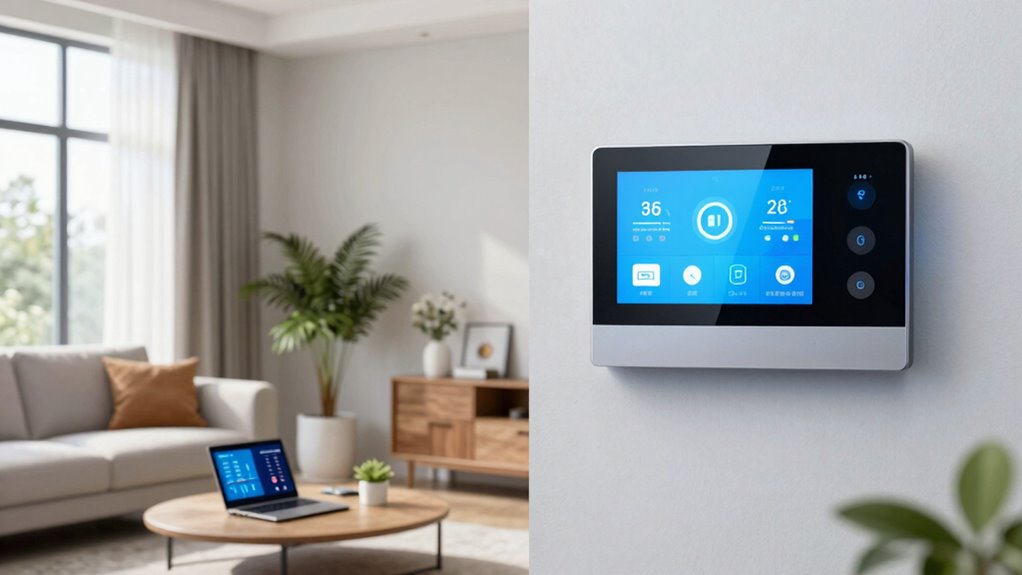

To choose a smart thermostat, start by evaluating your home’s heating and cooling systems for compatibility. Consider your lifestyle needs, including daily schedules and seasonal preferences. Look for key features like energy monitoring, remote access, and user interface ease. Budget for the thermostat and installation costs. Finally, compare brands and models to find the best fit. Keep exploring to uncover more tips on optimizing your smart thermostat selection and installation!

Get the little things that make your day delivered free — and shop member deals
- Fast, free delivery on millions of items
- Access to Prime Big Deal Days deals on October 6–7
- Prime Video, Amazon Music and more included
Key Takeaways
- Assess your home’s heating and cooling systems to ensure compatibility with the smart thermostat you choose.
- Evaluate your daily schedule and lifestyle needs to select a thermostat that optimizes temperature control effectively.
- Consider the energy-saving features and monitoring capabilities of different models to track and reduce energy consumption.
- Compare prices and installation costs across various brands, noting that professional installation may be necessary for complex systems.
- Check for compatibility with existing smart home devices and ensure the thermostat has an intuitive user interface for ease of use.
smart thermostat with energy monitoring
As an affiliate, we earn on qualifying purchases.
As an affiliate, we earn on qualifying purchases.
Why Invest in a Smart Thermostat?
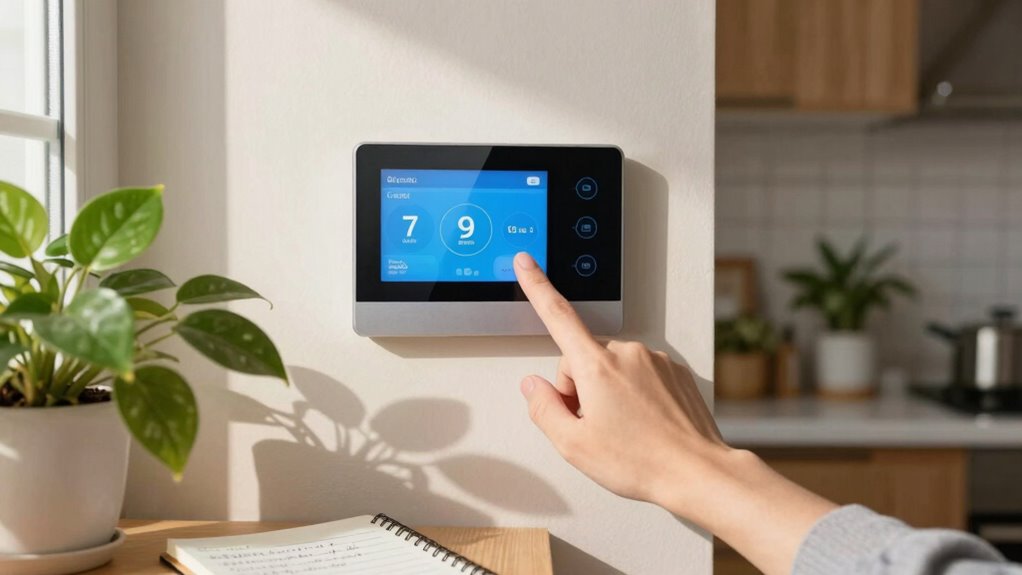
When you consider upgrading your home, investing in a smart thermostat can greatly enhance your energy efficiency and comfort. These devices learn your schedule and preferences, optimizing your heating and cooling to guarantee you’re never wasting energy. You’ll enjoy user convenience with features like remote access, allowing you to adjust the temperature from your smartphone, no matter where you are. This means you can come home to a perfectly heated or cooled space without worrying about your energy bills skyrocketing. Additionally, many smart thermostats provide energy usage reports, helping you make informed decisions that further improve your energy efficiency. Incorporating eco-friendly refrigerants into your system can further reduce environmental impact. By making this investment, you’re not only enhancing your home’s comfort but also contributing to a more sustainable lifestyle.
As an affiliate, we earn on qualifying purchases.
How Do Smart Thermostats Work?
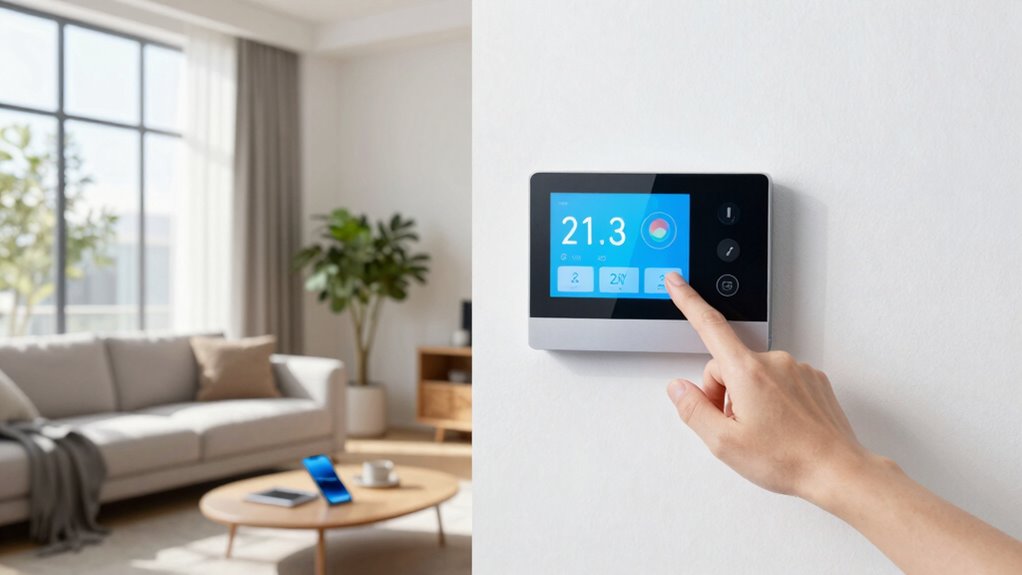
Smart thermostats operate by utilizing a combination of sensors, algorithms, and Wi-Fi connectivity to monitor and adjust your home’s temperature. This smart thermostat technology allows you to control your heating and cooling systems remotely via a smartphone app, making temperature management effortless. As it learns your schedule and preferences, the thermostat optimizes energy usage, enhancing your home’s energy efficiency features. For instance, it can automatically lower the temperature when you’re away and raise it before you return, saving you money on energy bills. By analyzing usage patterns, smart thermostats provide insights into your energy consumption, helping you make informed decisions. Overall, they create a comfortable environment while promoting energy savings and sustainability.
best compatible smart thermostats for home
As an affiliate, we earn on qualifying purchases.
As an affiliate, we earn on qualifying purchases.
Understanding Your Home’s Heating and Cooling Systems
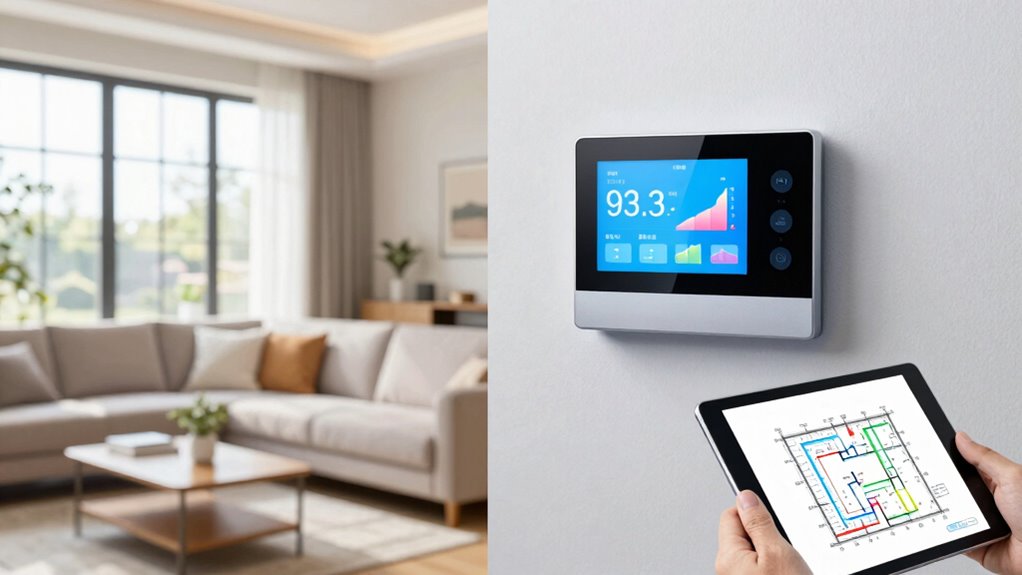
Understanding your home’s heating and cooling systems is essential for optimizing comfort and energy efficiency. Start by identifying your heating systems, which may include furnaces, boilers, or heat pumps. Each type has unique characteristics that affect performance and efficiency. Next, examine your cooling systems, typically comprising central air conditioning units or ductless mini-splits. Knowing how these systems work together helps you maintain a consistent temperature throughout your home. Consider the age and efficiency ratings of your systems, as older units may require more energy to operate. By familiarizing yourself with their functionality, you’ll make more informed decisions when selecting a smart thermostat that best suits your home’s specific needs and maximizes your energy savings.
smart thermostat for central HVAC system
As an affiliate, we earn on qualifying purchases.
As an affiliate, we earn on qualifying purchases.
Evaluating Your Lifestyle Needs for Temperature Control
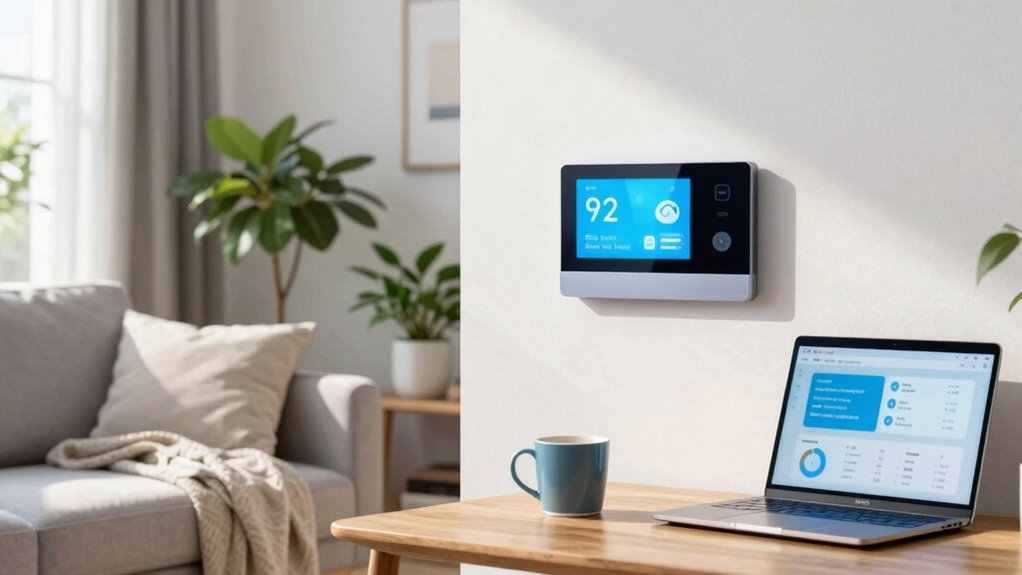
When choosing a smart thermostat, think about your daily schedule and how often you’re home. The size of your space also plays a role in how effectively a thermostat can manage temperature. Finally, consider your seasonal preferences—some people love a cooler environment in summer, while others prefer warmth in winter. Additionally, understanding home automation protocols can help ensure your thermostat integrates seamlessly with other smart devices.
Daily Schedule Considerations
As your daily routine shapes your heating and cooling needs, evaluating your lifestyle is essential for effective temperature control. Understanding your usage patterns helps you choose the right programming options for your smart thermostat. Consider factors like when you wake up, leave for work, and come back home. This allows you to customize your settings to match your daily schedule, ensuring optimal comfort and energy efficiency. Being aware of your energy-saving habits can further optimize your system’s performance and cost savings.
Home Size Impact
The size of your home greatly influences your heating and cooling needs, making it crucial to take into account this factor when selecting a smart thermostat. You’ll want to verify the thermostat capacity matches your home’s dimensions and insulation quality. A larger space may require a more powerful unit, while well-insulated homes can maintain temperature better with less.
Consider these factors:
- Square footage of your home
- Number of rooms and floors
- Quality of home insulation
- Local climate conditions
Seasonal Temperature Preferences
How do your seasonal temperature preferences impact your comfort at home? Understanding your preferences is essential for making smart thermostat choices. If you enjoy a warm, cozy environment during winter, consider a thermostat that allows for more significant seasonal adjustments. In contrast, if you like cooler temperatures in the summer, look for models that can efficiently manage temperature variations.
You might also want to program different settings for weekdays versus weekends, reflecting your lifestyle. A smart thermostat can adapt to your routine, ensuring your home remains comfortable year-round. Additionally, optimizing your indoor air quality can contribute to a healthier living environment while managing temperature preferences. Considering air exchangers/ERVs, such as energy recovery ventilators, can help maintain optimal indoor air quality without sacrificing temperature control. Proper ventilation systems can also reduce microplastics in dust, improving overall air quality. Incorporating ventilation technology can further enhance your home’s airflow and air quality. Understanding the role of HVAC system efficiency can help you select the most suitable options for your needs. By evaluating your seasonal temperature preferences, you’ll enhance your comfort and energy efficiency, ultimately creating a more enjoyable living space. Make your thermostat work for you and your unique needs!
Key Features to Consider When Choosing a Smart Thermostat
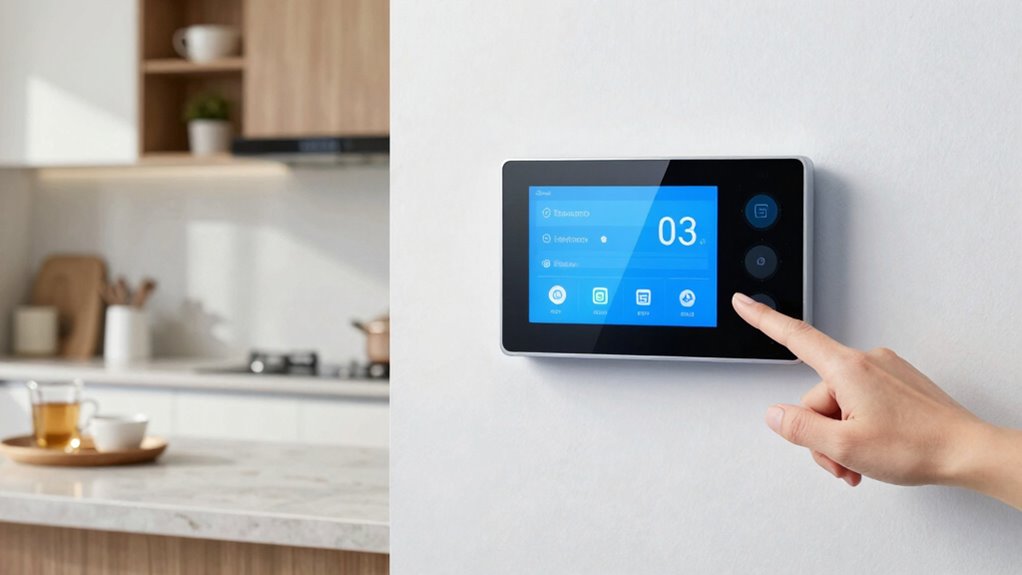
What features should you prioritize when selecting a smart thermostat? First, look for a user interface that’s intuitive and easy to navigate. You want a device that’s not only functional but also user-friendly. Next, consider energy monitoring capabilities; these features help you track your energy usage and optimize efficiency. Additionally, check for compatibility with your smartphone or smart home systems. Incorporating simple training principles into your setup can also ensure more consistent and effective climate control.
Smart Thermostat Compatibility With Your HVAC System
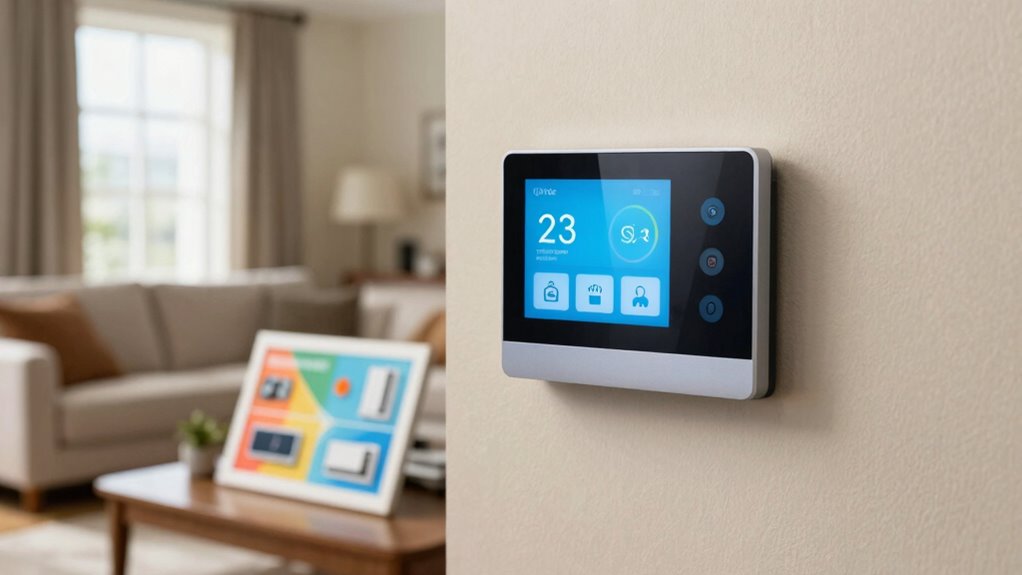
Are you sure your new smart thermostat will work with your existing HVAC system? Before making a purchase, you need to check compatibility with your HVAC requirements. Different thermostat types—like wired, wireless, or line-voltage—have unique installation needs. Start by identifying your current system, whether it’s central heating, a heat pump, or a radiator setup. Then, ascertain the smart thermostat you choose supports those specific HVAC requirements. Most manufacturers provide compatibility lists, so take advantage of those resources. Also, consider whether your system utilizes a C-wire, as some smart thermostats require this for power. Ultimately, verifying compatibility can save you time, money, and frustration down the line when you install your new thermostat.
How Much Should You Budget for a Smart Thermostat?
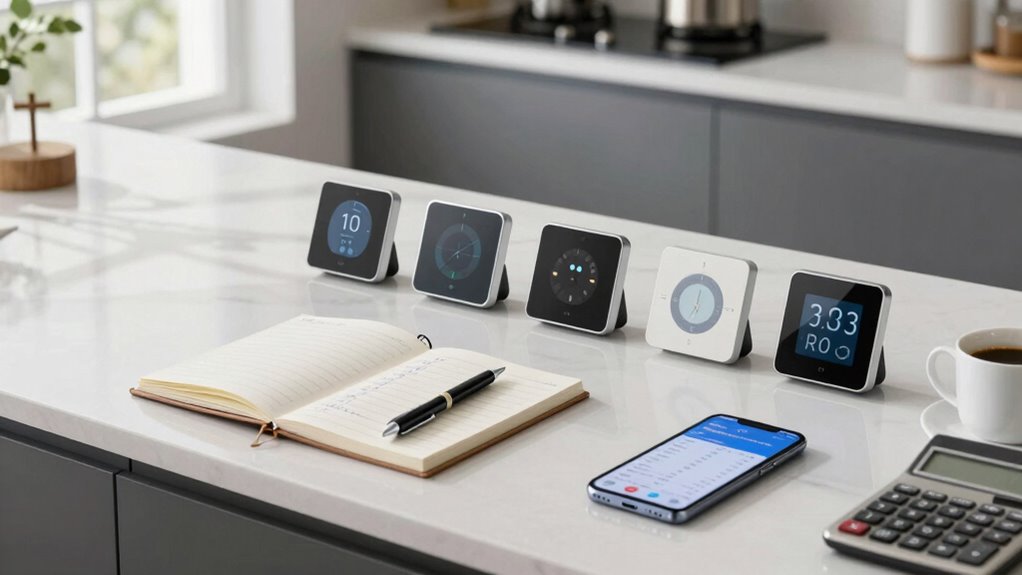
When budgeting for a smart thermostat, you’ll want to take into account the average price range, which typically falls between $100 and $300. Don’t forget about installation costs, as hiring a professional can add to your total. However, keep in mind the energy savings potential, which might offset some of your initial expenses over time.
Average Price Range
As you consider upgrading to a smart thermostat, it’s important to understand the average price range to guarantee you budget effectively. Prices can vary based on smart thermostat types and thermostat features. Generally, you can expect to spend between $100 and $250.
Here are some factors affecting the price:
- Basic models: Usually range from $100 to $150.
- Mid-range options: Typically cost between $150 and $200, offering additional features.
- High-end models: Can go from $200 to $250, with advanced functionalities like geofencing and energy reports.
- Smart home compatibility: Some units may cost more if they integrate seamlessly with other smart devices.
Understanding these ranges will help you choose the best option for your needs.
Installation Costs Involved
Installation costs for a smart thermostat typically range from $100 to $300, depending on your home’s setup and whether you choose professional installation or a DIY approach. If you’re handy, DIY can save you money. However, professional installation guarantees everything’s set up correctly.
Here’s a quick look at the common installation types and their costs:
| Installation Type | Estimated Cost | Warranty Options |
|---|---|---|
| DIY Installation | $100 – $150 | Limited warranty |
| Professional Installation | $200 – $300 | Extended warranty |
| Smart Home Integration | $250 – $350 | thorough warranty |
Consider your skill level and warranty options when budgeting. This can help you make the best choice for your smart thermostat.
Energy Savings Potential
After you’ve considered installation costs, it’s time to think about the energy savings a smart thermostat can bring to your home. With the right model, you can enjoy significant savings on your energy bills. Here’s what to look for regarding energy savings potential:
- Energy efficient settings that adjust temperatures automatically based on your schedule
- Cost saving features like geofencing, which optimizes heating and cooling based on your presence
- Usage reports that help you understand your consumption patterns
- Remote control options, allowing you to adjust settings from anywhere
Investing in a smart thermostat not only improves comfort but also provides long-term financial benefits through reduced energy costs.
Installation Options: DIY or Professional Help?
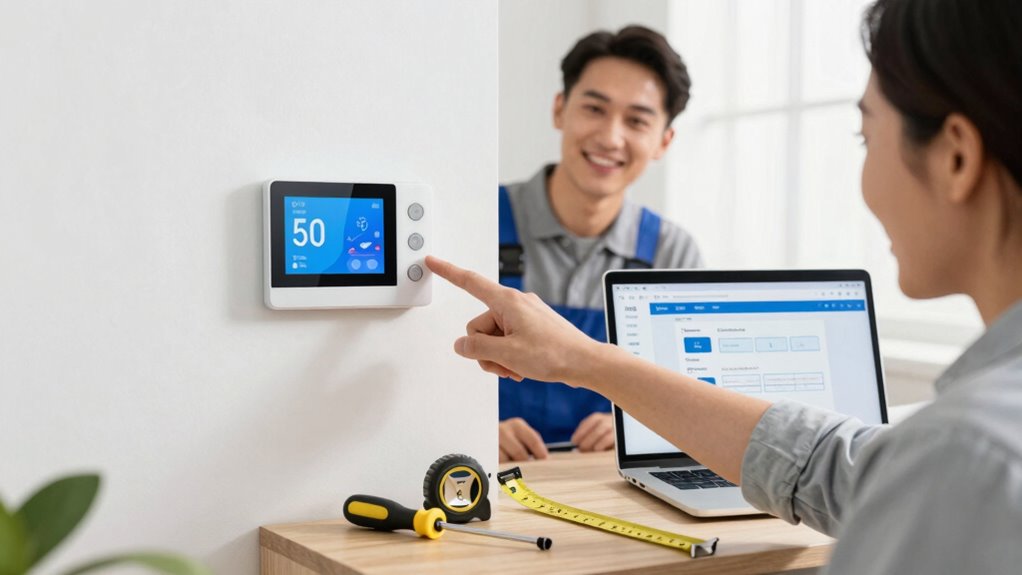
How do you decide between installing a smart thermostat yourself or hiring a professional? Consider your comfort level with DIY installation. If you’re handy and have experience with home projects, you might find it rewarding to tackle the installation on your own. Most smart thermostats come with detailed instructions, making DIY installation straightforward. However, if you’re unsure or your home has a complex heating and cooling system, professional installation could save you time and potential headaches. Professionals can guarantee everything’s set up correctly, optimizing your thermostat’s performance. Weigh your skills, the complexity of your system, and your budget to make the best choice for your needs. Remember, the right installation method can enhance your smart thermostat’s effectiveness.
Comparing Top Smart Thermostat Brands and Models
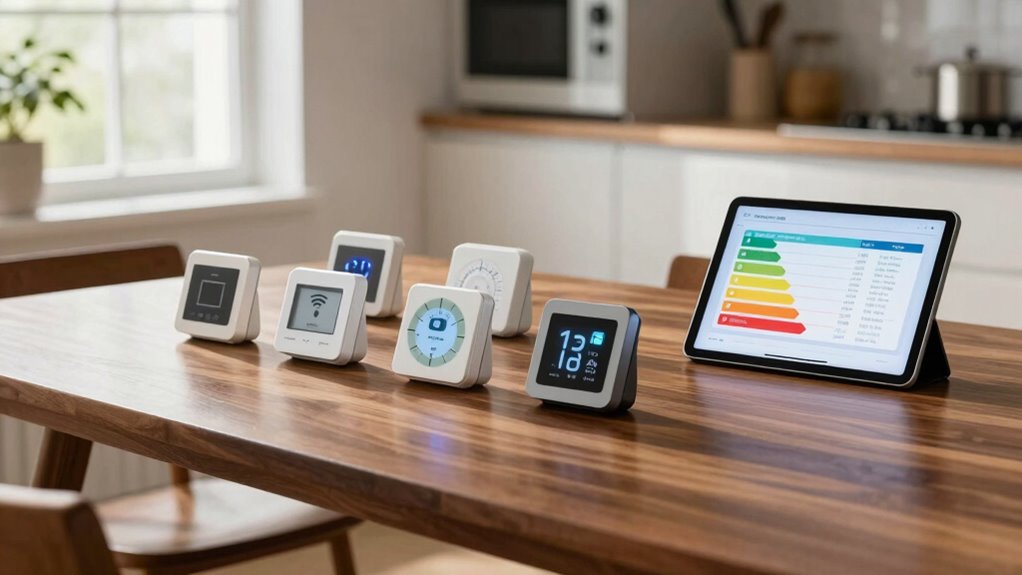
Once you’ve decided on the installation method that works best for you, it’s time to explore the various smart thermostat brands and models available on the market. You’ll want to take into account factors like compatibility, features, and ease of use. Here’s a quick comparison:
- Nest vs Ecobee: Nest offers a sleek design and learning capabilities, while Ecobee features remote sensors for better temperature control.
- Honeywell features: Honeywell provides a user-friendly interface and robust scheduling options.
- Integration: Check how well each thermostat integrates with your smart home devices.
- Price range: Evaluate your budget, as prices can vary considerably.
Frequently Asked Questions
Can Smart Thermostats Help Reduce Energy Bills?
Yes, smart thermostats can definitely help reduce your energy bills. By optimizing your energy consumption, they learn your schedule and adjust temperatures accordingly, ensuring you’re not wasting energy when you’re away. You’ll notice cost savings over time as they maintain your home’s climate more efficiently. Plus, many models provide insights into your energy usage, helping you make informed decisions that further enhance your savings. You’ll enjoy both comfort and a lighter bill!
Do Smart Thermostats Work With Older HVAC Systems?
Absolutely, smart thermostats can work with older HVAC systems, but you’ll need to keep a few compatibility concerns in mind. Before you plunge into it, check if your system uses a standard 24V connection; it’s like finding a vintage record that still plays. For installation, consider hiring a pro if you’re unsure, or follow the manufacturer’s tips closely. With the right setup, you’ll enjoy modern convenience without sacrificing your classic HVAC charm.
Are Smart Thermostats Secure From Hacking?
Smart thermostats can have vulnerabilities, but many manufacturers prioritize smart thermostat security. They often include encryption and regular software updates to protect against hacking risks. To enhance your security, use strong, unique passwords and enable two-factor authentication if available. Regularly check for firmware updates to keep your device secure. While no system is entirely hack-proof, taking these precautions can considerably reduce the likelihood of unauthorized access to your smart thermostat.
Can I Control My Smart Thermostat Remotely?
Your smart thermostat’s like a magic key, releasing comfort from anywhere. Yes, you can control your smart thermostat remotely! With remote access through a mobile app, you can adjust the temperature, set schedules, or switch modes while you’re away. Imagine returning home to the perfect warmth, all thanks to a few taps on your phone. Stay connected and in control, ensuring your space is just right when you walk through the door.
What Happens During a Power Outage With Smart Thermostats?
During a power outage, your smart thermostat loses its functionality, but if it has a battery backup, it can keep running temporarily. Once power restoration occurs, your thermostat reconnects to your Wi-Fi and resumes normal operation. You might not even notice the outage if the backup battery kicks in. However, if it doesn’t have a backup, you’ll need to reset it once power is restored to regain control over your home’s climate.
Conclusion
Choosing the right smart thermostat can feel like revealing a treasure chest of comfort and savings. Imagine effortlessly adjusting your home’s temperature with just a tap on your phone, or coming home to a perfectly cozy environment after a long day. By considering your needs, understanding compatibility, and weighing features, you’ll find the perfect match. So immerse yourself, and let technology transform your space into a haven of energy efficiency and personalized comfort.
Halloween Picks
halloween
As an affiliate, we earn on qualifying purchases.