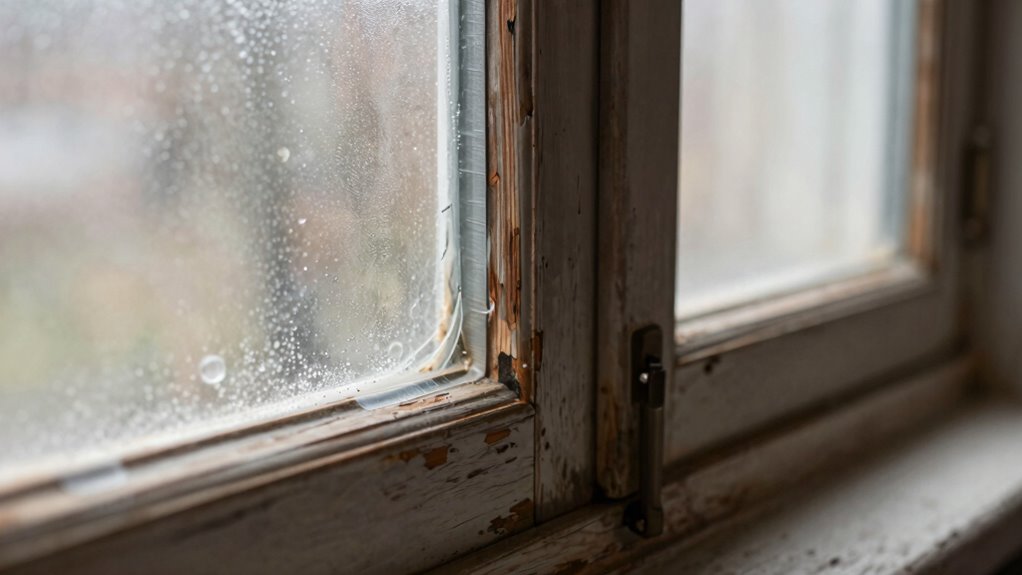
Draft-proofing old windows helps you reduce heat loss and lower energy bills without sacrificing their charm. Techniques like weatherstripping, caulking, and interior storm windows are effective and reversible, ensuring your historic features stay intact. It’s important to choose methods that don’t damage the original craftsmanship and align with preservation principles. If you want to know more about balancing energy efficiency with maintaining your vintage windows’ character, keep exploring the options and best practices.

Get the little things that make your day delivered free with Prime
- Fast, free delivery on millions of items
- Prime Video, Amazon Music and more included
- Member-only deals all year
Key Takeaways
- Draft-proofing preserves historic window charm while reducing heat loss and energy bills.
- Non-invasive methods like weatherstripping and caulking are effective and reversible for old windows.
- Professional restoration maintains original features and enhances window efficiency without damage.
- Interior storm windows provide extra insulation without altering original window frames.
- Thoughtful draft-proofing supports sustainability, preserving authenticity and improving home comfort.
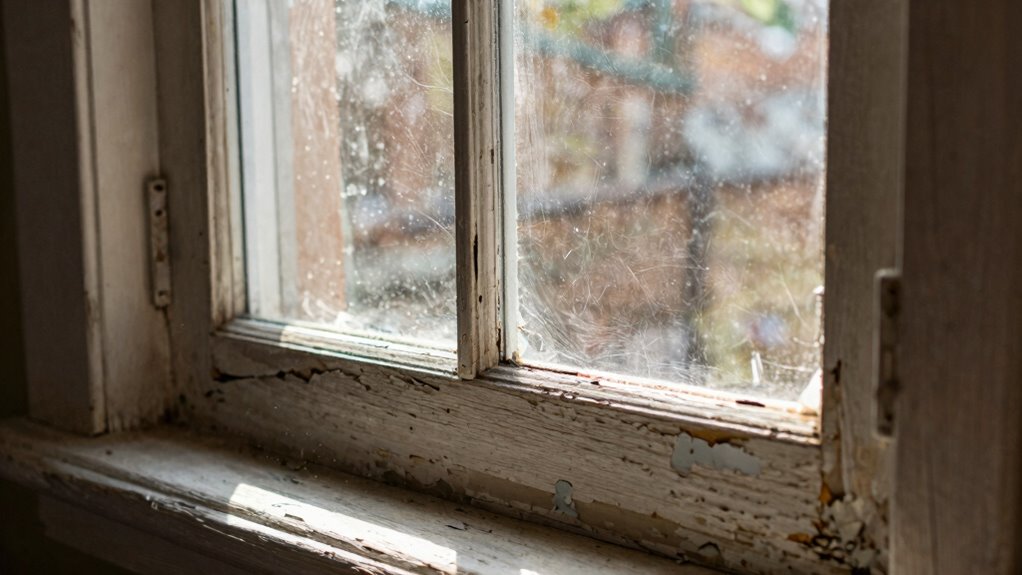
Are your old windows letting cold drafts sneak in and driving up your energy bills? If so, you’re not alone. Many homeowners with historic homes or vintage properties face the challenge of improving energy efficiency without sacrificing the charm and authenticity of their windows. Draft-proofing these windows can be a game-changer, but it’s important to understand what’s involved and what you stand to gain.
Old windows can cause drafts and higher energy bills—learn how to preserve charm while improving efficiency.
When you consider draft-proofing, you’re aiming to seal gaps and leaks around window frames that cause air to escape or enter, especially during the colder months. Properly done, it can significantly reduce heat loss, lower your heating costs, and create a more comfortable living space. However, if you’re committed to maintaining the integrity of a historic property, you need to be cautious. Many older windows are valued for their craftsmanship and historical significance, so you want solutions that enhance energy efficiency without damaging or altering the original features.
The good news is that many draft-proofing methods can be both effective and respectful of historical preservation. Weatherstripping is a common, non-invasive option that can be applied to sashes and frames without changing the window’s appearance. It comes in various forms, such as foam, felt, or rubber, and can be easily removed if needed. Caulking is another simple solution for sealing small gaps around frames, especially where wood has expanded or contracted over time. These methods are affordable, straightforward, and reversible, making them ideal for preserving the character of your windows.
If you’re dealing with more substantial issues, like rotting wood or broken seals, you might consider professional restoration. Restoring the original window components can restore both energy efficiency and aesthetic value, ensuring your home remains authentic. For you, balancing energy efficiency and historical preservation means choosing solutions that are minimally invasive yet highly effective. In some cases, installing interior storm windows can provide an additional barrier against drafts without altering the original window. Additionally, understanding building conservation principles can help guide you in making choices that protect your home’s historic features while improving its energy performance. Incorporating sustainable living practices can also help reduce your overall energy footprint and support eco-friendly home improvements. Learning about insulation techniques can further optimize your efforts to keep drafts out and heat in.
Ultimately, draft-proofing old windows is about smarter, more sustainable living. It’s a way to respect your home’s history while improving comfort and reducing energy costs. When done thoughtfully, it allows you to enjoy the best of both worlds—preserving the unique charm of your vintage windows while making your home more energy-efficient. With the right approach, you get to keep the character of your property intact while enjoying the benefits of a cozy, draft-free environment. Incorporating biodiversity and sustainable living practices into your home maintenance can also contribute to a healthier environment and greater conservation efforts. Being aware of environmentally friendly options can further enhance your home’s sustainability.
interior storm windows for old windows
As an affiliate, we earn on qualifying purchases.
As an affiliate, we earn on qualifying purchases.
Frequently Asked Questions
How Long Does Draft-Proofing Last Before Needing Reapplication?
Draft-proofing typically lasts about 5 to 10 years, but this depends on your window maintenance and the weatherstripping lifespan. Over time, weatherstripping can wear out or become brittle, reducing its effectiveness. You should inspect your windows regularly for drafts and signs of deterioration. When you notice drafts or damaged weatherstripping, it’s time to reapply or replace it to maintain energy efficiency and prevent heat loss.
Are There Eco-Friendly Draft-Proofing Options for Old Windows?
Imagine sealing a gentle breeze that whispers through your old windows, offering comfort without harm. Eco-friendly materials, like natural rubber or recycled fabrics, provide sustainable solutions to draft-proofing. These options not only preserve your home’s warmth but also protect the environment. By choosing eco-friendly solutions, you embrace a greener lifestyle while ensuring your windows stay snug and efficient for years. It’s a simple step toward a healthier planet and a cozier home.
Can Draft-Proofing Improve Home Energy Efficiency Significantly?
Yes, draft-proofing can substantially boost your home’s energy efficiency. By adding window insulation, you reduce air leaks that cause heat loss in winter and heat gain in summer. This improvement minimizes your reliance on heating and cooling systems, leading to noticeable energy savings. Investing in eco-friendly draft-proofing options not only saves you money but also lowers your carbon footprint, making your home more sustainable and comfortable year-round.
Is Professional Installation Necessary for Effective Draft-Proofing?
They say, “A job well done is worth doing right.” For draft-proofing old windows, professional installation isn’t always necessary, especially if you want to preserve historical integrity. DIY techniques can be effective if you’re careful and knowledgeable. However, if your windows are delicate or historically significant, hiring experts guarantees proper sealing without risking damage. Ultimately, the choice depends on your skills and the importance of preservation.
What Are the Costs Involved in Draft-Proofing Old Windows?
Draft-proofing old windows costs vary based on window materials and the level of historical preservation needed. You might spend between $50 and $300 per window for weatherstripping or specialized treatments, especially if you want to maintain the building’s historic charm. DIY options are cheaper but professional installation guarantees better results and preserves the integrity of historical features. Consider your budget and preservation goals when choosing the best solution.
weatherstripping foam for vintage windows
As an affiliate, we earn on qualifying purchases.
As an affiliate, we earn on qualifying purchases.
Conclusion
Now that you know how to draft-proof your old windows, you’ve taken a big step toward a cozier home. Think of it as sealing a leaking boat—once you fix the cracks, you’re better equipped to weather any storm. With a little effort, you’ll enjoy warmer days, lower energy bills, and a home that feels snug as a bug in a rug. So go ahead, seal those windows and let comfort flow in.
caulking for historic window gaps
As an affiliate, we earn on qualifying purchases.
As an affiliate, we earn on qualifying purchases.
reversible draft-proofing for old windows
As an affiliate, we earn on qualifying purchases.
As an affiliate, we earn on qualifying purchases.
NFL season / tailgating Picks
team gear
As an affiliate, we earn on qualifying purchases.