A P-trap is a crucial part of your plumbing system. It’s shaped like a U and holds water to block sewer gases from entering your home. By allowing waste to drain while keeping that water seal, it helps maintain a healthy environment. Plus, it can alert you to clogs early on, preventing bigger problems. Stick around to discover more about common issues, maintenance tips, and how to handle your P-trap effectively.
Key Takeaways
- A P-Trap is a U-shaped plumbing component that holds water to block sewer gases from entering homes.
- It allows wastewater to flow out while maintaining a water seal essential for odor prevention.
- Regular maintenance of P-Traps can prevent clogs and ensure proper drainage.
- Debris buildup in P-Traps can lead to slow drainage or backups, indicating the need for cleaning.
- Hiring a professional is advisable for persistent issues or complex plumbing problems involving the P-Trap.

Kitchen Sink Drain Kit,1-1/2”,for Most Kitchen Sink Drain Repair Kit and Bathroom Sink Drain Kit, Kitchen Sink P Trap Drain Kit 1 1/2” for Sink Plumbing Kit, Completed Sink Pipe Replacement Kit
Universal Compatibility: This kitchen sink plumbing kit comes with all tubualr parts that removes the guesswork from any…
As an affiliate, we earn on qualifying purchases.
As an affiliate, we earn on qualifying purchases.
What Is a P-Trap and How Does It Work?
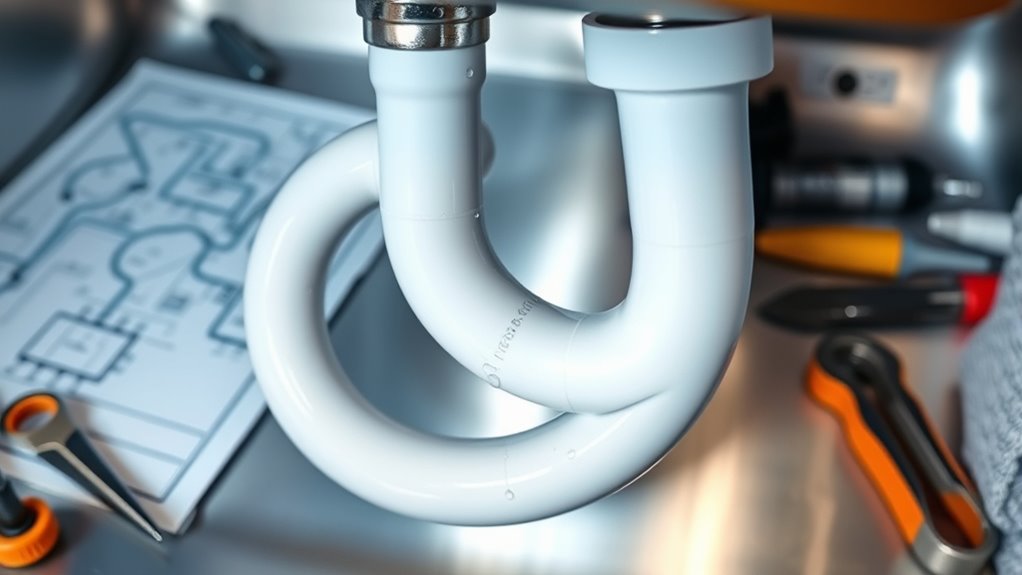
A P-trap is an indispensable plumbing component that you often find under sinks and other fixtures. Its design features a U-shaped bend that’s essential for proper drainage. The P trap function is simple yet fundamental: it holds a small amount of water, creating a seal that prevents sewer gases from entering your home. When you drain water, it flows through the trap, allowing waste to exit while the water remains. This clever design not only keeps your plumbing functioning smoothly but also maintains a healthy environment. If you’re ever working on your plumbing, understanding the P trap design and function will help you troubleshoot issues effectively, ensuring your system remains efficient and odor-free.

P Trap Cleaner Set,3 IN 1 P Trap Brush for Shower Kitchen Sink Bath Tub Bathroom,Including 20 Inch Drain Snake Remover,61 Inch Flexible Wire Brush,18 Inch All Bristle Brush
Ideal Set: Comes with 3 different p trap brushes including 20 Inch drain snake,61 Inch flexible wire brush,18…
As an affiliate, we earn on qualifying purchases.
As an affiliate, we earn on qualifying purchases.
Why Your Plumbing Needs a P-Trap
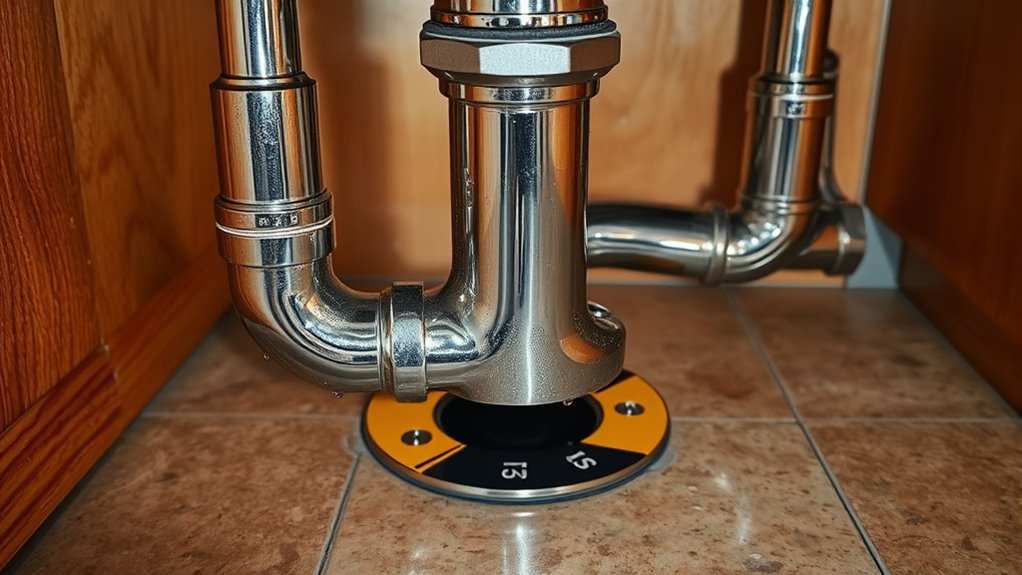
Without a P-trap, your plumbing system would face serious issues, as this essential component serves multiple important functions. Understanding the P-trap benefits is vital for maintaining plumbing safety in your home. Here are three key reasons why you need a P-trap:
- Odor Prevention: The water seal in the P-trap blocks sewer gases from entering your living space, keeping your home smelling fresh.
- Clog Detection: P-traps can help you identify clogs early, making it easier to address issues before they escalate into major problems.
- Waste Management: They guarantee that wastewater flows properly, preventing backflow and making sure your plumbing operates efficiently.

Plumb Pak 400WK Plastic P-Trap Kit with Reducing Washer, 1.5" or 1.25", White
Plastic P-trap
As an affiliate, we earn on qualifying purchases.
As an affiliate, we earn on qualifying purchases.
Troubleshooting Common P-Trap Issues
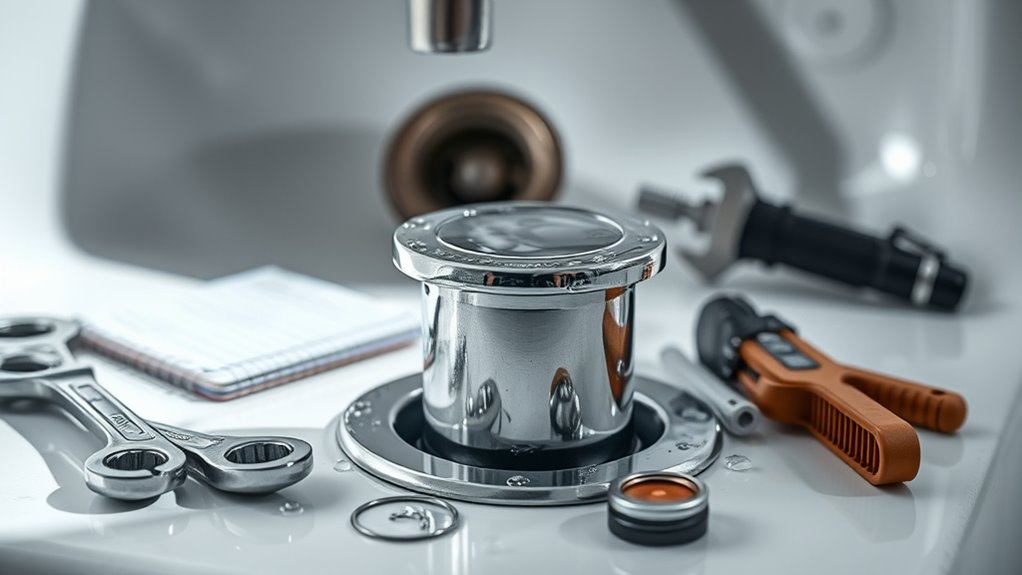
While P-traps are essential for your plumbing system, they can sometimes encounter issues that require troubleshooting. One common problem is a clogged drain. If you notice water draining slowly or backing up, it’s likely due to debris buildup in the trap. You can often resolve this by removing the trap and cleaning it out.
Another issue might be odor problems. If you smell unpleasant odors coming from your sink, it could mean the water seal in the P-trap is low or evaporated. To fix this, simply run water down the drain to refill the trap. Regularly checking and maintaining your P-trap can help prevent these issues from becoming major headaches.

Drain Auger, Clog Remover with Drill Adapter, 25 Feet Flexible Plumbing Snake Use Manually or Powered for Kitchen, Bathroom and Shower Sink, Comes with Gloves (orange)
Professional: This professional plumbers snake comes complete with 25 ft Steel, more than enough for most household clog,…
As an affiliate, we earn on qualifying purchases.
As an affiliate, we earn on qualifying purchases.
Essential Maintenance Tips to Prevent P-Trap Issues
To keep your P-trap functioning smoothly, set up a regular cleaning schedule. Don’t forget to monitor for any leaks, as catching them early can save you from bigger problems later. By staying proactive, you can prevent common issues and maintain a hassle-free plumbing system. Additionally, be aware of potential microplastics in dust, which can accumulate in plumbing components and affect indoor air quality.
Regular Cleaning Schedule
Regular maintenance is essential if you want to keep your P-trap functioning properly and prevent costly plumbing issues. Establishing a regular cleaning schedule helps maintain peak performance. Here’s a simple maintenance checklist to follow:
- Cleaning frequency: Clean your P-trap every three to six months, depending on usage. If you have a busy household, consider increasing the frequency.
- Inspect for clogs: Before cleaning, check for any visible clogs or buildup. Remove hair and debris to avoid blockages.
- Use natural cleaners: Utilize a mix of baking soda and vinegar for an eco-friendly clean. This solution helps break down buildup without harsh chemicals.
- Understand the filtration/suction basics to ensure your plumbing system stays clear of debris that can cause blockages. Regularly checking your system’s drainage efficiency can help identify potential issues early.
Monitor for Leaks
Monitoring for leaks is essential to maintaining your P-trap’s efficiency and preventing water damage in your home. Regular leak detection helps you identify issues before they escalate. Check for signs of moisture around the P-trap and pipes, as even small leaks can lead to significant problems over time. If you notice dampness or unusual odors, it’s time to investigate further. You can also use a moisture meter to assess hidden leaks. Make it a habit to inspect your plumbing regularly, especially after heavy usage or changes in water pressure. By prioritizing moisture prevention, you’ll save yourself from costly repairs and guarantee your plumbing system functions smoothly for years to come. Stay proactive, and your P-trap will thank you!
DIY Guide: Installing or Replacing Your P-Trap
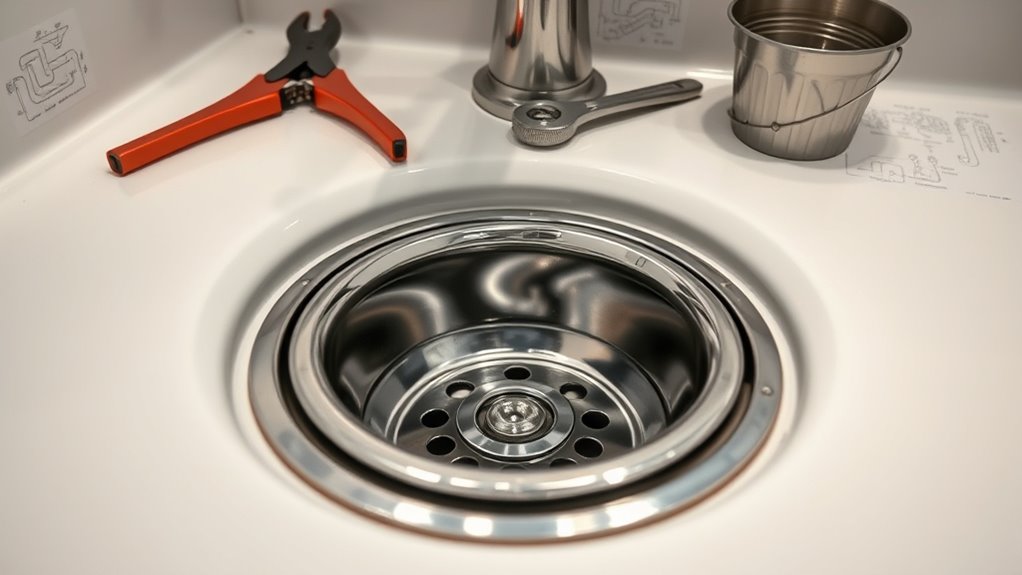
Whether you’re dealing with a leaky sink or looking to upgrade your plumbing, installing or replacing a P-trap is a manageable DIY task. You’ll need a few essential tools to get started, and following some simple installation tips will guarantee a smooth process.
Installing or replacing a P-trap is a straightforward DIY project that can enhance your plumbing.
Here’s what you’ll need:
- Pipe Wrench – This helps you grip and turn the plumbing fixtures.
- Plumber’s Tape – Use this to seal threaded connections and prevent leaks.
- Bucket – Place it under the sink to catch any water during removal.
Before you begin, make certain to turn off the water supply. Follow the manufacturer’s instructions, and double-check fittings for tightness after installation to avoid leaks. Happy plumbing!
When to Hire a Pro for P-Trap Issues?
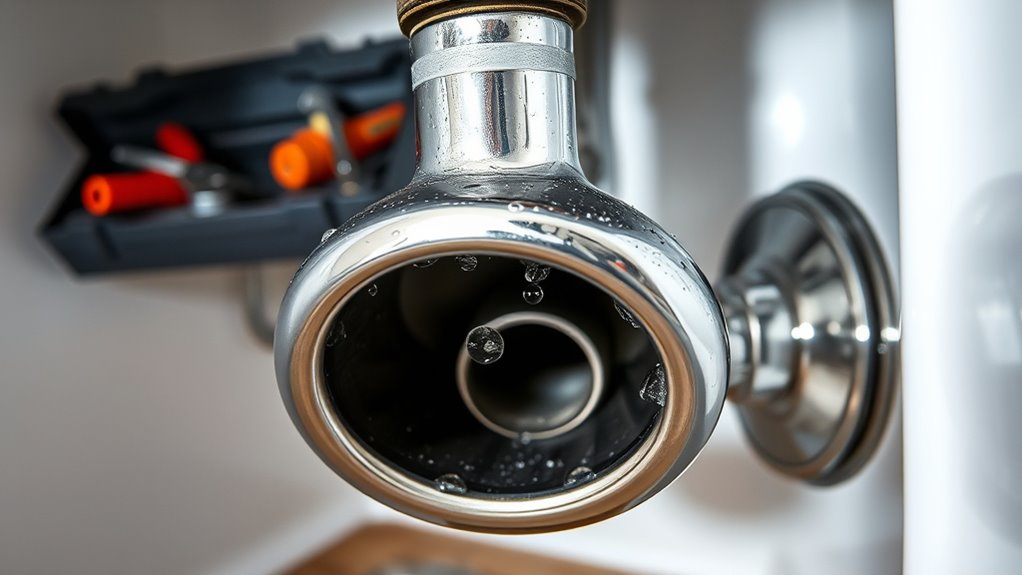
When should you consider calling in a professional for P-trap issues? If you notice persistent leaks despite your best efforts at P-trap repairs, it’s time to seek expert help. Plumbing emergencies, like foul odors or frequent clogs, can indicate deeper problems that DIY fixes may not resolve. Additionally, if you find yourself unsure about the P-trap’s installation or functionality, don’t hesitate to reach out to a plumber. They have the tools and experience to handle complex situations safely and efficiently. Remember, ignoring these signs can lead to more significant issues and costly repairs down the line. Proper plumbing maintenance can help prevent such problems and keep your system running smoothly. Incorporating smart home technology such as leak detection sensors and remote monitoring can also help alert you to issues early, preventing damage and costly repairs. Regular system inspections and professional assessments are essential for maintaining your plumbing system’s health and avoiding unexpected failures.
Frequently Asked Questions
Can a P-Trap Be Installed Horizontally Instead of Vertically?
No, a P-trap shouldn’t be installed horizontally. Plumbing regulations typically require it to be installed vertically to function properly. This vertical orientation allows the trap to create a water seal effectively, preventing sewer gases from entering your home. If you attempt a horizontal installation, you risk drainage issues and potential clogs. Always follow local plumbing codes to guarantee your system operates efficiently and safely. It’s best to consult a professional if you’re unsure.
What Materials Are P-Traps Typically Made From?
P-traps are typically made from either PVC materials or metal options like copper and brass. In fact, around 70% of residential plumbing uses PVC due to its affordability and ease of installation. If you’re considering materials, PVC is lightweight and resistant to corrosion, while metal options can offer durability and longevity. Choosing the right material depends on your specific plumbing needs and preferences, so weigh the pros and cons carefully before making a decision.
How Do I Know if My P-Trap Is the Correct Size?
To know if your P trap is the correct size, measure the diameter of your drain pipe. Typically, P trap sizing matches the pipe size, which is often 1.25 or 1.5 inches. Check for compatibility with your existing plumbing; the trap should fit snugly without forcing. If it doesn’t align well, you might need a different size or a fitting adapter. Always make certain it’s secured to prevent leaks!
Are There Alternative Plumbing Solutions to P-Traps?
Yes, there are alternative plumbing solutions to P-traps. You can consider S trap alternatives, which can be effective in certain setups, especially in floor drains. Bottle trap options are another choice, offering a compact design ideal for tight spaces under sinks. Both alternatives serve to prevent sewer gases from entering your home, so you can choose based on your specific plumbing needs and available space.
How Does a P-Trap Affect Water Pressure in Plumbing Systems?
A P-trap helps maintain water flow and pressure regulation in your plumbing system. It creates a seal that prevents sewer gases from entering your home while allowing wastewater to flow smoothly. This design guarantees that the water pressure stays balanced, minimizing the risk of clogs and guaranteeing efficient drainage. If there’s a blockage, it can disrupt this balance, causing pressure issues that affect the overall plumbing performance in your home.
Conclusion
In the world of plumbing, the P-trap is your silent guardian, ensuring that unwanted odors and gases stay far away from your home. By understanding its purpose and keeping it well-maintained, you can avoid unpleasant surprises. Think of it as the moat around your castle, protecting your space from invaders. With a little care and know-how, you can keep this essential component running smoothly, so your plumbing remains a source of comfort rather than chaos.