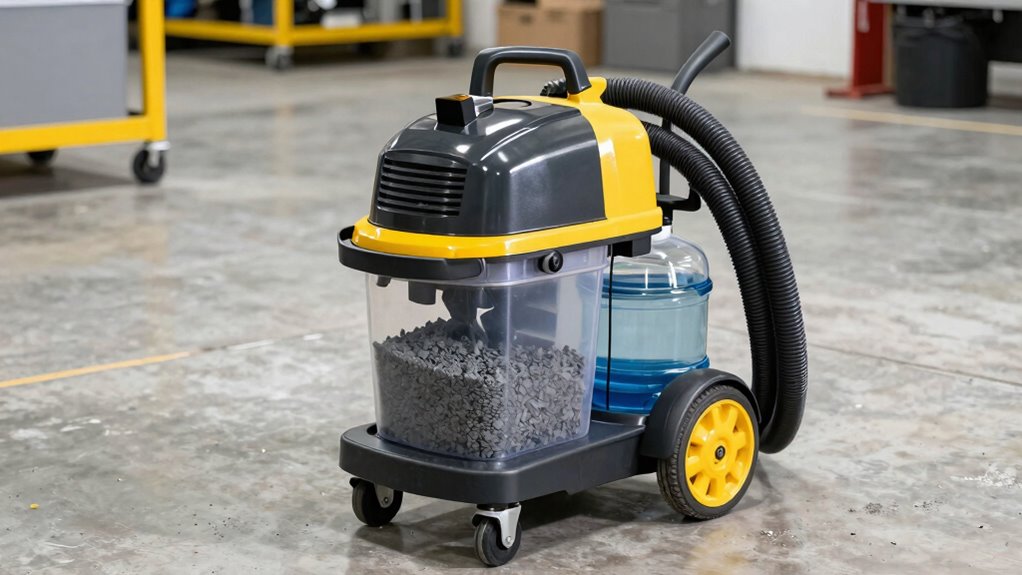

When choosing a shop vac for dust and water cleanup, focus on its motor power and capacity. A higher horsepower (around 4-6) helps handle heavy-duty wet materials efficiently, but also consider size—larger tanks (12+ gallons) reduce emptying but may be less portable. Additional specs like filters, hose length, and accessories can boost versatility and ease of use. Understanding these key features helps you pick the right model for your needs—stay tuned to learn more about what each spec means.

Get the little things that make your day delivered free with Prime
- Fast, free delivery on millions of items
- Prime Video, Amazon Music and more included
- Member-only deals all year
Key Takeaways
- A higher vacuum motor horsepower (4-6) improves suction for both dust and wet debris.
- Capacity size (2-8 gallons for small jobs, 12+ gallons for large tasks) affects how much debris the vac can hold.
- Wet/dry capability depends on the motor’s power and filter system designed for water and dust cleanup.
- Portability is impacted by tank size—larger capacities can be heavier, affecting ease of movement.
- Additional features like hose length and filter type enhance usability for different dust and water cleanup needs.
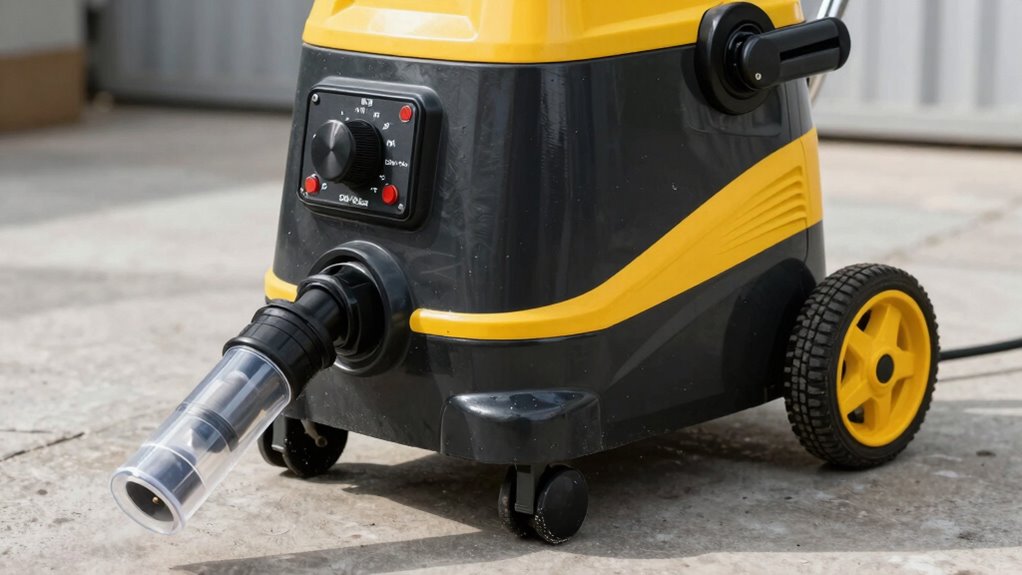
Are you wondering what makes a shop vac suitable for your cleaning tasks? It all comes down to understanding its key specifications, especially the vacuum motor and capacity size. The vacuum motor is the powerhouse that creates the suction needed to pick up dust, debris, or liquids. A more powerful motor generally means better performance, especially when dealing with heavy-duty messes. For dust and water cleanup, you want a motor that offers enough strength to handle both dry and wet materials efficiently. Typically, a shop vac with a motor in the range of 4 to 6 horsepower provides reliable suction for most household and workshop needs. However, if you’re tackling large jobs or commercial environments, opting for a higher horsepower motor might be worthwhile. Just keep in mind that a more powerful motor can also mean increased noise and energy consumption, so balancing power and efficiency is essential. Additionally, considering the performance specifications can help ensure the vac handles your specific cleanup tasks effectively. The capacity size of the shop vac is equally important because it determines how much debris or liquid the unit can hold before needing to be emptied. If you’re using the vacuum for small cleanup jobs around the house, a smaller capacity, such as 2 to 8 gallons, might suffice. But if you’re cleaning large workshops, garages, or construction sites, you’ll want a larger capacity—often 12 gallons or more—to minimize interruptions. Larger capacity models allow you to work longer without stopping to empty the tank, increasing efficiency. Keep in mind, however, that bigger tanks can add weight and make the vac less portable. So, if mobility is critical, strike a balance between capacity size and ease of handling. When evaluating shop vac specs, don’t forget to factor in other factors like the type of filter system, hose length, and accessory compatibility, but the vacuum motor and capacity size are your primary indicators of performance. The motor determines the suction power, while the capacity size influences how much you can clean in one go. Understanding the specifications can also help you select a shop vac that aligns with your cleaning frequency and environment, ensuring optimal performance. To ensure your shop vac is versatile enough for various tasks, consider the filter system and how easy it is to maintain and replace. Selecting a suitable capacity also depends on the type of surfaces and debris you typically clean, which can vary widely. Combining these specs ensures that your shop vac will perform reliably, saving you time and effort whether you’re tidying up dust or water spills.
Products Worth Considering

Dyson Ball Animal 3 Extra Upright Vacuum

Dyson Ball Animal 2 Plus Corded Vacuum

Roborock Robot Vacuum and Mop with LiDAR Navigation and 10,000 Pa Suction
As an affiliate, we earn on qualifying purchases.
Frequently Asked Questions
Can I Use a Shop Vac for Wet and Dry Cleaning Simultaneously?
Yes, you can use a shop vac for wet and dry cleaning simultaneously, but make sure it’s designed for dual-use. Check the dust containment system to prevent clogging, and consider the power cord length to move freely between tasks. Using the right filter prevents dust escape during wet pick-up. Always follow manufacturer instructions to avoid damage, and switch filters if needed for peak performance during combined wet and dry cleanup.
What Is the Maximum Water Level a Shop Vac Can Handle?
A shop vac typically handles a maximum water level of around 2 to 3 inches deep, depending on its water capacity and motor power. You should always check the manufacturer’s specifications for precise limits. Exceeding this level can strain the motor, risking damage. For safe operation, confirm you don’t surpass the recommended water capacity, especially if your vac has a powerful motor, to prevent overheating or malfunction.
Are There Specific Filters for Dust Versus Water Cleanup?
Think of filters as the secret weapons in your cleanup arsenal. Yes, there are specific filters for dust versus water cleanup. You’ll want to check filter compatibility to guarantee you’re using the right one—dust filtration filters trap tiny particles, while water filters are designed to handle moisture without clogging. Using the correct filter keeps your shop vac performing at its best, making cleanup quick and efficient, whether dust or water is involved.
How Often Should I Replace or Clean the Filters?
You should regularly check your vacuum’s filter for dirt and debris, ideally cleaning or replacing it every 3 to 6 months depending on usage. For filter maintenance, follow the manufacturer’s recommendations, especially if you notice a drop in suction power. Replace filters promptly when they become damaged or overly clogged. Proper replacement frequency guarantees your Shop Vac performs efficiently, whether you’re cleaning dust or water.
Can Shop Vacs Be Used Outdoors in Rain or Wet Conditions?
You should avoid using your shop vac outdoors in rain or wet conditions because most models aren’t designed for outdoor durability or rain resistance. Exposure to moisture can damage the motor and internal components, leading to malfunctions. If you need a vacuum for outdoor water cleanup, look for a model specifically rated for outdoor use and weather-resistant features. Always check your shop vac’s specifications before exposing it to wet environments.
Conclusion
Now that you understand what to look for in shop vac specs, you’re better equipped to tackle dust and water spills like a pro. Think of these specs as your secret weapons—each one a key to mastering cleanup with confidence. So, next time you face a mess, remember: armed with the right specs, you hold the power to conquer chaos, turning chaos into clarity with just a flick of the switch. Ready to get started?