To make your nonstick pans last longer, always let them cool before cleaning with warm, soapy water and a soft sponge. Avoid abrasive cleaners and metallic utensils that can scratch the surface. Reapply cooking oil regularly and season your pans every few months if food starts sticking. Store them carefully, using cloth between stacked pans to prevent scratches. These practices will enhance the longevity of your cookware. There’s more to discover about caring for your nonstick pans.
Key Takeaways
- Clean nonstick pans with warm, soapy water and a soft sponge to prevent damage and residue buildup.
- Avoid using metal utensils; opt for silicone, wooden, or bamboo tools to protect the nonstick surface.
- Regularly reapply a thin layer of cooking oil and season the pan every few months to maintain its nonstick properties.
- Store pans with protective cloth or pan protectors to prevent scratches and ensure they are organized properly.
- Recognize signs of wear, such as scratches or sticking, and replace pans when necessary to ensure effective cooking.

CAROTE 14 Pcs Pots and Pans Set Nonstick,Cookware Set Kitchen Cooking Set with Utensil and Pan Protectors
Reinforced die-cast aluminum construction ensures long-term durability and reliability while maintaining a lightweight design, bringing convenience to your…
As an affiliate, we earn on qualifying purchases.
As an affiliate, we earn on qualifying purchases.
How to Clean Nonstick Pans Without Damaging Them
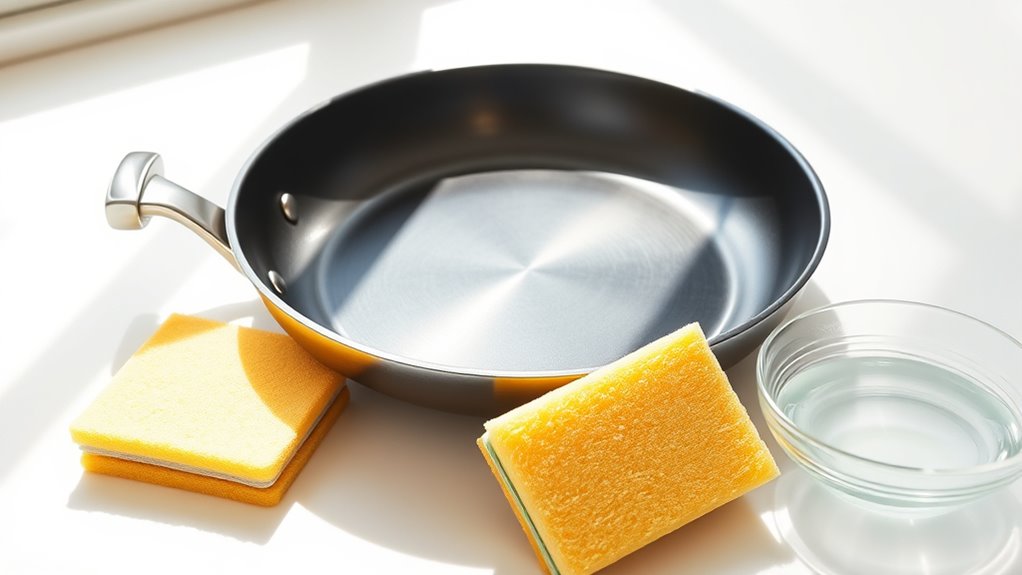
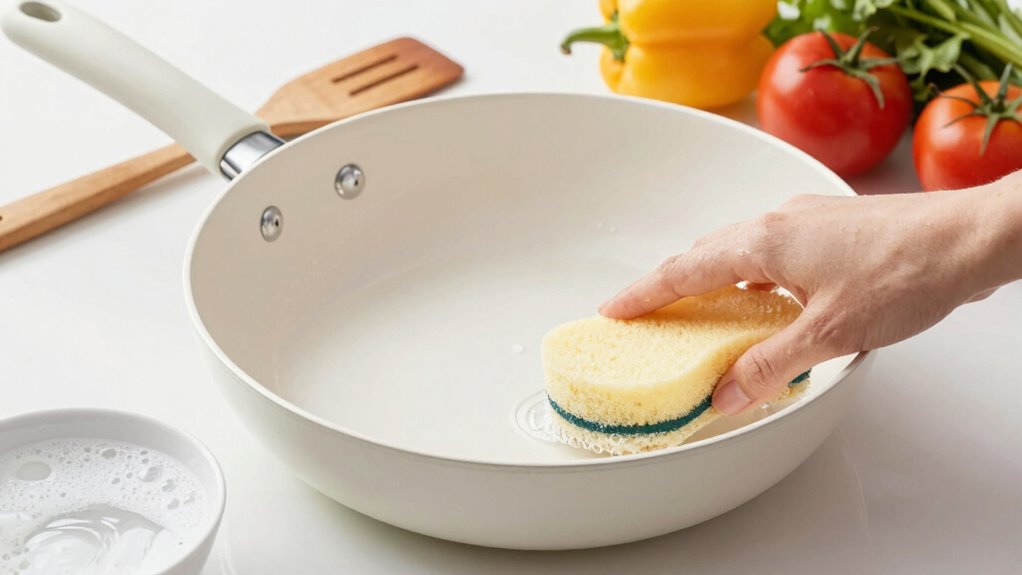
When you want to keep your nonstick pans in top shape, it’s essential to clean them properly. Start by letting the pan cool after use; sudden temperature changes can damage nonstick coatings. Use warm, soapy water and a soft sponge to gently scrub away food residue. Avoid abrasive sponges or harsh cleaning agents, as they can scratch the surface. If you encounter stubborn spots, a paste of baking soda and water can help—just remember to rinse thoroughly afterward. For deeper cleaning, consider using a mixture of vinegar and water, but again, steer clear of strong chemicals that could compromise the pan’s nonstick properties. Following these steps will help maintain your pans’ effectiveness and longevity.

Silicone Spatula Turner, 5-Pack Spatulas Silicone Set for Nonstick Cookware, 600°F Heat Resistant Kitchen Cooking Utensils Set for Egg, Pancake Dishwasher Safe
5-pieces Silicone Spatula Turner Set for Nonstick Cookware: This cooking spatula set include long slotted turner spatula, wide…
As an affiliate, we earn on qualifying purchases.
As an affiliate, we earn on qualifying purchases.
When to Season Your Nonstick Cookware?
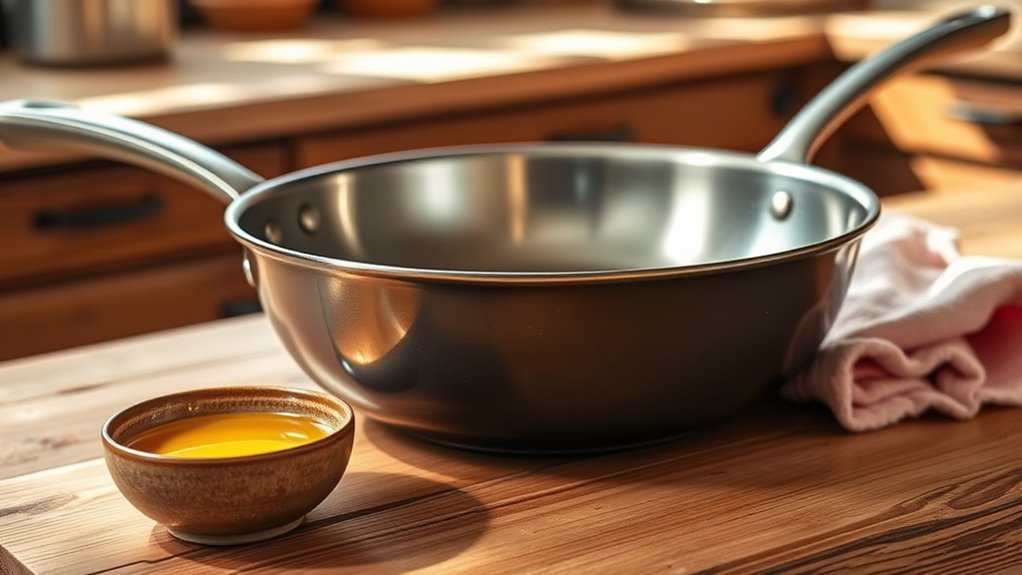
Although nonstick cookware is designed to minimize the need for seasoning, there are times when a little extra care can enhance its performance. You should consider seasoning your pans if you notice food sticking more than usual or after extensive use. The seasoning frequency can vary; generally, doing it every few months is a good rule of thumb. To season your cookware, use methods like applying a thin layer of cooking oil and heating it on low for a few minutes. Let it cool, then wipe off any excess oil. This simple technique can help restore the nonstick surface and prolong the life of your cookware, ensuring a smoother cooking experience every time.
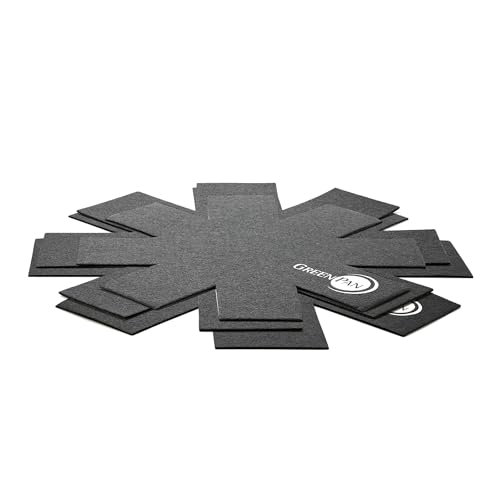
GreenPan Pan Protectors, Set of 3
Includes: Small/Medium/Large
As an affiliate, we earn on qualifying purchases.
As an affiliate, we earn on qualifying purchases.
Best Practices for Storing Nonstick Pans
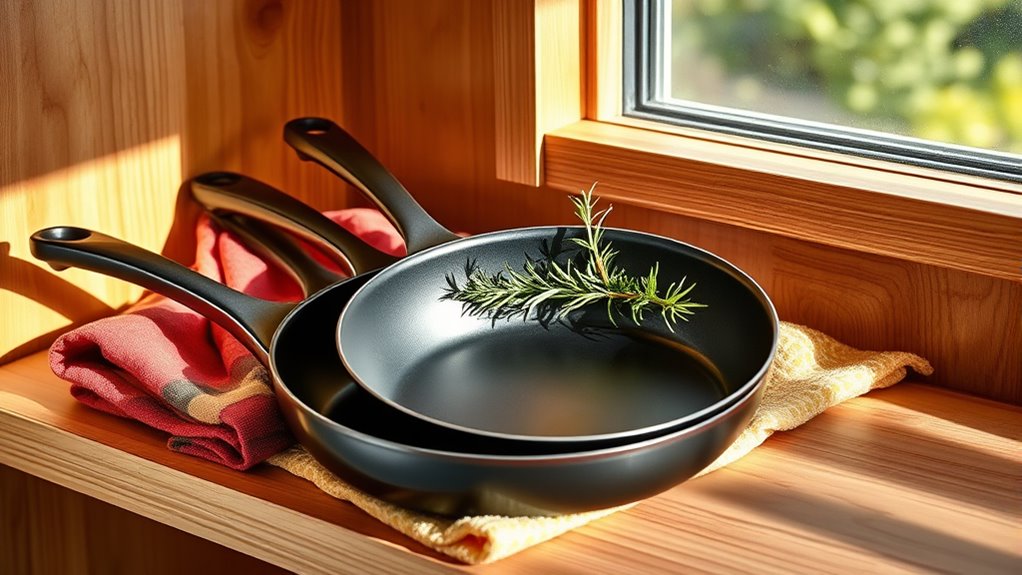
When it comes to storing your nonstick pans, using pan protectors can make a big difference in keeping them scratch-free. If you have stackable options, take advantage of that space-saving design while ensuring you’re gentle with each layer. Proper storage helps prolong the life of your cookware, so it’s worth the effort.
Use Pan Protectors
To keep your nonstick pans in top condition, using pan protectors is essential for proper storage. These protectors help prevent scratches and damage, extending the life of your cookware. Here are some best practices for using pan protectors:
- Use nonstick liners between stacked pans.
- Choose fabric or silicone protectors for better cushioning.
- Make sure protectors are clean and dry before use.
- Store pans in a cool, dry place to avoid moisture buildup.
- Replace worn-out protectors to maintain peak protection.
Store Stackable Options
Storing your nonstick pans properly can greatly prolong their lifespan, and using stackable options is a smart way to save space. Stackable storage not only maximizes your cabinet space but also helps keep your pans organized and scratch-free. Here are some best practices for effective pan organization:
| Type of Pan | Ideal Storage Method | Additional Tips |
|---|---|---|
| Frying Pans | Stack with dividers | Use cloth or paper liners |
| Saucepans | Nest inside each other | Keep lids separated |
| Griddles | Store horizontally | Avoid stacking if possible |
| Woks | Hang or stack lightly | Use a protective layer |
| Specialty Pans | Store vertically | Consider a dedicated rack |
Properly handling cookware can also prevent unnecessary damage and maintain nonstick coatings longer. Implement these tips, and you’ll extend the life of your nonstick cookware!

Lodge Cast Iron Seasoning Spray – Seasoning Spray Made with 100% Canola Oil to Restore, Cure, and Care for Cast Iron Cookware – 8 Ounce
YOUR NEW GO-TO SEASONING SPRAY: The Lodge Seasoning Spray is the perfect seasoning spray to maintain your cast…
As an affiliate, we earn on qualifying purchases.
As an affiliate, we earn on qualifying purchases.
Safe Utensils for Nonstick Cookware
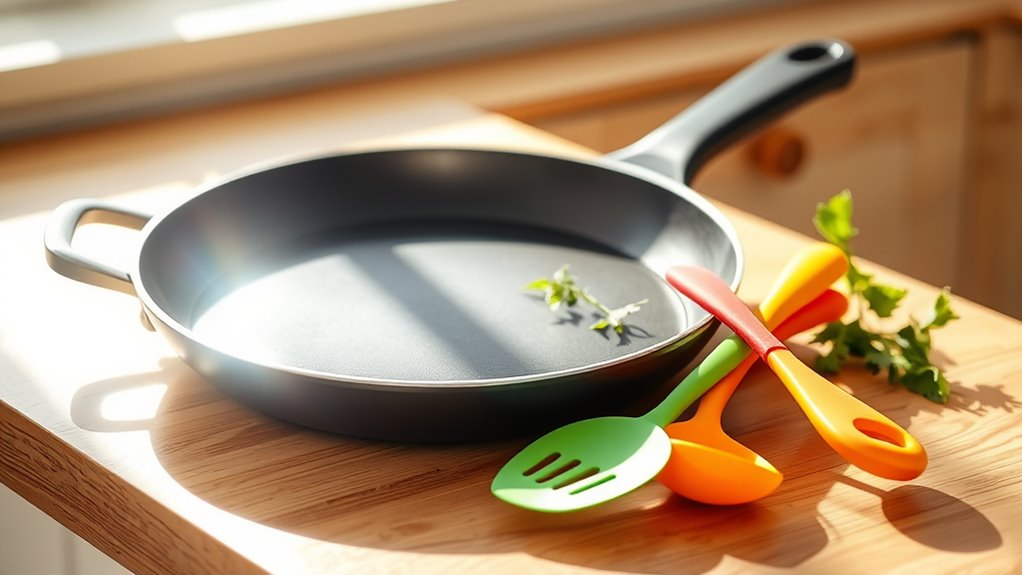
Using the right utensils with your nonstick cookware can greatly extend its lifespan and maintain its performance. To keep your pans scratch-free, opt for materials that won’t damage the coating. Here are some safe options:
- Silicone spatulas: Perfect for scraping and flipping.
- Wooden spoons: Gentle on surfaces, ideal for stirring.
- Bamboo utensils: Durable and non-abrasive.
- Plastic utensils: Confirm they’re labeled as safe for nonstick use.
- Nylon tools: Lightweight and effective, but check for heat resistance.
How to Recognize When to Replace Your Nonstick Pan?
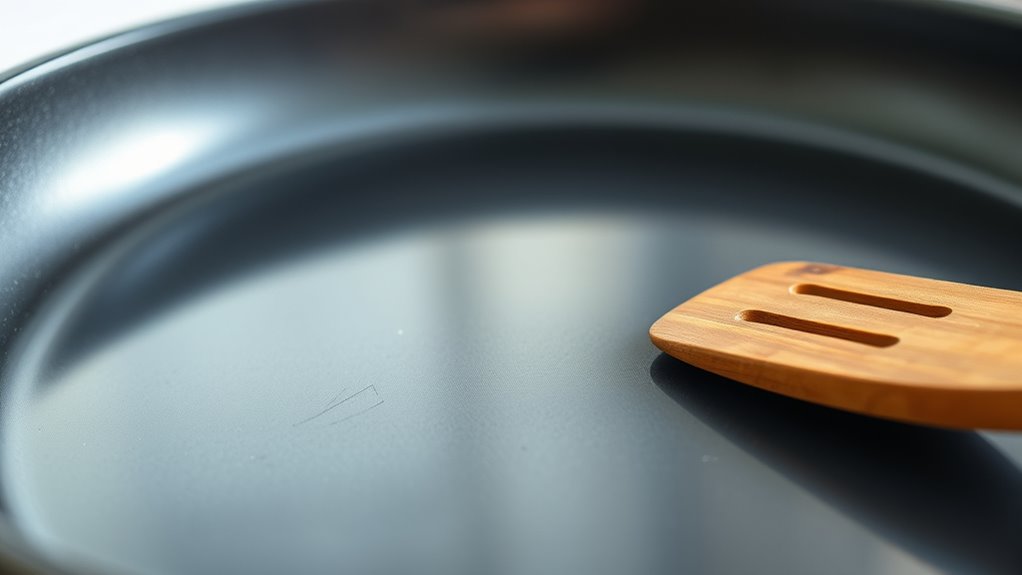
Knowing when to replace your nonstick pan is essential for maintaining your cooking quality. If you notice visible scratches, peeling, or that your food is sticking despite using the right techniques, it’s time to contemplate a new one. Uneven cooking performance can also be a sign that your pan has seen better days.
Visible Scratches And Peeling
When you notice visible scratches or peeling on your nonstick pan, it’s time to contemplate a replacement. Not only can scratches make cooking difficult, but they can also lead to peeling, which may release harmful substances. To help you identify when to replace your pan, consider these signs:
- Deep scratches that expose the base material
- Peeling edges where the nonstick coating is lifting
- Discoloration that doesn’t wash away
- Food sticking more than usual during cooking
- Signs of rust or corrosion underneath the coating
- Microplastics in dust and other pollutants can settle in damaged coatings, posing health risks.
Practicing scratch prevention, like using wooden or silicone utensils, can prolong your pan’s life. However, if you see these issues, it’s best to invest in a new one for both safety and cooking efficiency.
Uneven Cooking Performance
As you cook, you might notice that food is browning unevenly or taking longer to cook through, which can signal it’s time to contemplate replacing your nonstick pan. Poor heat distribution is often the culprit behind these issues. If your pan can’t maintain a consistent cooking temperature, it can lead to frustration and less-than-ideal meals. You may find some parts of your food are overcooked while others remain underdone, indicating that the pan’s coating or structure is compromised. When these cooking inconsistencies become frequent, it’s a clear sign that your nonstick pan has lost its effectiveness. Investing in a new one will help guarantee you achieve the even cooking results you desire, making your time in the kitchen more enjoyable.
Sticking Food Issues
If you notice your food starting to stick to the surface of your nonstick pan, it’s a clear indicator that the pan’s nonstick properties are wearing off. Recognizing the signs early can save you from frustrating cooking experiences. Here are some key signs you should look for:
- Food types like eggs or pancakes are difficult to flip
- Sticky residue remains after washing
- Scratches or peeling on the surface
- Uneven cooking, even with proper heat
- Strong odors when cooking
- A decline in overall nonstick performance, which can be confirmed by noticing a loss of coating integrity over time
If you find yourself struggling with these sticking food issues, it might be time to replace your pan. Trust your cooking techniques; a reliable nonstick pan enhances your culinary experience and guarantees your meals turn out perfectly every time.
Common Mistakes to Avoid With Nonstick Pans
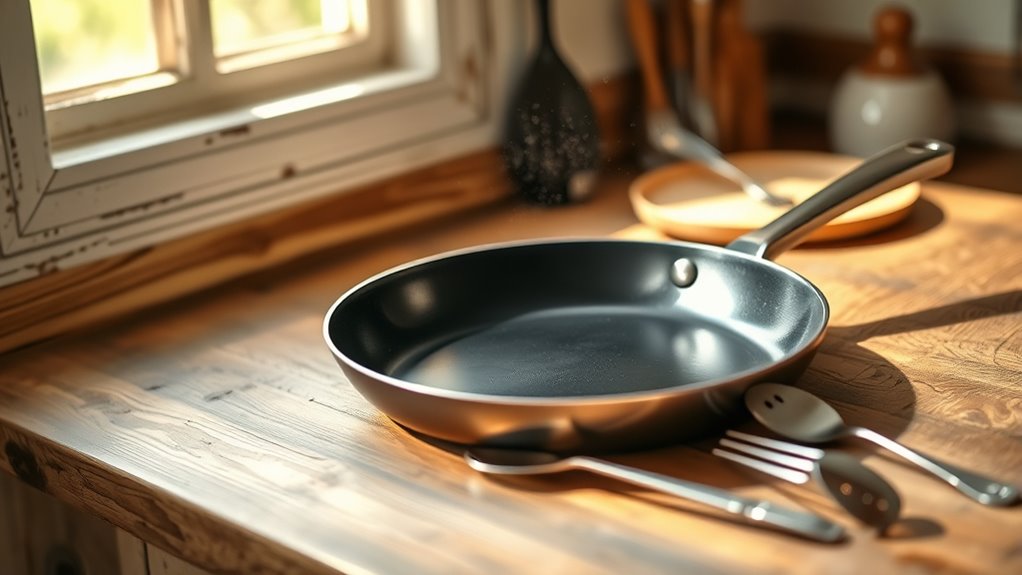
While nonstick pans offer convenience and ease in the kitchen, many people unknowingly make mistakes that can compromise their performance and lifespan. One of the biggest nonstick myths is that any metal utensil is safe to use. In reality, using metal utensils can scratch the surface and damage the coating. Another common misconception is that high heat enhances cooking. Nonstick pans are designed for low to medium heat, so cranking up the temperature can ruin them. Additionally, skipping oil or butter isn’t a good idea, as it can lead to sticking. Proper pan storage is also important; stacking without protection can create scratches. By steering clear of these mistakes, you’ll keep your nonstick pans in top shape for longer.
Tips for Reviving Sticking Nonstick Pans
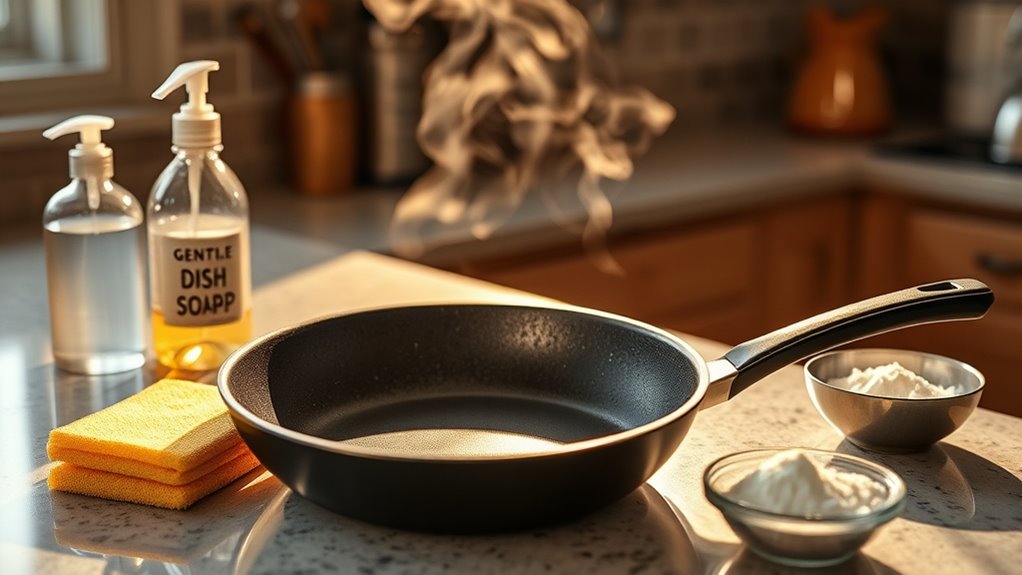
Even the best nonstick pans can develop sticking issues over time, but you can often revive them with a few simple methods. Here are some tips for effective nonstick surface restoration:
Revive your nonstick pans with simple methods for effective surface restoration and say goodbye to sticking issues!
- Clean thoroughly: Use a gentle sponge to remove food particles and residue.
- Baking soda paste: Mix baking soda with water and scrub the surface gently.
- Cooking oil application: Apply a thin layer of cooking oil and heat the pan on low for a few minutes to rejuvenate the coating.
- Vinegar rinse: Rinse with a solution of vinegar and water to help break down stubborn residues.
- Avoid metal utensils: Switch to silicone or wooden utensils to prevent further damage.
With these techniques, your nonstick pan can serve you well again!
What to Look for in New Nonstick Cookware
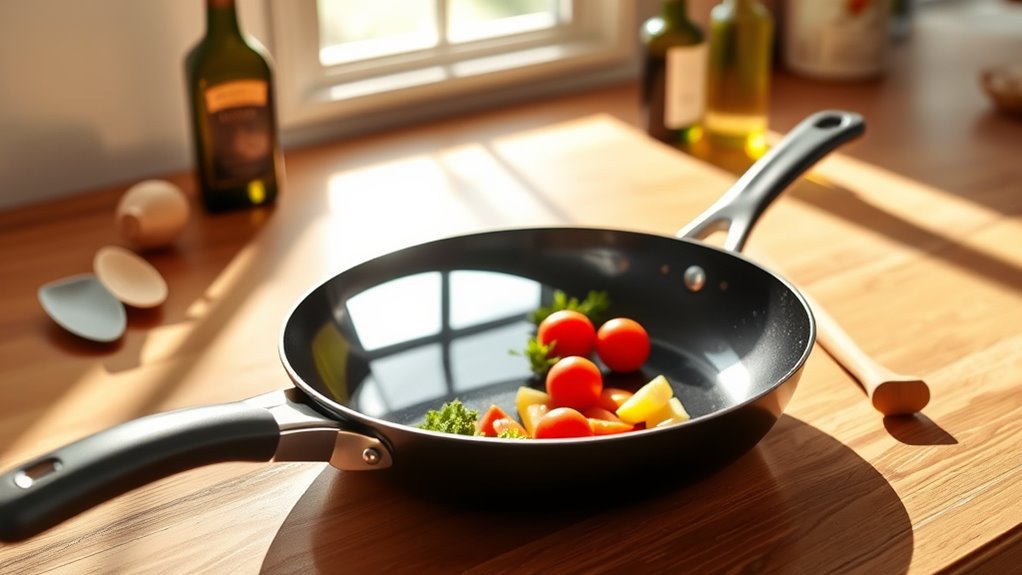
When shopping for new nonstick cookware, consider three key factors to guarantee you make a smart choice. First, look for high-quality nonstick materials like ceramic or PTFE, as they provide excellent food release and durability. Avoid low-grade options that may wear out quickly. Next, evaluate reputable cookware brands; established companies often offer better warranties and customer support. Brands with positive reviews can give you confidence in your purchase. Additionally, think about the size and shape of the cookware you need. Whether it’s frying pans, saucepans, or specialty pieces, make sure they fit your cooking style. Furthermore, cookware safety standards ensure the cookware meets quality and safety guidelines. By focusing on these aspects, you’ll find nonstick cookware that meets your needs and lasts for years to come.
Why Proper Care Matters for Nonstick Pans
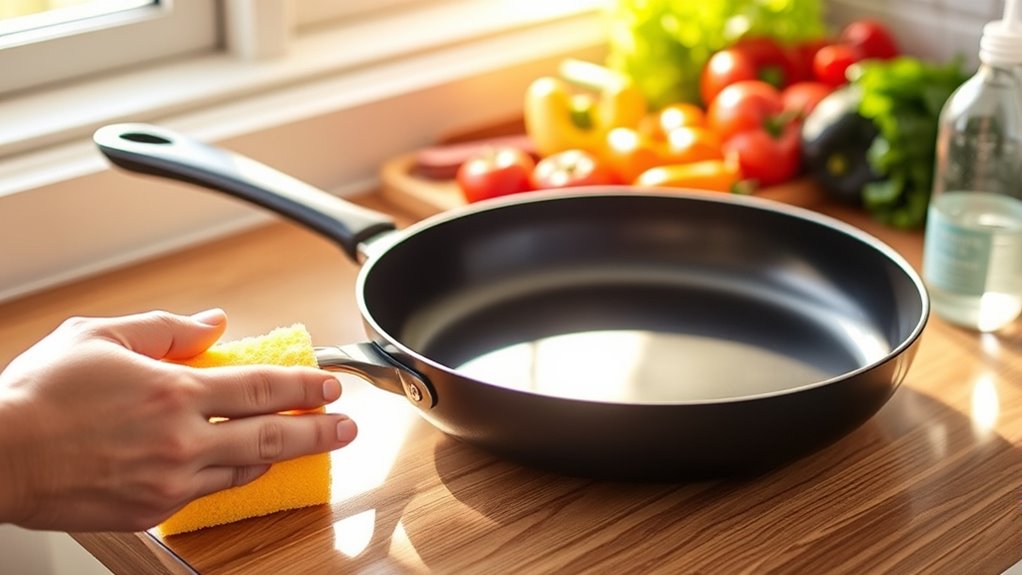
Proper care for your nonstick pans is essential if you want them to last and perform at their best. Neglecting proper maintenance can lead to damaged nonstick coating and decreased cooking efficiency. Here are some crucial maintenance tips to keep in mind:
- Use wooden or silicone utensils to avoid scratches.
- Avoid high heat, as it can warp the pan and degrade the coating.
- Hand wash with mild soap and a soft sponge, not abrasive cleaners.
- Store pans carefully, stacking them with cloth between to prevent scratching.
- Regularly inspect for any signs of wear or damage.
Frequently Asked Questions
Can Nonstick Pans Be Used in the Oven?
Yes, you can use nonstick pans in the oven, but you need to check the oven temperature limits. Most nonstick pans are safe up to around 400°F, so avoid exceeding that to prevent damage. Always follow safe baking practices by not placing a cold pan into a hot oven, as the sudden temperature change can warp it. With proper care, your nonstick pans can handle oven use effectively!
Are There Specific Cleaning Products to Avoid?
You wouldn’t scrub your favorite painting with a chainsaw, right? Just like that, you should avoid harsh chemicals and abrasive sponges when cleaning your nonstick pans. These products can scratch and damage the surface, turning your trusty cookware into a cooking nightmare. Stick to gentle cleaners and soft cloths to keep your pans in pristine condition. Treat them well, and they’ll reward you with delicious meals for years to come!
How Often Should I Replace My Nonstick Pans?
You should replace your nonstick pans every 3 to 5 years, depending on usage and care. Watch for replacement signs like scratches, chipped coating, or food sticking. To maximize longevity, use gentle utensils and avoid high heat. Regularly check for signs of wear, and when they appear, it’s time for a new pan. Keeping an eye on these factors will help you maintain a safe and effective cooking experience.
Do Nonstick Pans Work on Induction Cooktops?
Yes, nonstick pans can work on induction cooktops, but it depends on their induction compatibility. To guarantee peak pan performance, look for nonstick cookware specifically designed for induction. These pans usually have a magnetic base that allows them to heat efficiently on induction surfaces. If your nonstick pan isn’t magnetic, it won’t work on induction cooktops, so check the packaging to confirm compatibility before using it on your induction stove.
Can I Use Metal Utensils on Ceramic Nonstick Pans?
Using metal utensils on ceramic nonstick pans is like trying to scratch a diamond with a feather—it’s risky! While ceramic nonstick pans boast impressive durability, metal utensils can still scratch their surface. Stick to silicone, wood, or plastic utensils to keep your pans in top shape. This way, you’ll preserve their nonstick qualities and enjoy cooking without worrying about damaging your cookware. Remember, a little care goes a long way in keeping your kitchen tools pristine!
Conclusion
Taking care of your nonstick pans can greatly extend their lifespan, with proper maintenance potentially doubling their usability. Did you know that a well-cared-for nonstick pan can last up to 5 years longer than one that’s neglected? By following simple cleaning, seasoning, and storage practices, you’ll not only keep your cookware in great shape but also enhance your cooking experience. Remember, investing a little time in care today means enjoying your favorite meals tomorrow!