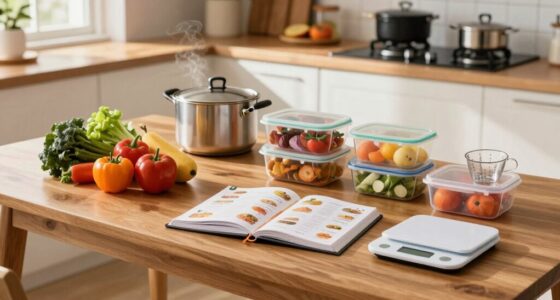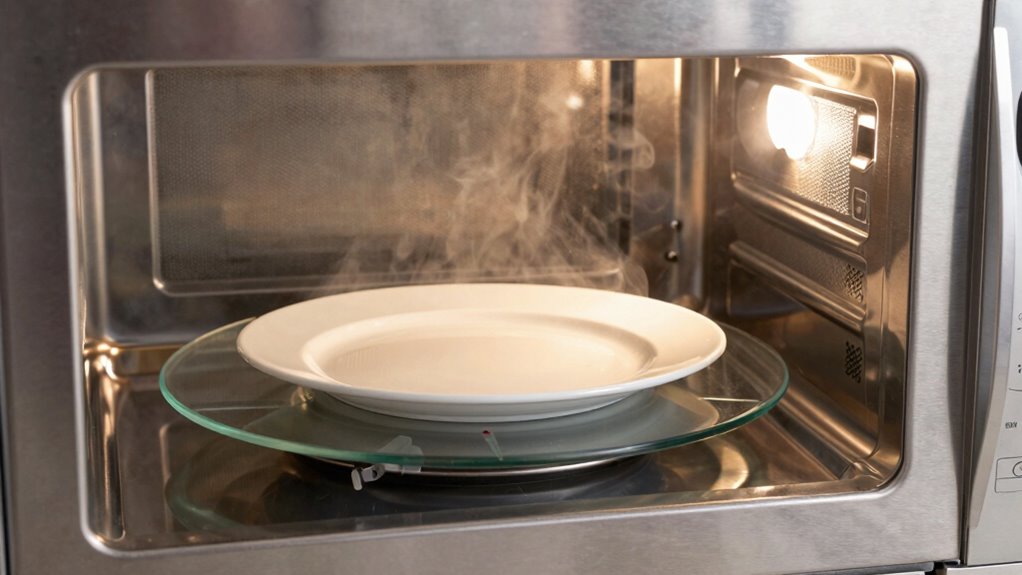

When a container is labeled microwave safe, it means it’s designed to withstand microwave radiation without melting, warping, or releasing harmful chemicals into your food. This label shows the material has been tested for heat resilience and chemical stability during microwave use. Using microwave-safe containers helps prevent safety hazards and keeps your food safe to eat. To avoid damage or health risks, it’s essential to understand what makes a container truly microwave safe—there’s more to learn if you keep exploring.

Get the little things that make your day delivered free with Prime
- Fast, free delivery on millions of items
- Prime Video, Amazon Music and more included
- Member-only deals all year
Key Takeaways
- “Microwave safe” means the container has been tested and verified to withstand microwave radiation without melting, warping, or releasing harmful chemicals.
- It ensures the material can conduct heat evenly, reducing hotspots and potential food safety issues.
- Proper labeling indicates the container won’t absorb microwave energy or cause sparks, especially important for plastics and metals.
- Microwave-safe containers prevent chemical leaching, such as BPA or phthalates, when heated.
- Using microwave-safe labeled containers helps avoid damage to the microwave and ensures safe food heating.
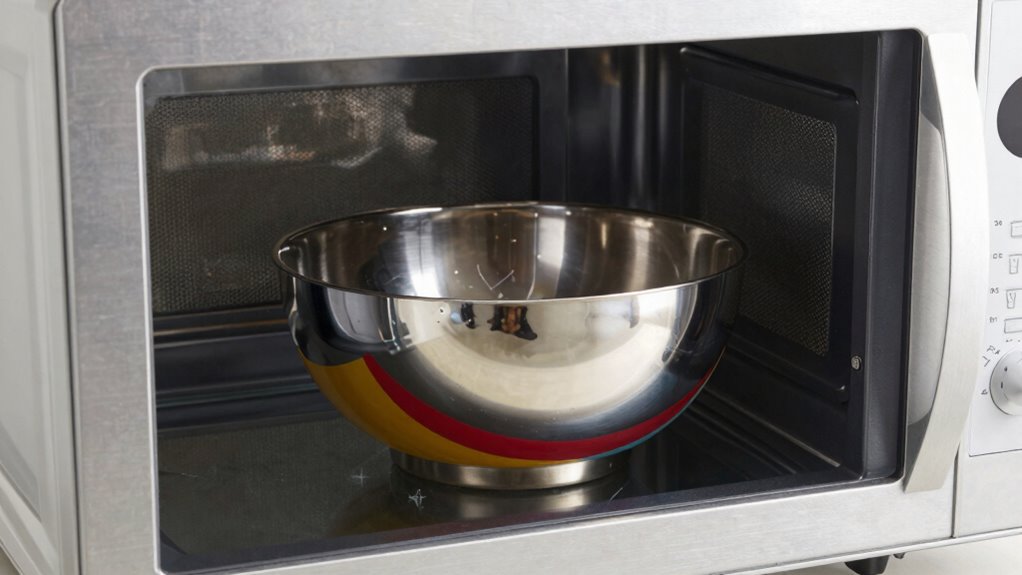
When microwaves generate energy within the food, the container itself heats up through heat conduction, transferring energy from the hot food to the container’s surface. If a container isn’t microwave safe, it might not distribute heat evenly, leading to hotspots or melting. This uneven heat conduction can damage the container and compromise the safety of your food. For instance, certain plastics may start to warp or release toxins when exposed to high heat, which is why it’s important to choose containers specifically labeled for microwave use. Materials like glass and certain plastics are generally safe for microwave use, provided they’re labeled as such. Glass, in particular, resists heat conduction and doesn’t leach chemicals, making it a reliable choice. Conversely, some plastics contain chemicals like BPA or phthalates, which can migrate into your food when heated. That’s why manufacturers test and label their containers as microwave safe—so you know they’ve been evaluated for safe interaction with microwave radiation and heat conduction processes. The ability of a container to withstand microwave radiation without degrading is a key aspect of its microwave safe designation. Additionally, understanding the properties of different materials helps in selecting the best options for safe microwave use. Metal containers, on the other hand, should never go in the microwave because they reflect microwave radiation, which can cause sparks and damage your appliance. The material properties of containers play a crucial role in determining their suitability for microwave heating.
As an affiliate, we earn on qualifying purchases.
Frequently Asked Questions
Can Microwave-Safe Plastics Still Release Harmful Chemicals?
Yes, microwave-safe plastics can still release harmful chemicals through chemical leaching, especially if they’re exposed to high temperatures or prolonged heating. Over time, plastic degradation may occur, increasing the risk of chemicals migrating into your food. While these plastics are designed to be safer, it’s wise to avoid overheating and check for signs of wear. Always follow manufacturer instructions to minimize potential health risks.
How Can I Test if a Container Is Truly Microwave Safe?
Don’t judge a book by its cover—test your container first. To check if it’s truly microwave safe, examine its label for accuracy and confirm it’s marked microwave-safe. Test material durability by microwaving the container with a cup of water for about a minute. If it stays cool and shows no warping or melting, it’s likely safe. Always prioritize proper testing over assumptions for your safety.
Are All Glass and Ceramic Dishes Microwave Safe?
Not all glass and ceramic dishes are microwave safe, but many are designed for food preservation and material durability. Check for labels or symbols that indicate microwave safety, as some ceramics may contain metals or glazes that aren’t microwave-friendly. Always test unfamiliar dishes by microwaving water inside for a short period to verify they don’t crack or get damaged, protecting your cookware and preserving food quality.
Does Microwave Safe Mean the Container Won’t Melt?
Microwave safe means the container can withstand microwave heat without melting or warping. Microwave plastics are designed for durability and won’t break down or release harmful chemicals during heating. If you use a microwave-safe food container, you can confidently reheat your meals without worrying about melting or damaging the container. Always check for labels to confirm your container’s food container durability, and avoid non-microwave-safe plastics that might melt or leach chemicals.
How Does Microwave Safe Labeling Affect Food Safety?
Think of microwave safe labeling as a shield for your food’s journey from plate to plate. When you see it, you’re trusting that microwave safety guidelines prevent chemical leaching, keeping harmful substances out of your meals. This label signifies the container’s materials won’t release toxins when heated, ensuring your food remains safe. So, it’s more than just a symbol—it’s your assurance that your microwave moments are healthy and worry-free.
As an affiliate, we earn on qualifying purchases.
Conclusion
Knowing what “microwave safe” truly means helps you avoid risky containers and protect your health. Remember, only microwave-safe labels guarantee that materials won’t release harmful chemicals or melt during heating. Did you know that around 90% of plastic containers not labeled microwave safe can leach chemicals when heated? Always check labels and opt for glass or microwave-safe plastics to keep your meals safe and tasty. Your careful choices make all the difference in microwave safety.
BPA free microwave safe plastic containers
As an affiliate, we earn on qualifying purchases.
As an affiliate, we earn on qualifying purchases.
microwave safe food storage containers
As an affiliate, we earn on qualifying purchases.
As an affiliate, we earn on qualifying purchases.
Fall Picks
fall essentials
As an affiliate, we earn on qualifying purchases.