
To keep your digital file system clean, start by evaluating your current organization methods. Embrace effective file naming conventions for better identification and streamline files by removing duplicates. Utilize cloud storage and regular backup tools to safeguard your documents. Create a maintenance routine to establish consistent decluttering habits. Stay motivated by breaking tasks into manageable parts and celebrating progress. If you want to explore more strategies for a clutter-free digital workspace, there’s plenty to learn!
Key Takeaways
- Conduct regular file audits to assess and refine your digital organization methods for improved clarity and efficiency.
- Establish a clear naming convention to prevent redundant files and enhance easy identification.
- Utilize cloud storage with reliable backup tools to ensure data security and accessibility across devices.
- Create simple systems for ongoing digital organization, incorporating routines and templates for consistency.
- Set specific decluttering goals and break tasks into manageable parts to maintain motivation and focus.

Microsoft OneDrive 2025 for New Users: The Complete Beginner Guide To Cloud Storage Setup File Sync Security Privacy Collaboration Backup Recovery And Productivity Mastery For Everyday Users
As an affiliate, we earn on qualifying purchases.
As an affiliate, we earn on qualifying purchases.
Understanding the Importance of Digital Decluttering
In a world where digital information bombards you daily, understanding the importance of digital decluttering is essential for maintaining mental clarity and productivity. Embracing digital minimalism means focusing on what truly matters, allowing you to navigate your digital space with ease. When you look at cluttered desktops, it’s easy to feel overwhelmed and distracted. This chaos not only hampers your focus but also drains your energy. By decluttering your digital environment, you create a more streamlined workspace that fosters creativity and efficiency. You’ll find it easier to locate files, manage tasks, and prioritize your goals. Implementing organizational systems can help maintain this clarity over time. So, start today by organizing your digital life, and watch how it positively impacts your overall well-being and productivity.

Duplicate Files Fixer – Find & Remove Duplicate Files, Photos, MP3s & Videos Instantly | Recover Extra Disk Space | 1 PC 1 Year (License Key Via Postal Service-No CD)
#1 Duplicate File Finder & Remover – Remove Duplicate Files, Photos, MP3s & Videos In 1-Click.
As an affiliate, we earn on qualifying purchases.
As an affiliate, we earn on qualifying purchases.
Evaluate Your Current Digital File System
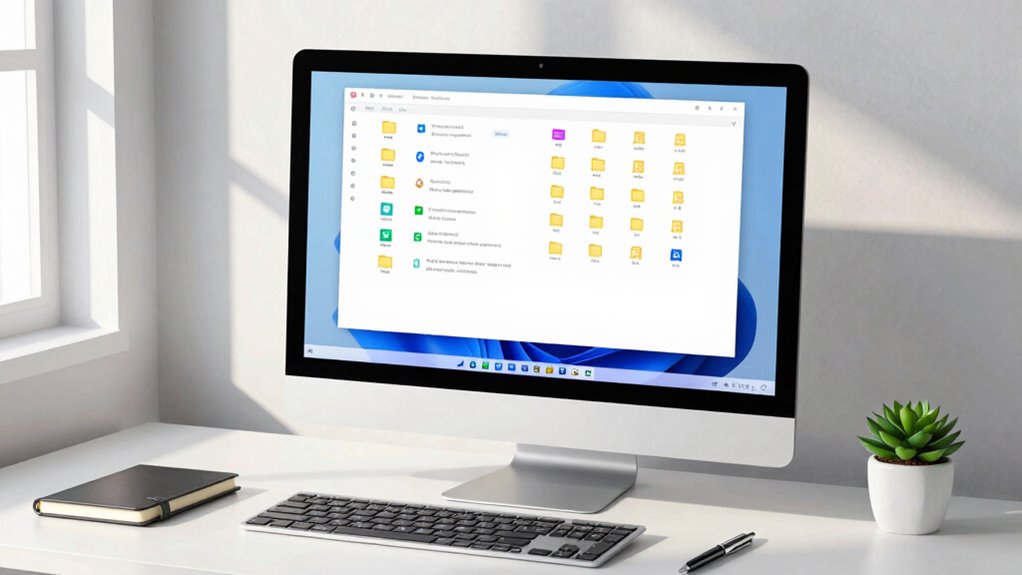
Evaluate Your Current Digital File System. To start your digital declutter, take a close look at how you’ve organized your files. Are you using an effective method, or are there redundant files cluttering your system? Identifying these issues will help streamline your digital space and improve your productivity. Incorporating clear, actionable guidance can help you develop a more efficient organization strategy.
Assess Current Organization Method
While you might feel overwhelmed by your digital clutter, taking a moment to assess your current organization method is essential for effective decluttering. Begin by conducting a file audit; this involves reviewing how you currently store and categorize your files. Look at your folders and subfolders—are they intuitive and easy to navigate? Identify what works and what doesn’t in your organization strategy. Maybe you’re using too many folders or not enough, making it hard to find things quickly. Take notes on your findings so you can make informed decisions later. This assessment sets the stage for a streamlined digital space, enabling you to create a system that not only reduces clutter but also enhances your productivity moving forward. Digital file management practices can help you establish a sustainable organization system that stays clean over time.
Identify Redundant Files
As you evaluate your current digital file system, identifying redundant files is an essential step in streamlining your organization. Start with duplicate detection tools that scan your files for copies. These tools can save you time and effort by automating the process of finding duplicates. Once you’ve identified potential redundancies, perform a file comparison to verify that you’re not deleting important versions or variations of your documents.
Take a systematic approach: check folders, cloud storage, and even email attachments. As you clean up, consider establishing a clear naming convention to prevent future duplicates. By tackling redundant files now, you’ll create a more efficient and organized digital workspace that makes finding what you need quicker and easier.

File System Forensic Analysis
As an affiliate, we earn on qualifying purchases.
As an affiliate, we earn on qualifying purchases.
Creating Effective File Naming Conventions for Digital Decluttering
Creating effective file naming conventions can greatly simplify your digital decluttering process. By using consistent and clear naming rules, you’ll easily identify file types and maintain a logical folder structure. Here’s a quick table to help you get started:
| Naming Element | Example |
|---|---|
| Project Name | MarketingCampaign_2023 |
| Date | 2023-09-15 |
| Version | v1.0 |
Using this format, you’ll make it easier to sort and find files. Incorporate keywords that reflect the content, and avoid vague terms. Stick to a consistent style—whether it’s underscores or hyphens, make it uniform. This way, you’ll enhance your organization and keep your digital space clutter-free.
file naming convention templates
As an affiliate, we earn on qualifying purchases.
As an affiliate, we earn on qualifying purchases.
Organizing Files Using Your Naming Conventions
Once you’ve established clear naming conventions, organizing your files becomes a straightforward task. You can easily implement consistent naming patterns that enhance clarity and accessibility. Here are four steps to get you started:
- Use Descriptive Names: Include relevant keywords that identify the file’s content.
- Incorporate Dates: Add the date in YYYY-MM-DD format for easy sorting, especially for file versioning.
- Version Control: Clearly label versions (e.g., v1, v2) to avoid confusion and guarantee you’re always using the latest file.
- Create Folders: Organize files into folders based on projects or categories, making it easier to locate what you need.
- Apply consistent naming conventions to maintain an organized and efficient file system over time.
How to Use Cloud Storage and Backup Tools
When it comes to managing your digital files, choosing the right cloud storage service is essential. You’ll also want to adopt best backup practices to keep your information safe and accessible. Let’s explore how to make the most of these tools for a smoother digital experience.
Choosing The Right Cloud
How do you choose the right cloud storage solution for your needs? Start by evaluating your requirements against various cloud service options. Here are four key factors to evaluate:
- Storage Capacity: Determine how much space you need for your files and future growth.
- Cost: Compare pricing plans and verify they fit your budget without sacrificing essential features.
- Ease of Use: Look for intuitive interfaces that streamline file management and sharing.
- Data Security Considerations: Prioritize providers with robust encryption and compliance with industry standards. Additionally, consider how providers protect your data during storage and transmission, similar to power protection standards in electrical safety.
Best Backup Practices
After selecting the right cloud storage solution, it’s time to implement best backup practices to protect your data effectively. Start by setting up regular backup schedules. This guarantees your files are consistently backed up without manual intervention. Use cloud synchronization to keep your data up-to-date across all devices, minimizing the risk of loss.
Here’s a quick reference table for backup practices:
| Practice | Frequency | Tool |
|---|---|---|
| Full Backup | Weekly | Cloud Storage |
| Incremental Backup | Daily | Backup Software |
| File Versioning | Ongoing | Cloud Sync Service |
| Disaster Recovery | Quarterly | Dedicated Backup Tool |
Following these practices will help you maintain a secure and organized digital environment.
Creating a Digital Maintenance Routine
Establishing a digital maintenance routine is essential for keeping your online life organized and efficient. By committing to routine scheduling, you can develop strong digital habits that prevent clutter from piling up. Here’s a simple plan to follow:
Establishing a digital maintenance routine helps keep your online life organized and clutter-free. Commit to scheduling for efficiency.
- Daily Check: Spend 10 minutes sorting through emails and files.
- Weekly Review: Dedicate 30 minutes to organize your folders and delete unnecessary items.
- Monthly Backup: Back up important files and guarantee everything is saved securely.
- Quarterly Purge: Clear out old documents and apps that you no longer use.
- Incorporate digital organization strategies to improve your overall file management and ensure your system remains clutter-free.
Tips for Staying Motivated in Your Digital Declutter
Staying motivated during your digital declutter can be challenging, especially when distractions are just a click away. To keep your momentum, start with clear goal setting. Break your decluttering into smaller, achievable tasks, and celebrate each completion. This sense of accomplishment fuels your motivation. Consider finding accountability partners; having someone to share your progress with can make a big difference. They can encourage you and help keep you on track when you feel like giving up. Schedule regular check-ins to discuss your goals and share tips. Finally, remind yourself why you started this journey. Visualize a clutter-free digital space and how it’ll enhance your productivity and peace of mind. Stay focused, and keep pushing forward! Creating simple systems can make maintaining your digital organization much easier over time.
Frequently Asked Questions
What Tools Can Help Automate Digital Decluttering?
You can use several tools to automate your digital decluttering. File management software like FileOptimizer helps streamline your files, while cloud storage solutions like Google Drive or Dropbox automatically back up and organize your documents. Additionally, apps like Hazel can sort and move files based on your rules. Consider using these tools to maintain order and efficiency in your digital space without spending too much time managing it yourself.
How Often Should I Reassess My Digital Organization?
You should reassess your digital organization at least once every three to six months. This reassessing frequency allows you to evaluate your organization strategies and make adjustments as needed. Regular check-ins help you stay on top of any digital clutter that’s accumulated and guarantee your system remains efficient. If you notice things getting chaotic sooner, don’t hesitate to reassess more often; staying proactive will save you time in the long run.
Can I Recover Deleted Files Effectively?
Yes, you can recover deleted files effectively. Start by checking your recycle bin or trash; often, files are easily restored from there. If they’re not there, consider using file recovery software for data restoration. These tools scan your device for deleted files and can often retrieve them, depending on how long ago they were deleted and whether new data has overwritten them. Always remember to back up important files regularly to prevent future loss.
What Are Common Mistakes in Digital Decluttering?
One interesting statistic shows that 60% of people have unorganized folders on their devices. When you’re digital decluttering, common mistakes include holding onto excessive downloads you’ll never use and failing to categorize files properly. You might create vague folder names, making it hard to find what you need later. Don’t forget to regularly review your files and maintain a consistent naming system to keep everything tidy and accessible.
How Do I Handle Duplicate Files Efficiently?
To handle duplicate files efficiently, start by using duplicate file management software that scans your system. Once it identifies duplicates, review the results and decide which files to keep or delete. Implement file organization strategies, like grouping similar files into folders, to avoid future duplicates. Regularly schedule scans to maintain a clean system. With these steps, you’ll find managing duplicates becomes a breeze, keeping your digital space organized and clutter-free.
Conclusion
Just like tending to a garden, digital decluttering requires regular care to flourish. By nurturing your file system with thoughtful organization and consistent maintenance, you’ll cultivate a serene digital landscape free of clutter. Remember, each file you prune strengthens the roots of productivity and clarity. As you continue this journey, you’ll find that a clean digital space not only boosts your efficiency but also allows your creativity to bloom. So grab your virtual gardening tools and keep growing!