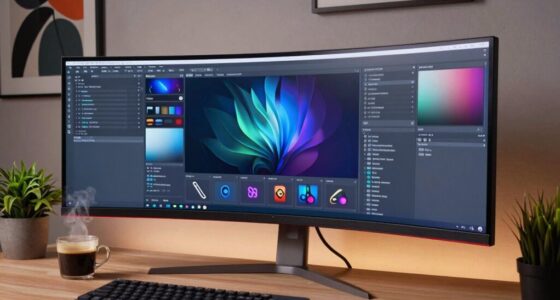
The hidden reason you might quit a standing desk is poor ergonomic setup, which causes discomfort and fatigue. Without proper adjustments, you may experience strain on your wrists, shoulders, and back, making standing feel more like a burden than a health boost. This discomfort often leads to frustration and abandoning the practice altogether. If you keep going, you’ll discover how optimizing your workspace can help you stay comfortable and get the most benefit from standing.

Get the little things that make your day delivered free with Prime
- Fast, free delivery on millions of items
- Prime Video, Amazon Music and more included
- Member-only deals all year
Key Takeaways
- Poor ergonomic setup causes discomfort, leading users to abandon standing desks despite initial health goals.
- Physical fatigue from improper adjustments outweighs perceived productivity benefits.
- Lack of workspace customization results in strain and reduces long-term sustainability.
- Discomfort and pain from ergonomic neglect overshadow the advantages of standing.
- Inability to maintain proper posture causes long-term musculoskeletal issues, prompting users to revert to sitting.

Many people start using standing desks with good intentions, but surprisingly few stick with them long-term. You might begin with excitement, eager to improve your health and break free from a sedentary routine. However, as days turn into weeks, you often encounter unexpected challenges that make you question whether standing all day is sustainable. One key issue is how poorly designed or improperly adjusted desks can hinder your comfort and effectiveness. Without proper ergonomic adjustments, you might find yourself constantly shifting, stretching, or even experiencing pain in your back, neck, or legs. These discomforts can quickly overshadow the initial benefits, leading you to abandon the standing desk altogether.
Many abandon standing desks due to discomfort caused by poor ergonomic adjustments and design.
The ergonomic adjustments you make—or fail to make—play a vital role in whether you stick with standing desks. If your desk height isn’t aligned with your body, you may strain your wrists or shoulders, which hampers your ability to work efficiently. An improperly adjusted workstation can cause fatigue and discomfort, making it harder to focus and decreasing your overall productivity impact. You might notice that instead of feeling energized, you’re more prone to headaches or muscle soreness. These issues often discourage you from maintaining the standing position for extended periods, prompting you to revert to sitting, even if you initially intended to stand all day.
Beyond physical discomfort, the perceived impact on your productivity influences your decision to continue using a standing desk. If standing makes it difficult to type accurately, concentrate, or participate in video calls, you might feel frustrated and less effective. The adjustment process involves more than just raising the desk; you need to ensure your monitor height, keyboard angle, and foot placement support good posture. Without these ergonomic tweaks, your workflow suffers, and the supposed productivity benefits diminish. Over time, the inconvenience of constant repositioning and the discomfort caused by poor setup can make standing seem like a hindrance rather than an advantage. Additionally, neglecting ergonomic principles can lead to long-term musculoskeletal issues that further discourage continued use.
A common mistake is overlooking the importance of workspace customization, which can significantly influence how comfortable and sustainable your standing desk experience becomes. Proper ergonomic setup is essential to prevent strain and ensure your workspace supports your natural body movements. Ultimately, the hidden reason most people quit standing desks isn’t just about physical fatigue or inconvenience. It’s about the failure to optimize the workspace through proper ergonomic adjustments and to recognize how these setups directly affect your productivity impact. If you don’t invest time in creating a comfortable, well-adjusted workspace, standing becomes more of a burden than a benefit. This oversight transforms a health-conscious choice into an unsustainable habit, leading many to revert to sitting. Without addressing these core issues, the promise of a healthier, more productive workday remains unfulfilled, and the initial enthusiasm fades away.
ergonomic standing desk converter
As an affiliate, we earn on qualifying purchases.
As an affiliate, we earn on qualifying purchases.
Frequently Asked Questions
How Long Should I Stand at a Standing Desk Daily?
You should aim to stand at your desk for about 2 to 4 hours daily, gradually increasing as your body adjusts. Make sure to do posture adjustments regularly to prevent strain, and use desk accessories like anti-fatigue mats or adjustable monitor stands for comfort. Switching between sitting and standing helps reduce fatigue and discomfort, so listen to your body and take breaks often to stay comfortable and productive.
Are There Health Risks Associated With Prolonged Standing?
Yes, prolonged standing can pose health risks like poor posture correction and reduced blood circulation, leading to discomfort or even varicose veins. To avoid these issues, you should alternate between sitting and standing, make sure your desk is at the right height, and take regular breaks. Proper posture and movement help maintain healthy blood flow, reducing the risk of pain and other health problems associated with standing too long.
What Ergonomic Tips Improve Comfort at a Standing Desk?
To improve comfort at your standing desk, focus on posture correction by keeping your shoulders relaxed, elbows at a 90-degree angle, and your monitor at eye level. Use desk accessories like anti-fatigue mats and adjustable monitor stands to reduce strain. Shift your weight frequently and take breaks to avoid fatigue. These tips help you maintain proper ergonomics, minimizing discomfort and promoting better posture during long standing periods.
Can Standing Desks Help With Back Pain?
Standing desks can help reduce back pain if you use ergonomic accessories like anti-fatigue mats and adjustable monitor stands. These items promote better posture and decrease muscle fatigue, preventing strain. However, standing too long without breaks can cause discomfort. To maximize benefits, alternate between sitting and standing, and incorporate ergonomic accessories to support your spine, reduce muscle fatigue, and alleviate back pain effectively.
How Do I Transition Smoothly From Sitting to Standing?
To shift smoothly from sitting to standing, start with posture adjustments by gradually increasing your standing time each day. Use desk accessories like adjustable monitors or anti-fatigue mats to support comfort and proper alignment. Remember to shift your weight, keep your shoulders relaxed, and avoid locking your knees. Taking short breaks and stretching helps your body adapt, making the switch more comfortable and sustainable over time.
adjustable monitor arm for standing desk
As an affiliate, we earn on qualifying purchases.
As an affiliate, we earn on qualifying purchases.
Conclusion
If you’re considering a standing desk, remember that comfort and sustainability matter. For example, Sarah switched to a standing desk but quickly felt back pain and fatigue, leading her to revert to sitting. It’s essential to find the right setup and listen to your body. Don’t push through discomfort; instead, make gradual adjustments. When you prioritize your well-being, standing desks can become a helpful tool rather than a quick fad you abandon.
ergonomic keyboard and mouse set
As an affiliate, we earn on qualifying purchases.
As an affiliate, we earn on qualifying purchases.
desk height adjustable ergonomic chair
As an affiliate, we earn on qualifying purchases.
As an affiliate, we earn on qualifying purchases.
Evergreen bestsellers Picks
bestsellers
As an affiliate, we earn on qualifying purchases.