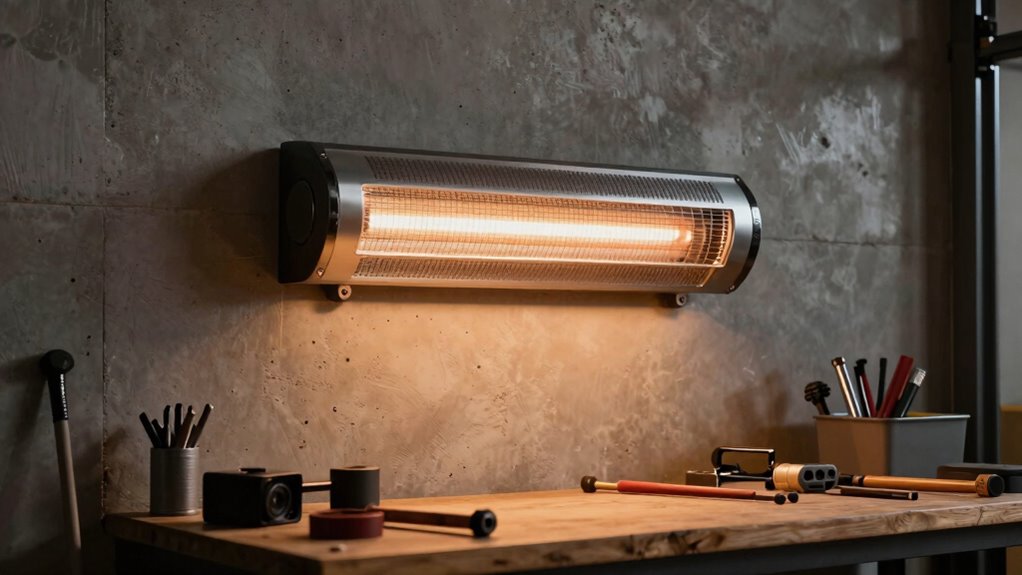

When choosing a garage heater for your workshop, consider electric, gas, propane, indirect-fired, or radiant options. Electric heaters are safe and easy to install, perfect for smaller spaces. Gas and propane models deliver quick warmth for larger areas but need good ventilation. Indirect-fired and radiant heaters provide consistent, safe heat with minimal maintenance. To get the best results, matching your heater type with your insulation and safety needs is key—there’s a lot more to explore for your space.

Get the little things that make your day delivered free with Prime
- Fast, free delivery on millions of items
- Prime Video, Amazon Music and more included
- Member-only deals all year
Key Takeaways
- Electric heaters are easy to install and safe, ideal for small workshops with good electrical wiring.
- Gas-powered heaters provide quick, substantial heat suitable for larger workshop spaces.
- Propane heaters are portable options requiring proper ventilation and safe fuel storage.
- Insulation enhances heat retention, reducing energy costs and improving heater efficiency.
- Safety features and maintenance needs vary, with indirect-fired and radiant heaters offering prolonged, low-maintenance use.
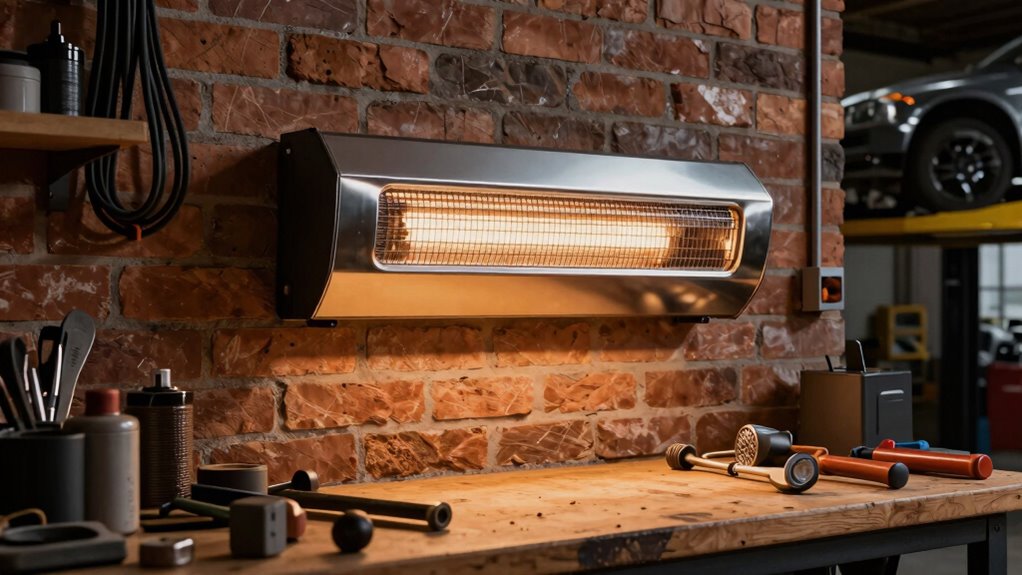
When it comes to choosing a garage heater, understanding the different types available can help you find the perfect solution for your space. There are several options, each with its own advantages and considerations, especially when it comes to insulation options and safety considerations. If your garage isn’t well insulated, you’ll want a heater that can efficiently heat the space without wasting energy. Insulation options like wall panels, sealing gaps, and adding weather stripping can improve heat retention, making your heater more effective and reducing operating costs. Without proper insulation, even the best heater may struggle to keep the space warm, and you might end up spending more than necessary. Proper insulation also plays a role in energy efficiency, helping you get the most out of your heating system. Additionally, selecting the right insulation materials can further enhance your garage’s overall thermal performance. Using the right insulation techniques can significantly improve heat retention and reduce energy consumption, making your heating system more effective and economical. Moreover, choosing the appropriate heater type based on your insulation level can optimize performance and safety.
Electric heaters are a popular choice because they’re easy to install and operate, and they often come with built-in safety features like tip-over switches and overheat protection. They work well in smaller garages or workshops, especially if you’re concerned about fumes or ventilation. Since electric heaters don’t produce combustion gases, safety considerations mainly focus on preventing electrical hazards and ensuring proper wiring. You’ll want to keep electrical cords away from water and heat sources, and ensure your garage’s electrical system can handle the heater’s power load.
Gas-powered heaters, such as infrared or forced-air models, are effective for larger garages or spaces that need quick, substantial heating. They tend to be more energy-efficient for large spaces but require proper ventilation to prevent carbon monoxide buildup, which is a critical safety consideration. Gas heaters often have safety features like oxygen depletion sensors and automatic shut-offs to prevent dangerous conditions. When installing a gas heater, you should carefully evaluate your garage’s ventilation options and ensure there’s enough airflow to prevent hazardous fumes from accumulating. Proper ventilation not only safeguards your health but also helps maintain the efficiency of the heating system.
Propane heaters are another portable option, especially useful if you don’t have a natural gas line. They’re easy to move around but demand vigilant safety practices, such as storing fuel safely and ensuring good ventilation during operation. Propane heaters produce combustion gases, so proper ventilation is essential to prevent dangerous buildup. Always follow manufacturer instructions and keep combustible materials away from the heater. Regular maintenance and inspection are crucial to prevent leaks and ensure safe operation over time. Ensuring proper ventilation practices is essential for safe and efficient operation of propane and other combustion-based heaters.
Finally, indirect-fired and radiant heaters provide consistent and comfortable warmth, especially in well-insulated garages. They often come with safety features like automatic shut-offs and require minimal maintenance. These heaters are generally safer because they don’t produce fumes directly inside the space, making them suitable for prolonged use. When choosing any heater, you should also consider your garage’s insulation options to maximize efficiency and safety, ensuring your workshop remains warm without unnecessary risk or energy waste. Properly insulating your garage can also extend the lifespan of your heating system by reducing strain and preventing damage from temperature fluctuations.
As an affiliate, we earn on qualifying purchases.
Frequently Asked Questions
Are Garage Heaters Safe for Indoor Use?
Yes, garage heaters can be safe for indoor use if you prioritize indoor safety and guarantee proper heater ventilation. You should select a heater designed for indoor environments, follow the manufacturer’s safety instructions, and maintain adequate airflow to prevent carbon monoxide buildup. Always install your heater correctly, keep it away from flammable materials, and use carbon monoxide detectors to enhance safety during use.
How Noisy Are Different Garage Heater Types?
You’ll find that heater noise varies by type. Infrared heaters tend to be quiet, producing minimal noise levels, making them ideal if you want a peaceful workshop. Convection heaters can produce some fan noise, which might be noticeable during operation. Electric heaters generally have lower noise levels, while propane or gas units may generate more sound due to combustion and fan operation. Consider your noise level preferences when choosing a heater for your workshop.
What Is the Average Lifespan of a Garage Heater?
You might be surprised, but most garage heaters last around 10-15 years if you stay on top of maintenance tips. Ironically, neglecting regular upkeep can cut their lifespan short. To get the most out of your heater, focus on cleaning filters, checking for leaks, and ensuring energy efficiency. Proper care not only extends its life but also keeps your energy bills lower, making your workshop warmer and more cost-effective.
Do Garage Heaters Require Professional Installation?
Garage heaters generally require professional installation to guarantee safety and proper functioning. While DIY installation might save on initial installation costs, it can be risky if you’re unfamiliar with electrical or gas connections. Hiring a professional guarantees correct setup, complies with local codes, and prevents potential hazards. If you choose DIY, be prepared for possible higher costs long-term due to errors or code violations, making professional installation the safer, more reliable choice.
Can Garage Heaters Operate Efficiently in Cold Climates?
Yes, garage heaters can operate efficiently in cold climates if you meet insulation requirements and optimize heater placement. Proper insulation keeps the heat inside, reducing energy waste, while strategic heater placement ensures even warmth distribution. You should seal gaps and insulate doors to maximize efficiency. Additionally, choose a heater suited for cold temperatures and position it where it can effectively warm the space without obstructions, guaranteeing comfort during winter months.
As an affiliate, we earn on qualifying purchases.
Conclusion
Choosing the right garage heater is like finding the perfect key to release cozy comfort in your workshop. Whether you opt for electric, propane, or infrared, each type has its own rhythm to keep your space warm and inviting. By understanding your needs and the heater’s features, you can turn your garage into a haven of warmth, no matter how cold it gets outside. Now, step inside and enjoy the warmth — your workshop’s new best friend awaits!
As an affiliate, we earn on qualifying purchases.
As an affiliate, we earn on qualifying purchases.
NFL season / tailgating Picks
team gear
As an affiliate, we earn on qualifying purchases.