
Choosing sunglasses for UV protection is essential for your eye health. Look for lenses that block 100% of UVA and UVB rays, ideally with a UV400 rating. Opt for polarized lenses to reduce glare, enhancing visibility and comfort. Consider lens color and materials, as they can impact UV blocking effectiveness. Remember to check for certifications, and keep your sunglasses clean and stored properly. If you want to learn more about choosing the right pair, there’s plenty to explore!

Get the little things that make your day delivered free with Prime
- Fast, free delivery on millions of items
- Prime Video, Amazon Music and more included
- Member-only deals all year
Key Takeaways
- Ensure sunglasses block 100% of UVA and UVB rays, indicated by UV400 labeling for optimal protection.
- Choose polarized lenses to reduce glare and enhance visual clarity, especially for outdoor activities.
- Consider the lens material and coatings, as they impact UV blocking effectiveness and overall durability.
- Try on different frame styles to find a comfortable fit that suits your face shape and personal style.
- Regularly inspect sunglasses for scratches or warping; replace them if they compromise vision or UV protection.
sunglasses with UV400 protection
As an affiliate, we earn on qualifying purchases.
As an affiliate, we earn on qualifying purchases.
Why Understanding UV Protection Is Essential for Eye Health
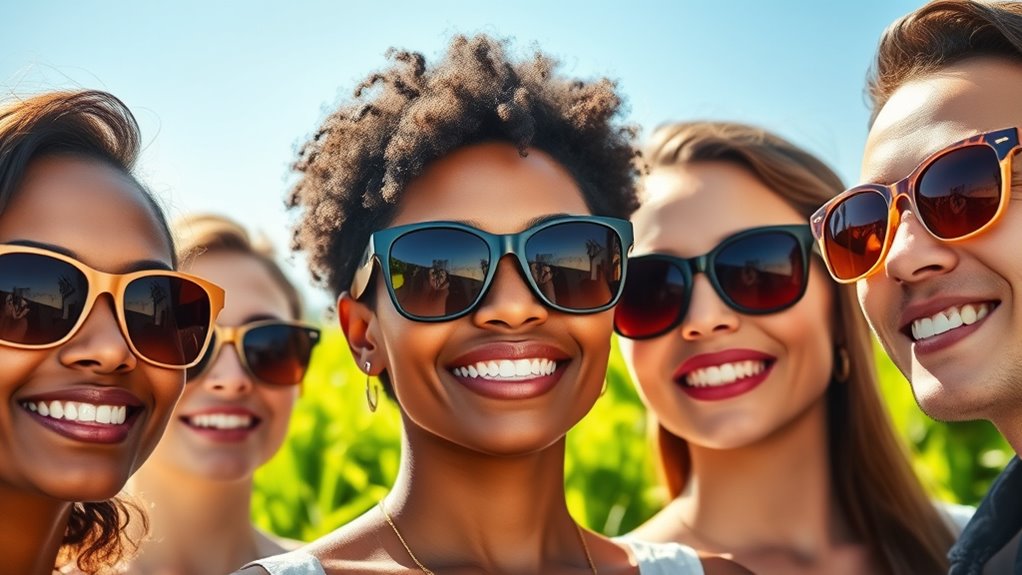
While many people enjoy the sun’s warmth, understanding UV protection is crucial for your eye health. Your eyes are just as vulnerable to sun exposure as your skin, and neglecting proper eye care can lead to serious issues. Prolonged UV exposure can increase the risk of cataracts, macular degeneration, and other vision problems. To keep your eyes safe, you need to choose sunglasses that provide adequate UV protection. Look for labels that indicate they block 100% of UVA and UVB rays. Remember, it’s not just about style; protecting your eyes is essential for maintaining long-term vision health. So, next time you step out, make sure your sunglasses are up to the task of safeguarding your eyes from harmful rays.
polarized UV protection sunglasses
As an affiliate, we earn on qualifying purchases.
As an affiliate, we earn on qualifying purchases.
Exploring UVA and UVB Rays: What You Need to Know
When it comes to UV radiation, understanding the difference between UVA and UVB rays is essential for your eye health. Both types pose health risks, from premature aging to more severe conditions like cataracts. By choosing sunglasses with proper UV protection, you can greatly reduce these risks and enjoy the outdoors safely.
Understanding UV Radiation Types
Understanding the different types of UV radiation is essential for choosing the right sunglasses for your eye protection. There are two main types of UV radiation you should know about: UVA and UVB rays. Both can cause eye damage, so it’s vital to understand their differences.
| Type | Characteristics |
|---|---|
| UVA | Penetrates deep into the skin; linked to aging and certain eye issues. |
| UVB | Primarily affects the surface; responsible for sunburn and more immediate effects. |
| Sources | Sunlight and artificial sources (like tanning beds). |
| Protection | Look for sunglasses that block 100% of UVA and UVB rays. |
Health Risks of UV Exposure
Exposure to UV radiation can lead to serious health risks, making it essential to protect your eyes. Prolonged sun exposure can cause skin damage and increase your risk of developing various eye conditions. For instance, UV rays can contribute to cataracts, macular degeneration, and even skin cancer around your eyes. These issues often don’t appear until years later, highlighting the long-term effects of UV exposure. You might not notice immediate harm, but repetitive exposure adds up. By choosing proper sunglasses with UV protection, you can markedly reduce your risk of these harmful conditions. Remember, protecting your eyes is just as important as safeguarding your skin from the sun’s damaging rays. Don’t underestimate the impact of UV radiation on your overall health.
Benefits of UV Protection
While you may enjoy the sun, it’s vital to recognize the benefits of UV protection for your eyes. Protecting your eyes from harmful UV rays not only enhances your comfort but also offers critical eye health advantages. Here are three key UV protection benefits you shouldn’t overlook:
- Reduces the risk of cataracts: Shielding your eyes from UV rays helps lower the chances of developing cataracts, a leading cause of vision impairment.
- Prevents macular degeneration: Consistent UV protection can help protect your retina, reducing the risk of age-related macular degeneration.
- Minimizes photokeratitis: Wearing sunglasses can prevent painful conditions like photokeratitis, which is fundamentally a sunburn of the eye.
men's women's UV protection sunglasses
As an affiliate, we earn on qualifying purchases.
As an affiliate, we earn on qualifying purchases.
Essential Features for Optimal UV Protection in Sunglasses
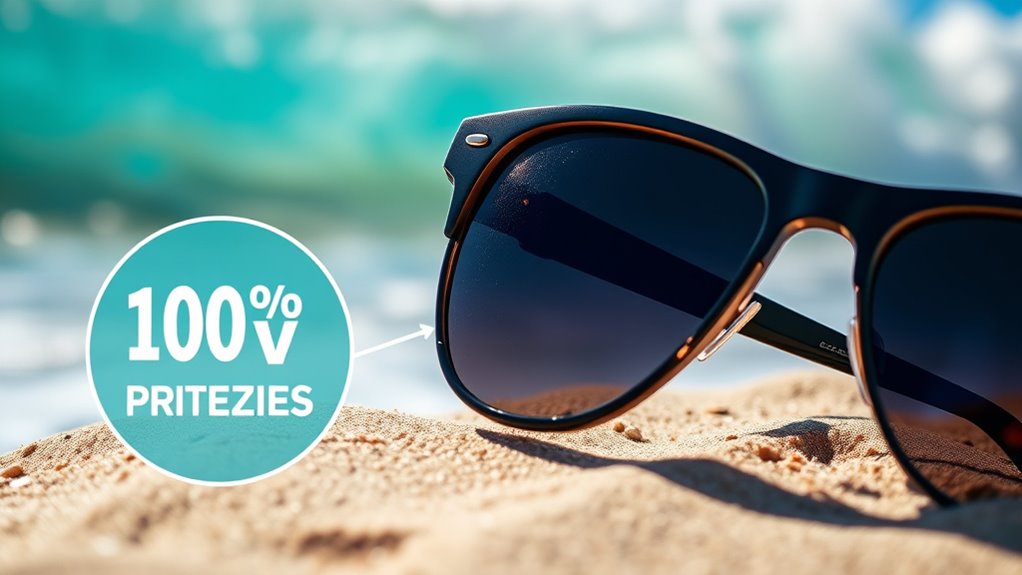
When choosing sunglasses, you need to pay attention to UV protection levels to guarantee your eyes are safe from harmful rays. Different lens materials can also affect how well your sunglasses block UV light, so it’s important to evaluate your options. Let’s explore what features will give you the best protection.
UV Protection Levels
To guarantee your eyes stay protected from harmful UV rays, it’s crucial to understand the UV protection levels offered by sunglasses. When shopping for your perfect pair, focus on the following UV protection ratings:
- 100% UV Protection: Look for sunglasses that block 100% of UVA and UVB rays. This is the gold standard for UV protection.
- UV400: Sunglasses labeled with UV400 provide excellent protection, blocking rays up to 400 nanometers, which covers all UVA and UVB light.
- Sunglass Tinting: Keep in mind that darker lenses don’t always mean better UV protection. Confirm the tinting is paired with adequate UV ratings.
Lens Material Types
Choosing the right lens material is just as important as understanding UV protection levels. Different lens materials offer various benefits, so you should consider what suits your needs best. Additionally, some materials, like polycarbonate and Trivex, are known for their impact resistance, making them ideal for active lifestyles. Here’s a quick comparison of common lens materials:
| Lens Material | Key Features |
|---|---|
| Glass Types | Excellent scratch resistance; heavier |
| Polycarbonate | Lightweight; impact-resistant; UV protection |
| Trivex | Similar to polycarbonate but offers better optics |
| CR-39 | Affordable; decent optical clarity; less scratch resistant |
| Lens Coatings | Anti-reflective; polarized; enhances UV protection |
When selecting your sunglasses, think about these materials and coatings to guarantee ideal UV protection while matching your lifestyle!
sunglasses for UV protection and glare reduction
As an affiliate, we earn on qualifying purchases.
As an affiliate, we earn on qualifying purchases.
How Lens Color Influences UV Protection
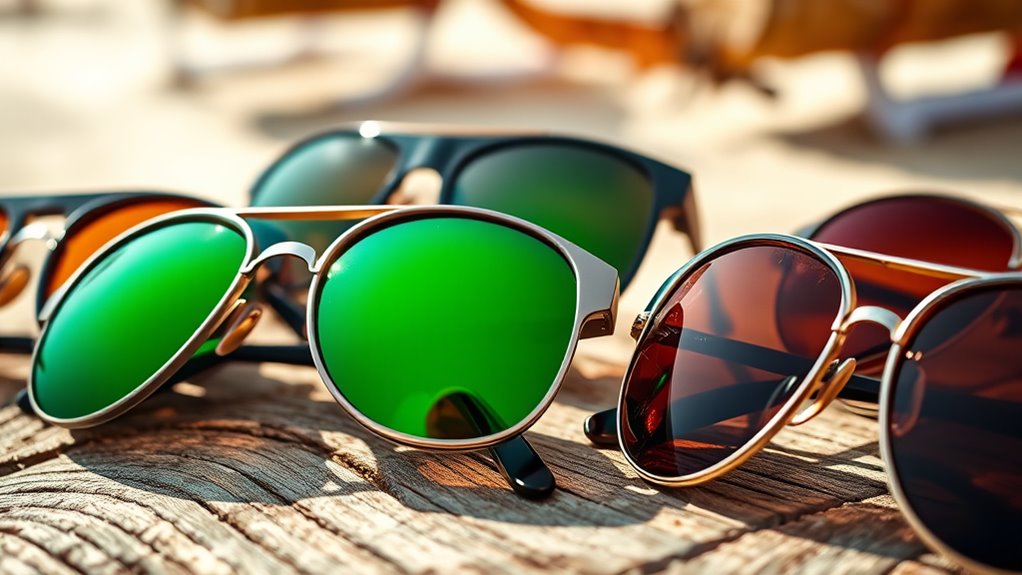
Lens color plays an essential role in not just aesthetics but also in the effectiveness of UV protection. While lens tint effects can alter your color perception, they don’t directly influence the level of UV protection the lenses provide. Here’s what to keep in mind:
Lens color impacts aesthetics and UV protection, but tint does not affect the actual level of UV defense.
- Gray lenses: They reduce overall brightness without distorting colors, making them great for everyday wear.
- Brown and amber lenses: These can enhance contrast and depth perception, ideal for outdoor activities.
- Yellow or gold lenses: While they boost visibility in low-light conditions, they may not offer as much UV protection.
Polarized vs. Non-Polarized Lenses: Which Is Better for UV Safety?
When choosing sunglasses, you might wonder whether polarized or non-polarized lenses offer better UV protection. Polarized lenses reduce glare and improve visibility, but non-polarized options can also provide essential UV safety. Let’s explore the benefits of each type to help you make an informed decision.
Understanding Polarized Lenses
How can you tell if polarized lenses are worth the investment for UV protection? Polarized lenses offer unique benefits that enhance your sunglasses experience beyond just UV safety. Here are three key polarized benefits to contemplate:
- Reduced Glare: Polarized lenses filter out horizontal light, minimizing glare from surfaces like water or roads, improving your comfort and visibility.
- Enhanced Lens Clarity: You’ll notice sharper and clearer vision, making it easier to see details in bright conditions.
- Less Eye Strain: By reducing glare, polarized lenses help decrease eye fatigue, allowing you to enjoy outdoor activities longer.
Investing in polarized lenses not only protects against UV rays but also enhances your overall visual experience.
Benefits of Non-Polarized Lenses
While polarized lenses have their advantages, non-polarized lenses can still be a great option for UV protection. One of the key non-polarized advantages is their superior lens clarity. You won’t experience the distortion sometimes caused by polarization, making it easier to see details clearly. Non-polarized lenses also tend to be more versatile, suitable for various activities where glare reduction isn’t a primary concern.
| Feature | Non-Polarized Lenses |
|---|---|
| Lens Clarity | Excellent detail visibility |
| Versatility | Great for all conditions |
| Cost | Generally more affordable |
With non-polarized lenses, you still get effective UV protection without compromising on clarity or versatility.
Choosing Sunglasses That Fit Right and Suit Your Style
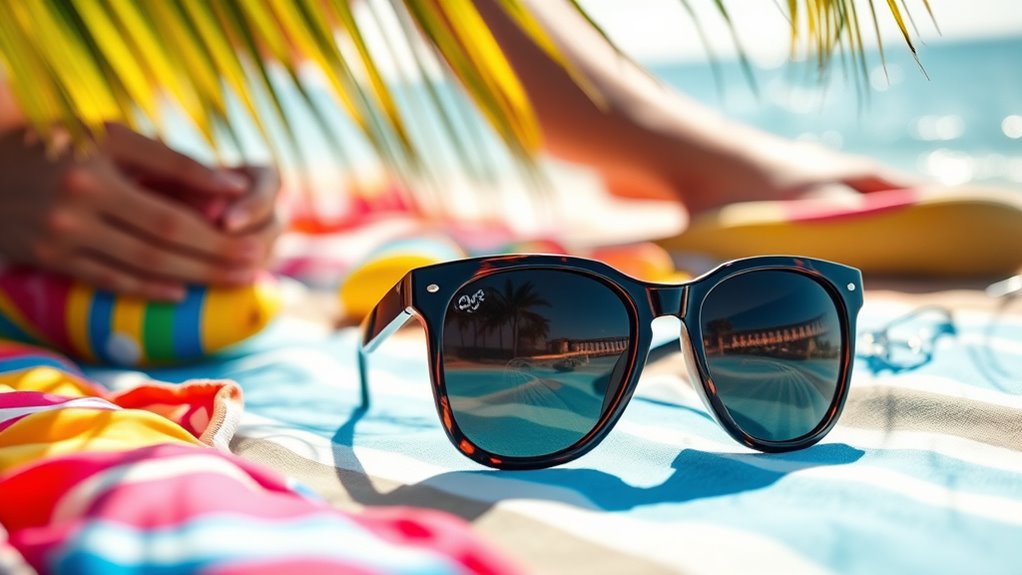
Finding the right pair of sunglasses is essential for both comfort and style. You want a pair that not only protects your eyes but also complements your look. Here are three tips to help you choose:
- Consider Your Face Shape: Oval faces can rock almost any frame, while square faces look great in round or aviator styles.
- Explore Frame Styles: From oversized to cat-eye, pick a style that reflects your personality. Don’t be afraid to try on different options!
- Check the Fit: Verify the sunglasses sit comfortably on your nose and ears without slipping. Look for adjustable nose pads for a secure fit.
With these tips, you’ll find sunglasses that not only protect but also express your unique style!
Understanding Sunglass Labels and Certifications for Quality Assurance
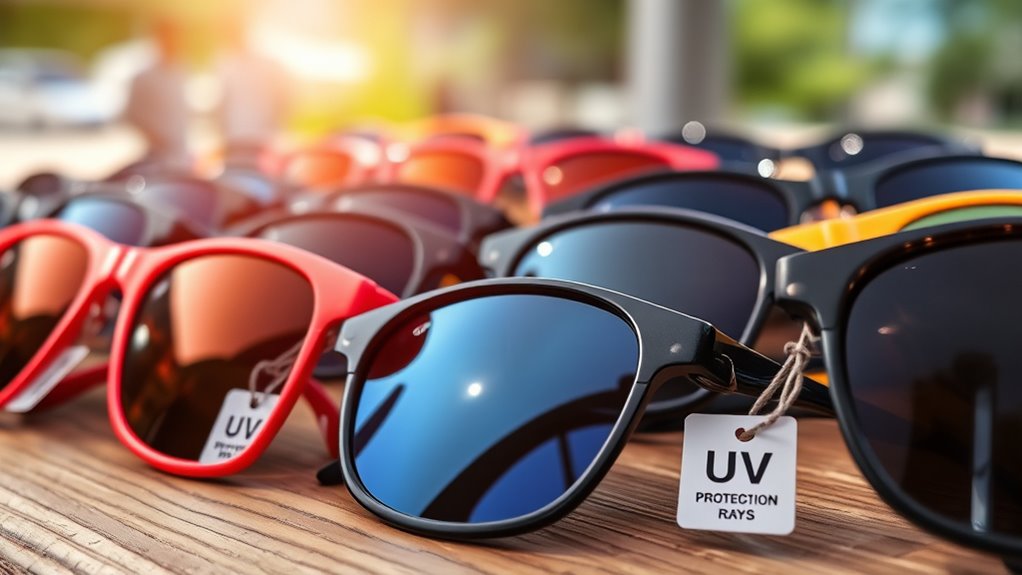
After selecting a stylish pair of sunglasses that fits well, it’s important to confirm they provide the necessary UV protection. Understanding sunglass certifications and label meanings can help you make an informed choice. Look for labels indicating 100% UV protection or UV400, which blocks both UVA and UVB rays. Certifications from reputable organizations, like the American National Standards Institute (ANSI), confirm that sunglasses meet safety and performance standards. Additionally, polarized lenses reduce glare, enhancing your vision quality. Don’t just focus on aesthetics; check for these essential labels to confirm your sunglasses deliver the protection you need. By being diligent about these details, you’ll safeguard your eyes while enjoying your new stylish accessory.
How to Care for Your Sunglasses to Maintain UV Protection
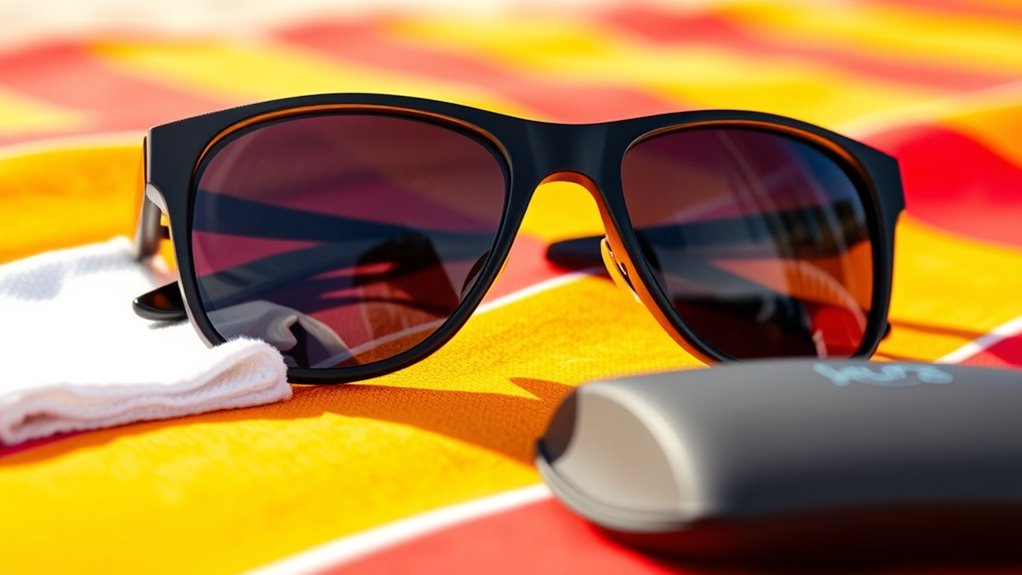
To guarantee your sunglasses continue to provide ideal UV protection, regular care and maintenance are essential. Here are some simple cleaning techniques and storage tips to keep in mind:
- Clean with care: Use a microfiber cloth and gentle lens cleaner to wipe away smudges. Avoid using paper towels or rough fabrics that could scratch the lenses.
- Store properly: When not in use, keep your sunglasses in a protective case. This prevents scratches and damage from other items in your bag.
- Avoid extreme conditions: Don’t leave your sunglasses in hot places, like a car dashboard, as heat can warp the frames and damage the UV coating.
When Should You Replace Your Sunglasses for Best Eye Health?
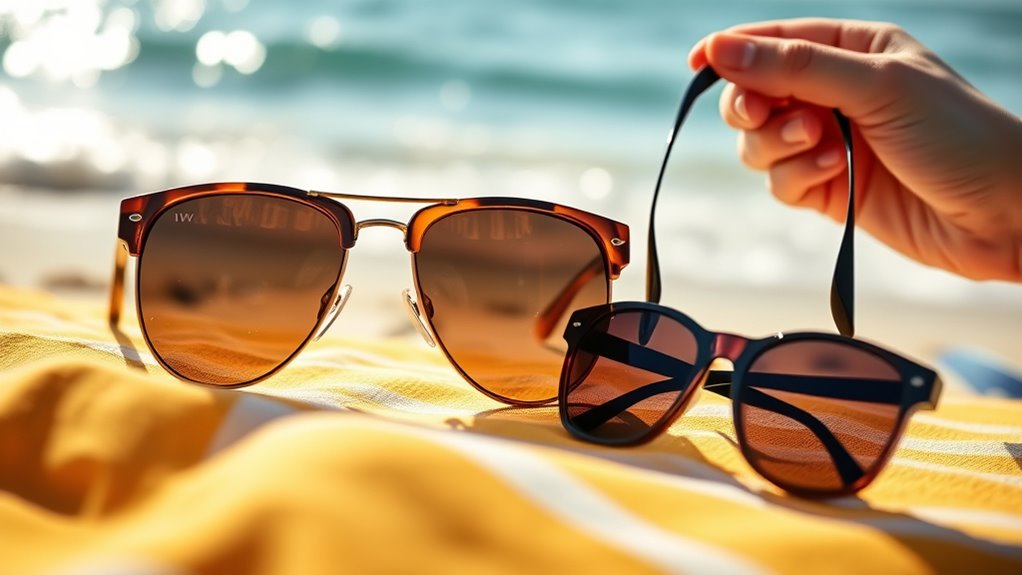
Even with proper care, sunglasses don’t last forever. The typical sunglass lifespan ranges from one to three years, depending on usage and quality. You should be on the lookout for replacement signs that indicate it’s time for a new pair. If you notice scratches that impair your vision, warped frames that don’t fit well, or lenses that have started to peel, it’s time to replace them. Additionally, if your sunglasses no longer offer UV protection, you won’t be safeguarding your eyes effectively. Regularly inspect your shades for these issues, and when you see any of these replacement signs, don’t hesitate to invest in a new pair. Your eye health is worth it!
Finding the Best Sunglasses for Your Lifestyle and UV Needs?

How do you choose the right sunglasses that fit both your lifestyle and UV protection needs? Start by considering your daily activities and the level of UV protection required. Here’s a quick guide to help you decide:
- Active Lifestyles: If you love outdoor sports, go for wraparound styles with polarized lenses to block glare and enhance visibility.
- Fashion Trends: Choose trendy frames that suit your style, but make sure they have adequate UV protection. Look for labels that specify 100% UV protection.
- Versatility: Opt for sunglasses that shift well from sporty outings to casual settings, combining functionality with fashion.
With these tips, you’ll find the perfect pair that keeps your eyes safe while matching your unique style.
Frequently Asked Questions
Can Regular Glasses Provide Adequate UV Protection?
Regular glasses usually don’t provide adequate UV protection unless they’re specifically designed for it. If you need prescription lenses, consider getting prescription sunglasses that block 100% of UVA and UVB rays. Look for lenses made from materials like polycarbonate or Trivex, as they offer better UV protection than standard glass. Always check for a UV rating to guarantee you’re safeguarding your eyes effectively when you’re outdoors. Protecting your vision is essential!
Do Darker Lenses Offer Better UV Protection?
Darker lenses don’t necessarily offer better UV protection. The level of UV protection depends more on the lens material and the specific coatings applied than on the tint. While darker lenses can reduce glare, they might not block UV rays effectively if they aren’t made from proper materials or don’t have UV coatings. Always check for UV protection labels, regardless of lens tint, to guarantee you’re keeping your eyes safe.
Are There Specific Brands Known for Superior UV Protection?
When you slip on a pair of Ray-Bans, you’re not just donning stylish shades; you’re embracing quality known for exceptional UV protection. Oakley takes it a step further, blending sleek design with high-performance lenses that shield your eyes during those bright adventures. Brands like these guarantee you’re not just looking good but also safeguarding your vision. So, as you hit the sun-soaked streets, trust these names to keep your eyes protected and sharp.
How Can I Tell if My Sunglasses Are Genuine UV Protective?
To tell if your sunglasses are genuinely UV protective, check for lens certification labels, like UV400 or ANSI Z80.3. These indicate that the lenses block 100% of UVA and UVB rays. You can also look for UV testing methods mentioned by the manufacturer. If they provide results from independent testing, it’s a good sign. Always buy from reputable brands to guarantee you’re getting effective UV protection that keeps your eyes safe.
Can UV Rays Damage My Eyes Even on Cloudy Days?
Yes, UV rays can still harm your eyes on cloudy days. Imagine the sun hiding behind thick clouds, yet its rays still pierce through. This cloud cover doesn’t block UV radiation, meaning you’re still at risk. Without proper protection, you expose your eyes to potential health risks, like cataracts or macular degeneration. So, even when the sky’s gray, don’t forget to wear your sunglasses to shield your vision from those sneaky rays.
Conclusion
So, you thought picking sunglasses was just about looking cool, huh? Well, it turns out your eyes might actually appreciate a little more thought! By understanding UV protection, checking labels, and choosing the right features, you’re not just making a fashion statement; you’re safeguarding your eye health. Who knew that stylish shades could double as a superhero for your eyes? So, next time you shop, remember: your shades can be both trendy and protective. Isn’t that a twist?
Halloween Picks
halloween
As an affiliate, we earn on qualifying purchases.