
Sleeping bag comfort ratings are helpful but not definitive. They’re based on standardized tests for an average person, so your personal warmth needs, sleep position, and body type can change how warm you’ll stay. Factors like humidity, weather, and insulation type also matter. Keep in mind, ratings provide a starting point, but your experience might differ. To understand how to choose the right bag for you, there’s more to uncover beyond the basics.

Get the little things that make your day delivered free with Prime
- Fast, free delivery on millions of items
- Prime Video, Amazon Music and more included
- Member-only deals all year
Key Takeaways
- Comfort ratings are based on standardized tests and an average user, but individual preferences vary widely.
- Insulation material type (down or synthetic) significantly affects warmth, weight, and moisture performance.
- Personal factors like sleep position, body type, and clothing influence actual comfort beyond ratings.
- Climate conditions and weather impact how well a sleeping bag’s rated temperature suits real-world use.
- Ratings are guides; testing in actual conditions is the best way to determine personal comfort.
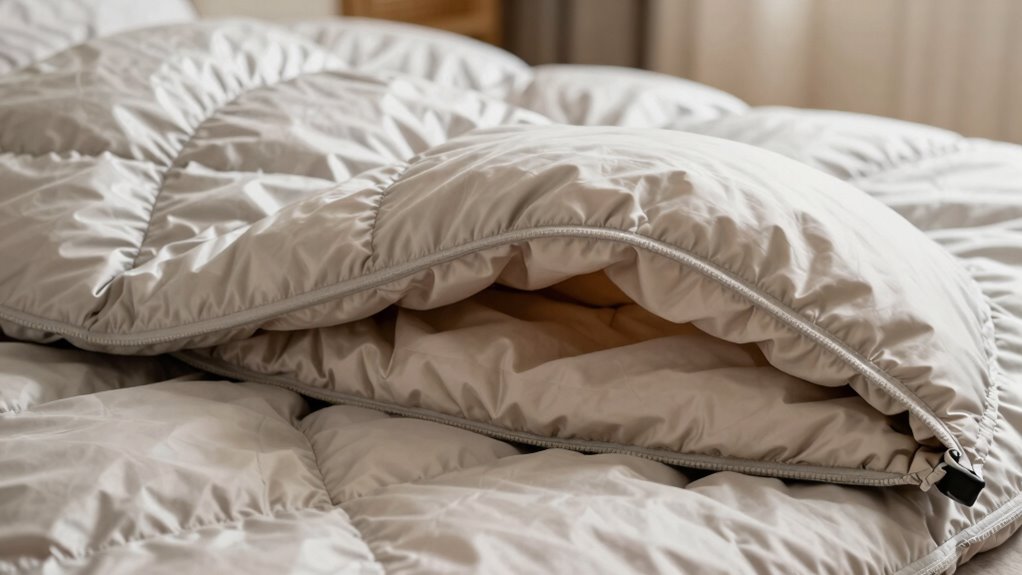
When choosing a sleeping bag, understanding comfort ratings is essential to guarantee a good night’s sleep outdoors. These ratings give you a starting point for selecting a bag that suits your needs, but they don’t tell the full story. Comfort ratings primarily focus on thermal insulation, which is how well the sleeping bag traps heat to keep you warm. However, thermal insulation isn’t a one-size-fits-all measure. Your personal preferences, body type, and the conditions you’ll face all influence what feels comfortable. For instance, a bag rated for 20°F might be perfect for some, but if you tend to feel cold at lower temperatures, you might need a warmer option. Conversely, if you sleep hot, a bag with a lower rating could leave you sweaty and uncomfortable.
Understanding how thermal insulation works helps you make smarter choices. Good insulation traps your body heat and prevents cold air from seeping in. Materials like down and synthetic fibers each have their own insulating properties, affecting how warm you stay and how the bag performs in damp conditions. Down generally provides better warmth-to-weight ratio and compressibility, but it’s less effective if it gets wet. Synthetic insulation, on the other hand, retains heat when damp and is often more affordable. Your user preferences—such as whether you prioritize weight, packability, or ease of maintenance—will influence which insulation type is best for you. Additionally, considering insulation materials can help you select the most suitable sleeping bag for your specific needs. It’s also helpful to understand how thermal efficiency impacts overall comfort in varying weather. Knowing about temperature ratings and how they’re tested can further refine your selection process. Moreover, understanding the climate conditions in which you’ll be camping can prevent mismatched expectations and discomfort. Being aware of how sleeping bag design affects heat retention can also contribute to a more comfortable outdoor experience.
Good insulation traps heat; down is lightweight but less damp-resistant, while synthetic retains warmth when wet.
Comfort ratings are based on standardized testing, but they don’t account for individual factors like sleep position, metabolic rate, or clothing choices. Some people sleep cold, requiring a warmer bag, while others sleep hot and prefer lighter, less insulated options. It’s also worth noting that comfort ratings are usually given for a standard user—around 5’9” tall and 150 pounds—so your personal experience might differ. If you’re taller, shorter, or carry more body mass, you might need to adjust your expectations or choose a different bag altogether.
Ultimately, knowing the basics about thermal insulation and your user preferences allows you to interpret comfort ratings more accurately. Don’t rely solely on the number; consider how you sleep, the typical weather conditions, and your body’s warmth needs. Testing different bags in real-world conditions is the best way to find what works for you. Comfort ratings are a helpful guide, but they should be part of a broader decision-making process that takes your personal comfort and the specifics of your outdoor adventures into account.
down sleeping bag for cold weather
As an affiliate, we earn on qualifying purchases.
As an affiliate, we earn on qualifying purchases.
Frequently Asked Questions
How Are Comfort Ratings Determined for Different Sleeping Bags?
Comfort ratings for sleeping bags are determined through standardized tests that assess how well the insulation maintains temperature and helps with temperature regulation. Manufacturers evaluate the sleeping bag’s insulation material and how it traps heat to guarantee comfort at specific temperatures. These ratings consider comfort for different activities and body types, guiding you to choose a bag that keeps you warm and comfortable by optimizing insulation performance and temperature regulation.
Do Comfort Ratings Account for Personal Sleeping Preferences?
Comfort ratings don’t fully account for your personal sleeping preferences, but they consider general factors like material durability and weight considerations. If you prefer a softer feel or specific insulation, your experience may differ from the rating. It’s essential to choose a sleeping bag that matches your comfort needs, considering how material durability and weight impact warmth and portability. Testing different options helps find what truly suits your sleep style.
Can Comfort Ratings Change Over Time With Use?
Comfort ratings generally stay consistent over time, but factors like material durability and temperature stability can influence them. As your sleeping bag ages, wear and tear may reduce insulation, making it less effective in maintaining warmth. You might notice decreased comfort in colder conditions, especially if the material deteriorates or loses its ability to insulate properly. Regular care helps preserve your bag’s comfort rating, ensuring it continues to meet your needs.
Are Comfort Ratings Consistent Across Various Brands?
Ever wonder if comfort ratings across brands are like apples and oranges? They often aren’t consistent because sleep position and temperature fluctuations influence how a bag feels. Some brands focus on warmth but overlook comfort for side sleepers, while others prioritize flexibility. So, don’t rely solely on ratings; test different bags, considering your sleep position and the temperature swings you face, to find the perfect fit for your adventures.
How Should I Choose a Sleeping Bag Based on Comfort Ratings?
You should choose a sleeping bag based on comfort ratings by considering your typical nighttime temperature and sleeping posture. Look for a bag with comfort ratings that match or slightly exceed the lowest temperature you’ll encounter. If you sleep curled up, opt for a snug fit; if you sprawl out, choose a roomier design. Prioritize comfort ratings that align with your needs to guarantee a warm, restful night’s sleep.
synthetic insulation sleeping bag
As an affiliate, we earn on qualifying purchases.
As an affiliate, we earn on qualifying purchases.
Conclusion
So, now you see, comfort ratings aren’t just numbers—they’re your guiding stars in the night sky of camping. They whisper secrets of warmth and whisper promises of cozy dreams under the stars. Trust these ratings as your compass, steering you toward restful nights and adventures filled with comfort. With this knowledge, you’ll sleep soundly, wrapped in a warm embrace of understanding, ready to conquer the wild with confidence and a peaceful mind.
ultralight backpacking sleeping bag
As an affiliate, we earn on qualifying purchases.
As an affiliate, we earn on qualifying purchases.
sleeping bag with temperature rating
As an affiliate, we earn on qualifying purchases.
As an affiliate, we earn on qualifying purchases.
Halloween Picks
halloween
As an affiliate, we earn on qualifying purchases.