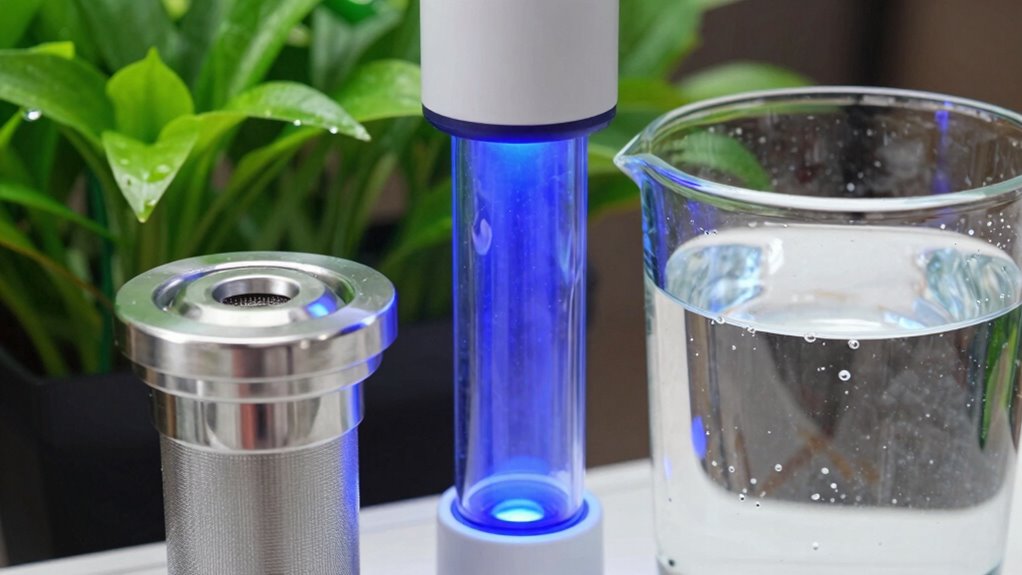

Water purification methods are essential to guarantee you access clean and safe drinking water, which is important for good health. Common techniques include activated carbon filters, reverse osmosis, UV purification, and distillation. Each method targets specific contaminants, helping to protect you from various pollutants. Maintenance is significant for efficiency and effectiveness. By understanding the benefits and drawbacks of each method, you can make informed choices about your water purification system. Discover more about these options and how they work.

Get the little things that make your day delivered free — and shop member deals
- Fast, free delivery on millions of items
- Access to Prime Big Deal Days deals on October 6–7
- Prime Video, Amazon Music and more included
Key Takeaways
- Water purification is essential for health, preventing diseases caused by contaminated water and protecting ecosystems.
- Common contaminants include lead, heavy metals, microbial pathogens, and chemical pollutants from industrial and agricultural sources.
- Effective filtration systems include activated carbon filters, reverse osmosis systems, and UV water purifiers, each with unique benefits.
- Regular maintenance of purification systems is crucial for ensuring efficiency, including checking filters and inspecting for leaks.
- Distillation is a high-efficiency method that removes most contaminants but has higher energy consumption and setup costs.
activated carbon water filter pitcher
As an affiliate, we earn on qualifying purchases.
As an affiliate, we earn on qualifying purchases.
Understanding the Importance of Water Purification
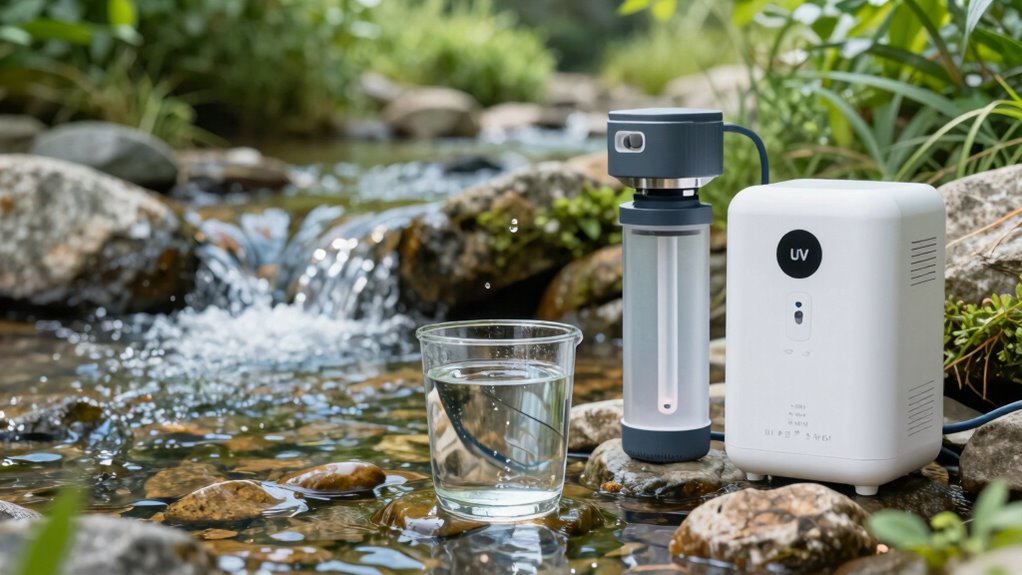
Water purification is essential because it directly affects your health and well-being. Clean water is crucial for preventing diseases and promoting good health benefits, ensuring you stay hydrated and energized. When you drink or use contaminated water, you risk exposing yourself to harmful pollutants that can lead to serious health issues. Additionally, purifying water has a positive environmental impact. By reducing pollutants in water sources, you help protect ecosystems and preserve biodiversity. This not only benefits you but also future generations. Investing in water purification methods can enhance your quality of life and contribute to a healthier planet. So, prioritize clean water in your daily routine and enjoy the benefits it brings to both you and the environment.
reverse osmosis under sink system
As an affiliate, we earn on qualifying purchases.
As an affiliate, we earn on qualifying purchases.
Common Contaminants in Water Supplies
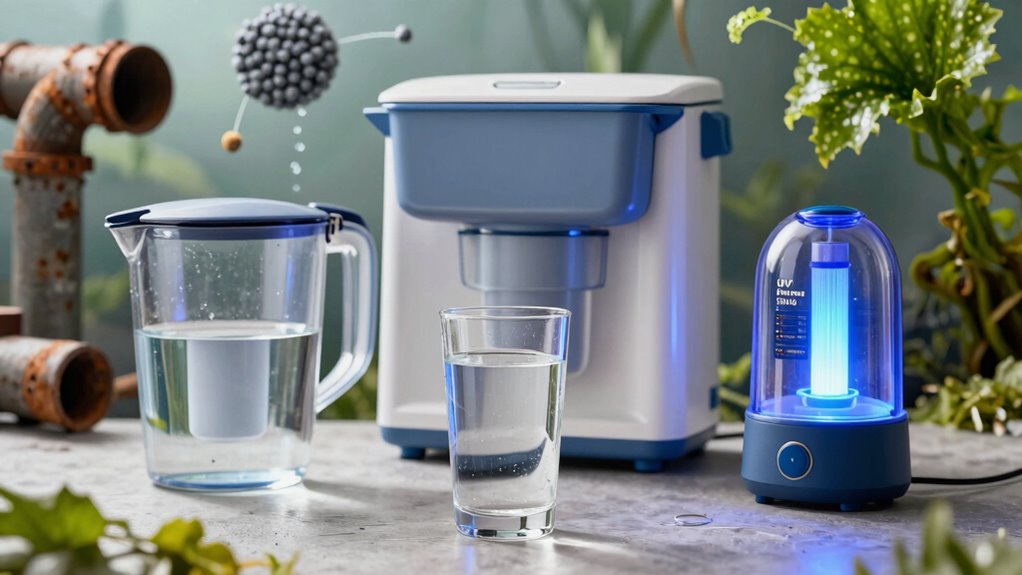
Contaminants in water supplies can pose serious risks to your health, making it vital to understand what you’re dealing with. Common issues include lead contamination and heavy metals, often stemming from industrial discharge and aging infrastructure. Microbial pathogens can lead to waterborne diseases, while chemical pollutants, including environmental toxins, may enter your water through agricultural runoff. Seasonal variations can also affect the prevalence of these contaminants, exposing you to varying risks throughout the year. It’s essential to recognize how these factors influence water quality and the filtration efficiency of your purification methods. By being aware of these common contaminants, you can take proactive steps to guarantee your water remains safe and clean for you and your family.
As an affiliate, we earn on qualifying purchases.
Key Filtration Systems for Effective Water Purification
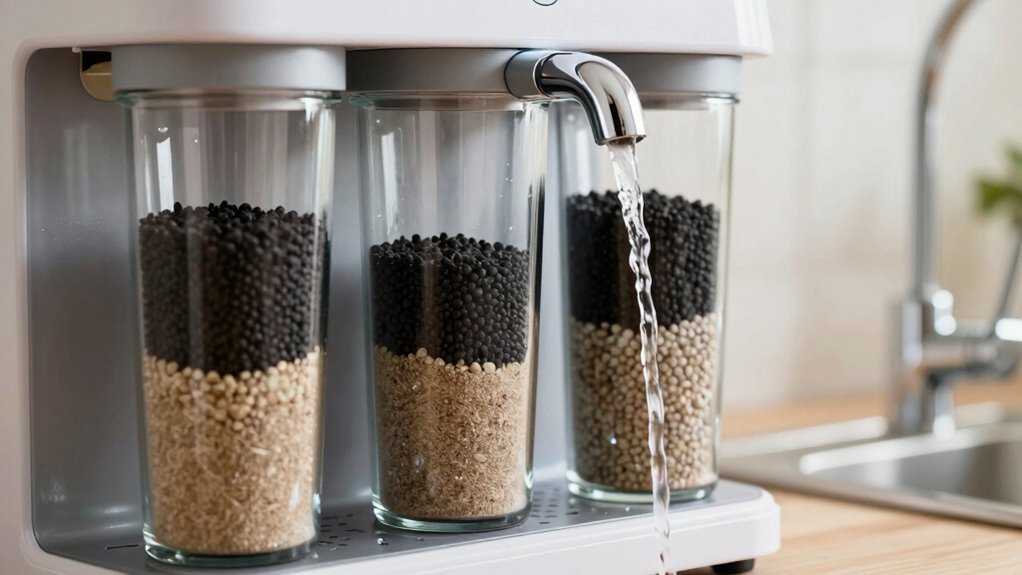
When it comes to purifying water, understanding key filtration systems is essential. Activated carbon filters, reverse osmosis systems, and UV water purifiers each offer unique benefits that can enhance your water quality. Let’s explore how these methods work and why they might be right for you.
Activated Carbon Filters
Activated carbon filters serve as one of the most effective filtration systems for purifying water, thanks to their ability to adsorb impurities and odors. When you use activated carbon, you’re tapping into a process that enhances filtration efficiency by capturing contaminants like chlorine, sediment, and volatile organic compounds. This makes your drinking water safer and tastier. Installing an activated carbon filter in your home is simple, and the maintenance is minimal—just replace the filter regularly to keep it functioning effectively. You’ll notice a difference in both clarity and taste. Plus, they’re versatile enough to fit in various systems, from pitcher filters to under-sink setups. Overall, activated carbon filters are a smart choice for clean, great-tasting water.
Reverse Osmosis Systems
Reverse osmosis systems are among the most advanced filtration technologies available for purifying drinking water. They effectively remove contaminants like chlorine, lead, and nitrates, offering significant reverse osmosis benefits. With a multi-stage process, these systems filter out impurities, delivering clean and safe water for your home. You’ll appreciate the taste and quality of the water, making it perfect for drinking and cooking.
However, there are some reverse osmosis drawbacks to evaluate. The systems can waste a fair amount of water during the filtration process and may require regular maintenance. Additionally, they can be costly upfront, depending on the model you choose. Overall, if you’re looking for a reliable filtration method, reverse osmosis could be a great option for your water purification needs.
UV Water Purifiers
While reverse osmosis systems offer effective filtration, UV water purifiers present another innovative solution for ensuring your drinking water is safe. These purifiers use ultraviolet light to kill harmful microorganisms, providing a high level of UV effectiveness without adding chemicals. You can enjoy peace of mind knowing your water is treated efficiently.
| Feature | Description |
|---|---|
| UV Effectiveness | Kills 99.9% of bacteria and viruses |
| UV Safety | No harmful byproducts; safe for daily use |
| Maintenance | Low maintenance; replace bulbs every 12 months |
With UV safety on your side, these systems are perfect for households seeking clean, safe drinking water without complex processes. Make the switch for better hydration today!
As an affiliate, we earn on qualifying purchases.
Understanding Reverse Osmosis
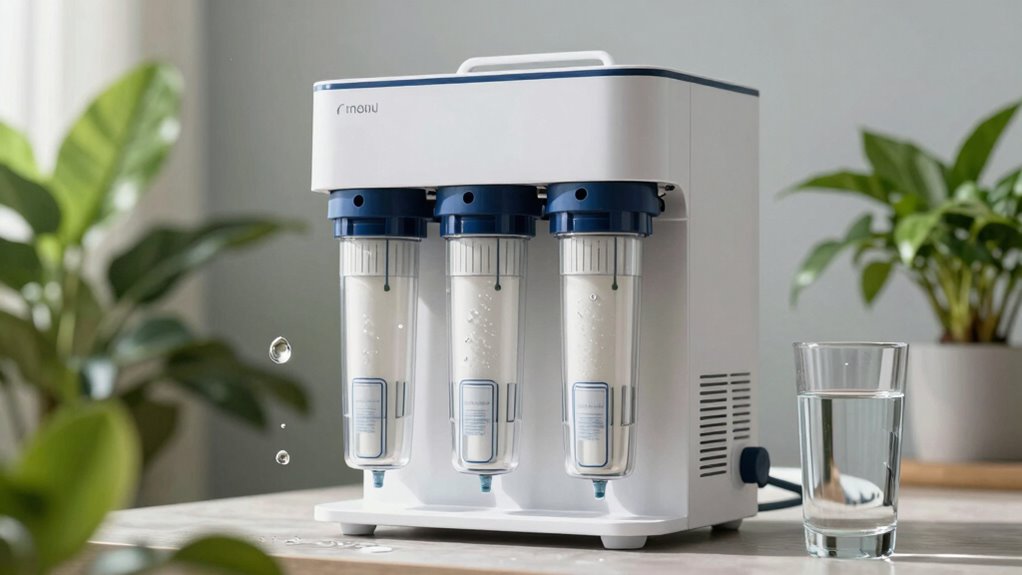
When you think about effective water purification methods, reverse osmosis (RO) stands out for its ability to remove a wide range of contaminants. The reverse osmosis process uses a semi-permeable membrane to filter out impurities, including bacteria, viruses, and harmful chemicals. This method offers numerous reverse osmosis benefits, such as improving taste, odor, and overall water quality.
How UV Purification Enhances Water Safety
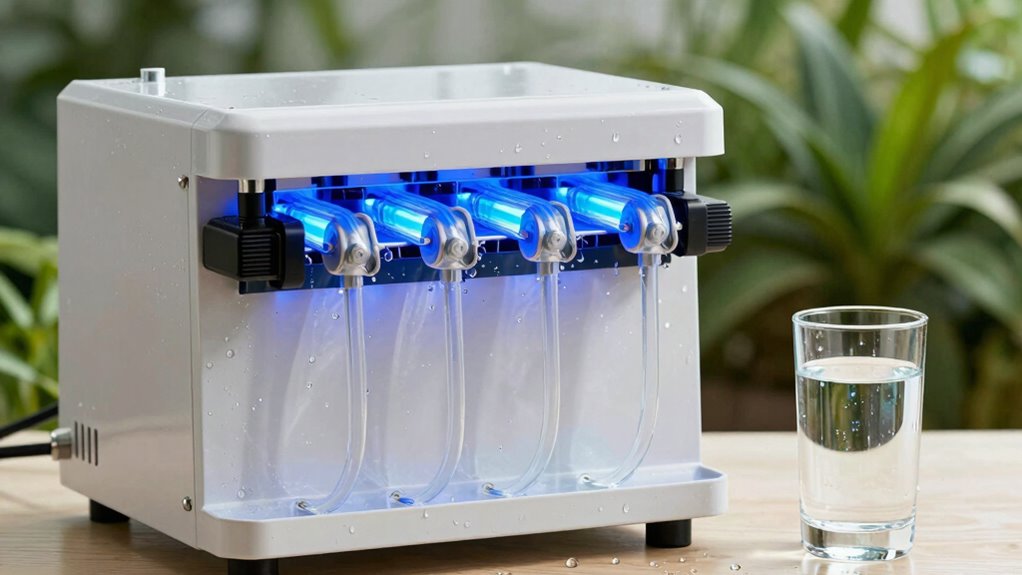
After exploring the benefits of reverse osmosis, it’s important to contemplate another powerful method: UV purification. This technique uses ultraviolet light to kill harmful microorganisms, enhancing water safety considerably. With UV effectiveness, you can eliminate bacteria, viruses, and protozoa without adding chemicals, making it a safe choice for both home and industrial use. Water safety is greatly improved through this method, ensuring clean and healthy drinking water.
Here’s a quick look at UV applications:
| UV Application | Description |
|---|---|
| Drinking Water Treatment | Kills pathogens in potable water |
| Wastewater Disinfection | Reduces contaminants before discharge |
| Food and Beverage Safety | Guarantees safety by treating liquids |
Integrating UV purification into your water treatment system can provide peace of mind, knowing your water is free from harmful agents.
How Do Chemical Treatments Stack Up?
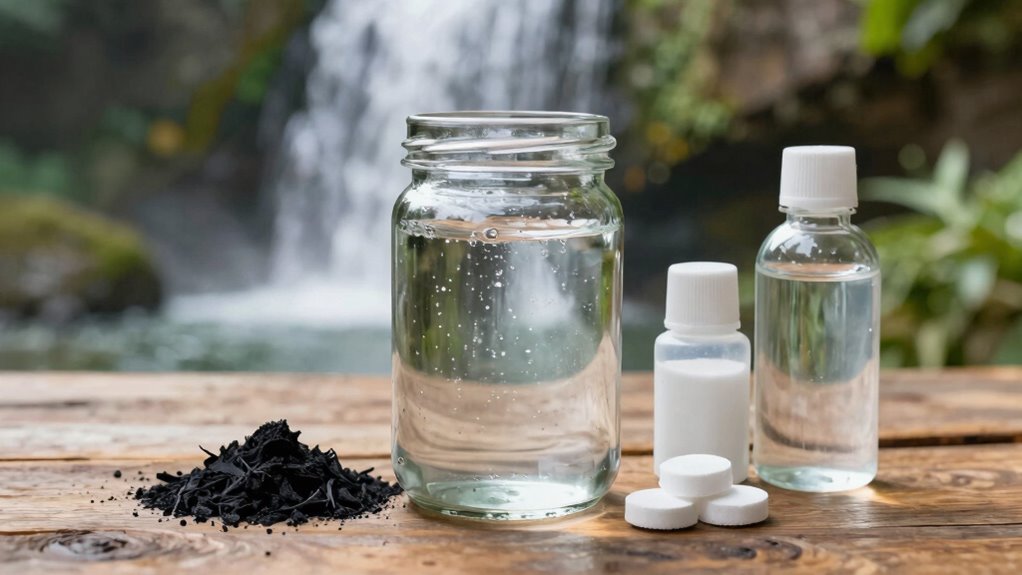
How do chemical treatments compare in effectiveness and safety? When you consider water purification, chemical treatments can be quite effective, thanks to specific chemical reactions that eliminate contaminants. Common methods, like chlorine or ozone treatments, target bacteria and viruses, ensuring your water is safe to drink. However, treatment effectiveness can vary based on factors like water quality and the type of contaminants present. While these methods are generally safe, there are concerns about the byproducts formed during chemical reactions. For instance, chlorine can produce harmful compounds if not managed correctly. Ultimately, weighing the effectiveness against potential risks is essential. Understanding how these chemical treatments work helps you make informed decisions about your water purification options.
Weighing the Pros and Cons of Distillation
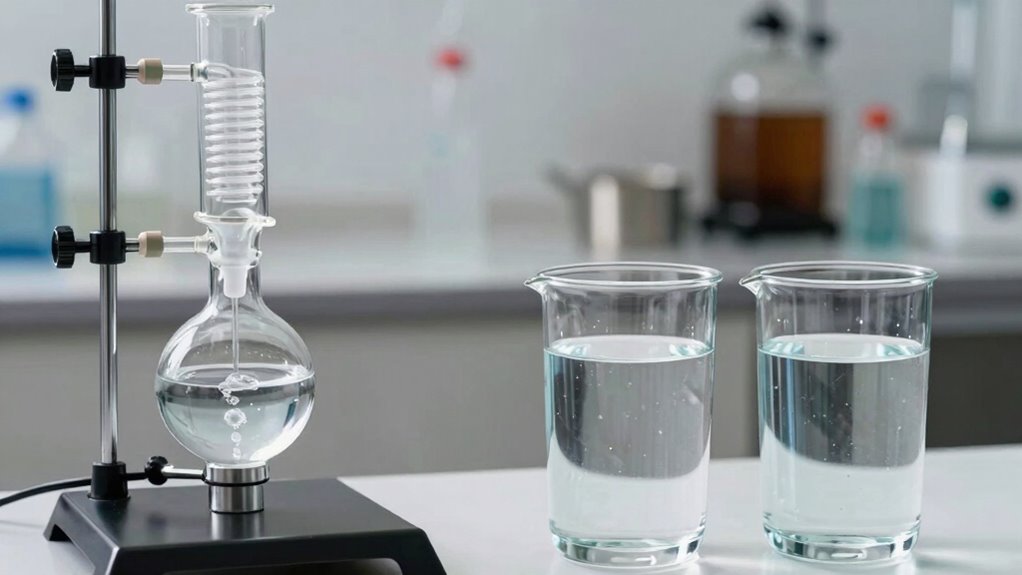
While distillation is a time-tested method for purifying water, it comes with its own set of advantages and drawbacks. On one hand, it boasts high distillation efficiency, effectively removing impurities and contaminants. On the other hand, you need to evaluate the distillation costs, which can be significant.
Here’s a quick comparison for you:
| Pros | Cons |
|---|---|
| High purification efficiency | Higher energy consumption |
| Removes most contaminants | Initial setup costs can be high |
| Simple to operate | Time-consuming process |
| No chemical additives needed | Limited effectiveness on certain chemicals |
Ultimately, understanding these pros and cons can help you make an informed decision about whether distillation is the right choice for your water purification needs.
How to Choose the Best Water Purification Method for You
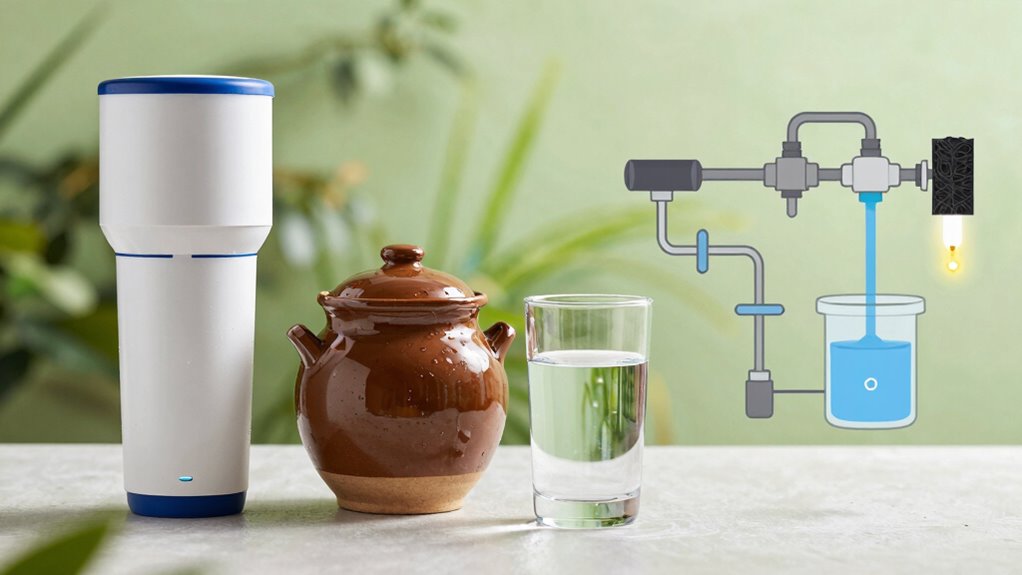
Choosing the right water purification method depends on your specific needs and circumstances. Start by evaluating your water quality and identifying any contaminants you want to remove. Consider your personal preferences: do you prefer a simple, low-maintenance solution, or are you willing to invest time and effort for a more advanced system? Budget considerations also play an important role; some methods can be expensive upfront but save you money in the long run. Think about how much water you need to purify regularly and whether you’d prefer a portable option for travel or a larger system for home use. By balancing these factors, you’ll find the best water purification method tailored to your lifestyle and financial situation.
Maintenance Tips for Your Water Purification System
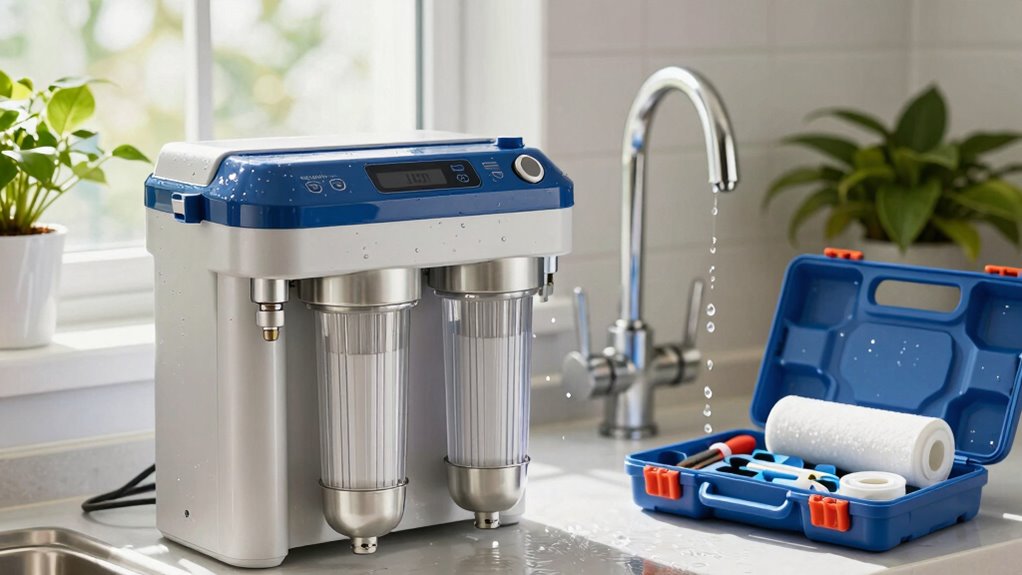
To keep your water purification system running efficiently, regular maintenance is essential. Start by checking and replacing filters according to the manufacturer’s guidelines. Neglecting filter replacement can lead to reduced performance and poor water quality. You should also schedule system cleaning to remove any buildup of contaminants and guarantee peak operation. Use a mild detergent and follow specific cleaning instructions for your system. Additionally, inspect all connections and hoses for leaks or damage. If you notice any issues, address them promptly to avoid bigger problems down the line. Regular maintenance not only extends the life of your system but also ensures you’re drinking clean, safe water. Make it a habit to check on your system regularly!
Frequently Asked Questions
How Often Should I Replace My Water Purification Filters?
You should replace your water purification filters every 6 to 12 months, depending on your usage and the manufacturer’s recommendations. Regular filter maintenance is vital for ensuring clean water. Keep an eye on your filter’s performance; if you notice a decrease in flow or taste, it might be time for a change. Establishing a replacement schedule can help you stay on track and maintain ideal water quality for you and your family.
Can Water Purification Systems Remove Heavy Metals?
Your water purification system can be a superhero in the fight against heavy metals, boasting impressive purification efficiency. With the right filters, it’ll tackle contaminants like lead and mercury, leaving your water as clean as a mountain spring! Just imagine sipping on crystal-clear water, free from those pesky metals. But remember, not all systems are created equal, so always check for heavy metal removal capabilities to guarantee you’re getting the best protection.
What Is the Lifespan of a Typical Water Purifier?
A typical water purifier lasts about 5 to 15 years, but several lifespan factors come into play. Regular purifier maintenance, like changing filters and cleaning components, can greatly extend its life. If you neglect these tasks or use your purifier in a high-demand environment, you might find its lifespan shortening. So, keep an eye on its upkeep to guarantee you get the most out of your investment in clean water!
Are There Any Health Risks From Purified Water?
Purified water’s pretty popular, but it does come with some health concerns. While contaminants removal enhances hydration benefits, improper purification can leave behind harmful substances or introduce new ones. If you’re relying solely on purified water, guarantee it’s from a reputable source. Regular testing and maintenance help you avoid potential pitfalls. Ultimately, staying informed protects your health and assures you enjoy the invigorating perks of purified water without worry.
How Much Does Water Purification Cost on Average?
On average, water purification systems can cost anywhere from $100 to $3,000, depending on various cost factors. If you’re considering a whole-house system, installation fees can add another $500 to $2,000. You’ll want to factor in the type of system you choose, maintenance, and filter replacements as ongoing costs. Weighing these elements will help you determine the best option for your budget and water quality needs.
Conclusion
In today’s world, having access to clean water is nothing short of a miracle. By understanding the various water purification methods, you can make informed choices to protect your health and that of your loved ones. Remember, each system has its strengths and weaknesses, so choose the one that fits your needs best. With the right purification method, you’re not just filtering water; you’re ensuring a safer, healthier future for yourself and your family.
Halloween Picks
halloween
As an affiliate, we earn on qualifying purchases.