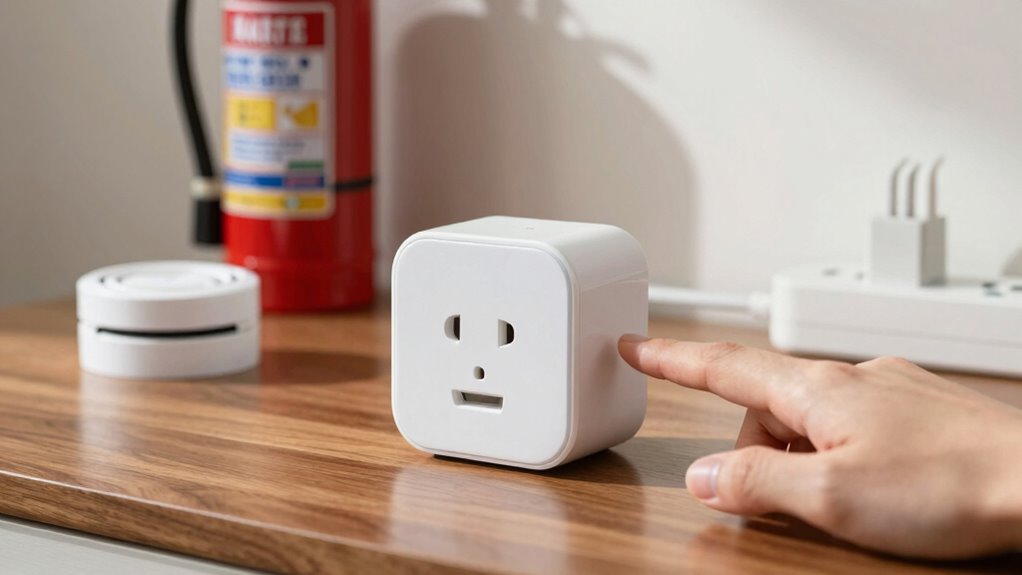
Smart plugs are convenient but come with safety risks you need to evaluate. They can overheat and lead to fire hazards if overloaded, and insecure connections may expose your device to unauthorized access. To guarantee safety, choose plugs with UL certification and energy monitoring features. Always use smart plugs according to their wattage limits, and keep an eye out for signs of malfunction. If you’re curious about specific best practices and emergency responses, there’s more to explore.
Key Takeaways
- Ensure smart plugs have UL certification for safety and reliability to prevent hazards.
- Regularly check and update firmware to incorporate security patches and avoid vulnerabilities.
- Be aware of the wattage limits of devices connected to prevent overheating and fires.
- Use strong, unique passwords and enable two-factor authentication for enhanced device security.
- Install smart plugs in dry locations, away from heat sources, to minimize safety risks.

Kasa Matter Smart Plug w/ Energy Monitoring, Compact Design, 15A/1800W Max, Super Easy Setup, Works with Apple Home, Alexa & Google Home, UL Certified, 2.4G Wi-Fi Only, White, KP125M (4-Pack)
【Matter-Compatible Smart Home Integration】Works with Matter-certified platforms such as Apple Home, Amazon Alexa, Google Home, and Samsung SmartThings….
As an affiliate, we earn on qualifying purchases.
As an affiliate, we earn on qualifying purchases.
Understanding Smart Plugs: What Are They?
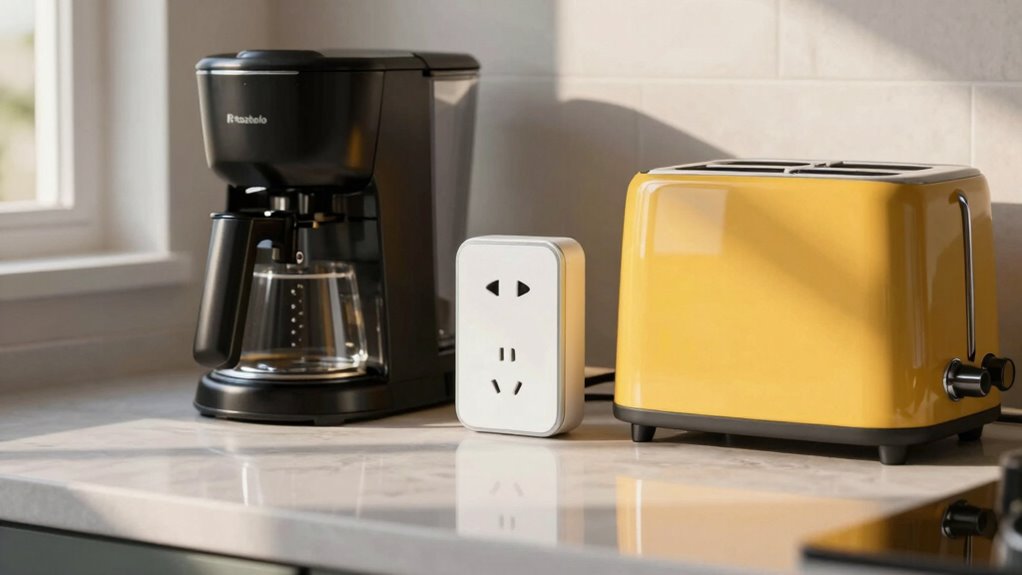
Smart plugs are innovative devices that bring your home into the digital age. These handy gadgets let you control your appliances remotely, making your life more convenient. There are several smart plug types, including Wi-Fi, Bluetooth, and Zigbee, each offering unique benefits depending on your needs. You can easily plug them into standard outlets and connect your devices, like lamps or coffee makers. Smart plug features often include timers, energy monitoring, and voice control compatibility, allowing you to manage your home environment from your smartphone or through voice assistants like Alexa or Google Assistant. By understanding these functionalities, you can select the right smart plug to enhance your home’s automation, ultimately simplifying your daily routine. Additionally, integrating local automation can improve the responsiveness and security of your smart home system.

Kasa Smart Plug Ultra Mini 15A, Smart Home Wi-Fi Outlet Works with Alexa, Google Home & IFTTT, No Hub Required, UL Certified, 2.4G WiFi Only, 2 Count (Pack of 1)(EP10P2) , White
Voice control: Kasa smart plugs that work with Alexa and Google Home Assistant. Enjoy the hands free convenience…
As an affiliate, we earn on qualifying purchases.
As an affiliate, we earn on qualifying purchases.
The Benefits of Using Smart Plugs in Your Home
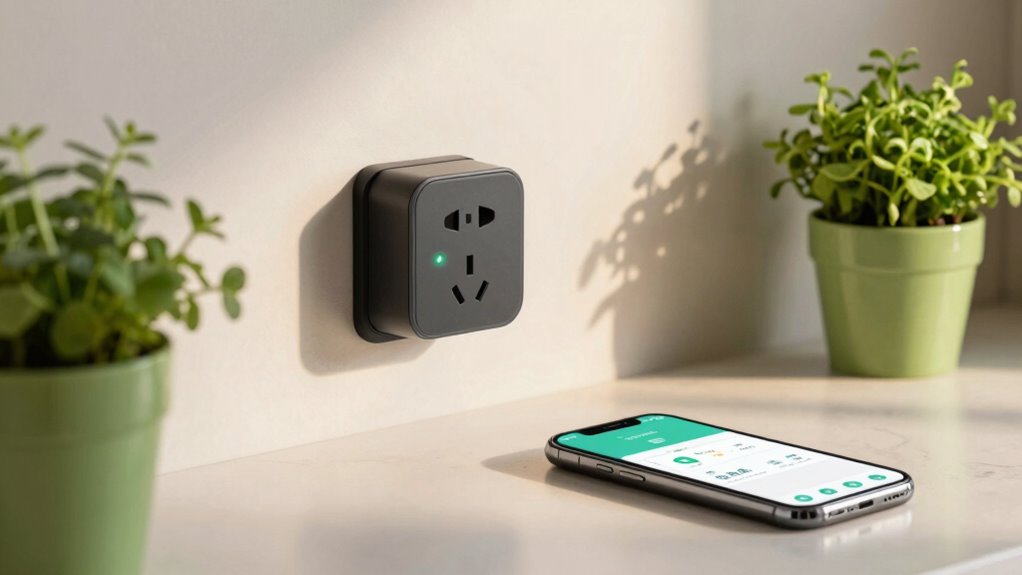
Using smart plugs in your home offers a range of advantages that can greatly enhance your daily life. They promote energy efficiency, allowing you to monitor and reduce your energy consumption effortlessly. With remote control capabilities, you can manage your devices from anywhere, ensuring convenience and peace of mind.
| Benefit | Description |
|---|---|
| Energy Monitoring | Track energy usage to identify savings opportunities. |
| Remote Control | Operate devices from your smartphone or tablet. |
| Scheduling | Set timers to automatically turn devices on/off. |
| Integration | Easily connect with smart home systems. |
| Increased Safety | Turn off devices remotely to prevent hazards. |
These features not only simplify your routines but also contribute to a safer, smarter home environment.

Dual Smart Plug 15A, GHome Smart Plugs Work with Alexa and Google Home, 2-in-1 Compact Smart Outlet Timer with APP Remote Control, 2.4GHz Wi-Fi Only, No Hub Required, FCC Listed, 2 Pack
【Quick & Stable Connection】Rated for 15A/1800W to power heavy-duty devices. Features fast setup via BT and Wi-Fi. Simply…
As an affiliate, we earn on qualifying purchases.
As an affiliate, we earn on qualifying purchases.
Common Risks of Smart Plugs You Should Know
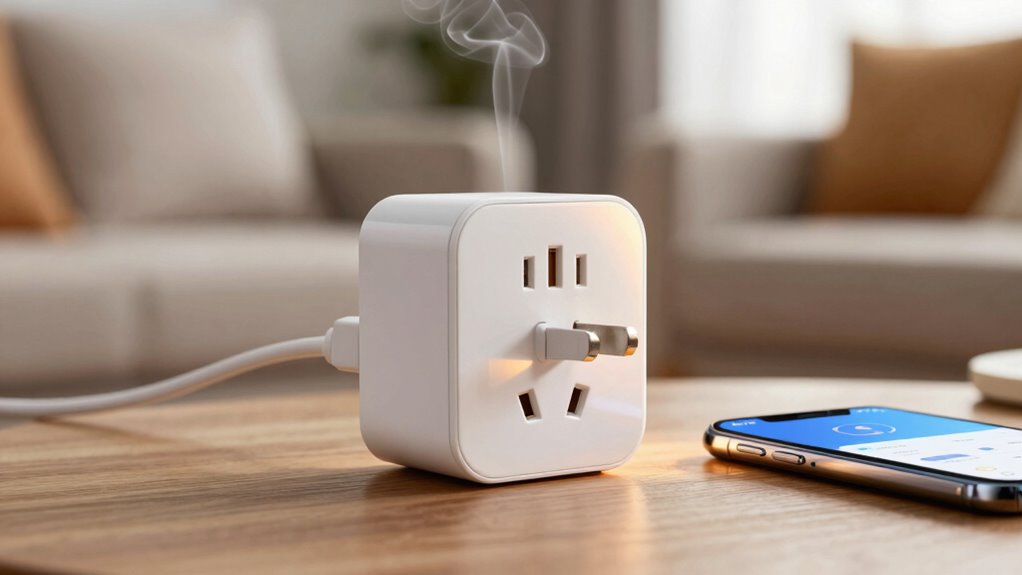
While smart plugs offer convenience, they can also pose some risks you should be aware of. Overloading electrical circuits can lead to potential hazards, and insecure Wi-Fi connections may expose your devices to unwanted access. Understanding these risks is essential for safe usage in your home. Additionally, implementing security best practices can help protect your smart devices from cyber threats.
Overloading Electrical Circuits
Overloading electrical circuits is a significant risk when you use smart plugs, especially if you’re not aware of the wattage limits. Each smart plug has a specific circuit capacity, and exceeding this can lead to overheating, which poses a serious fire hazard. To guarantee your electrical safety, always check the total wattage of the devices you’re plugging in. If you’re using multiple appliances, add their wattages together, and make sure it doesn’t exceed the smart plug’s rating or the circuit’s capacity. Remember, it’s better to be cautious than to risk damage to your home or personal safety. Being mindful of indoor air quality can also help prevent issues caused by overheating and dust accumulation. By staying informed and using smart plugs responsibly, you can enjoy their convenience without compromising on safety.
Insecure Wi-Fi Connections
When managing the safety of your smart devices, it’s important to contemplate the risks associated with insecure Wi-Fi connections. Without proper wi-fi encryption, your smart plugs can become targets for hackers, exposing your home to various threats. Here are some common risks you should be aware of:
- Unauthorized access to your smart devices
- Data theft and privacy breaches
- Potential control over your home appliances
- Malware installation through network vulnerabilities
- Increased risk of identity theft
To protect yourself, always use strong passwords and guarantee your Wi-Fi network has robust encryption. Regularly update your smart plug firmware, and consider setting up a separate network for your smart devices. Taking these precautions can greatly enhance your smart home security.

Kasa Smart Plug HS103P4, Smart Home Wi-Fi Outlet Works with Alexa, Echo, Google Home & IFTTT, No Hub Required, Remote Control, 15 Amp, UL Certified, 4-Pack, White
Voice control: Kasa smart plugs that work with Alexa and Google Home Assistant. Enjoy the hands free convenience…
As an affiliate, we earn on qualifying purchases.
As an affiliate, we earn on qualifying purchases.
Choosing a Safe Smart Plug for Your Home
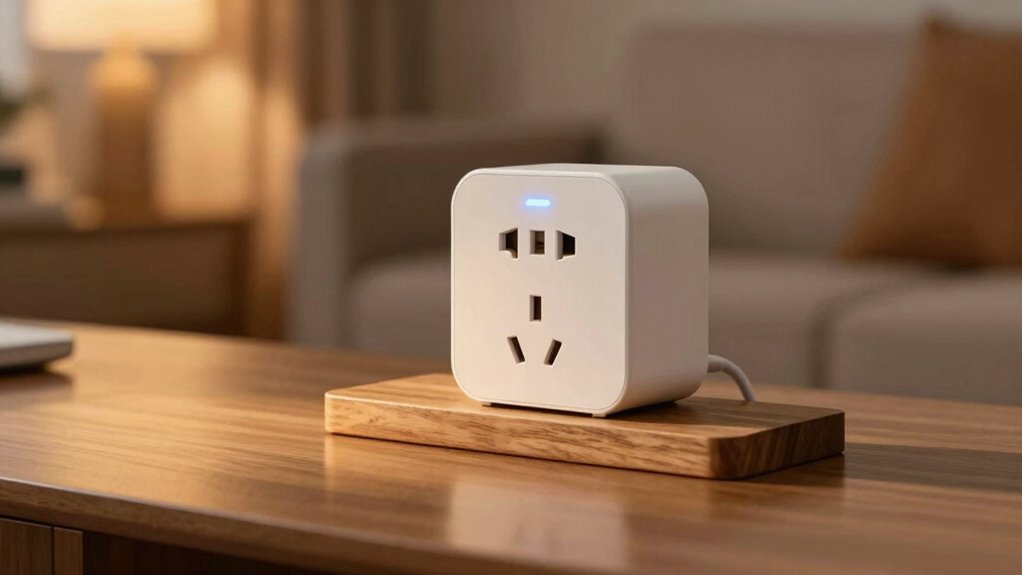
When selecting a smart plug for your home, it’s essential to look for UL certification to guarantee safety and reliability. Additionally, consider plugs with energy monitoring features, as they can help you track usage and potentially lower your energy bills. Making informed choices can keep your devices safe and efficient. For added peace of mind, reviewing security zone info can provide insights into trusted brands and safety standards in home technology.
UL Certification Importance
Choosing a smart plug isn’t just about convenience; it’s crucial to prioritize safety, and UL certification plays a significant role in that. When you see a UL mark, it means the product has undergone rigorous testing to meet UL standards. Here’s why you should look for UL certification when selecting a smart plug:
- Guarantees compliance with safety regulations
- Indicates thorough product testing for electrical safety
- Reduces the risk of fire hazards and electrical failures
- Provides peace of mind for you and your family
- Confirms that the product has been evaluated by a trusted organization
Safe electrical devices are essential for preventing potential hazards in your home.
Energy Monitoring Features
While safety is paramount, energy monitoring features can also play a significant role in choosing a smart plug for your home. These features provide you with real-time monitoring of energy consumption, allowing you to track how much power your devices are using. By understanding your energy usage, you can identify devices that might be wasting electricity and take action to reduce your bills. Look for plugs that highlight their energy-saving capabilities, as these can help you make informed decisions about your energy consumption. A smart plug with energy monitoring not only enhances safety by preventing overloads but also encourages you to be more eco-conscious. Investing in such technology benefits both your wallet and the environment. Additionally, energy efficiency can be optimized by selecting smart plugs with advanced monitoring features that give detailed insights into your power usage.
Best Practices for Installing Smart Plugs
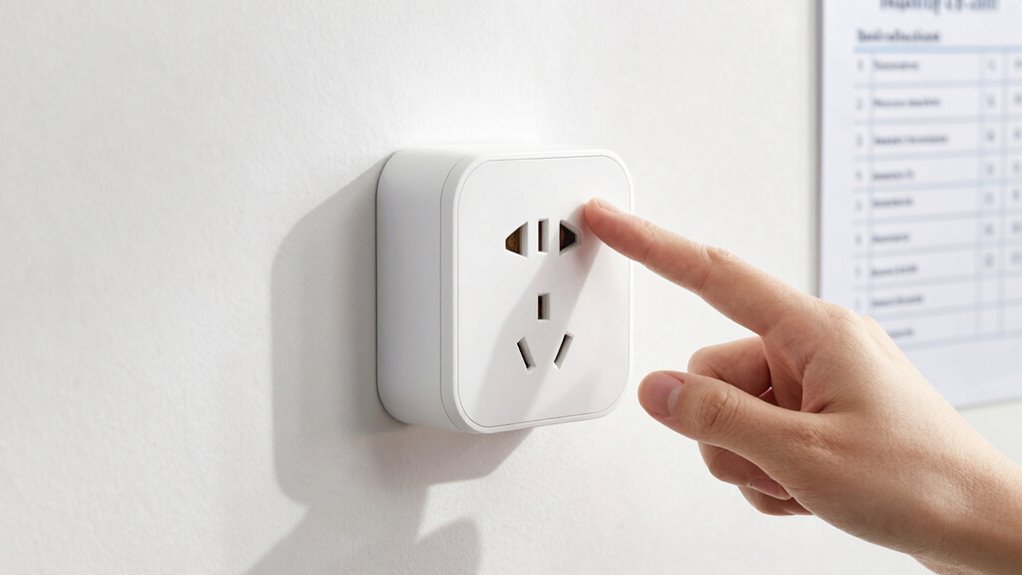
To guarantee a safe and effective installation of smart plugs, you should follow several best practices. Choosing the right smart plug types and suitable installation locations is vital for peak performance. Here are some tips to help you:
- Check compatibility: Confirm your smart plugs work with your devices and network.
- Avoid overloading: Don’t exceed the plug’s rated capacity to prevent overheating.
- Choose dry locations: Install plugs in dry areas to avoid moisture-related issues.
- Keep away from heat sources: Place plugs away from heaters or direct sunlight.
- Secure connections: Make sure the plug is firmly inserted into the outlet to avoid loose connections.
Following these guidelines will help you enjoy the benefits of your smart plugs safely!
Securing Your Smart Home Network
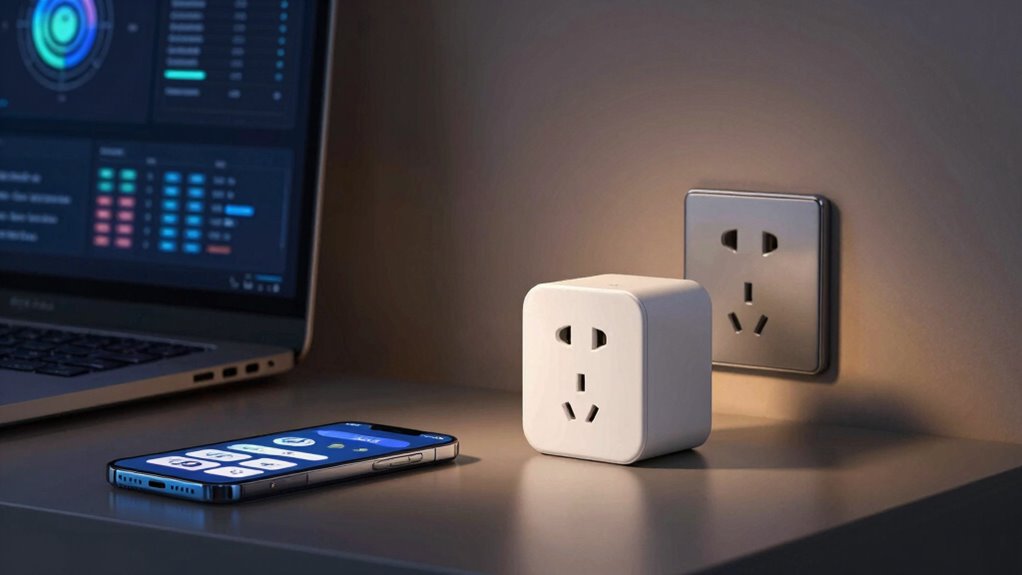
To keep your smart home network safe, start by using strong passwords for your devices. Don’t forget to enable two-factor authentication for an extra layer of security, and make it a habit to regularly update your firmware. These simple steps can greatly reduce the risk of unauthorized access to your home. Additionally, staying informed about law updates can help you adapt your security measures to new threats.
Use Strong Passwords
Securing your smart home network starts with using strong passwords, which act as the first line of defense against unauthorized access. Practicing good password hygiene is essential for maintaining a secure configuration. Here are some tips to help you create robust passwords:
- Use at least 12 characters, including numbers, symbols, and a mix of uppercase and lowercase letters.
- Avoid common words or phrases, as they’re easy to guess.
- Don’t reuse passwords across multiple devices or accounts.
- Change your passwords regularly to keep them fresh and secure.
- Consider using a password manager to help you generate and store complex passwords safely.
Enable Two-Factor Authentication
While strong passwords lay the groundwork for your smart home security, enabling two-factor authentication (2FA) adds an essential layer of protection. By using 2FA, you greatly enhance your defense against unauthorized access, as it requires a second form of verification beyond your password. This can include authentication methods like text messages, email codes, or authentication apps. The two-factor benefits are clear: even if someone gets hold of your password, they still need that second verification to break in. Take the time to enable 2FA on all compatible devices and accounts. It’s a simple step that dramatically increases your overall security, giving you peace of mind as you enjoy your smart home. Don’t overlook this critical safeguard! Additionally, understanding home security features such as high-quality projectors and proper setup can further protect your devices and environment.
Regularly Update Firmware
Keeping your smart home secure hinges on regularly updating the firmware of your devices. Firmware updates are essential because they often include security patches that fix vulnerabilities hackers could exploit. By staying current with updates, you greatly enhance your device’s defenses. Additionally, understanding cybersecurity best practices can help you better protect your smart home network from potential threats.
Here are some key tips for managing firmware updates:
- Set reminders for regular checks on updates.
- Enable automatic updates when available.
- Monitor manufacturer announcements for critical patches.
- Review update logs to understand what’s been fixed.
- Consult user forums for tips on common issues post-update.
Avoiding Smart Plug Overload
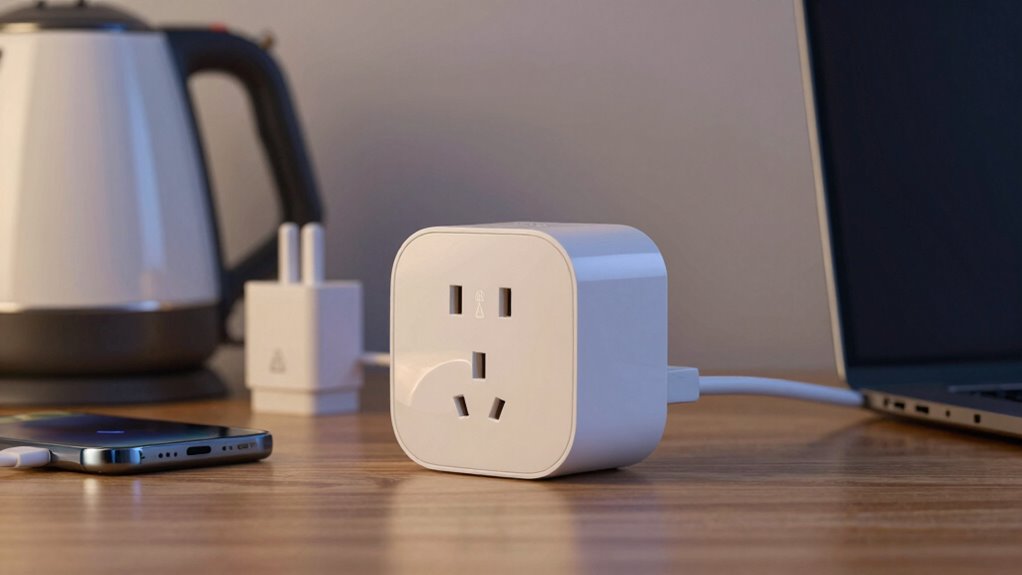
To prevent potential hazards, it’s essential to understand the limits of your smart plugs. Check the smart plug wattage before plugging in devices; exceeding this limit can lead to overheating or even fires. Always know the total wattage of the devices you intend to use. If you’re unsure, consult the manufacturer’s specifications for guidance. Additionally, invest in smart plugs with built-in power surge protection to safeguard your electronics. These features can help absorb excess voltage during electrical spikes, reducing the risk of damage. Remember, it’s better to err on the side of caution. Understanding security features and using surge protection, you can enjoy the convenience of smart plugs safely without the worry of overload.
Tracking Energy Use With Smart Plugs
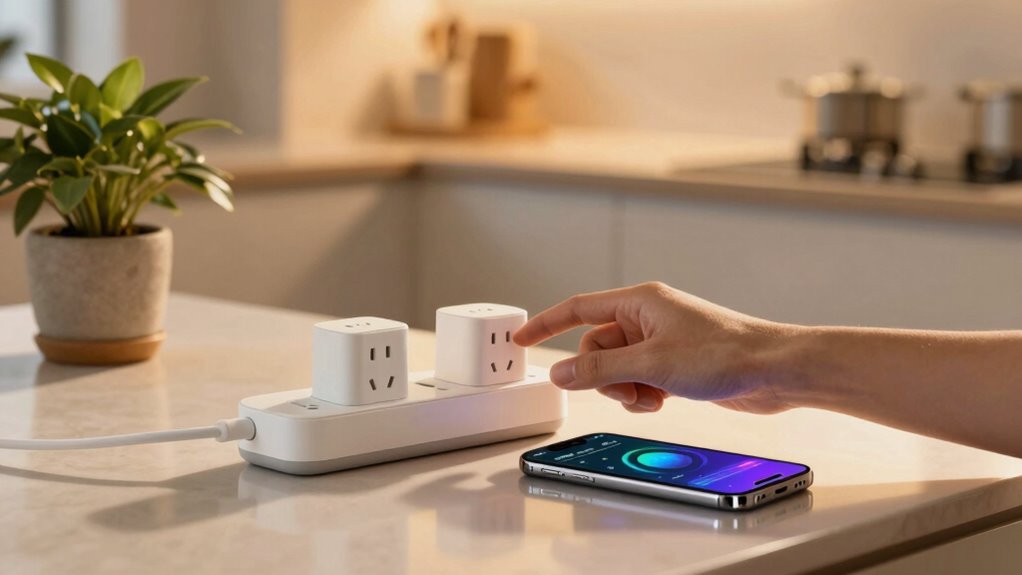
Understanding the limits of your smart plugs not only helps prevent overloads but also opens the door to tracking energy use effectively. By monitoring energy consumption, you can make informed decisions about your devices and save on your utility bills. Here’s how smart device monitoring can benefit you:
- Identify which devices consume the most energy
- Schedule usage to take advantage of off-peak rates
- Set alerts for unusually high energy consumption
- Track trends over time to adjust usage habits
- Gain insights into overall home energy efficiency
With these features, you can optimize your energy use and contribute to a more sustainable lifestyle. Embrace the data your smart plugs provide and take control of your energy consumption today!
Signs Your Smart Plug Might Be Malfunctioning
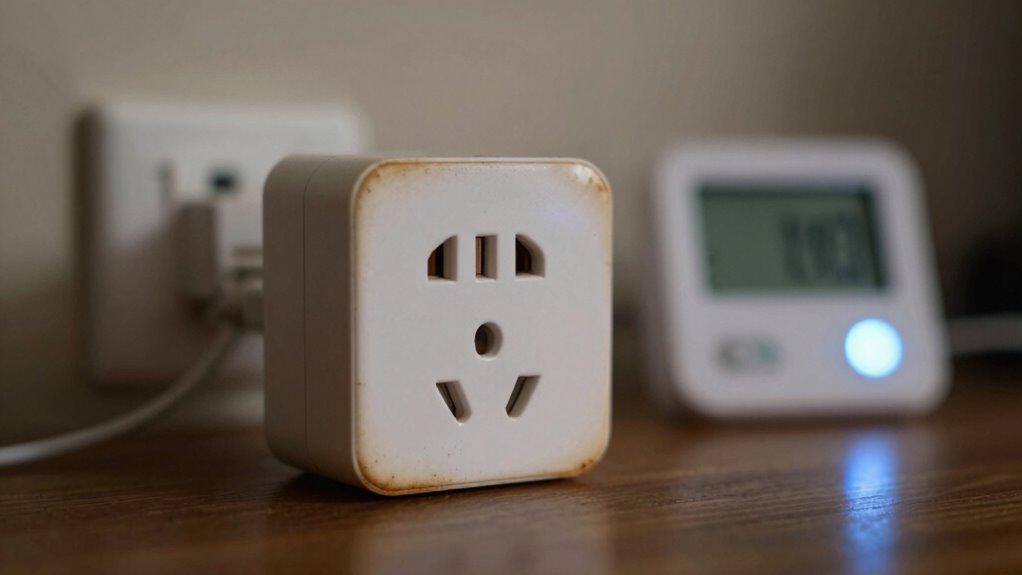
A malfunctioning smart plug can disrupt your daily routine and lead to unexpected power issues. Look out for key malfunction indicators like flickering lights, devices that won’t turn on or off, or a plug that feels unusually warm. These signs suggest that something’s off. If your smart plug disconnects from Wi-Fi frequently or fails to respond to commands, it’s time to investigate further. Try resetting the plug by unplugging it for a minute, then reconnecting. If problems persist, check your app for firmware updates or consult the manufacturer’s troubleshooting tips. Staying vigilant about these indicators can help you maintain a safe and efficient smart home setup. Don’t ignore the signs; they can save you from bigger issues down the line.
What to Do If There’s a Fire or Electrical Issue?
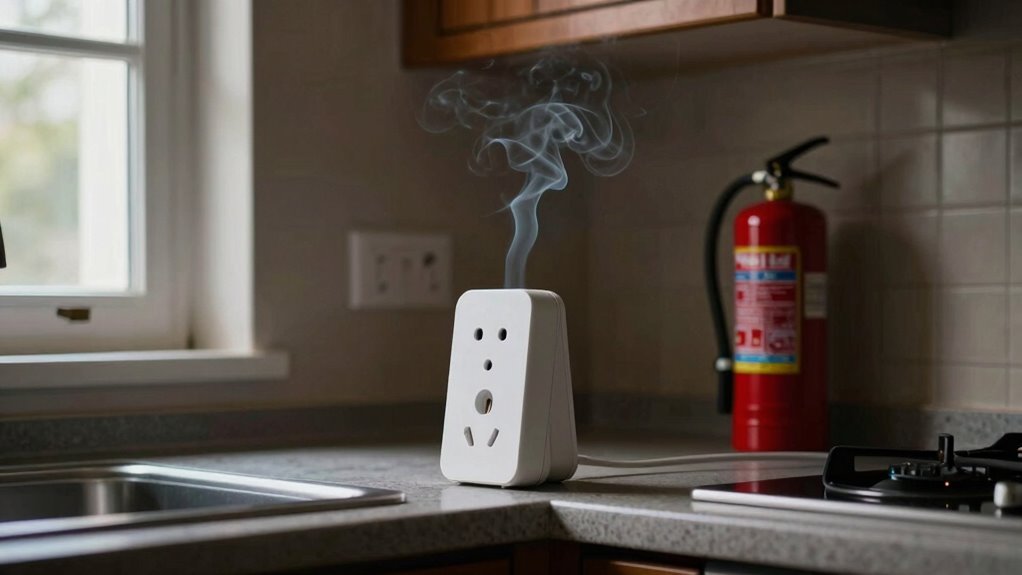
If you notice smoke or hear crackling sounds coming from your smart plug, act quickly to secure your safety. In any fire safety or electrical emergencies, here’s what you should do:
- Unplug the device immediately if it’s safe to do so.
- Evacuate the area and ensure everyone is out of harm’s way.
- Call emergency services to report the situation.
- Use a fire extinguisher only if the fire is small and manageable.
- Don’t use water on electrical fires, as it can worsen the situation.
Stay calm and collected throughout the incident. Your safety and that of others is the top priority. Regularly check your smart plugs to prevent future electrical emergencies.
Frequently Asked Questions
Can Smart Plugs Be Used Outdoors Safely?
Yes, smart plugs can be used outdoors, but you need to guarantee they’re designed for outdoor usage. Look for smart plugs that offer weather resistance to protect against rain, snow, and humidity. These outdoor-rated devices often come with protective casings or seals that keep moisture out. Always check the manufacturer’s specifications before use, and never use indoor plugs outside, as they won’t withstand the elements and could pose safety hazards.
How Do I Reset a Malfunctioning Smart Plug?
If your smart plug’s acting up, don’t worry; resetting it is usually straightforward. Try unplugging it for about 30 seconds, then plug it back in. If that doesn’t work, check the manufacturer’s manual for specific reset methods. Also, consider troubleshooting tips like ensuring your Wi-Fi is stable or updating the app. Sometimes, a simple restart can breathe new life into your device, so don’t hesitate to give it a shot!
Are Smart Plugs Compatible With All Devices?
Not all smart plugs are compatible with every device. You’ll need to check the power ratings of your devices to confirm they align with the smart plug’s specifications. Many smart plugs work well with lamps, chargers, and small appliances, but high-power devices like heaters or large kitchen appliances might exceed their limits. Always verify device compatibility to avoid damage and guarantee safe operation.
Can Smart Plugs Cause Wi-Fi Interference?
Oh sure, let’s just toss a few smart plugs into the mix and watch your Wi-Fi signal strength plummet! While smart plugs can cause a bit of Wi-Fi congestion, it’s usually minimal. If you’re cramming too many devices onto your network, you might notice some interference. Just like a crowded café, sometimes you need to clear a table for better service. So, balance your devices, and your Wi-Fi should be just fine!
What Is the Lifespan of a Smart Plug?
A smart plug typically lasts around 3 to 5 years, depending on its durability and how well you maintain it. To extend its lifespan, keep the plug clean and avoid overloading it with high wattage devices. Regularly check for signs of wear or damage, and follow the manufacturer’s guidelines for use. By staying proactive with maintenance, you’ll guarantee your smart plug continues to function effectively for as long as possible.
Conclusion
In summary, while smart plugs can enhance your home’s convenience, staying aware of their potential risks is essential. For example, imagine a scenario where a malfunctioning smart plug overheats, leading to a small fire in your living room. By choosing high-quality plugs and following safety practices, you can prevent such incidents. Always monitor your devices and maintain a proactive approach to safety—your home and peace of mind depend on it.