
USB-C is revolutionizing how you connect and charge your devices. This versatile connector supports fast data transfer and efficient charging, eliminating cable clutter. Different USB-C cables offer varied performance, from basic data transfer to high-speed options like Thunderbolt 3. It’s crucial to understand power delivery and compatibility for ideal use. With the rapid adoption of USB-C across devices, there’s much more to explore about its potential and advantages for your tech life.
Key Takeaways
- USB-C offers a universal connector for charging and data transfer, reducing cable clutter across devices like smartphones and laptops.
- Different USB-C cable types, such as USB 2.0, USB 3.1, and Thunderbolt 3, provide varying data transfer speeds and capabilities.
- Power Delivery (PD) technology allows devices to negotiate optimal charging power, enhancing speed and reducing overheating risks.
- Verify device compatibility with USB-C accessories by checking specifications and reading user reviews for reliable performance.
- Use certified cables from the USB Implementers Forum to ensure quality, safety, and optimal power delivery ratings.
![Anker Cable [2 Pack 3ft], USB A to USB C Cable for iPhone 17 Series,Samsung Galaxy S10 S10+, LG V30, Beats Fit Pro and More (Black).](https://m.media-amazon.com/images/I/41EtqRdPMHL._SL500_.jpg)
Anker Cable [2 Pack 3ft], USB A to USB C Cable for iPhone 17 Series,Samsung Galaxy S10 S10+, LG V30, Beats Fit Pro and More (Black).
The Anker Advantage: Join the 50 million+ powered by our leading technology.
As an affiliate, we earn on qualifying purchases.
As an affiliate, we earn on qualifying purchases.
What Is USB-C and Why It Matters?
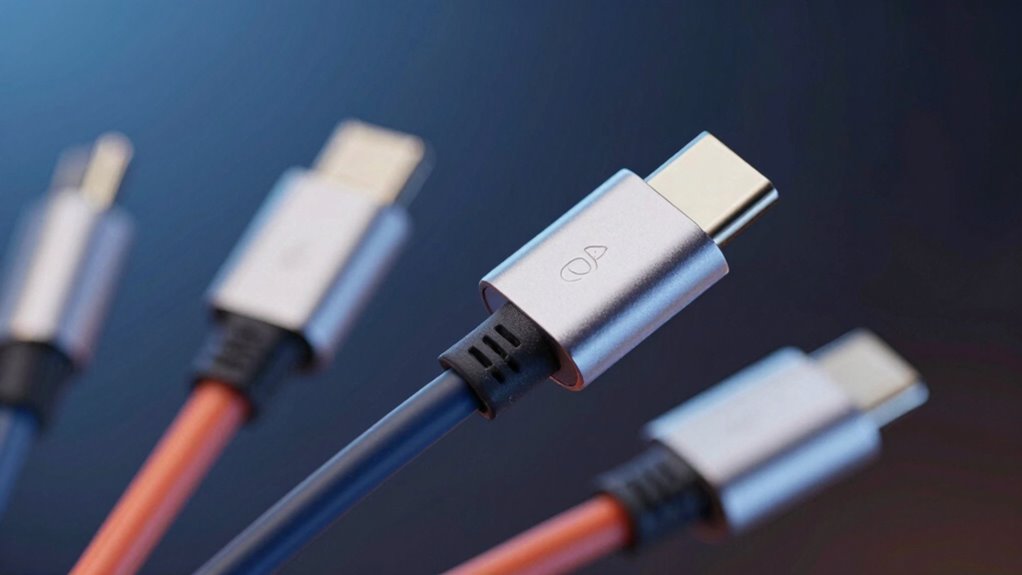
USB-C is a game-changing connector that’s revolutionizing how we charge and connect our devices. With its compact design and universal compatibility, you’ll enjoy numerous USB C advantages. It allows for faster data transfer and quicker charging, making it an essential choice for modern gadgets. You won’t have to worry about which cable to use anymore, as USB-C is becoming the standard across various devices, from smartphones to laptops.
Looking ahead, the USB C future appears bright. As more manufacturers adopt this technology, you can expect a seamless experience across your devices. Embracing USB-C means you’re not just keeping up with trends; you’re investing in a versatile solution that’ll simplify your tech life considerably. Say goodbye to clutter and hello to convenience!

Anker USB C Cable(3.3FT, 240W), USB 4 Data Cable, 40Gbps, 8K HD Display, Thunderbolt 4/3 Compatible, for iPhone 17, MacBook, Hub, Docking and More
Move Files Fast: Transfer music, movies, or entire seasons of TV shows in seconds at 40 Gbps.
As an affiliate, we earn on qualifying purchases.
As an affiliate, we earn on qualifying purchases.
Understanding Different USB-C Cable Types
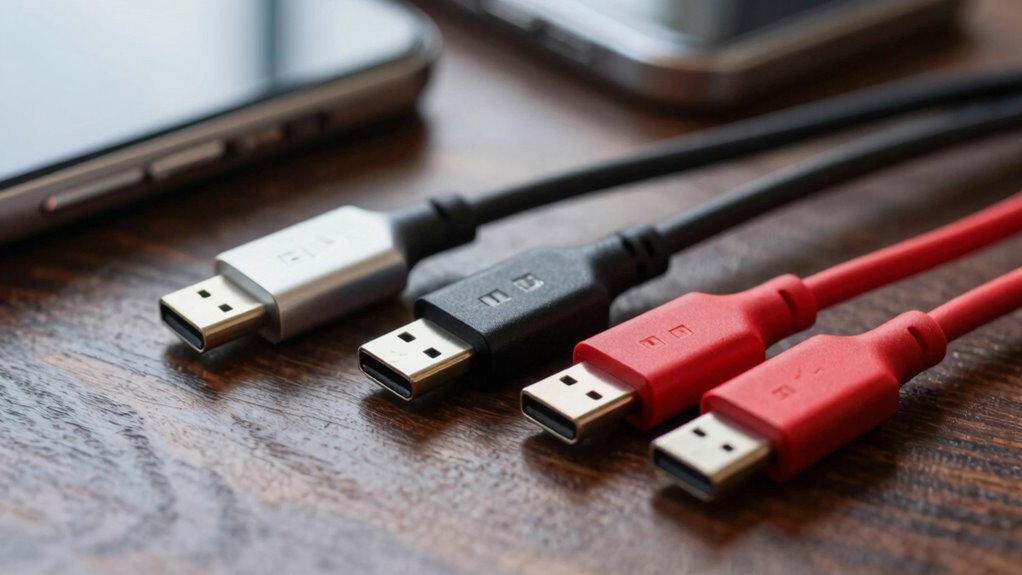
When maneuvering the world of USB-C cables, it’s essential to understand the different types available to guarantee you get the right one for your needs. The cable types can vary considerably, and knowing the connector variations is vital for compatibility with your devices.
| Cable Type | Key Feature |
|---|---|
| USB 2.0 | Basic data transfer (up to 480 Mbps) |
| USB 3.1 Gen 1 | Faster data transfer (up to 5 Gbps) |
| USB 3.1 Gen 2 | Even faster (up to 10 Gbps) |
| USB4 | Supports data, video, and power (up to 40 Gbps) |
| Thunderbolt 3 | Highest performance (up to 40 Gbps) |
Understanding these cable types guarantees that you’ll avoid frustration and maximize your device’s functionality.

Anker iPhone 17/16 Charger, 2-Pack 20W Fast USB C Charger Block, for iPhone 16/16 Pro Max/15 Series/iPad Pro and More (Black, 2 Pack & 2 Cable)
20W High-Speed Charging: Enjoy fast charging with 20W max output for your iPhone, Samsung phones, and other devices.
As an affiliate, we earn on qualifying purchases.
As an affiliate, we earn on qualifying purchases.
Common Devices That Use USB-C Connections
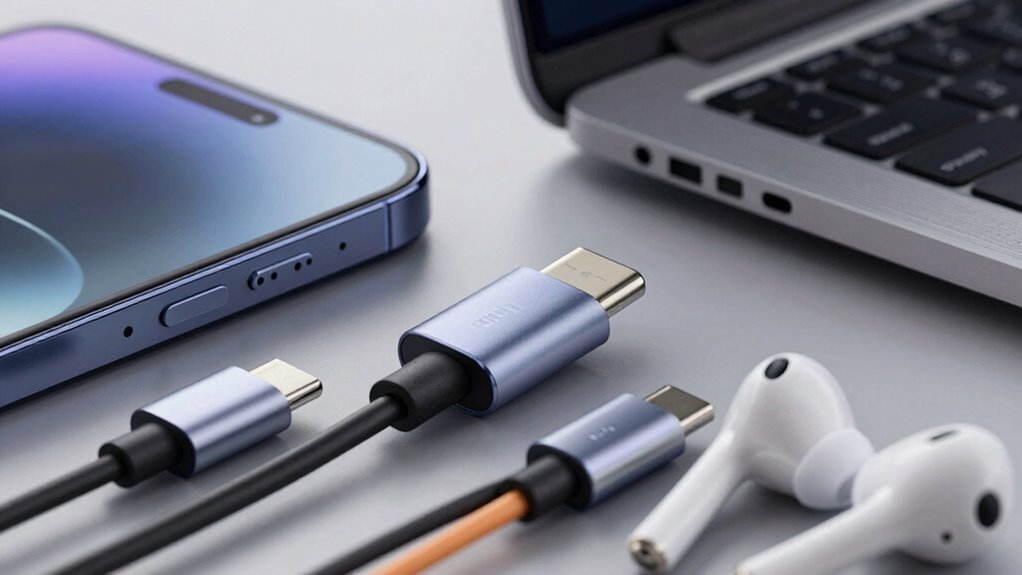
As technology evolves, more devices are adopting the USB-C connection, making it increasingly essential in our daily lives. You’ll find USB-C ports on a wide range of smartphones and laptops, allowing for faster charging and data transfer. Tablets are also joining the trend, giving you versatility on the go. Gaming consoles now often feature USB-C for improved connectivity with peripherals like controllers and headsets. Plus, docks and monitors utilize USB-C to streamline your workspace setup. Don’t forget about cameras—many modern models use USB-C for quick file transfers. Even headphones are making the switch, offering better audio quality with this connection. Embracing USB-C means you can simplify your tech experience across various devices.

Anker USB C Hub, 5-in-1 USBC to HDMI Splitter with 4K Display, 1 x Powered USB-C 5Gbps & 2×Powered USB-A 3.0 5Gbps Data Ports for MacBook Pro, MacBook Air, Dell and More
5-in-1 Connectivity: Equipped with a 4K HDMI port, a 5 Gbps USB-C data port, two 5 Gbps USB-A…
As an affiliate, we earn on qualifying purchases.
As an affiliate, we earn on qualifying purchases.
Identifying USB-C Power Delivery
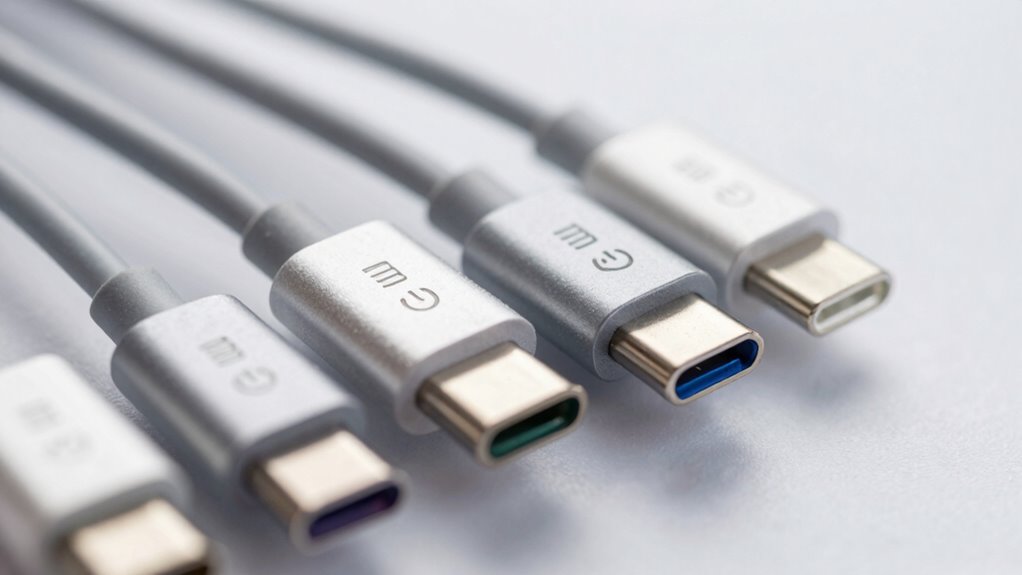
Understanding USB-C Power Delivery (PD) is essential for maximizing your device’s charging capabilities. PD allows devices to communicate their power needs through power negotiation, guaranteeing that you receive the best amount of power for efficient charging. When you connect a USB-C cable, the devices exchange information about their capabilities. This negotiation helps determine the ideal voltage and current levels, enhancing charging efficiency and reducing the risk of overheating.
To identify if your cable supports PD, look for a logo or check the specifications—especially for higher wattages. Using the right cable and charger can greatly speed up charging times and guarantee your devices stay powered when you need them most. Don’t settle for less; leverage USB-C PD for a better charging experience.
Why Data Transfer Rates Matter for USB-C
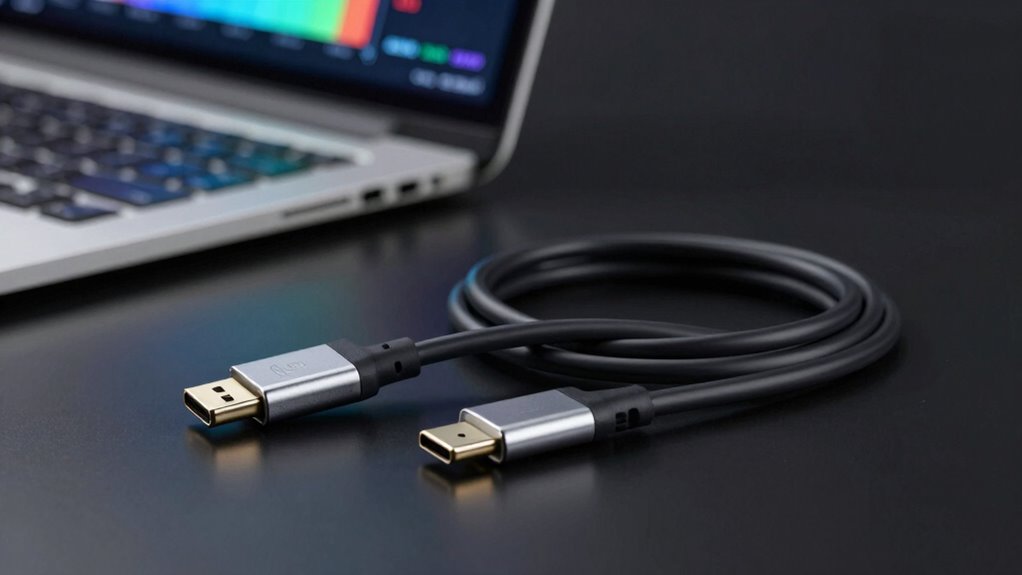
When you choose a USB-C cable, the data transfer rate can greatly impact your device’s performance. Comparing speeds between different standards helps you understand what your devices can handle. Faster transfer rates mean quicker file transfers and improved overall efficiency.
Speed Comparison Between Standards
While many people appreciate the convenience of USB-C, the varying data transfer rates between its different standards can greatly impact your experience. USB-C supports multiple protocols, including USB 2.0, USB 3.0, and USB 3.2. Each standard offers distinct data transfer speeds, ranging from 480 Mbps to a staggering 20 Gbps. If you want fast data transfer, make sure you’re using the right cable compatible with the desired standard. For instance, a USB 3.2 cable won’t deliver its full potential if paired with an older USB 2.0 device. Knowing the differences in speed can help you select the right accessories, so you won’t waste time with slow transfers or compatibility issues, ultimately enhancing your overall efficiency.
Impact On Device Performance
Data transfer rates play a crucial role in determining how efficiently your devices perform, especially with USB-C. Higher data transfer rates can markedly enhance the performance benchmarks of your gadgets, allowing for quicker file transfers, smoother video streaming, and improved gaming experiences. When you use USB-C, you’re not just getting a single standard; you’re benefiting from a range of speeds depending on the cable and device compatibility. This versatility means that whether you’re connecting a smartphone, laptop, or external drive, you can expect optimized performance tailored to your device’s capabilities. However, to truly harness the potential of USB-C, verify that both your cables and devices support the highest standards available, so you’re not left behind in the speed race.
How to Fix Common USB-C Connection Problems
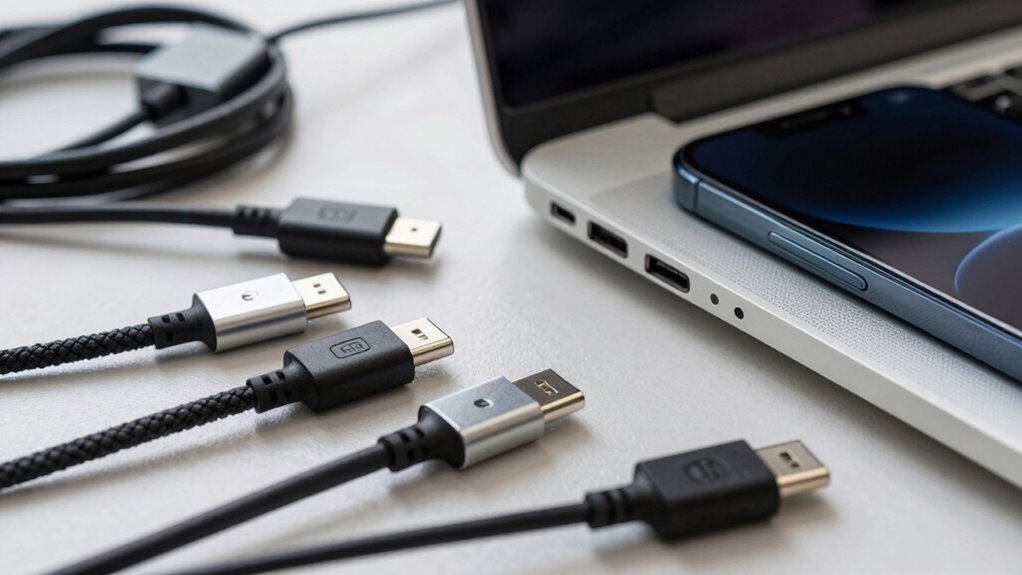
If you’re experiencing issues with your USB-C connections, you’re not alone—many users encounter similar problems. Start by checking for connector issues; verify your cable is securely plugged in and not damaged. Use troubleshooting techniques like testing different cables and adapters for compatibility. Cable quality matters, so opt for certified options to avoid device recognition failures. If you’re facing port damage, inspect the port for debris or wear. Additionally, power fluctuations can disrupt connections, so confirm your power source is stable. Keep your device’s firmware updated, as updates may resolve connectivity issues. Finally, consider heat management; excessive heat can affect performance in various usage scenarios. Understanding USB-C standards can also help troubleshoot compatibility and performance problems more effectively.
Emerging Trends in USB-C Technology
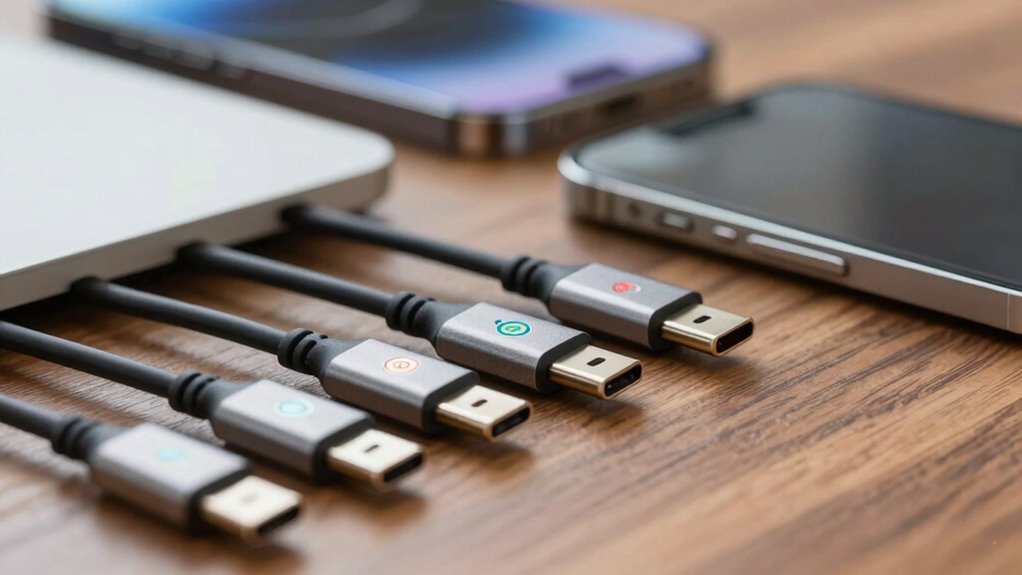
As technology evolves, you’ll see USB-C becoming more integral in various devices, driven by its versatility and efficiency. Here are some emerging trends you should watch for:
- Increased Market Adoption: More manufacturers are embracing USB-C for smartphones, laptops, and accessories, making it the universal standard.
- Future Innovations: Expect advancements in data transfer speeds and power delivery capabilities, enhancing user experience.
- Enhanced Compatibility: As USB-C becomes widespread, you’ll find better interoperability among devices, reducing the hassle of carrying multiple chargers and cables.
- Versatile Connectivity: The ongoing development of the connection standards ensures USB-C can support a wide range of peripherals and multimedia setups, making it even more adaptable for different needs.
These trends suggest a promising future for USB-C. As it continues to evolve, you’ll benefit from a more streamlined and efficient tech ecosystem, making your life easier and more connected.
Tips for Choosing the Right USB-C Accessories
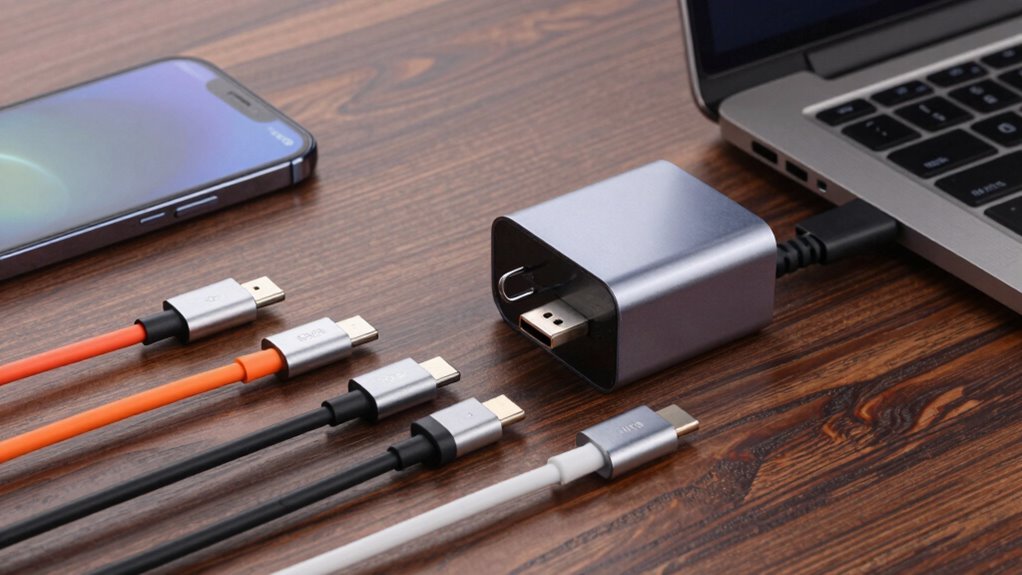
When you’re picking USB-C accessories, it’s essential to take into account compatibility with your devices to avoid any frustrating mismatches. Don’t forget about cable length; shorter cables can be convenient, but longer ones offer flexibility. Finally, check the power delivery ratings to guarantee your accessories meet your charging needs effectively.
Compatibility With Devices
Choosing the right USB-C accessories can be tricky, especially since compatibility varies widely among devices. To guarantee you’re making the right choice, consider these tips for ideal USB C compatibility and device interoperability:
- Check Device Specifications: Always verify your device’s USB-C capabilities before purchasing accessories. Look for power delivery, data transfer rates, and video output support.
- Read Reviews: Look for user feedback on compatibility with your specific devices. This can save you time and money.
- Opt for Certified Products: Choose products that have been certified by the USB Implementers Forum to guarantee they meet quality standards and work seamlessly with your devices.
- Understand Compatibility Standards: Being aware of industry standards can help you select accessories that will work reliably across different devices and brands.
Cable Length Considerations
While you might think all USB-C cables are created equal, cable length can greatly impact your experience with charging and data transfer. Shorter cables often offer better performance, especially for high-speed data transfers, while longer cables can lead to slower speeds and reduced charging efficiency. When choosing a cable, consider how far your device will be from the power source. You’ll want a cable that balances cable durability with flexibility; a too-stiff cable may not bend easily in tight spaces, while a flimsy one might not withstand daily wear. Aim for a length that suits your setup without compromising on quality. Additionally, cable length considerations can influence your device’s overall safety and longevity. In the end, the right cable length can enhance both convenience and performance in your USB-C accessories.
Power Delivery Ratings
Understanding power delivery ratings is essential for selecting the right USB-C accessories, as these ratings determine how much power a device can receive. To make informed choices, you should consider these key points:
- Power Output: Check the wattage rating of the accessory. Higher wattage means faster charging, but ascertain your device supports it.
- Rating Standards: Familiarize yourself with the USB Power Delivery (PD) standards. Accessories that comply with these standards guarantee compatibility and safety.
- Cable Quality: Not all cables are created equal. Look for cables specifically rated for the power delivery you need, as using a low-quality cable can hinder performance.
Frequently Asked Questions
Can USB-C Cables Be Used Interchangeably With Other USB Types?
USB-C cables can’t always be used interchangeably with other USB types due to cable compatibility and device limitations. While USB-C connectors can fit into various ports, the functionality may differ. For instance, older USB types may not support the same data transfer speeds or power delivery. Always check your device’s specifications to verify compatibility before using a USB-C cable with other USB types to avoid issues with performance or charging.
Is USB-C Backwards Compatible With Older USB Standards?
Yes, USB-C is backwards compatible with older USB standards, but you’ll need USB-C adapters or hubs to connect them. When you use an adapter, it allows your newer USB-C device to interface with older USB types, like USB-A or USB-B. However, keep in mind that the data transfer speeds and power delivery might vary depending on the older standard. So, always check compatibility to guarantee peak performance!
How Do I Tell if My Device Supports USB-C PD?
To tell if your device supports USB-C PD, check the specifications or user manual for mentions of USB-C features and PD specifications. Devices that support Power Delivery often have a lightning bolt symbol next to the USB-C port. If you’re unsure, visit the manufacturer’s website or consult customer support for confirmation. Ensuring your device supports PD allows for faster charging and better power management, enhancing your overall experience with USB-C technology.
Are All USB-C Chargers Compatible With Every USB-C Device?
Not all USB-C chargers are compatible with every USB-C device. While the connector is universal, charger wattage and device requirements play an essential role. If your device needs a higher wattage than the charger provides, it might not charge efficiently or at all. Always check the power requirements of your device to guarantee you’re using a compatible charger that meets those needs for peak performance.
Can I Use USB-C for Video Output?
Absolutely, you can use USB-C for video output! It’s like having a magic portal for your devices. Just make certain your USB-C port supports video output, as not all do. Check for features like DisplayPort or HDMI Alt Mode to guarantee display compatibility. By connecting your device to a monitor or TV, you can stream your favorite shows or presentations with stunning clarity. So, get ready to elevate your viewing experience!
Conclusion
In a world where USB-C reigns supreme, you can’t afford to ignore its magic! With its lightning-fast data transfer and impressive power delivery, you’re not just connecting devices; you’re releasing a tech revolution in your hands! Embrace the chaos of cables and accessories, and you’ll transform your digital life into a seamless symphony of connectivity. So, plunge into the USB-C universe, and watch your tech experience soar to dizzying heights—it’s nothing short of electrifying!