
TL;DR
Open a free Amazon Business account
Business pricing, bulk buying and tax-exempt orders.
Create a free accountAs an affiliate, we earn on qualifying purchases.
The best 65-inch OLED TVs for gaming combine ultra-fast response times, HDMI 2.1 support, low input lag, and excellent HDR. Models like LG C4 and Samsung S90D lead the pack, but your ideal choice depends on your setup and room lighting.
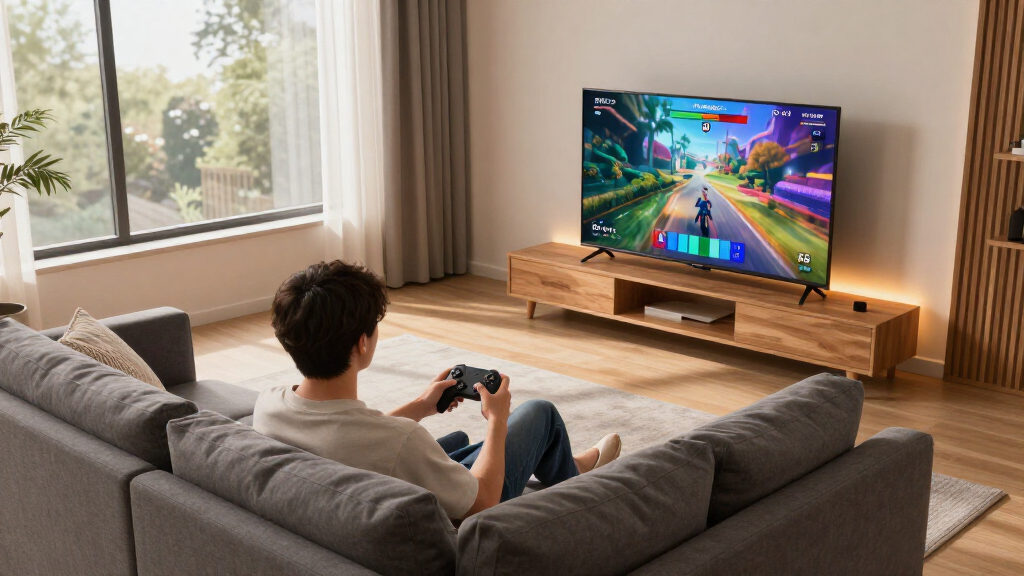
Imagine sitting 2 meters from a 65-inch screen, your hands poised. The game’s action blurs beautifully, colors pop with vivid intensity, and response feels instant. That’s what a great OLED TV can do for gaming—bring a cinematic, immersive experience into your living room. But not all OLEDs are built for gaming. Some excel in response time, others in HDR brightness, and a few balance both seamlessly.
This guide cuts through the noise. You’ll learn what features truly matter—like HDMI 2.1 ports, VRR, response times, and HDR support—and how to pick the best model for your gaming setup. Whether you’re chasing competitive edge or cinematic immersion, understanding these specs helps you make a smarter choice.
A 65-inch OLED offers a perfect balance of size and immersion for most living rooms.
Prioritize HDMI 2.1 ports, 120Hz+ refresh rate, low response time, and VRR support for smooth gaming.
Models like LG C4 and Samsung S90D lead in combining responsiveness, brightness, and gaming features.
Adjust your settings—enable game mode, VRR, and calibrate HDR—to unlock the full gaming potential.
Stay updated on new panel tech and firmware updates, as OLED gaming performance continues to improve.
Why a 65-inch OLED is the perfect size for gaming rooms
A 65-inch OLED strikes a sweet spot. It’s big enough to wrap you in the action, yet compact enough to fit comfortably in most living rooms or dedicated gaming spaces. Sit about 2 to 2.5 meters away, and the image becomes immersive without overwhelming your field of view.
Picture yourself in a cozy game night. The size makes every explosion, character detail, and vibrant color pulse with life. Unlike smaller screens, this size creates a theater-like experience—perfect for both fast-paced shooters and cinematic adventures. Plus, it’s easier to find a model with all the gaming features you need at this size.
As an affiliate, we earn on qualifying purchases.
What makes a 65-inch OLED the best for gaming? Key features to look for
When hunting for the best OLED for gaming, focus on a handful of key features. Response time, input lag, HDMI 2.1 ports, VRR support, HDR brightness, and refresh rate top the list. These specs determine how smooth, responsive, and immersive your gameplay feels.
For example, a TV with 0.1ms response time and 120Hz or higher refresh rate ensures fast-moving scenes stay crisp and clear. Multiple HDMI 2.1 ports mean you can connect your PS5, Xbox Series X, and gaming PC simultaneously without swapping cables. HDR performance, especially brightness and tone mapping, makes your games look stunning, with bright explosions and deep shadows.
Understanding why these features matter helps you weigh their tradeoffs. For instance, achieving extremely low response times often requires a dedicated game mode that might disable some picture processing, which can lead to a less vivid image or reduced color accuracy. High brightness levels can sometimes cause uneven black levels or halo effects around bright objects. Knowing what compromises are acceptable based on your priorities ensures you pick a TV that aligns with your gaming style and room conditions, whether you prioritize fast response for competitive gaming or richer HDR visuals for cinematic experiences.
As an affiliate, we earn on qualifying purchases.
How to pick the right OLED TV: The essential specs you need
- HDMI 2.1 ports: Aim for at least 2-4. Having multiple HDMI 2.1 ports is crucial if you plan to connect several devices, such as a next-gen console and a gaming PC. This flexibility ensures you can enjoy 4K at 120Hz, VRR, and eARC without constantly swapping cables. However, more HDMI 2.1 ports can increase the cost and complexity of the TV’s internal circuitry, which might marginally impact overall reliability or introduce slight latency if not implemented well. Investing in a model with sufficient ports ensures future-proofing and convenience, especially as your setup expands.
- Refresh rate: 120Hz is the current standard for most consoles and provides smooth gameplay, but a 144Hz refresh rate can offer a slight edge in competitive gaming by reducing motion blur and making fast action feel more fluid. Higher refresh rates require compatible hardware and more robust processing, which may introduce latency if not optimized. The choice depends on your gaming habits—if you’re into competitive PC gaming, higher refresh rates can make a noticeable difference, but for casual gaming, 120Hz often suffices.
- Response time & input lag: Under 1ms response time and under 15ms input lag are ideal for gaming. Faster response times minimize motion blur, which is critical in fast-paced titles, while low input lag ensures your commands are reflected instantly. However, achieving these low times often involves enabling a dedicated game mode that disables some picture processing features, which might reduce image quality or color accuracy. The tradeoff is balancing responsiveness with visual fidelity—if competitive gaming is your priority, prioritize low latency; for cinematic experiences, you might accept slightly higher response times.
- VRR support: Variable Refresh Rate (VRR) prevents tearing and stuttering during gameplay, especially when frame rates fluctuate. This creates a smoother experience but may require firmware updates or specific HDMI ports. Some TVs support AMD FreeSync or NVIDIA G-SYNC, offering compatibility with different gaming ecosystems. While VRR improves visual stability, it can sometimes add input latency if not implemented properly, so choosing a well-reviewed model is important for optimal performance.
- HDR brightness & tone mapping: Brightness peaks above 700 nits are beneficial for daylight rooms, but the real key is how well the TV handles tone mapping—preserving details in both bright and dark areas. A high peak brightness alone doesn’t guarantee great HDR; it must be paired with effective tone mapping to prevent blown-out highlights or crushed blacks. This balance affects how realistic and immersive your game visuals feel. Without proper tone mapping, HDR can look artificial or washed out, so look for reviews that assess HDR handling in real-world scenarios.
Connecting your gaming devices and calibrating these settings appropriately can dramatically elevate your experience. Think of it as tuning your car before a race—optimized settings ensure you get peak performance every time you play.
As an affiliate, we earn on qualifying purchases.
Top models to consider for gaming in 2024
| Model | Key Features | Why It’s Great for Gaming |
|---|---|---|
| LG C4 OLED | 4x HDMI 2.1, 144Hz VRR, low response, Dolby Vision | Excellent all-rounder, balanced features for competitive and cinematic gaming |
| Samsung S90D OLED | Quantum Dot OLED, 144Hz, high brightness, low latency | Vivid colors, bright HDR, perfect for daylight rooms |
| Sony A95L OLED | Strong image processing, 2 HDMI 2.1 ports, excellent motion handling | Best cinematic quality, great for PS5 owners |
| LG G4 OLED | Brighter HDR, 144Hz, premium build | Ideal if you want the brightest HDR highlights |
As an affiliate, we earn on qualifying purchases.
Best OLED models for different types of gamers
If you’re a competitive gamer, the LG C4 offers ultra-low latency, fast response, and multiple HDMI 2.1 ports. For cinematic gamers, Sony’s A95L provides stunning color accuracy and motion handling. Bright room players benefit from Samsung’s S95D’s high brightness and anti-glare coating. Budget-conscious gamers can look at last year’s models like LG B4, which still packs many essential features.
Matching a TV to your gaming style isn’t just about specs—it’s about understanding how those specs influence your experience. A low response time and high refresh rate are critical for fast-paced, competitive games where every millisecond counts, giving you a competitive edge. Conversely, if cinematic quality and color accuracy are your priorities, features like advanced image processing and high-fidelity tone mapping take precedence, making your gaming sessions more visually stunning. Bright room gamers should consider high brightness and anti-glare coatings, which help combat ambient light and maintain clarity. Budget options often involve tradeoffs, such as slightly higher response times or lower peak brightness, but they can still deliver excellent gaming performance if chosen wisely.
How to optimize your OLED for gaming — simple tips
- Enable Game Mode or Game Optimizer to reduce latency. This setting prioritizes input responsiveness over picture processing, which can slightly reduce image quality but drastically improves responsiveness.
- Set HDMI to 2.1 for full 4K/120Hz support. Ensuring your HDMI input is configured correctly prevents lag and ensures you’re taking full advantage of your console or PC hardware.
- Turn on VRR and ALLM for tear-free, responsive gameplay. These features dynamically adjust refresh rates and automatically switch to gaming mode, reducing latency and preventing visual artifacts.
- Calibrate HDR settings for peak brightness and tone mapping. Proper calibration ensures bright scenes are vibrant without losing detail in highlights, and dark scenes retain depth without crushing blacks.
- Use a comfortable viewing distance—about 2 meters for 65 inches—to avoid eye strain and maximize immersion. Proper distance allows you to perceive the full detail and avoid fatigue, which is especially important during long gaming sessions.
Imagine firing up your favorite FPS with the perfect response and vivid HDR, feeling like you’re right inside the game world. Fine-tuning these settings makes that experience seamless and more immersive, giving you an edge in competitive play or cinematic enjoyment.
The future of OLED gaming TVs: what’s coming next?
Expect even faster response times, brighter HDR performance, and more versatile gaming features. Manufacturers are pushing 144Hz support as standard, with some models already hitting 165Hz. New panel tech, like micro-lens arrays, boosts brightness while maintaining deep blacks, addressing one of OLED’s traditional limitations in daylight environments. Anti-glare coatings are improving, making OLEDs more viable in bright rooms without sacrificing contrast.
Integration with gaming consoles will become more seamless, with dedicated dashboards showing frame rate, VRR status, and latency info at a glance. Firmware updates will further enhance responsiveness and picture quality over time. The gap between gaming monitors and large OLED TVs is narrowing, meaning you’ll soon be able to enjoy the benefits of both—large size, stunning visuals, and ultra-responsive gameplay—without compromise.
Frequently Asked Questions
Is OLED the best TV tech for gaming?
Yes, because OLEDs combine perfect blacks, rapid response times, and excellent HDR, making gameplay look smooth and vibrant. However, in very bright rooms, Mini-LED LCDs may still have an edge.Can I use a 65-inch OLED as a PC monitor?
Absolutely, but ensure your graphics card supports HDMI 2.1 for full 4K/144Hz, and sit about 2 meters away for comfortable viewing and minimal eye strain. Beware static desktop elements to avoid burn-in over time.Is burn-in still a concern on OLED TVs?
Burn-in risk exists but is much lower with modern protections. Rotating content, avoiding static HUDs, and using pixel-shifting features help keep your OLED in top shape over years of gaming.What’s the biggest advantage of a 144Hz OLED for gaming?
It offers ultra-smooth motion, especially beneficial for fast-paced PC games. Current consoles max out at 120Hz, so 144Hz primarily benefits high-end gaming PCs with compatible hardware, reducing motion blur and enhancing responsiveness, which can be a significant advantage in competitive scenarios.How many HDMI 2.1 ports do I need?
Ideally, four ports allow you to connect multiple consoles, a gaming PC, and an audio system simultaneously. If you only use one or two devices, two HDMI 2.1 ports may suffice, but having more provides future-proofing and flexibility as your gaming setup expands.Conclusion
Choosing the best 65-inch OLED for gaming isn’t just about brand names; it’s about understanding which features support your style—fast response, vivid HDR, or bright daylight performance. Focus on the specs that matter: HDMI 2.1, low input lag, VRR, and high brightness.
In the end, a well-chosen OLED transforms gaming from a passive activity into an immersive adventure. Your perfect gaming TV is out there—just waiting for you to find it and set it up for victory.
NFL season / tailgating Picks
team gear
As an affiliate, we earn on qualifying purchases.