TL;DR

Get the little things that make your day delivered free with Prime
- Fast, free delivery on millions of items
- Prime Video, Amazon Music and more included
- Member-only deals all year
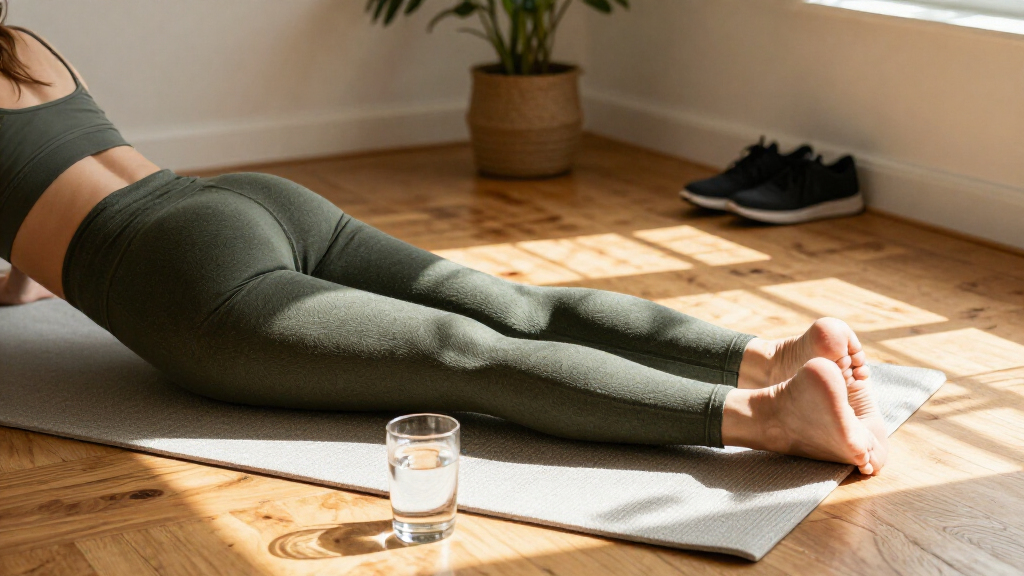
The Good Trade published a reviewed guide to 11 organic cotton leggings for women, assessing comfort, fabric, opacity, movement and brand sustainability information. Its report says the cotton-heavy options are better suited to everyday wear and gentle exercise than high-intensity workouts, where moisture-wicking performance can matter.
The Good Trade has published a guide reviewing 11 organic cotton leggings for women, comparing comfort, fabric feel, opacity, stretch and brand sustainability information. The report says the cotton-heavy styles are generally better suited to daily wear and lower-intensity exercise than workouts that require strong moisture-wicking performance.
The publication says its editor personally tested the listed leggings, evaluating comfort, quality, texture, thickness and movement, as well as opacity through a squat test and moisture handling. It reports that each selected pair scored at least 8 out of 10 for comfort. These are editorial assessments, not results from a standardized laboratory test, and the source material does not provide a full comparison table for all 11 products.
The guide’s first-listed option is MATE the Label, described as its overall favorite. The listed leggings use GOTS-certified organic cotton and spandex, come in sizes XS to 3X, and have a stated price range of $88 to $108. The Good Trade describes the fabric as medium-weight and opaque, and says the product is intended for low- to mid-impact exercise. It also identifies the brand as a certified B Corporation and lists sustainability-related attributes, including GOTS certification and plastic- and PFAS-free claims.
The publication says it may earn a commission when readers buy through some links and directs readers to its methodology and business-model information. That commercial disclosure is relevant when weighing the recommendations: the guide offers editorial product assessments, while purchases through its links may generate revenue for the publisher.
Choosing Leggings for Your Workout
The guide addresses a practical distinction for shoppers: fiber content affects workout performance. Cotton absorbs moisture rather than moving it away from the skin, according to the report, so cotton-rich leggings may feel comfortable for everyday use, gentle movement or cooler conditions but can be less suitable for strenuous, sweaty sessions. The publication says blends with more spandex or elastane provide stretch and help garments retain their shape, while higher cotton content may limit flexibility.
That distinction can help buyers match a garment to how they plan to use it instead of treating “activewear” as one category. Shoppers prioritizing natural fibers and comfort may favor cotton-rich options; those seeking intensive training performance may want to compare technical fabrics and sweat-wicking properties. The guide’s sustainability and chemical-safety language should be read as the publication’s claims about the products and brands, not as independent proof of health outcomes.
Products Worth Considering

LG C2 Series 65-Inch OLED evo 4K Smart TV (OLED65C2PUA, 2022)

Levoit Eleva 300X HEPA Air Purifier

Levoit Vital 100S-P Air Purifier with Washable Pre-Filter
As an affiliate, we earn on qualifying purchases.
How the Guide Evaluates Cotton Blends
The Good Trade frames organic cotton leggings as clothing for both lounging and light exercise, and argues that a small amount of elastane or spandex can help preserve stretch and durability. Its stated selection criteria include organic and non-toxic materials, comfort and ethical production. The publication also points readers toward product certifications, including GOTS, as a way to check whether textiles meet specified environmental and social criteria.
The report links organic agriculture with practices such as crop rotation and water conservation, and says organic cotton is biodegradable. Those are broad claims made in the source guide; the supplied material does not include a product-by-product assessment of farming practices, factory conditions or lifecycle impacts for all 11 pairs. For the MATE listing, the guide specifically identifies GOTS-certified cotton and says the brand’s factories hold GOTS or OEKO-TEX certifications, but the excerpt ends before providing further factory details.
The source also discloses that the editor has years of experience wearing non-toxic workout clothing and says the selections were personally tested. The report presents the testing as editorial review rather than a clinical assessment or a controlled performance study. Its descriptions of products, scores and brand policies should be understood within that scope.
““Each pair of leggings has been editor-tested and approved with at least an 8 out of 10 on the comfort scale.””
— The Good Trade
What the Product Guide Does Not Establish
The supplied source material does not identify the guide’s publication or update date, nor does it include details for 10 of the 11 products. Beyond the MATE the Label entry, prices, sizes, materials and test findings cannot be confirmed from the excerpt. It also does not provide comparative laboratory results, such as standardized moisture-management or durability measurements.
The guide makes claims about products being PFAS-free and about organic cotton’s environmental and health-related advantages. The supplied material does not include independent verification or product-specific testing documents for those claims. Organic certification can indicate compliance with a standard, but readers would need to check the relevant product and certification records to confirm the precise scope. The source does not establish that wearing these leggings prevents irritation or any medical condition.
It is also unclear from the excerpt how the other brands’ labor and sustainability practices were evaluated, how often the list is updated, or whether every listed product remains available at the quoted price. The guide discloses possible affiliate commissions, but the source provided here does not specify which links generate commissions or the amount paid.
Check Product Details Before Buying
Readers considering a pair can consult the full Good Trade guide for all 11 entries, then check each brand’s current materials, size range, price and certification information. Availability and product specifications can change, and the excerpt does not confirm whether the listed prices remain current.
For exercise, buyers can compare the garment’s intended activity level and fabric blend with their needs. The report recommends cotton-rich styles for lower-sweat movement and points readers toward technical activewear for more demanding training. No new testing, update schedule or follow-up publication is specified in the source material, so it is not clear when the recommendations will next be reviewed.
Key Questions
What did The Good Trade review?
The publication reviewed 11 women’s organic cotton leggings, assessing comfort, fabric quality and feel, opacity, stretch, movement and moisture handling. Its full product-by-product findings are not included in the supplied excerpt.
Which pair is listed as the overall favorite?
The excerpt names MATE the Label as the overall favorite. It lists GOTS-certified organic cotton and spandex, sizes XS to 3X, and a price range of $88 to $108; current availability and pricing are not confirmed.
Are organic cotton leggings suitable for intense workouts?
The Good Trade says cotton absorbs moisture rather than wicking it away, so its recommended cotton-heavy pairs are better suited to gentle or lower-sweat activity. It suggests technical activewear may be more appropriate for intense training.
Does the guide prove the products are PFAS-free?
No independent test results are provided in the supplied material. The guide describes its selections as PFAS-free, but readers seeking verification would need to review the specific product documentation and certification details.
Does The Good Trade earn money from purchases?
Yes. The publication says it may earn a commission on purchases through some links and refers readers to its methodology and business-model information. The excerpt does not say which specific links are commissionable.
Source: thegoodtrade.com