
Headlight yellowing happens mainly due to UV exposure and harsh environmental factors like road debris, rain, and snow. These elements break down protective coatings, leading to decreased visibility and safety when driving. As oxidation sets in, headlights become cloudy and less effective. Regular maintenance, including cleaning and applying protective coatings, can help prevent this issue. If you’re curious about signs that indicate your headlights need restoration, there’s more to explore on this topic!

Get the little things that make your day delivered free with Prime
- Fast, free delivery on millions of items
- Prime Video, Amazon Music and more included
- Member-only deals all year
Key Takeaways
- UV exposure degrades protective coatings on headlights, leading to yellowing and cloudiness over time.
- Harsh weather conditions, including intense sun and rain, accelerate headlight deterioration.
- Road debris, such as sand and gravel, can scratch and damage headlight surfaces.
- Oxidation from environmental factors contributes to the dull, yellowish film on lenses.
- Regular maintenance and cleaning can prevent yellowing and prolong headlight clarity.
As an affiliate, we earn on qualifying purchases.
What Causes Headlight Yellowing?
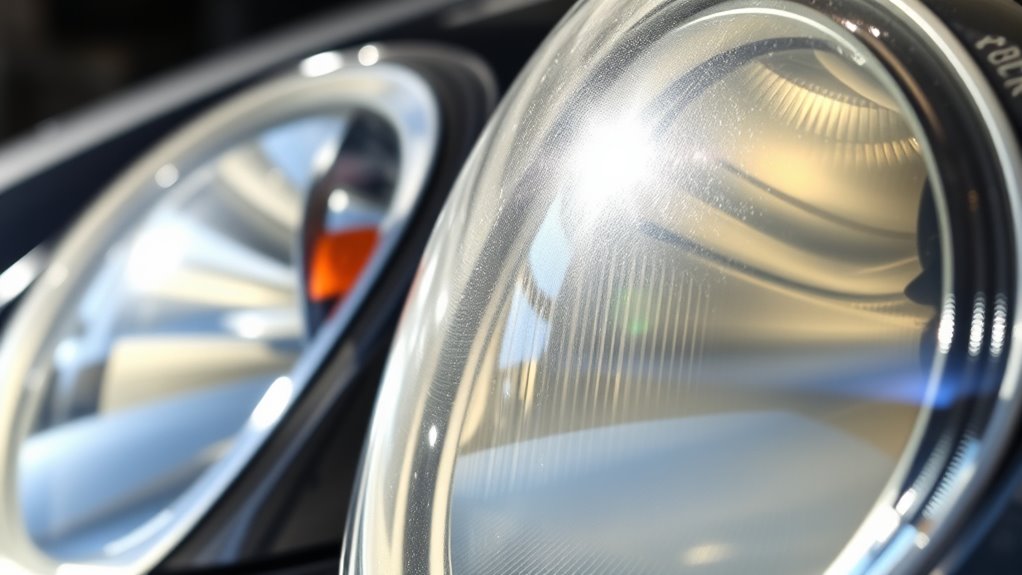
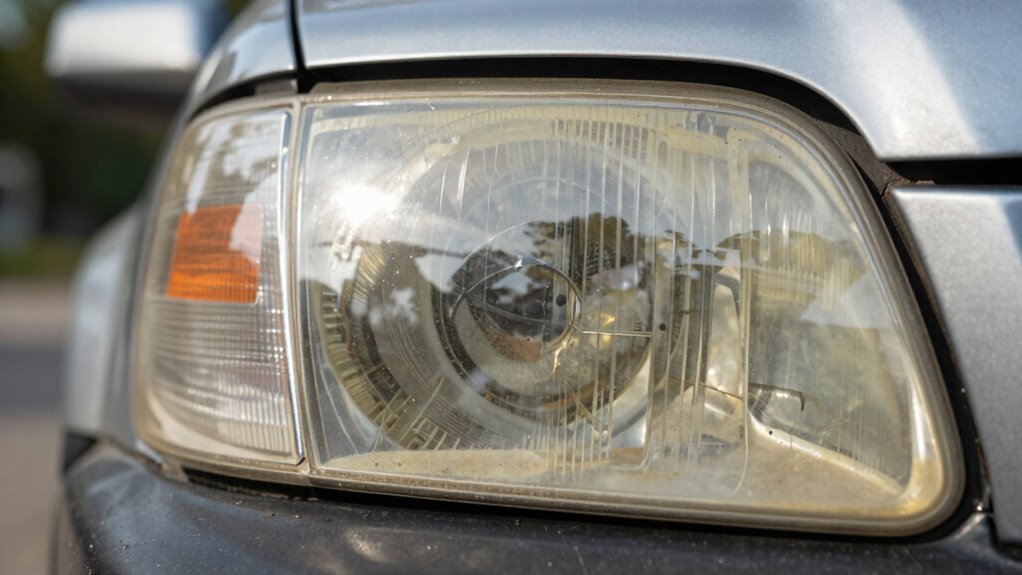
Headlight yellowing is often caused by UV exposure, harsh weather conditions, and road debris. Over time, these factors lead to deterioration of the headlight material, typically polycarbonate or acrylic, which can become cloudy or discolored. UV rays from the sun break down the protective coatings on your headlights, while rain, snow, and dirt contribute to wear and tear. Additionally, road debris like sand and gravel can scratch the surface, further accelerating the yellowing process. If you notice your headlights are losing clarity, it’s essential to understand these causes of yellowing. By recognizing the factors at play, you can take proactive steps to restore your headlights and improve your vehicle’s safety and appearance.
As an affiliate, we earn on qualifying purchases.
How UV Exposure Affects Headlight Clarity
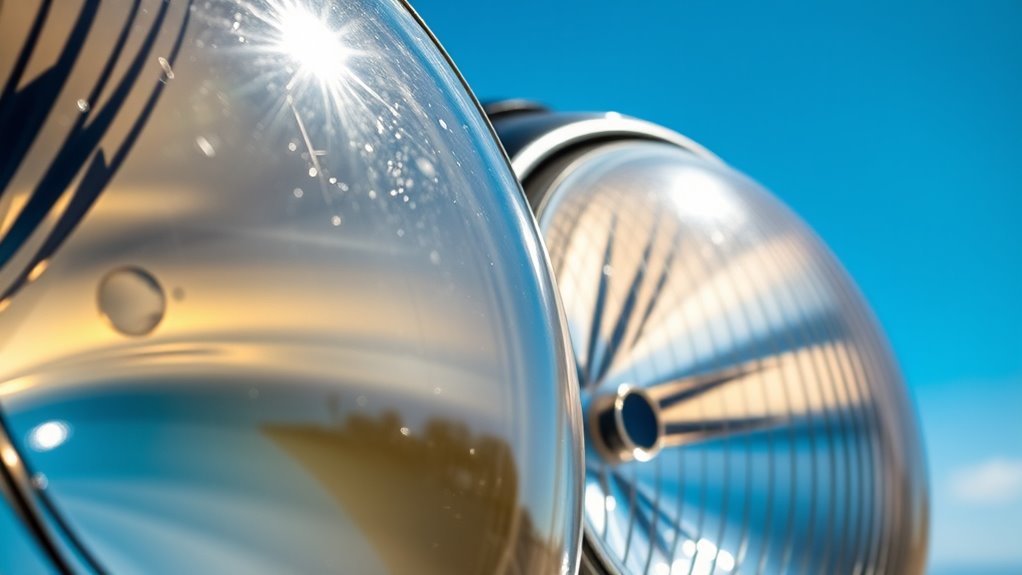
UV exposure plays a significant role in diminishing headlight clarity. When your headlights are constantly bombarded by sunlight, the ultraviolet rays lead to UV damage, breaking down the protective coatings on the plastic lenses. This degradation results in that cloudy, yellowed appearance you’ve likely noticed. As the clarity decreases, the light output is affected, compromising your visibility at night and during poor weather conditions. Unfortunately, this UV damage reduces light longevity, forcing you to replace the headlights sooner than expected. To maintain peak performance, consider using UV protective films or regularly applying a sealant to shield your headlights. By taking these steps, you can help combat the effects of UV exposure and keep your headlights clear and functional.
headlight cleaning and sealing spray
As an affiliate, we earn on qualifying purchases.
As an affiliate, we earn on qualifying purchases.
Environmental Factors That Cause Headlight Damage
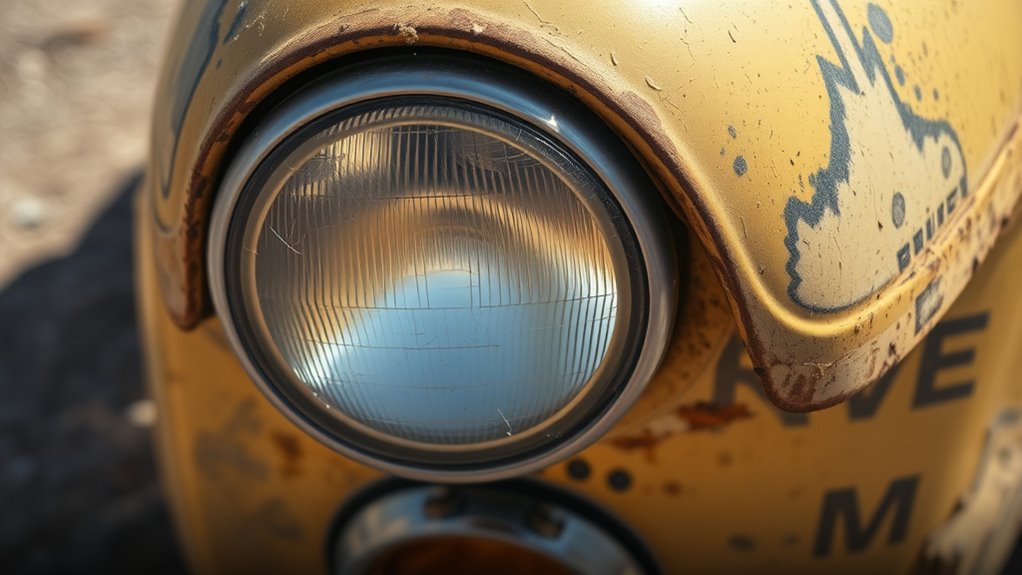
Exposure to various environmental factors can greatly harm your headlights. Weather conditions, like intense sun, rain, and snow, can accelerate the degradation of your headlight lenses. Continuous exposure to UV rays can make the plastic more susceptible to damage. Additionally, harsh weather changes can lead to cracks and scratches. Chemical exposure from road salt, cleaning products, or pollutants can also contribute to headlight deterioration. These substances may cause the lens to become discolored or damaged over time. To protect your headlights, consider parking in shaded areas or using protective films. Regular cleaning can also help minimize the effects of environmental factors, keeping your headlights clearer and safer for night driving. Maintaining proper indoor air quality and humidity levels can also help prevent some environmental damage from affecting your vehicle’s exterior.
As an affiliate, we earn on qualifying purchases.
Understanding How Oxidation Clouds Headlights
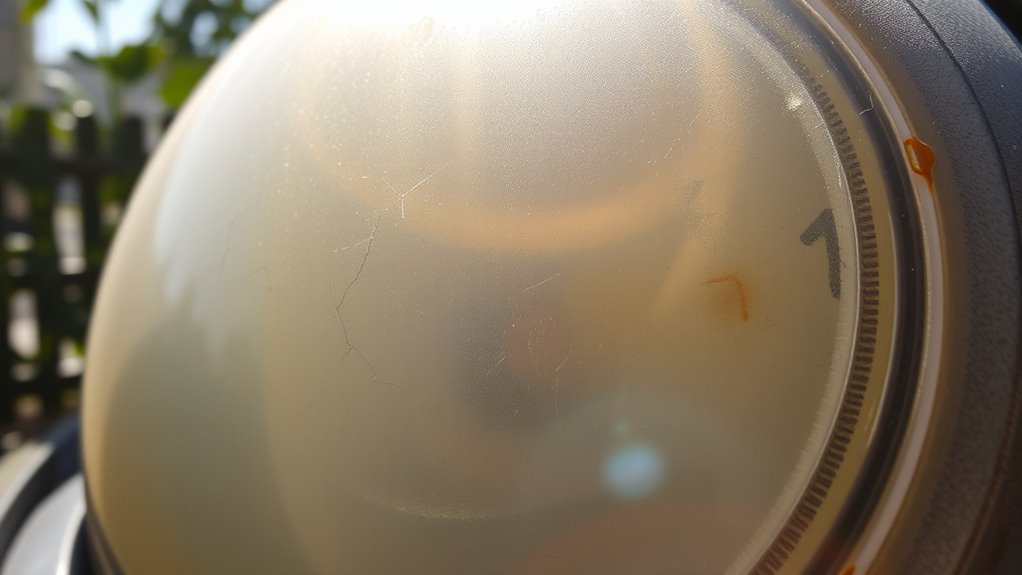
While you might not notice it at first, oxidation is a common issue that clouds your headlights over time. The oxidation process occurs when UV rays from the sun, along with environmental elements, react with the plastic headlight materials. This reaction leads to a dull, yellowish film that reduces visibility and affects the overall appearance of your vehicle. As the oxidation progresses, it can make your headlights less effective, creating safety concerns when driving at night or in poor weather conditions. Understanding this process helps you recognize the importance of headlight maintenance. Taking timely action can restore clarity and improve your vehicle’s safety. So, don’t wait until the issue worsens; address oxidation early for better visibility on the road.
Signs Your Headlights Need Restoration?
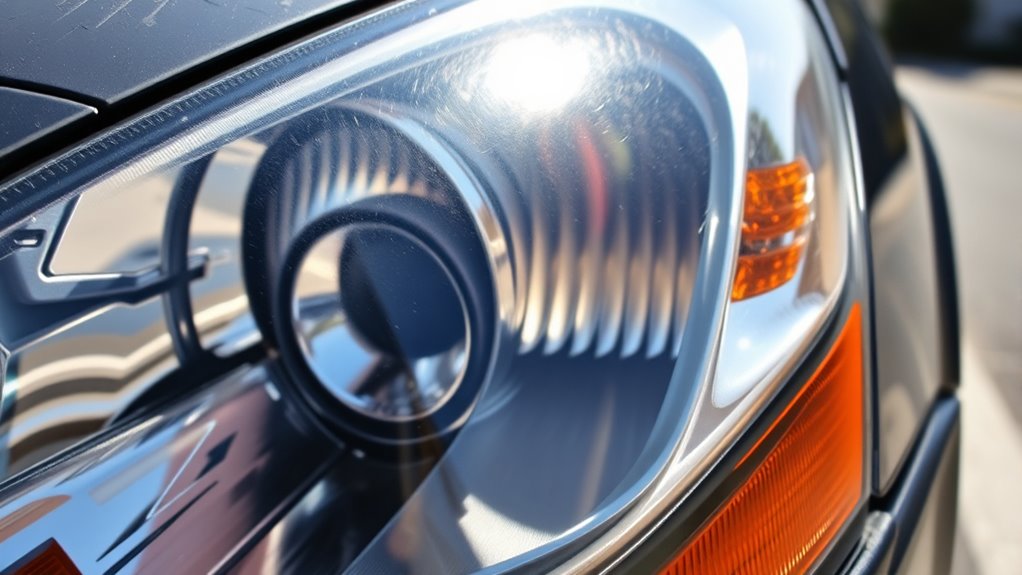
If your headlights have a dull or cloudy appearance, it’s a sign they might need restoration. You may also notice reduced visibility at night, making it harder to see the road ahead. Don’t ignore these signs—addressing them can improve your safety while driving.
Dull Or Cloudy Appearance
When your headlights start to take on a dull or cloudy appearance, it’s a clear sign they need restoration. This cloudiness can stem from UV exposure, dirt buildup, or oxidation, all of which affect headlight longevity. If you ignore this issue, it might only worsen, impacting your driving safety.
| Signs | Emotional Impact |
|---|---|
| Dull headlights | Frustration |
| Cloudy lenses | Concern for safety |
| Restored clarity | Relief and confidence |
Using effective restoration techniques can bring back that clarity, ensuring you drive safely at night. Don’t wait until it gets worse—take action now to enhance visibility and maintain headlight longevity.
Reduced Visibility At Night
As you drive at night, reduced visibility can be a significant warning sign that your headlights need restoration. If you notice that the road ahead appears dimmer than usual, it’s time to take action. Poorly functioning headlights can create serious safety concerns during nighttime driving, especially in poorly lit areas or bad weather. When your lights are cloudy or yellowed, they can’t effectively illuminate the path ahead, increasing your risk of accidents. Additionally, other drivers may have trouble seeing your vehicle, which could lead to dangerous situations. Don’t ignore the signs; restoring your headlights not only improves visibility but also enhances your overall safety on the road. Keep your headlights clear for a safer nighttime driving experience.
Quick Tips for DIY Headlight Restoration
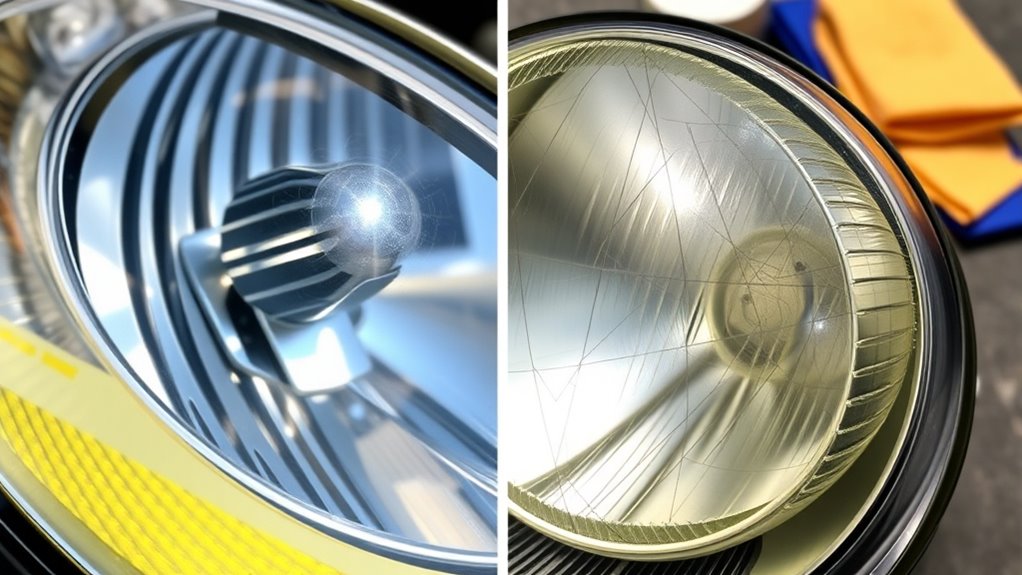
Although headlight restoration might seem challenging, you can achieve clear and bright headlights with a few simple techniques. Start by gathering some essential DIY techniques, like using sandpaper or a polishing compound. Wet sand your headlights with fine-grit sandpaper to remove the yellowing layer. Rinse and dry them thoroughly before applying a restoration product. There are various restoration products available, including sprays and wipes that can help seal and protect your headlights. Follow the instructions carefully for the best results. Finally, consider using a UV sealant afterward to keep your headlights clear longer. With these straightforward steps, you can enhance your vehicle’s appearance and improve nighttime visibility without breaking the bank.
Factory vs. Aftermarket: Which Headlight Coating Is Best?
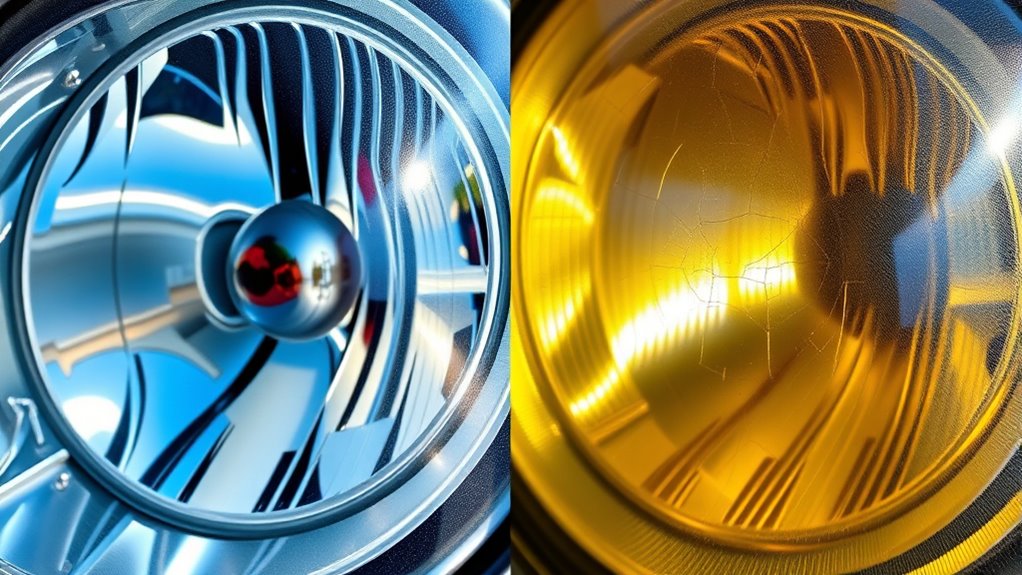
Which headlight coating should you choose: factory or aftermarket? Factory coatings are designed to match your vehicle’s specifications, offering a reliable layer of protection against UV rays and debris. They typically guarantee better clarity and longevity. However, they can be more expensive and may require professional installation.
On the other hand, aftermarket options come in various brands and price points, often allowing for DIY applications. Some aftermarket coatings can be quite effective, providing decent protection and clarity. But beware—quality can vary greatly. Additionally, proper surface preparation is key to ensuring any coating adheres correctly and lasts longer. Understanding UV resistance can help you select a coating that will hold up over time under sun exposure.
Additionally, headlight restoration techniques can help prolong the life of your lights and improve clarity without the need for new coatings. Ultimately, if you’re looking for a guaranteed fit and performance, factory coatings might be your best bet. If you’re on a budget and willing to experiment, aftermarket options could serve you well. Choose wisely!
Why Regular Maintenance Prevents Headlight Yellowing
To keep your headlights clear and bright, a regular cleaning routine is crucial. By applying protective coatings, you can shield them from harmful UV rays and road grime. Staying on top of these maintenance tasks prevents yellowing and guarantees maximum visibility.
Regular Cleaning Routine
When you regularly clean your headlights, you not only improve visibility but also actively prevent yellowing caused by environmental factors. Establishing a consistent cleaning schedule is key to effective headlight maintenance. Dirt, grime, and UV rays can accumulate over time, leading to that unsightly yellow film. By cleaning your headlights once a month, you can remove contaminants before they cause damage. Use gentle soap and water, followed by a microfiber cloth to keep the lenses clear. Don’t forget to check the surrounding areas for buildup, too! Staying proactive with this simple routine guarantees your headlights remain bright and functional, enhancing your safety on the road while prolonging their lifespan. So, make headlight cleaning a regular part of your vehicle care!
Protective Coatings Application
Regular cleaning is just the beginning of maintaining your headlights. To prevent yellowing and guarantee coating durability, applying a protective coating is essential. Here are some effective application techniques to take into account:
- Choose the right product: Look for UV-resistant coatings specifically designed for headlights.
- Clean thoroughly: Remove dirt, grime, and old coatings before application for better adhesion.
- Apply evenly: Use a foam applicator or spray to guarantee an even layer across the surface.
- Follow drying times: Allow the coating to cure properly for maximum effectiveness.
- Schedule regular maintenance: Reapply the coating every 6-12 months to maintain clarity and protection.
- Maintain proper surface preparation to ensure the coating adheres effectively and lasts longer.
Professional Headlight Restoration: When Is It Necessary?
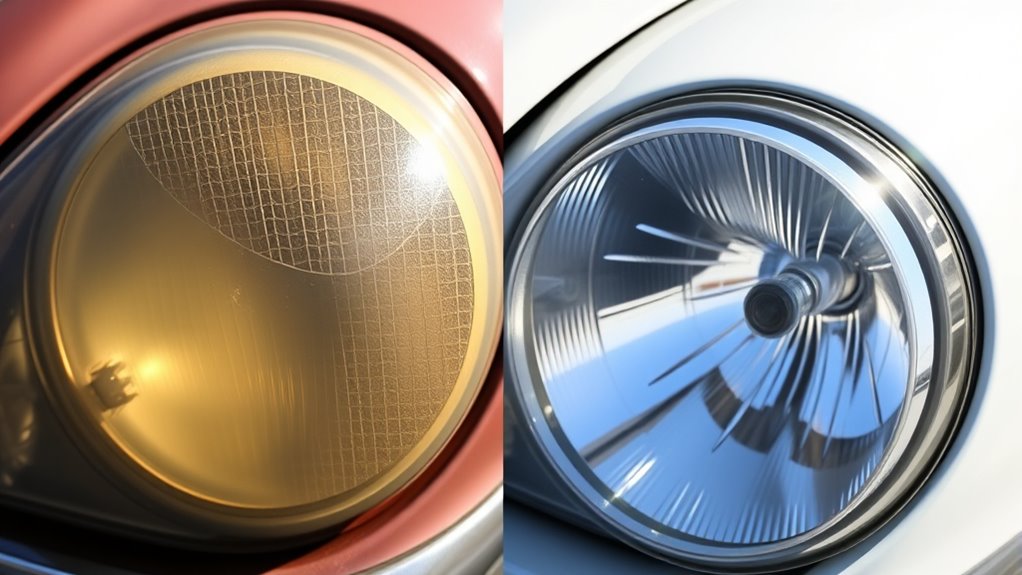
While you might consider DIY methods for headlight restoration, there are times when professional help is crucial. If your headlights are severely yellowed or scratched, professional techniques can effectively restore their clarity. These experts use specialized tools and products that often outperform typical home solutions.
Additionally, if you’re facing time constraints or lack the appropriate materials, hiring a professional can save you from frustration. Cost considerations also play a role; while it may seem more expensive upfront, professional restoration can improve your vehicle’s safety and resale value. In cases of extensive damage, the investment is worth it. Ultimately, knowing when to seek professional assistance guarantees your headlights remain bright and effective for safe driving.
The Impact of Road Debris on Your Headlights
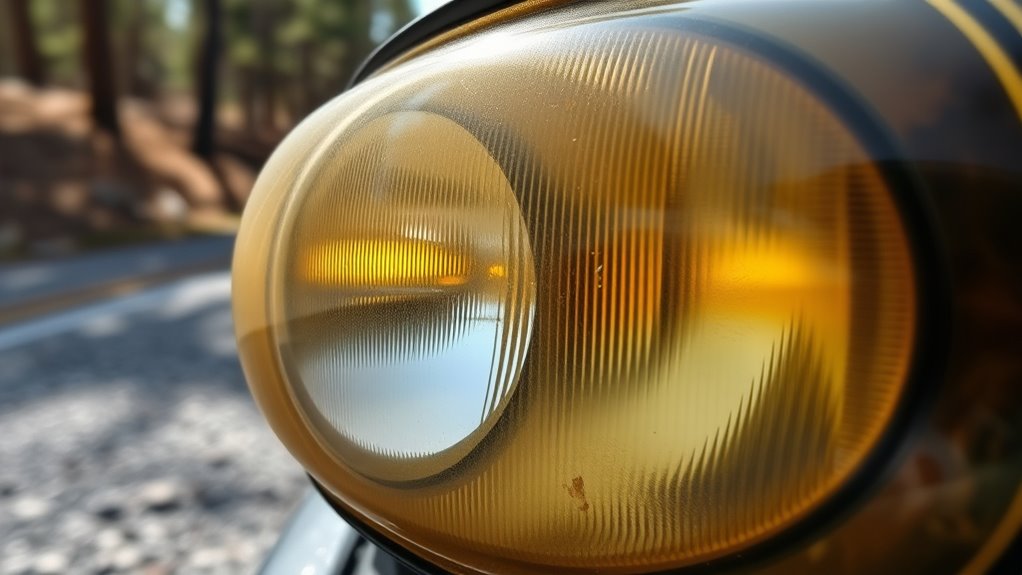
Road debris can wreak havoc on your headlights, causing scratches, chips, and cloudiness that diminish their effectiveness. Understanding common road debris sources can help you protect your headlights from damage. Here are some culprits to watch out for:
- Small rocks and gravel kicked up by other vehicles
- Fallen branches and debris from trees
- Road construction materials like asphalt and concrete
- Debris from accidents, such as shattered glass
- Dirt and mud kicked up during wet conditions
Each of these road debris sources can lead to significant headlight damage, making it essential to stay vigilant. Regular cleaning and inspection can help maintain clarity and function, ensuring your headlights provide ideal illumination while driving.
Frequently Asked Questions
How Often Should I Check My Headlights for Yellowing?
You should check your headlights for yellowing at least once a month as part of your regular headlight maintenance. Keeping an eye on them guarantees peak visibility and safety while driving, especially during nighttime or bad weather. If you notice any discoloration or cloudiness, it’s time to take action. Regularly inspecting your headlights not only enhances your vehicle’s appearance but also helps prevent potential accidents due to reduced light output.
Can Yellowed Headlights Affect My Vehicle’s Resale Value?
Absolutely, yellowed headlights can hurt your vehicle’s resale value. Imagine trying to sell a house with peeling paint; potential buyers might wonder what else is neglected. During a resale appraisal, buyers often scrutinize vehicle maintenance, and foggy lights signal poor upkeep. A well-maintained car with clear headlights looks more appealing, showing you care about every detail. So, keep those headlights shining bright to maximize your vehicle’s worth when it’s time to sell.
Are There Any Home Remedies for Headlight Restoration?
Yes, there are a few home remedies you can try for headlight restoration. You can mix baking soda with water to create a paste and scrub the headlights gently. Another option is using a vinegar solution, which can help remove grime. Finally, apply toothpaste to the headlights and scrub with a soft cloth. Rinse them off afterward, and you’ll see an improvement in clarity. Give these methods a shot and see the difference!
What Tools Are Needed for DIY Headlight Restoration?
For DIY headlight restoration, you’ll need a few essential tools. Start with a restoration kit, which usually includes everything you need, like polishing compounds and protectants. You’ll also want sanding discs of varying grits to effectively remove the yellowing and scratches. Don’t forget a microfiber cloth for buffing and a spray bottle with water to keep the surface moist during sanding. With these tools, you’re all set to brighten those headlights!
Is Headlight Yellowing More Common in Certain Car Models?
Yes, headlight yellowing is more common in certain car models, especially those with lower-quality headlight materials. If your car’s headlights are made from polycarbonate, they’re more prone to deterioration from sun exposure and environmental factors. You’ll notice that vehicles frequently exposed to harsh weather conditions tend to show yellowing faster. So, if you own one of these models, it’s time to keep an eye on those headlights before they look like they’ve been through a war!
Conclusion
So, your headlights are looking more like foggy glass than shining beacons of safety? Don’t fret! With a little TLC and maybe a magic wand—or just some elbow grease—you can restore them to their former glory. Remember, regular maintenance is key, unless you fancy driving with yellowed lights like it’s a retro fashion statement. If all else fails, calling in the pros might just save your headlights from becoming the next exhibit in a “What Not to Do” gallery.
NFL season / tailgating Picks
team gear
As an affiliate, we earn on qualifying purchases.