
When choosing a rechargeable work light, you need to balance brightness (lumens) and runtime to match your project’s needs. Higher lumens make the light brighter, but they often shorten battery life, which isn’t ideal for long jobs. If you’re working in tight spaces for a short time, focus on high lumens; for extended tasks, opt for moderate brightness with longer runtime. Keep in mind how technology impacts battery health, and you’ll find the perfect balance. You’ll discover more tips ahead.

Get the little things that make your day delivered free with Prime
- Fast, free delivery on millions of items
- Prime Video, Amazon Music and more included
- Member-only deals all year
Key Takeaways
- Higher lumens provide brighter light but often reduce runtime due to increased power consumption.
- Longer runtime is ideal for extended tasks, but may require lower brightness settings.
- Balancing lumens and runtime depends on work environment and project duration needs.
- Battery capacity and technology influence both brightness levels and operating time.
- Proper charging features and system management help maintain optimal brightness and battery health.
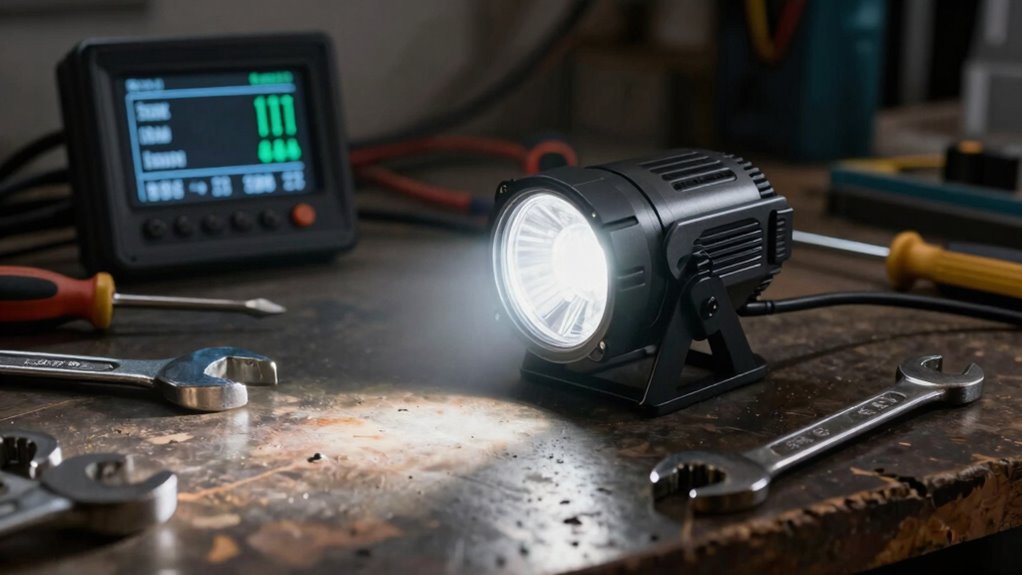
Rechargeable work lights have become essential tools for both professionals and DIY enthusiasts, offering a reliable source of illumination without the hassle of cords. When choosing a work light, two key factors often come into focus: lumens and runtime. Understanding how these elements interplay can help you pick the right light for your specific needs. Lumens measure brightness, so a higher lumen count means a brighter light, which is vital when working in low-visibility environments. However, a high lumen output often comes with a trade-off: shorter runtime. On the other hand, runtime—the duration your work light can operate on a single charge—is equally important, especially for extended tasks or work in remote locations without easy access to power sources.
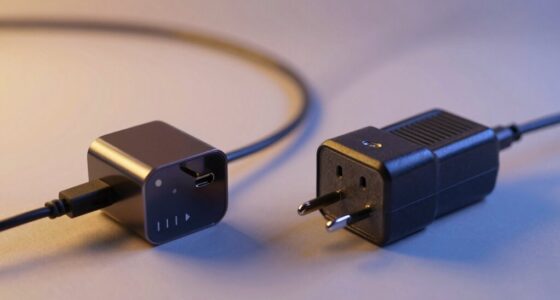
The capacity of a rechargeable work light’s battery directly impacts both lumens and runtime. A larger battery generally provides longer working hours, but it might also make the device bulkier and heavier. When evaluating options, pay close attention to the battery lifespan, which refers to how many charge cycles the battery can endure before its capacity diminishes markedly. A longer battery lifespan ensures that your investment lasts over time, maintaining both runtime and brightness levels for years. It’s also vital to consider the charging technology used in the work light. Modern LED work lights often incorporate fast-charging features, meaning you can get back to work quicker if the battery runs out unexpectedly. Some models support USB-C charging, which is convenient and widely compatible, while others use proprietary connectors.
Efficient charging technology not only reduces downtime but can also extend the overall battery lifespan by preventing overcharging and overheating. Many rechargeable work lights now feature smart charging systems that automatically stop charging once the battery reaches full capacity, protecting the battery’s health and ensuring longevity. When choosing a work light, think about how often you’ll need to recharge it and whether quick-charging capabilities are available. If you’re working on a project that demands hours of continuous illumination, prioritize models with longer runtime and fast-charging features, so you’re not left in the dark waiting for your light to power up again. Additionally, understanding the importance of battery technology can help you select a more durable and reliable work light. Properly managing battery health can significantly improve the overall lifespan and performance of your work light, making it a worthwhile consideration.
Ultimately, balancing lumens and runtime depends on understanding your work environment and project demands. A brighter light with shorter runtime might suit short-term tasks, while a model with moderate brightness and extended runtime is better for prolonged use. By paying attention to the battery lifespan and embracing advanced charging technology, you guarantee your rechargeable work light remains dependable, efficient, and ready whenever you need it.
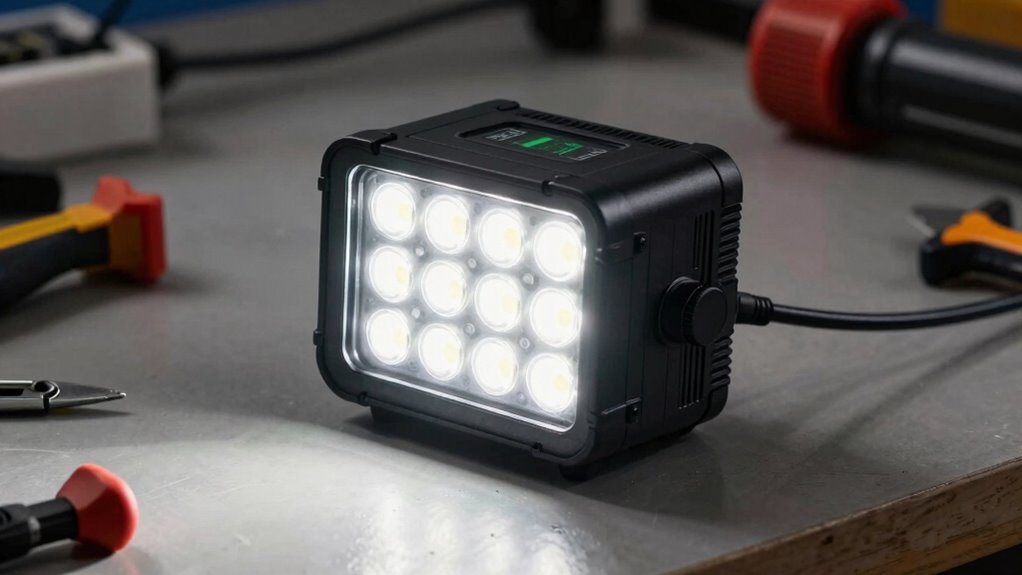
rechargeable work light with high lumens
As an affiliate, we earn on qualifying purchases.
As an affiliate, we earn on qualifying purchases.
Frequently Asked Questions
How Do Temperature Changes Affect Work Light Battery Performance?
Temperature changes impact your work light’s battery performance by affecting battery efficiency. When it’s too cold, the chemical reactions inside the battery slow down, reducing runtime and brightness. Conversely, high temperatures can cause the battery to overheat, decreasing its lifespan and risking damage. To maintain best performance, keep your work light within recommended temperature ranges, as temperature effects directly influence how well your battery functions during use.
Are Rechargeable Work Lights Waterproof or Weather-Resistant?
Many rechargeable work lights are designed to be weather-resistant, but not all are fully waterproof. Check their waterproof ratings, like IP ratings, to see how well they withstand water exposure. If you work outdoors or in damp conditions, opt for a light with higher weather resistance and a waterproof rating, such as IP65 or higher. This guarantees your light stays functional and safe in various weather conditions.
Can I Replace the Battery in a Rechargeable Work Light?
Yes, you can replace the battery in a rechargeable work light, but it depends on the model. Check the manufacturer’s instructions for battery replacement and follow the proper charging guidelines to guarantee safety and maximum performance. Usually, you’ll need to open the casing, remove the old battery, and install a compatible new one. Always use recommended batteries and adhere to charging guidelines to avoid damage or safety issues.
What Safety Precautions Should I Follow When Charging These Lights?
When charging your rechargeable work light, prioritize safety by avoiding overcharging and using the recommended charger. Follow charging safety tips like charging in a dry, well-ventilated area and keeping the light away from flammable materials. Proper battery maintenance includes unplugging once fully charged and inspecting the battery regularly for damage. These steps help prevent accidents, prolong battery life, and safeguard safe operation during your work.
How Do Different LED Types Influence Brightness and Runtime?
Did you know that different LED types can affect brightness and runtime by up to 50%? You’ll notice that warm LED colors often produce softer light with slightly lower brightness, while cool LEDs deliver brighter illumination. Power efficiency varies with LED type, impacting how long your light lasts on a single charge. Choosing the right LED color and type based on your needs guarantees peak brightness and longer runtime for your work sessions.
As an affiliate, we earn on qualifying purchases.
Conclusion
As you explore rechargeable work lights, remember that balancing lumens and runtime is like tuning an instrument—you’ll find the perfect harmony that suits your needs. While brighter lights might catch your eye, don’t overlook the importance of extended battery life for uninterrupted work. With a little patience and the right choice, you’ll discover a reliable companion that keeps your projects shining, even when the spotlight isn’t directly on you. Happy lighting!
As an affiliate, we earn on qualifying purchases.
As an affiliate, we earn on qualifying purchases.
Fall Picks
fall essentials
As an affiliate, we earn on qualifying purchases.