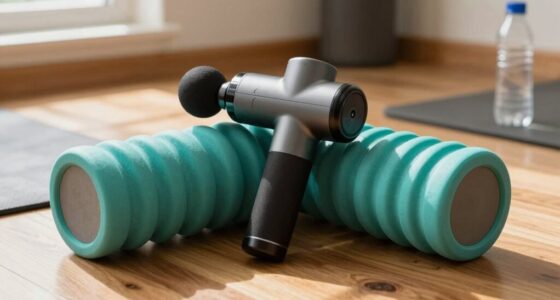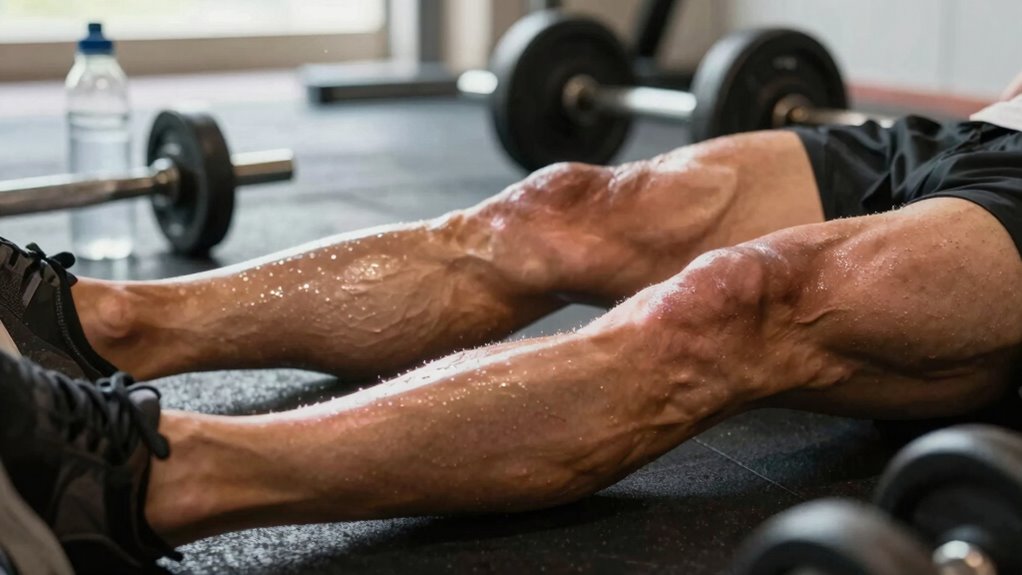

DOMS, or Delayed Onset Muscle Soreness, hits after intense workouts due to micro-tears in your muscle fibers. This soreness usually appears 24 to 72 hours post-exercise, peaking around 48 hours. You might feel tenderness, stiffness, or reduced flexibility in your muscles. To relieve DOMS, try active recovery, gentle stretching, and staying hydrated. Gradually increasing workout intensity can help prevent it in the future. Stay tuned to discover more about managing and understanding your muscle soreness better.

Get the little things that make your day delivered free — and shop member deals
- Fast, free delivery on millions of items
- Access to Prime Big Deal Days deals on October 6–7
- Prime Video, Amazon Music and more included
Key Takeaways
- DOMS, or Delayed Onset Muscle Soreness, occurs due to micro-tears in muscles after intense workouts or new exercise routines.
- Symptoms include muscle tenderness, stiffness, and swelling, peaking around 48 hours post-exercise.
- Recovery strategies include active recovery, stretching, hydration, and consuming protein-rich foods for muscle repair.
- Ice packs can reduce inflammation and pain, while over-the-counter medications may provide relief as needed.
- Seek medical attention if soreness persists beyond a week or if accompanied by severe pain or swelling.
As an affiliate, we earn on qualifying purchases.
What Is Delayed Onset Muscle Soreness (DOMS)?
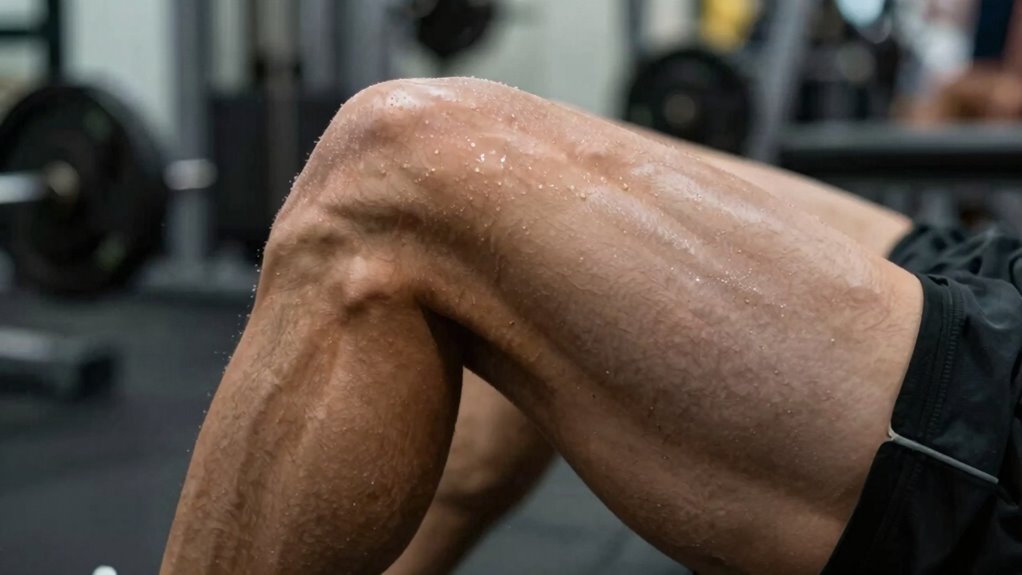
Delayed Onset Muscle Soreness, commonly known as DOMS, is that achy feeling you get in your muscles after an intense workout or a new exercise routine. It occurs when your muscles experience micro-tears during exercise, leading to inflammation and discomfort. This soreness usually peaks around 24 to 72 hours post-activity. While it might feel unpleasant, DOMS is a sign that your body is adapting to new stresses. As you continue exercising, your muscles undergo adaptation, becoming stronger and more resilient. To aid muscle recovery, consider gentle stretching, hydration, and proper nutrition. Remember, while DOMS indicates progress, it’s crucial to listen to your body and avoid pushing through excessive pain to guarantee a safe and effective training experience.
As an affiliate, we earn on qualifying purchases.
Why Do My Muscles Hurt After Working Out?
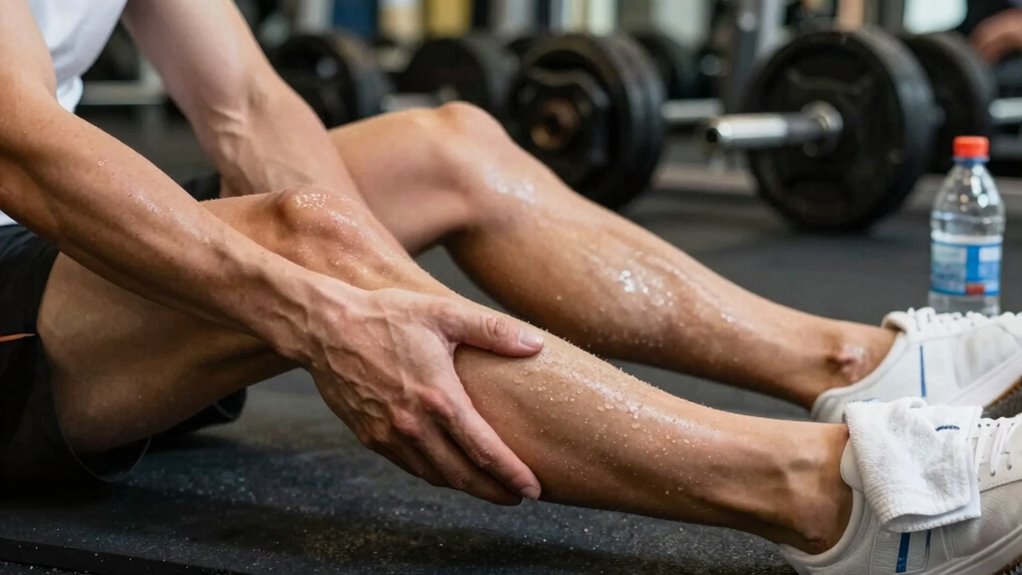
When you push your body during a workout, it’s common to feel soreness in your muscles afterward. This pain, often a result of delayed onset muscle soreness (DOMS), occurs due to microscopic damage in your muscle fibers. The greater the workout intensity, the more stress you place on your muscles, leading to more significant soreness. Your body responds by initiating muscle recovery processes, repairing and strengthening those fibers. Although this soreness can be uncomfortable, it’s a sign that your muscles are adapting to new challenges. To alleviate discomfort, consider gentle stretching, hydration, and rest. These practices can help speed up muscle recovery, allowing you to bounce back stronger for your next workout. Incorporating mobility exercises can also support your recovery and improve overall flexibility.
protein powder for muscle repair
As an affiliate, we earn on qualifying purchases.
As an affiliate, we earn on qualifying purchases.
What Are the Symptoms of DOMS?
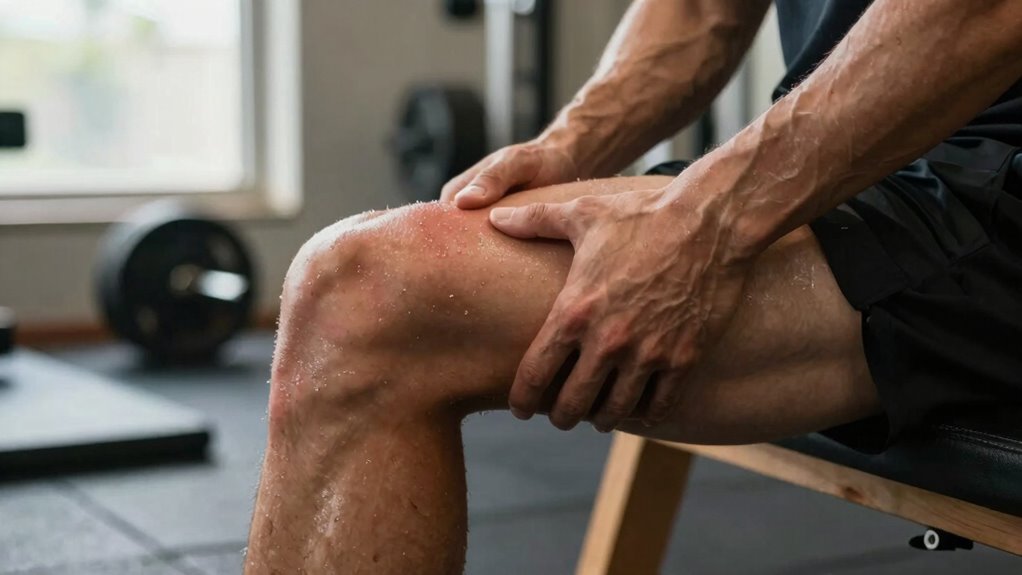
When you experience DOMS, you might notice muscle tenderness and stiffness, making it hard to move comfortably. Swelling and inflammation can also occur, adding to the discomfort. As a result, you may find your range of motion decreased, impacting your usual activities.
Muscle Tenderness and Stiffness
After an intense workout, you might notice muscle tenderness and stiffness setting in, which are hallmark symptoms of Delayed Onset Muscle Soreness (DOMS). This discomfort usually peaks between 24 to 72 hours post-exercise, making everyday activities feel challenging. You may find that your muscles are sensitive to touch, and simple movements can feel restricted. To support muscle recovery, it’s essential to listen to your body and allow time for healing. Soreness management techniques, like gentle stretching and light activity, can help alleviate some of the tightness. Staying hydrated and ensuring proper nutrition will also play an important role in your recovery process. Embracing rest and care during this phase can lead to better performance in future workouts.
Swelling and Inflammation
As your muscles recover from a strenuous workout, you might notice swelling and inflammation, which are common symptoms of DOMS. This swelling response occurs as your body initiates the inflammation process to repair damaged muscle fibers. You may experience a feeling of tightness or puffiness in the affected areas.
Here’s a quick overview of the symptoms you might encounter:
| Symptom | Description |
|---|---|
| Swelling | Noticeable puffiness around the muscles |
| Warmth | Increased temperature in the affected area |
| Redness | Skin may appear red or flushed |
| Pain | Discomfort when touching the area |
| Stiffness | Muscles feel tight and less flexible |
Recognizing these symptoms can help you manage your recovery effectively.
Decreased Range of Motion
While you’re recovering from DOMS, you may notice a decreased range of motion in the affected muscles. This limitation can make daily activities feel challenging. You might experience:
- Stiffness: Your muscles may feel tight, especially after periods of inactivity.
- Discomfort during movement: You might wince or feel pain when trying to perform specific actions.
- Difficulty with full extension: Simple tasks, like reaching or bending, can become more complicated.
To help alleviate these symptoms, consider incorporating effective stretching techniques and mobility exercises into your routine. Gentle stretches can improve flexibility, while mobility exercises enhance your overall movement quality. Listen to your body, and don’t rush the recovery process; it’s key to getting back to your normal activities. Supportive mattress and pillow can aid in recovery by maintaining proper spinal alignment during rest.
stretching bands for flexibility
As an affiliate, we earn on qualifying purchases.
As an affiliate, we earn on qualifying purchases.
How Long Does DOMS Last?
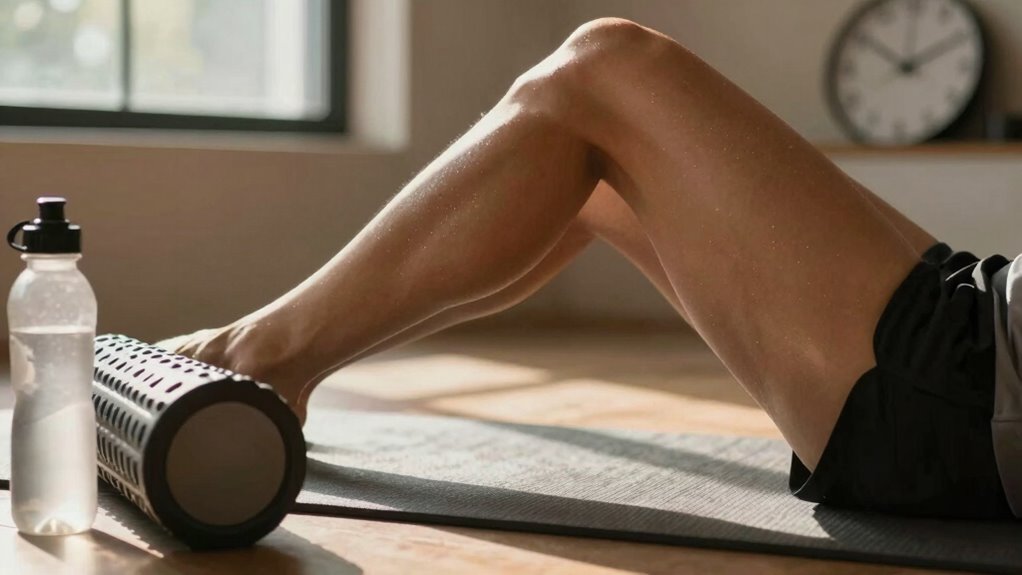
How long can you expect to feel the effects of delayed onset muscle soreness (DOMS)? Typically, you’ll experience soreness for about 24 to 72 hours after your workout, with the peak soreness usually occurring around the 48-hour mark. This recovery timeline can vary based on factors like workout intensity and your fitness level. If you’re new to exercise or pushed your limits, you might notice a longer soreness duration. However, it’s essential to listen to your body; while some soreness is normal, it shouldn’t prevent you from performing daily activities. Incorporating light movement, hydration, and proper nutrition can aid in recovery, helping you bounce back quicker and get back to your routine.
How to Distinguish DOMS From Other Pain Types?
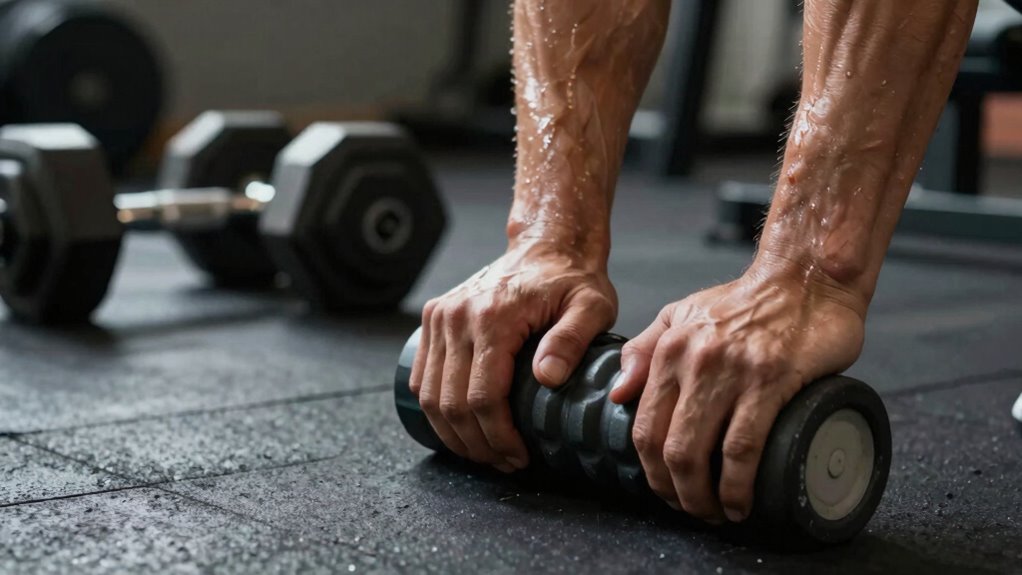
Wondering if that soreness in your muscles is DOMS or something else? Understanding the causes of soreness can help you distinguish between different pain types. Here’s a quick pain comparison:
- DOMS: Typically appears 24-48 hours after intense or unfamiliar exercise. It feels like a dull ache and is usually localized to specific muscle groups.
- Acute Pain: Often arises immediately during or after an injury. It may feel sharp or intense and can indicate something more serious, like a strain or tear.
- Chronic Pain: This pain persists for weeks or months and often arises from overuse or underlying conditions, unlike the temporary discomfort associated with DOMS.
What Strategies Work Best for Relieving DOMS?

If you’ve identified that your muscle soreness is indeed DOMS, you might be keen to find effective strategies for relief. One of the best methods is active recovery, which involves low-intensity exercises like walking or cycling. This helps increase blood flow to your sore muscles, promoting healing. Stretching can also provide pain relief, as it improves flexibility and reduces tension. Additionally, consider using ice packs on the affected areas to lessen inflammation and numb the pain. Staying hydrated and consuming protein-rich foods can support muscle repair. Finally, over-the-counter pain relievers can be an option if discomfort is significant. Remember, your body needs time to recover, so listen to it and avoid pushing too hard too soon.
How to Prevent DOMS in Future Workouts?

To prevent DOMS in your future workouts, focus on gradually increasing the intensity of your exercise routine. This way, your muscles adapt better and reduce soreness. Incorporate these key strategies:
- Proper Warm Up: Always start with a dynamic warm-up to prepare your muscles and joints for action. This increases blood flow and flexibility.
- Progressive Overload: Gradually increase weights or resistance rather than making drastic changes. This helps your body adapt without excessive strain.
- Active Recovery: On rest days, engage in low-impact activities like walking or swimming. This promotes blood flow and helps your muscles recover without overexerting them.
When Should You Seek Medical Attention for DOMS?
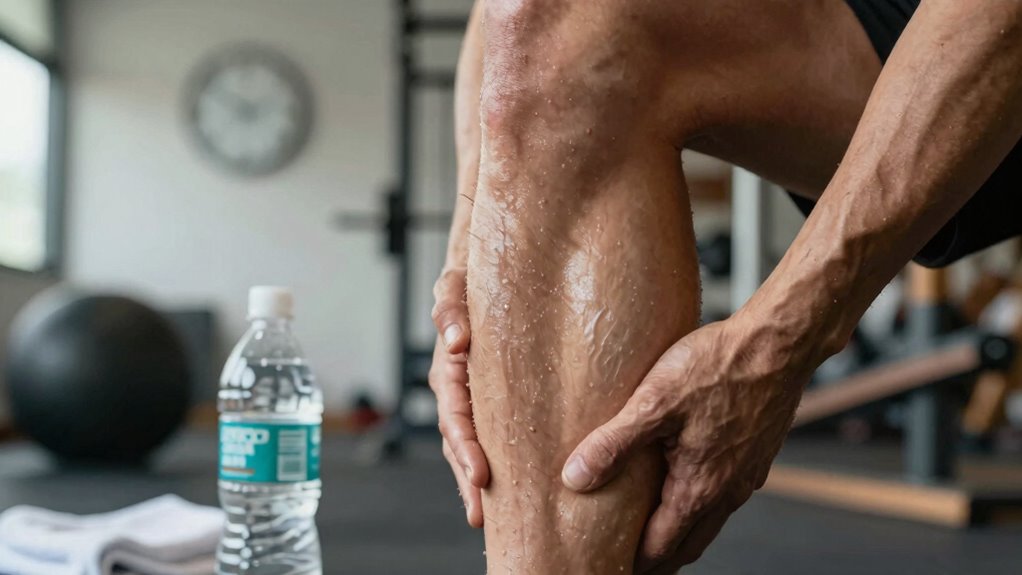
Even with preventive measures in place, you might still experience delayed onset muscle soreness (DOMS) that raises concerns about your health. If your soreness lasts longer than a week, becomes severe, or is accompanied by swelling, bruising, or sharp pain, it’s time to seek medical attention. These symptoms could indicate an injury rather than typical DOMS. Additionally, if you notice a significant decrease in your range of motion or strength, don’t hesitate to consult a healthcare professional. They can provide guidance on effective recovery techniques and pain management strategies. Remember, while DOMS is usually normal, persistent or extreme discomfort warrants a check-up to verify you’re on the right track to recovery.
Frequently Asked Questions
Can DOMS Occur After Any Type of Workout?
Yes, DOMS can occur after any type of workout, especially if you push your muscle strain beyond your usual limits. It’s often linked to workout intensity—higher intensity means a greater chance of experiencing soreness afterward. Whether you’re lifting weights, running, or doing yoga, if you challenge your muscles in a new way, you might feel that familiar discomfort in the days following your session. Just remember to listen to your body and allow it to recover!
Does Hydration Affect the Severity of DOMS?
Yes, hydration does affect the severity of DOMS. When you’re properly hydrated, your muscles recover more efficiently, which can reduce soreness. Implementing effective hydration strategies before, during, and after your workouts helps maintain ideal fluid balance and supports muscle function. This means you’re less likely to experience intense soreness post-exercise. So, don’t underestimate the role of hydration in your muscle recovery process; it can make a significant difference in how you feel afterward.
Are Certain People More Prone to DOMS Than Others?
Yes, certain people are more prone to DOMS, thanks to genetic factors and muscle composition. If your muscles are made up of more fast-twitch fibers, you might experience soreness more intensely. Those with a genetic predisposition may also find they react differently to workouts. So, if you notice you’re often achy after exercising, it’s likely tied to your unique genetic makeup and muscle structure. Embrace your body’s quirks and adapt your routines!
Can Nutrition Help in Reducing DOMS Symptoms?
Yes, nutrition can help reduce DOMS symptoms. Focusing on nutrient timing is key; consuming protein shortly after your workouts can aid muscle recovery. Aim for a balanced meal with quality protein within 30 minutes post-exercise to maximize muscle repair. Staying hydrated and including anti-inflammatory foods can also support your recovery. By prioritizing your protein intake and timing, you’ll likely experience less soreness and bounce back faster after your workouts.
Is It Safe to Exercise With DOMS?
Yes, it’s generally safe to exercise with DOMS, especially if you engage in light exercise. Think of it like a gentle wave washing over a beach; it helps clear away tension. Incorporating recovery strategies, like stretching or low-impact activities, can promote blood flow and ease soreness. Just listen to your body—if the pain feels too intense, it’s best to rest. Balance is key to effective recovery while staying active.
Conclusion
In the grand saga of your fitness journey, DOMS might feel like a monstrous beast that terrorizes your muscles after every workout. But fear not! Armed with the right strategies and knowledge, you can tame this beast and emerge victorious. Remember, the soreness is just a sign of your body growing stronger, like a phoenix rising from the ashes! So, gear up, keep moving, and turn that post-workout pain into a badge of honor on your path to glory!
NFL season / tailgating Picks
team gear
As an affiliate, we earn on qualifying purchases.