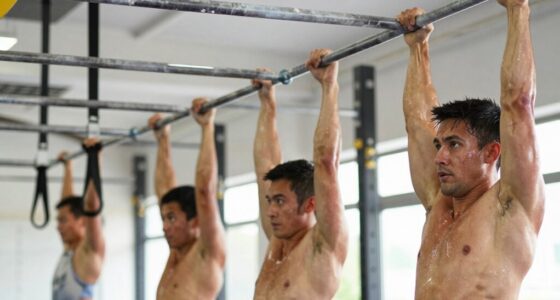

Rest times between sets matter greatly for your performance. If you’re aiming for endurance, keep breaks short—around 30 to 60 seconds. For building strength, longer rests of 2 to 5 minutes are better, allowing your muscles to recover fully and clear out metabolic waste. Finding the right balance is key for your specific goals. Misjudging these times can hinder your progress, so let’s explore how to optimize your rest periods for effective workouts.

Get the little things that make your day delivered free with Prime
- Fast, free delivery on millions of items
- Prime Video, Amazon Music and more included
- Member-only deals all year
Key Takeaways
- Rest times vary based on training goals; shorter breaks enhance endurance, while longer breaks support strength recovery and growth.
- Shorter rest (30-60 seconds) elevates heart rate, boosts workout intensity, and promotes calorie burning.
- Longer rest (2-5 minutes) allows for muscle recovery, energy replenishment, and improved focus during strength training.
- Consistent tracking of rest periods is essential to avoid fatigue and maintain performance levels throughout workouts.
- Tailoring rest times to individual needs and listening to the body can optimize workout effectiveness and progress.
As an affiliate, we earn on qualifying purchases.
Understanding Rest Times and Muscle Recovery

When you lift weights, understanding rest times is essential for optimizing muscle recovery. The duration of your breaks between sets directly impacts how well your muscles repair and grow. If you’re aiming for strength, longer rest durations of 2 to 5 minutes allow for better recovery, enabling you to lift heavier weights in subsequent sets. On the other hand, if your goal is muscle endurance, shorter rest periods of 30 seconds to 1 minute can help build stamina. By carefully managing your rest duration, you give your muscles the chance to recover effectively while still challenging them. Remember, balancing rest and effort is vital; it’s not just about how hard you work, but also how well you recover.
As an affiliate, we earn on qualifying purchases.
How Short Breaks Affect Your Workout Intensity

Shorter breaks can substantially influence the intensity of your workout. When you limit your rest time, you keep your heart rate elevated, which can lead to a more intense session overall. This approach challenges your muscles and cardiovascular system, enhancing endurance and promoting a greater calorie burn. By taking short breaks, you’re also pushing your limits, which can lead to improved mental toughness and focus. However, it’s essential to find the right balance; too short of a break may compromise your form and technique, affecting your overall performance. Ultimately, incorporating short breaks strategically can elevate your workout intensity, making each session more efficient and effective. Embrace the challenge and see how it transforms your training routine!
fitness tracker for workout rest
As an affiliate, we earn on qualifying purchases.
As an affiliate, we earn on qualifying purchases.
Why Longer Rest Is Key for Building Strength

While shorter rest periods can elevate your heart rate, longer breaks are essential for building strength effectively. When you give your muscles ample time to recover, you’re allowing them to adapt and grow stronger. This recovery period is vital for maximizing strength gains, as it helps replenish energy stores and clears out metabolic waste. Without sufficient rest, you risk fatigue, which can hinder your ability to lift heavier weights and progress in your training. Longer rest intervals also enable better focus and form during your sets, reducing the chance of injury. Ultimately, prioritizing longer rest times empowers your body to adapt and achieve the strength milestones you’re aiming for, ensuring consistent progress in your fitness journey.
strength training weightlifting gloves
As an affiliate, we earn on qualifying purchases.
As an affiliate, we earn on qualifying purchases.
How to Tailor Your Rest Times Based on Training Goals

To effectively tailor your rest times based on your training goals, it’s crucial to understand how different durations impact your performance. If you’re aiming for muscle endurance, shorter rest periods of 30 to 60 seconds between sets can help you build stamina and improve your aerobic capacity. On the other hand, if your focus is on power training, you’ll want to extend your rest to 2 to 5 minutes. This allows for full recovery, enabling you to exert maximum effort in each set. By aligning your rest periods with your specific goals, you’ll optimize your workouts and achieve better results. Remember, the key is to listen to your body and adjust as needed to maintain performance levels.
What Mistakes Do People Make With Rest Periods?

Many gym-goers overlook the importance of rest periods, leading to common mistakes that can hinder their progress. One of the biggest rest period misconceptions is believing that longer is always better. While extended breaks can be beneficial for strength training, they may hinder endurance workouts. Another common workout error is not resting enough. Skipping adequate rest can lead to fatigue and reduced performance, making it harder to achieve your goals. Additionally, some people fail to track their rest times, resulting in inconsistent workouts. It’s essential to find a balanced approach tailored to your specific training goals. By understanding these mistakes, you can optimize your rest periods and enhance your overall workout effectiveness.
Frequently Asked Questions
How Do Rest Times Differ for Beginners Versus Advanced Lifters?
Rest times differ greatly between beginners and advanced lifters. As a beginner, you’ll benefit from shorter rest periods, focusing on form and endurance with strategies that promote muscle adaptation. Advanced lifters, however, can use longer rest times to fully recover between sets, allowing for heavier weights and advanced techniques that maximize strength gains. Tailoring your rest periods to your experience level can enhance your training effectiveness and overall progress.
Can I Use Active Recovery During Rest Periods?
Absolutely, you can use active recovery during rest periods! Imagine this: instead of just sitting, you engage in light activities like stretching or walking. This keeps your blood flowing and can enhance recovery. The benefits? You’ll feel less soreness and improve endurance. Techniques like dynamic stretches or low-intensity cycling can help your muscles recover while you’re still in the zone. So, mix it up and maximize your workout efficiency!
What Are the Effects of Caffeine on Rest Times?
Caffeine can boost your performance by enhancing endurance and reducing perceived exertion during workouts. When you consume caffeine, it speeds up caffeine metabolism, allowing you to recover faster between sets. This means you might feel less fatigued and ready to tackle your next set sooner. However, the effects can vary based on individual tolerance, so it’s important to find the right amount for ideal results without overdoing it.
How Does Hydration Impact My Rest Periods?
You might think hydration isn’t that essential during your workout, but it plays an important role in your rest periods. Staying properly hydrated boosts your performance and helps maintain electrolyte balance, which can prevent fatigue and cramps. Implementing good hydration strategies, like drinking water or electrolyte drinks before and during your session, can enhance your recovery time between sets, allowing you to push harder and maximize your results.
Should I Adjust Rest Times for Different Types of Exercises?
Yes, you should adjust rest times for different types of exercises. For compound exercises, like squats or deadlifts, you’ll want longer rest periods—around 2 to 5 minutes—to allow your body to recover fully, as these movements engage multiple muscle groups. In contrast, for isolation exercises, such as bicep curls or tricep extensions, shorter rest times of 30 to 90 seconds can be effective since they target specific muscles and require less recovery.
Conclusion
In the world of fitness, think of rest times like a chef waiting for the perfect moment to pull a dish from the oven. Too soon, and you risk a soggy outcome; too late, and it’s burnt. Just like that dish, your muscles need the right amount of recovery to thrive. By understanding and adjusting your rest periods, you’ll not only enhance your performance but also savor the results of your hard work. So, don’t rush—let them rise!
NFL season / tailgating Picks
team gear
As an affiliate, we earn on qualifying purchases.