Shower water pressure is affected by several factors, like plumbing issues, the age of your home’s pipes, and the design of your showerhead. Clogs in the showerhead, leaking pipes, and corrosion in older systems can all lead to reduced pressure. Even the size of your pipes and the elevation of your home can play a role. The more you understand these aspects, the better you can manage your shower pressure and improve your experience. There’s much more to explore.
Key Takeaways
- Clogged showerheads can restrict water flow, leading to reduced pressure during showers.
- Pipe diameter and material significantly influence water flow efficiency and pressure levels.
- Age and condition of plumbing systems, including corrosion and mineral buildup, affect water pressure.
- Elevation changes and distance from the water source can diminish water pressure in showers.
- Leaks in plumbing systems can divert water and cause noticeable drops in shower water pressure.
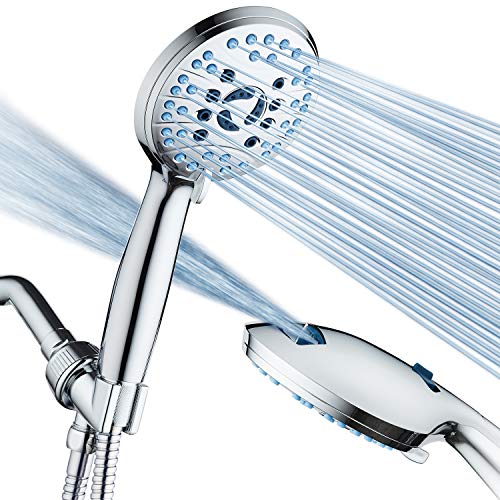
AquaCare 8-mode High Pressure Handheld Shower Head with 2-mode Power Wash
- 8-Mode High Pressure Shower Head: 8-setting 5-zone Powerhead with self-clean nozzles
- Clog-Resistant Nozzles: Remains clean and clog-free for years
- Removable Flow Regulator: Adjust water flow easily
As an affiliate, we earn on qualifying purchases.
As an affiliate, we earn on qualifying purchases.
Identifying the Causes of Low Shower Water Pressure

Have you ever wondered why your shower feels more like a drizzle than a invigorating downpour? One common culprit is a clogged shower nozzle. Over time, mineral deposits and grime can build up, greatly reducing water flow. If you notice a weak spray, check the showerhead for blockages and clean it thoroughly.
Another issue could be pipe clogs within your plumbing system. Debris can accumulate in the pipes, restricting water movement and causing low pressure. You might also want to inspect for any leaks, as they can divert water away from your shower. By addressing these problems, you can enjoy a more powerful and invigorating shower experience. Don’t let clogs dampen your daily routine!

Liquid-Plumr Pro-Strength Hair Eliminator Gel Clog Remover, Hair Clog Remover and Drain Opener, Safe for All Septic Systems and Pipes, 16 fl. oz. Bottle
- Drain Clog Remover: Specially formulated for hair clogs
- Powerful Drain Opener: Contains 70% more active ingredients
- Safe for All Pipes: Compatible with septic, PVC, plastic, and metal pipes
As an affiliate, we earn on qualifying purchases.
As an affiliate, we earn on qualifying purchases.
How Plumbing Issues Affect Shower Water Pressure
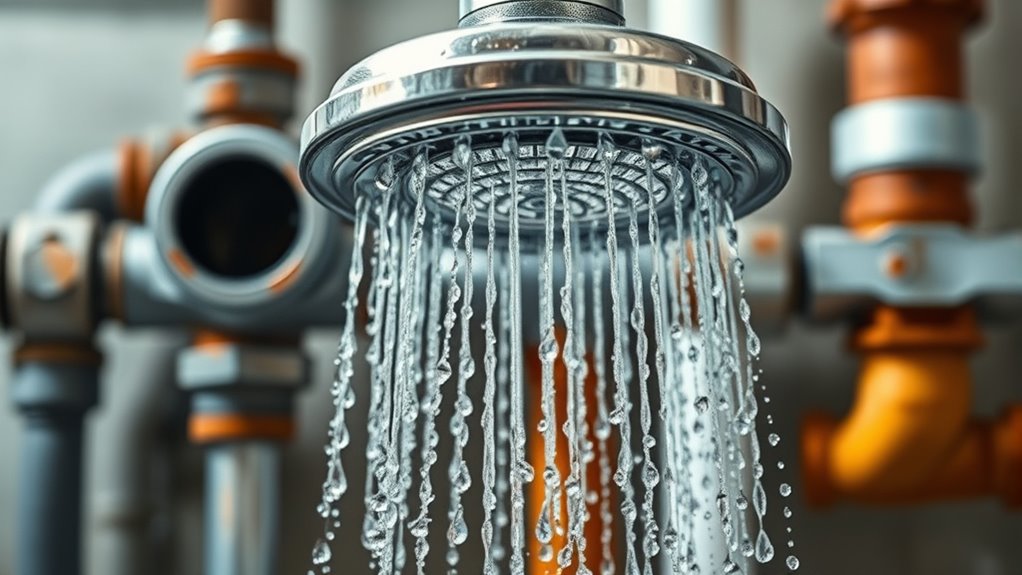
Clogs in your showerhead are just one part of the puzzle when it comes to low water pressure. You might also face issues like pipe blockages that can restrict water flow. These blockages can occur due to mineral buildup or debris, causing a noticeable drop in pressure. Additionally, valve malfunctions can create problems in your plumbing system. If the valves controlling water flow aren’t functioning properly, they may not open fully, leading to weaker water streams. It’s important to check these components regularly to guarantee peak performance. By addressing clogs, pipe blockages, and valve issues, you can greatly improve your shower’s water pressure and enjoy a more satisfying experience.
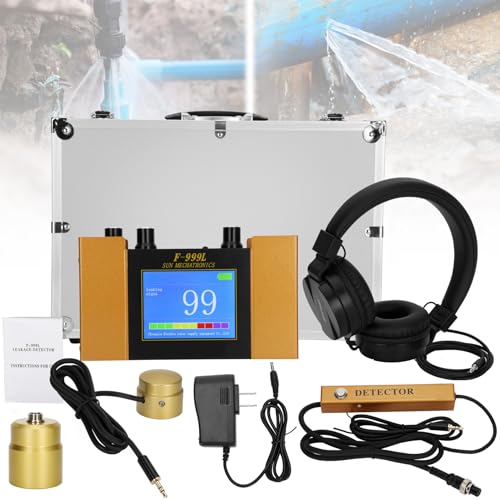
Underground Water Leak Detector, Water Pipe Leak Detector, Two Size Sensors Precise Positioning, High-Sensitivity Digital Display Leakage Sensor, Carrying Case
- Digital LCD Display: Visually locate leak points accurately
- Two Sensor Sizes: Detects leaks in various environments
- Noise-Cancelling Headphones: Ensures clear sound for precise detection
As an affiliate, we earn on qualifying purchases.
As an affiliate, we earn on qualifying purchases.
The Role of Your Home’s Age in Shower Water Pressure

As your home ages, the plumbing system can wear down, impacting your shower’s water pressure. Older pipes may corrode or accumulate mineral buildup, leading to reduced flow. If you want to maintain or improve your shower experience, consider these factors: 1. Pipe Condition: Inspect for corrosion or leaks that can hinder performance. 2. Water Pressure Regulator: Check its function; it may need adjustment or replacement. 3. Fixtures Age: Outdated showerheads may not perform well, so consider upgrades during home renovation. 4. Regular Maintenance: Schedule plumbing maintenance to catch issues before they escalate. Additionally, understanding filtration/suction basics can help prevent mineral buildup that reduces water flow. Regularly inspecting and maintaining your plumbing system can extend its lifespan, and incorporating preventative measures like water softening systems can significantly reduce mineral deposits that cause flow restrictions. Staying vigilant about home plumbing health can also help identify early signs of pressure issues before they become noticeable.

Zurn Wilkins 34-NR3XLDU 3/4" NR3XL Pressure Reducing Valve with Double Union FNPT Connection
- Compact design for tight spaces: Short lay length and compact design
- Easy repairs with cartridge design: Cartridge-loaded for simple repairs
- Versatile tailpiece options: Threaded, PEX, copper sweat, CPVC
As an affiliate, we earn on qualifying purchases.
As an affiliate, we earn on qualifying purchases.
The Impact of Showerhead Design on Water Pressure

The design of your showerhead can greatly influence your water pressure, often more than you might realize. Different showerhead styles, like handheld versus rain showerheads, can create varying pressure experiences. Handheld models may provide a more concentrated flow, while rain showerheads can disperse water over a larger area, which might feel less forceful. Additionally, the materials your showerhead is made from play a role. Metal showerheads tend to be sturdier and can affect water flow differently than plastic ones. When choosing a new showerhead, consider how its design will impact your water pressure. Opt for a style and material that suits your preferences and complements your plumbing system for the best shower experience.
Understanding Ideal Shower Water Pressure Levels

While enjoying an invigorating shower, you might not realize that ideal water pressure levels can greatly enhance your experience. Typically, the ideal pressure ranges from 40 to 60 psi. Understanding this can help you appreciate your shower more fully. Here are four key aspects of ideal pressure measurement:
- Comfort: Proper pressure provides a soothing wash without feeling harsh on your skin.
- Efficiency: Higher pressure guarantees thorough rinsing, saving you time and water.
- Water Temperature: Ideal pressure levels maintain consistent water temperature for a pleasant experience.
- Showerhead Performance: The right pressure optimizes your showerhead’s spray pattern, enhancing your overall enjoyment.
Recognizing these factors can lead to a more satisfying shower, so always keep an eye on your water pressure!
Tips for Fixing Low Water Pressure in Your Shower
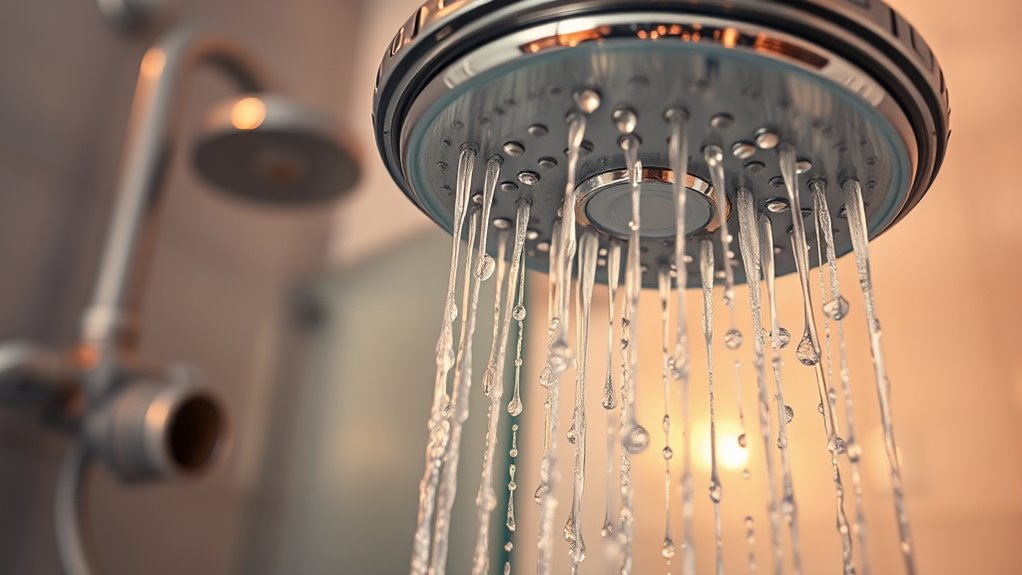
Experiencing low water pressure in your shower can be frustrating and diminish the overall enjoyment. To tackle this issue, start with some basic showerhead maintenance. Remove the showerhead and clean it thoroughly to eliminate mineral buildup that can restrict water flow. If your showerhead has a flow restrictor, consider adjusting or removing it to improve water flow regulation. Next, check for any leaks in the pipes leading to your shower, as these can also contribute to low pressure. Additionally, make sure that the main water valve is fully open. Finally, if you have a pressure regulator, adjusting it may help increase the pressure. Be aware that water pressure issues can sometimes be caused by broader plumbing system problems, so consulting a professional might be necessary for persistent problems. With these tips, you can enhance your shower experience and enjoy a more invigorating wash.
When to Call a Professional for Shower Pressure Issues?

When should you consider calling a professional for shower pressure issues? If you’ve tried fixing it yourself and things haven’t improved, it might be time to get expert help. Here are some signs to look out for:
If DIY fixes haven’t worked, it may be time to call a professional for shower pressure problems.
- Persistent Low Pressure: If the issue continues despite your efforts at shower maintenance.
- Strange Noises: Unusual sounds from your plumbing could indicate a deeper problem.
- Water Quality Issues: If you notice discoloration or sediment in your water, a plumbing inspection is necessary.
- Frequent Leaks: If you encounter leaks around your shower fixtures, this could signal underlying plumbing issues.
Addressing these problems promptly can save you from costly repairs down the line and guarantee your shower functions efficiently.
Simple Upgrades to Enhance Your Shower Experience
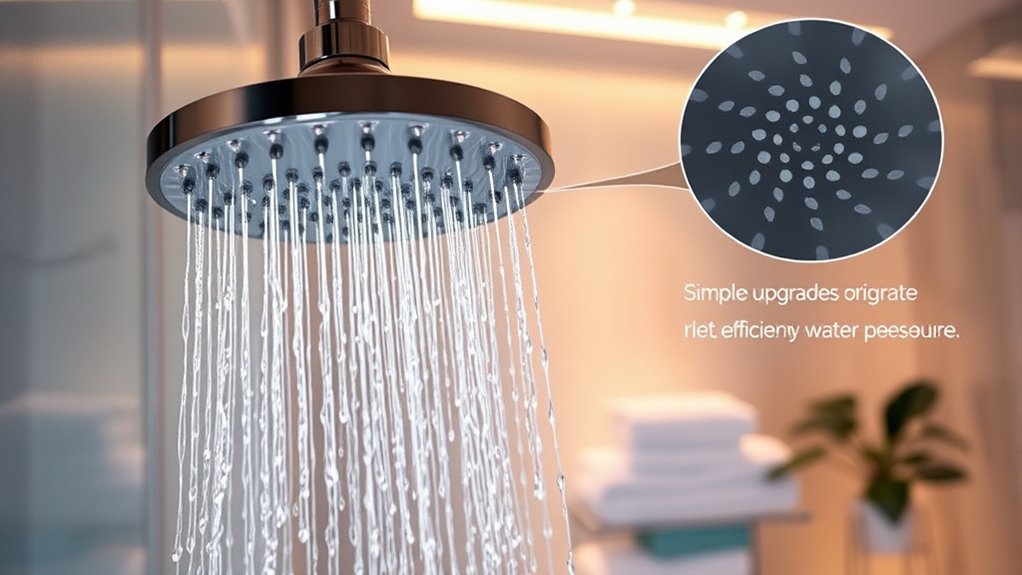
If you’ve tackled your shower pressure issues and are ready to enhance your experience, there are several simple upgrades you can consider. Start by installing water-saving fixtures like low-flow showerheads, which maintain strong pressure while conserving water. These fixtures can help you enjoy a rejuvenating shower without feeling wasteful.
Next, consider adding a pressure-boosting system. This device can considerably increase your water pressure, providing a more invigorating shower. It’s especially useful in homes with low water pressure. Water conservation techniques can also be integrated to ensure your upgrades are eco-friendly and cost-effective. Proper pipe maintenance is essential to prevent mineral buildup that can reduce water flow and pressure.
Lastly, don’t overlook the importance of maintaining clean showerheads and pipes to guarantee peak flow. Smart controls can also optimize water flow and temperature for an eco-friendly and comfortable shower experience. With these upgrades, you’ll transform your shower into a luxurious retreat that combines comfort and efficiency. Enjoy your revitalized shower experience!
Frequently Asked Questions
How Can I Measure My Shower Water Pressure Accurately?
To measure your shower water pressure accurately, you’ll need a pressure gauge, which you can find at hardware stores. First, remove the showerhead and attach the gauge directly to the shower arm. Turn on the water fully and read the pressure displayed on the gauge. This’ll give you a clear idea of your water pressure. If it’s lower than expected, you might want to investigate potential issues in your plumbing system.
Does Water Temperature Affect Shower Water Pressure?
When it comes to showering, you’ve probably heard that “you can’t have your cake and eat it too.” Water temperature can indeed affect your shower’s water pressure. As you heat water, it expands, which can alter pressure regulation in the pipes. If your hot water is too high, it might lead to reduced pressure. So, keep an eye on the temperature; finding the right balance can enhance your shower experience!
Can Shower Water Pressure Impact My Water Bill?
Yes, shower water pressure can impact your water bill. Higher pressure usually means more water usage, leading to increased costs. If you’re using a high-pressure system, you might be unknowingly wasting water. By implementing pressure regulation devices, you can optimize your shower experience while reducing your water consumption. This not only conserves water but also helps lower your bill. So, it’s smart to contemplate both pressure and efficiency!
What Are Common Showerhead Types for Better Pressure?
If you’re looking for better shower pressure, high pressure showerheads and handheld showerheads are great options. High pressure showerheads are designed to increase water flow, giving you a more invigorating shower experience. Handheld showerheads offer flexibility, allowing you to direct the water where you need it most. Both types can make your shower feel more powerful and enjoyable, helping you wash away the day’s stresses effectively. Consider upgrading for a rejuvenating change!
How Often Should I Clean My Showerhead for Optimal Pressure?
You should clean your showerhead every few months to maintain ideal pressure. Did you know that nearly 75% of households experience mineral buildup in their showerheads? Regular showerhead maintenance prevents clogs and guarantees a steady flow. Simply soak your showerhead in a vinegar solution to dissolve mineral deposits effectively. By staying on top of this cleaning routine, you’ll enjoy invigorating showers and consistent water pressure, making your bathing experience more enjoyable.
Conclusion
In the quest for the perfect shower, low water pressure can be a frustrating hurdle, yet it often reveals deeper plumbing issues lurking beneath the surface. While older homes may struggle with outdated systems, modern designs can enhance your experience with invigorating sprays. By understanding the balance between these factors, you can take proactive steps to improve your shower. Remember, sometimes a simple fix leads to a luxurious escape, and knowing when to call a pro can save you from a waterfall of troubles.