To choose a security camera system, start by identifying your common security concerns, like home invasion or vandalism. Next, assess your specific needs and vulnerabilities, considering local crime rates. Explore different types of systems, both indoor and outdoor. Set a realistic budget that covers installation and maintenance, and prioritize key features like image quality and night vision. Finally, think about storage solutions for your footage. By following these steps, you can make a more informed decision.

Get the little things that make your day delivered free with Prime
- Fast, free delivery on millions of items
- Prime Video, Amazon Music and more included
- Member-only deals all year
Key Takeaways
- Assess your security needs by evaluating vulnerabilities and prioritizing areas to protect in your home or business.
- Determine a budget by analyzing costs for cameras, installation, and maintenance, while considering long-term durability.
- Choose the right type of cameras based on coverage needs, such as indoor, outdoor, or specialized options.
- Focus on essential features like image quality, night vision, and weatherproof ratings to ensure effective monitoring.
- Conduct a risk assessment considering local crime rates and potential impacts of security breaches to tailor your camera system.
As an affiliate, we earn on qualifying purchases.
Identify Common Security Concerns
What keeps you up at night when it comes to your home or business security? You might worry about the threat of home invasion or the potential for vandalism. These concerns are valid, as both can lead to significant loss and emotional distress. You want to guarantee that your property is protected against intruders and malicious acts. Think about the areas most vulnerable to these threats, like entry points, windows, and parking lots. Effective vandalism prevention starts with proper lighting and surveillance. Installing a security camera system can act as a deterrent and provide essential evidence in case of an incident. Additionally, choosing a reliable security system with weather-resistant cameras can ensure consistent monitoring regardless of weather conditions. By addressing these common security concerns, you can sleep a little easier knowing you’ve taken steps to protect what matters most.
night vision indoor security cameras
As an affiliate, we earn on qualifying purchases.
As an affiliate, we earn on qualifying purchases.
Understand Your Security Needs
To effectively choose a security camera system, you need to first understand your specific security needs. Start by evaluating your security priorities, such as the areas you want to protect and the types of incidents you want to deter. Conduct a risk assessment to identify vulnerabilities in your property, whether it’s your home or business. Consider factors like crime rates in your area, the value of your assets, and the potential impact of a security breach. By pinpointing these elements, you can tailor your camera system to effectively address your concerns. This focused approach not only enhances your security but also guarantees you invest in the right technology for your unique situation.
weatherproof surveillance cameras
As an affiliate, we earn on qualifying purchases.
As an affiliate, we earn on qualifying purchases.
What Types of Security Camera Systems Should You Consider?
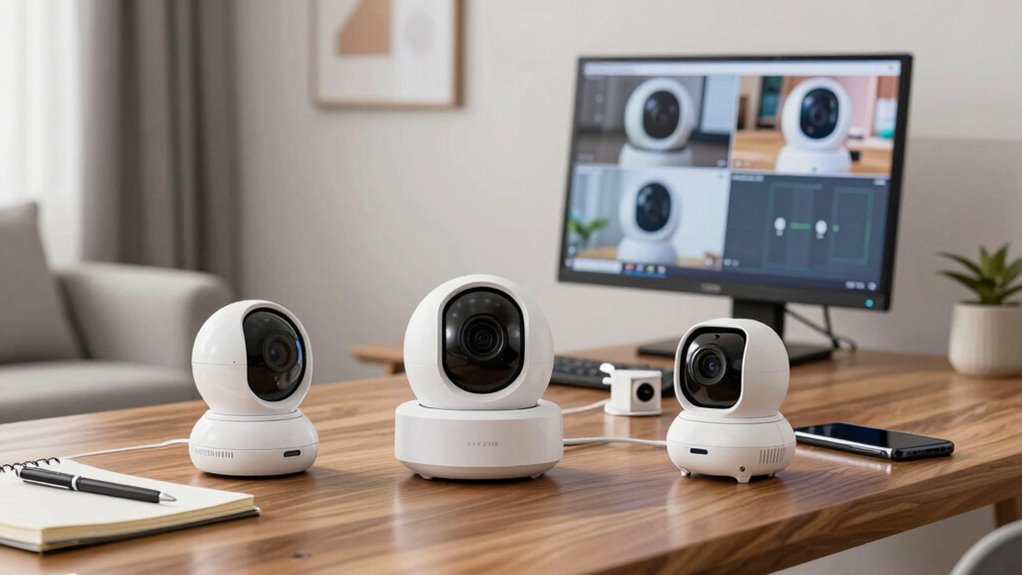
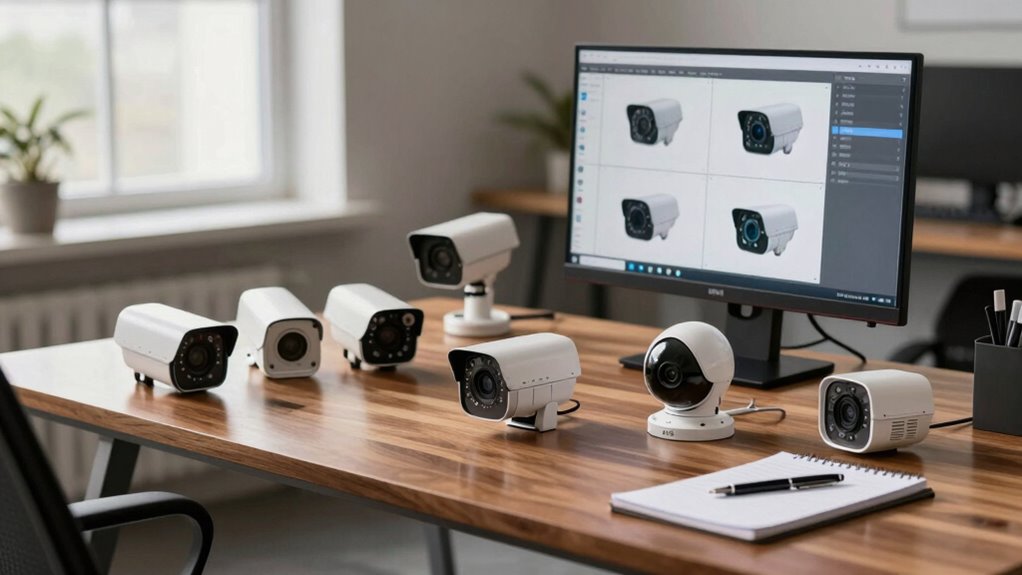
When considering a security camera system, you’ll find various options tailored to different needs and environments. It’s important to choose between indoor cameras and outdoor cameras based on your specific security requirements.
Here’s a quick comparison:
| Camera Type | Features |
|---|---|
| Indoor Cameras | Discreet, low-light capability |
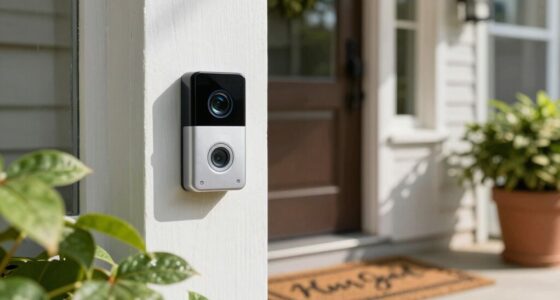
| Outdoor Cameras | Weather-resistant, night vision |
Indoor cameras are great for monitoring activity inside your home, while outdoor cameras provide a wider field of view and durability against the elements. Think about where you need coverage and what features matter most to you. This will help you make an informed decision that suits your security needs effectively.
home security camera storage solutions
As an affiliate, we earn on qualifying purchases.
As an affiliate, we earn on qualifying purchases.
Determine Your Budget for a Security Camera System
Setting a budget for your security camera system is essential to ensuring you get the right features without overspending. Start by conducting a cost analysis of various systems to understand the price range. Consider what’s most important to you—more cameras, higher resolution, or advanced features can greatly impact your budget allocation. Additionally, evaluate smart home safety devices that can integrate seamlessly with your security system for comprehensive protection. Assessing off-road gear options and their features can also help you identify the most reliable and cost-effective components for your setup. Researching top product roundups can provide insights into popular and highly rated options to inform your choices. Keep in mind that security system durability is crucial for long-term investment, so prioritize quality alongside cost. After identifying your priorities, set a realistic budget that includes not just the cameras but also installation and potential maintenance costs. Be prepared to adjust your budget based on your findings; you might discover that some features are worth the investment. Remember, investing wisely now can save you money and headaches later, so take the time to evaluate your options carefully before making any decisions.
Essential Camera Features to Consider
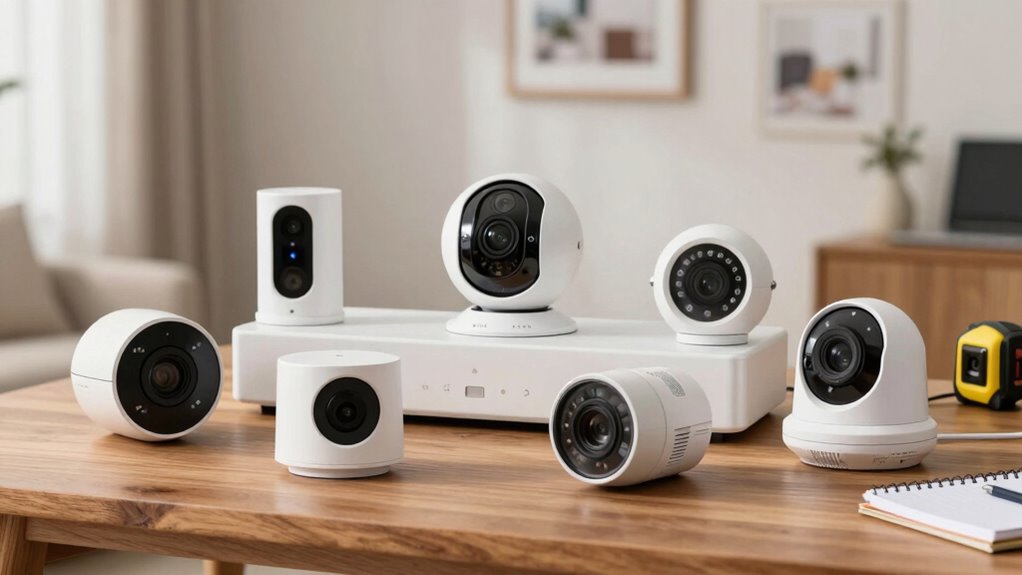
As you explore security camera options, it’s crucial to focus on essential features that meet your specific needs. First, consider image quality; high-resolution cameras provide clearer visuals, making it easier to identify faces or license plates. Look for cameras with at least 1080p resolution for peak clarity.
Next, don’t overlook night vision capabilities. A camera with good night vision guarantees reliable monitoring after dark, utilizing infrared technology to capture images in low light.
Also, think about field of view and whether you need pan-tilt-zoom functionality for broader coverage. Finally, check for weatherproof ratings if you plan to install cameras outdoors. Prioritizing these features will help you select a camera system that effectively protects your property.
Storage Solutions for Your Recorded Footage
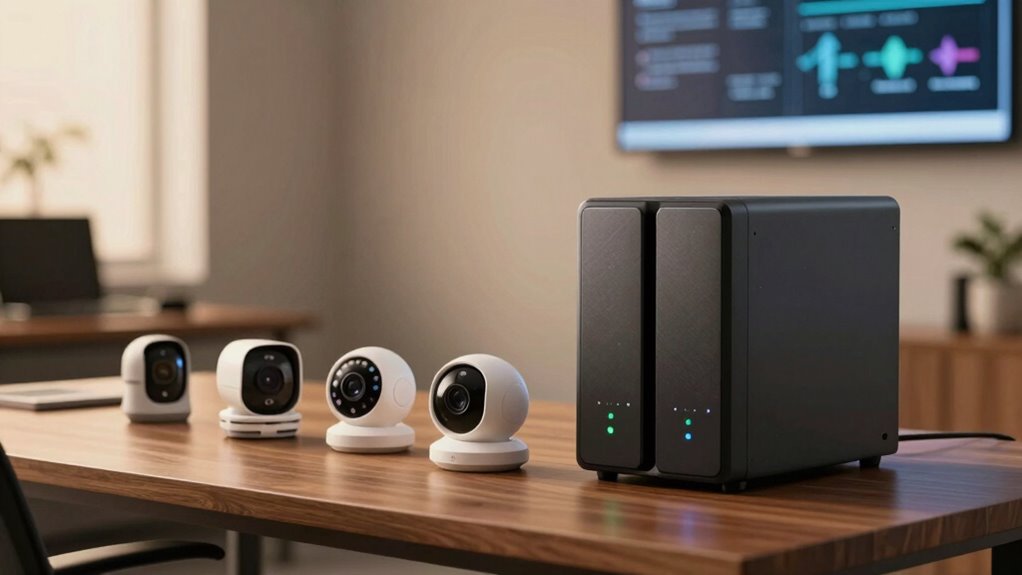
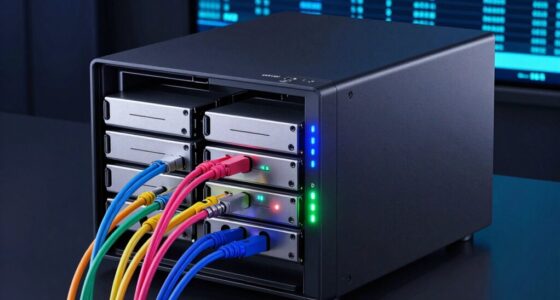
Choosing the right storage solution for your recorded footage is essential to ensuring you have access to important security data. You can choose between cloud storage and local storage, each with its benefits and drawbacks.
| Storage Type | Pros/Cons |
|---|---|
| Cloud Storage | Accessible anywhere, but may incur monthly fees. |
| Local Storage | One-time cost, but limited access and requires physical space. |
| Cloud Storage | Scalable to your needs, but dependent on internet speed. |
| Local Storage | Faster retrieval, but vulnerable to theft or damage. |
| Cloud Storage | Automatic backups, but less control over data security. |
Consider your specific needs and preferences to find the best option for your security system.
How to Install and Maintain Your Security System
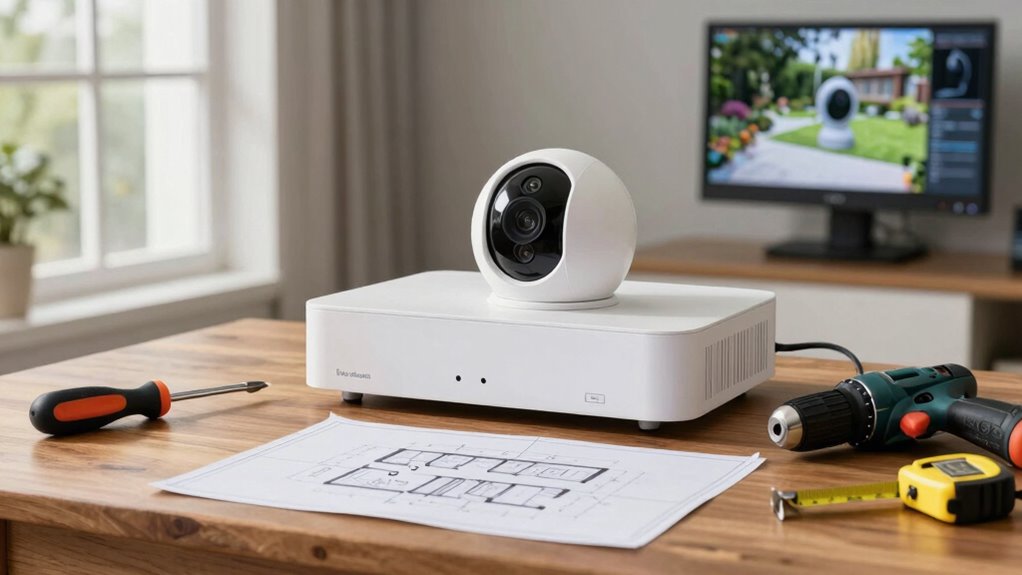
Installing and maintaining your security system can feel overwhelming, but breaking it down into manageable steps makes the process easier. Start with installation tips: choose locations that maximize coverage, make certain cameras are weatherproof, and follow wiring guidelines for a neat setup. After installation, test each camera to confirm it’s functioning correctly.
For maintenance, create a maintenance checklist. Regularly inspect your cameras for dirt or obstructions, and clean the lenses to guarantee clear footage. Check connections and cables for wear, and update firmware periodically to keep your system secure. Finally, review recorded footage often to verify your system’s effectiveness. By following these steps, you’ll keep your security system running smoothly and efficiently.
Frequently Asked Questions
How Do I Choose the Right Camera Resolution?
To choose the right camera resolution, consider the camera types you need for your space. Higher resolutions, like 4K, offer better detail, making it easier to identify faces and license plates. However, if you’re covering a larger area, 1080p might be sufficient, balancing quality and storage. Think about the resolution benefits, like clarity and zoom capability. Ultimately, match the resolution to your specific security needs for ideal results.
Can I Integrate My Security System With Smart Home Devices?
Yes, you can integrate your security system with smart home devices! Many modern security cameras offer smart home integration, enhancing your home’s safety and convenience. You’ll want to check for device compatibility, ensuring your cameras work seamlessly with your existing smart home setup. Don’t worry if you’re not tech-savvy; most systems have user-friendly apps that simplify the process. Embrace the benefits of a connected home and enjoy peace of mind!
What Are the Best Brands for Security Cameras?
When you’re looking for the best brands for security cameras, consider top security names like Arlo, Ring, and Nest. Each offers unique features that cater to different needs. Arlo’s known for its wireless options, while Ring excels in smart home integration. Nest stands out with its AI capabilities. Do a brand comparison to find which fits your requirements, budget, and style. Ultimately, choose a brand that aligns with your security goals.
How Do I Remotely Access My Security Camera Footage?
To remotely access your security camera footage, you’ll need to adjust your camera settings first. Make sure your camera’s connected to Wi-Fi and has a compatible app installed on your smartphone or computer. Once set up, log into the app, and you can view live feeds or recorded footage from anywhere. Always check that your internet connection is stable for smooth remote access, ensuring you stay informed about your property’s security.
What Is the Average Lifespan of a Security Camera?
The average lifespan of a security camera is around 5 to 10 years. However, with proper camera maintenance, you can extend that lifespan. Environmental factors like extreme temperatures, moisture, and exposure to sunlight can affect your camera’s durability. Regularly check for wear and tear, clean the lenses, and guarantee all connections are secure. By taking care of your camera, you’ll guarantee it continues to function effectively for years to come.
Conclusion
So, you’ve picked the perfect security camera system, and now you can finally relax, right? Ironically, the real work begins now! You’ll need to stay vigilant about installation and maintenance, or those fancy cameras might just be expensive decorations. Remember, the key to true security isn’t just having the system—it’s knowing how to use it effectively. Stay proactive, keep an eye on your setup, and enjoy the peace of mind that comes with being prepared.
Fall Picks
fall essentials
As an affiliate, we earn on qualifying purchases.