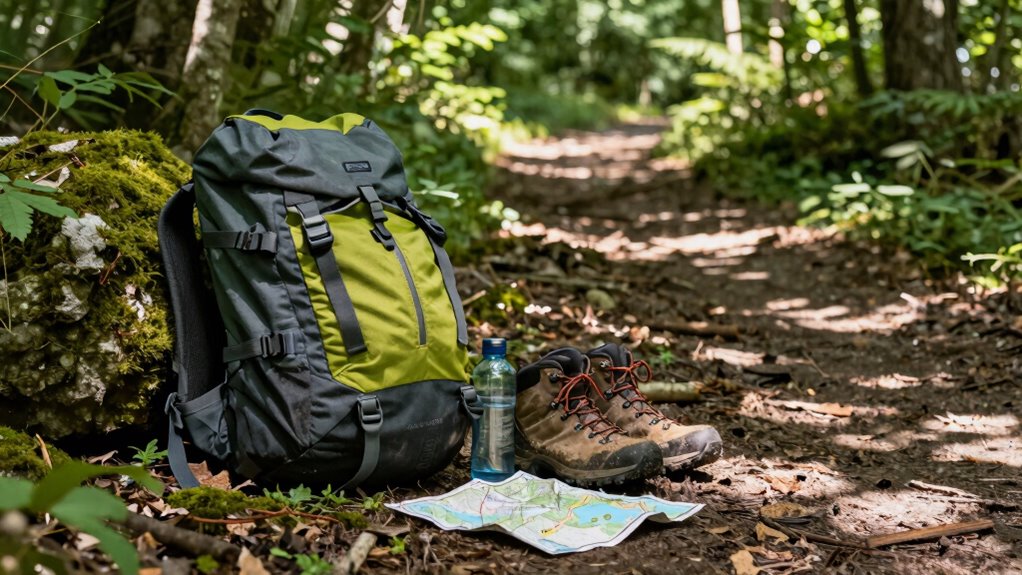

To break in a new backpack, start with light loads and gradually increase weight by 10-15% each week. Adjust straps for comfort and balance, and take short walks to help the pack mold to your body. Monitor for any discomfort like rubbing or shoulder pain, which indicates a poor fit. Keep your backpack clean and dry during this time. Want to optimize your backpack’s performance further? There’s more to explore!

Get the little things that make your day delivered free — and shop member deals
- Fast, free delivery on millions of items
- Access to Prime Big Deal Days deals on October 6–7
- Prime Video, Amazon Music and more included
Key Takeaways
- Start breaking in the backpack with light loads, gradually increasing weight by 10-15% each week for comfort.
- Practice good posture and adjust straps for balance during the break-in period to enhance support.
- Aim for a break-in period of 10 to 14 days, gradually increasing wear time with each outing.
- Test the backpack through various activities, such as hiking or urban commuting, to assess comfort and functionality.
- Regularly check and care for the backpack by wiping it down and inspecting straps to ensure durability during the break-in process.
adjustable hiking backpack straps
As an affiliate, we earn on qualifying purchases.
As an affiliate, we earn on qualifying purchases.
Why Proper Fit Matters for Comfort
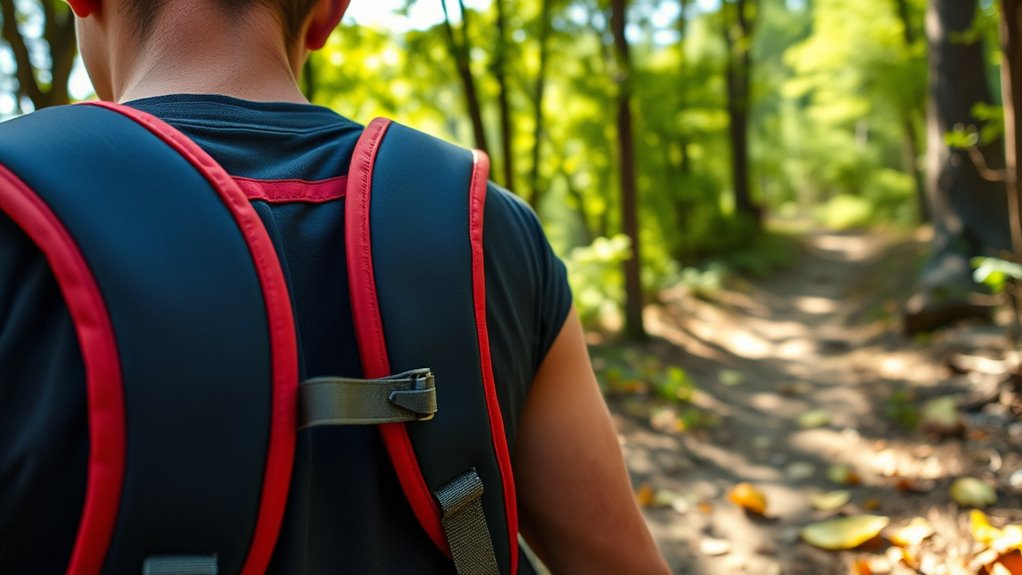
When it comes to comfort, the right fit of your backpack makes all the difference. You might be surprised how much backpack ergonomics can impact your experience. A well-fitted backpack distributes weight evenly, reducing strain on your shoulders and back. When you consider comfort factors like padding, adjustability, and weight distribution, you’ll realize how essential they are for long hikes or daily commutes. A poor fit can lead to discomfort or even pain, making it hard to enjoy your activities. So, before you head out, take the time to adjust your straps and make sure the pack sits correctly on your body. Prioritizing the right fit means you can focus on your adventure instead of your aching muscles.
ergonomic outdoor backpack with hip belt
As an affiliate, we earn on qualifying purchases.
As an affiliate, we earn on qualifying purchases.
Understanding the Right Fit for Your Backpack
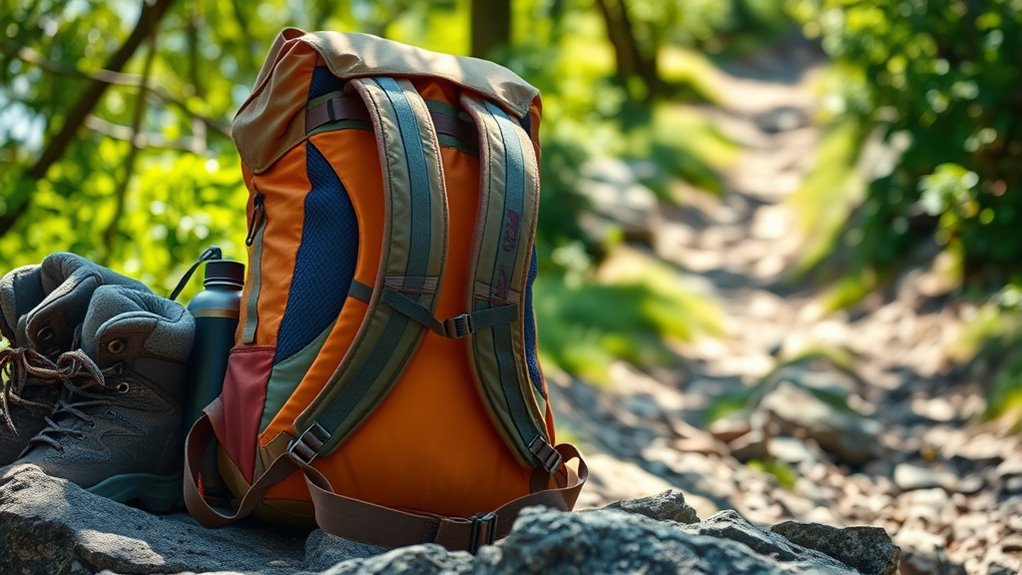
Finding the right fit for your backpack is key to maximizing comfort and functionality. When choosing the perfect backpack, consider both your body shape and the backpack dimensions. A well-fitted backpack distributes weight evenly, preventing strain during use. Here are some tips to guarantee you get the right fit:
Choosing the right backpack fit enhances comfort and functionality, ensuring weight is evenly distributed for strain-free use.
- Measure your torso length for accurate sizing.
- Choose a backpack that matches your body shape—narrow or wide.
- Opt for adjustable straps to customize the fit.
- Make certain the hip belt sits comfortably on your hips.
- Test the backpack with weight to see how it feels.
lightweight backpack for break-in
As an affiliate, we earn on qualifying purchases.
As an affiliate, we earn on qualifying purchases.
Adjusting Straps for Optimal Support
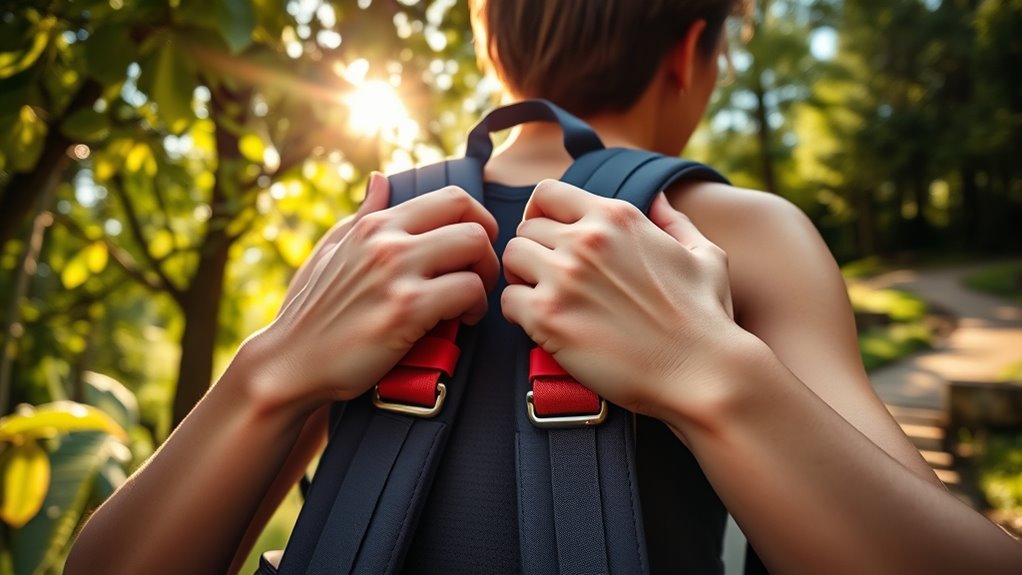
To get the most out of your new backpack, start by adjusting the straps to the proper length. This guarantees even weight distribution, which can greatly enhance your comfort during long hikes. A well-fitted backpack makes all the difference in your overall experience.
Find Proper Length Adjustment
How can you verify your backpack fits just right? Proper length adjustment is essential for comfort and support. Here are some effective length adjustment techniques to help you find the ideal fit:
- Start with the shoulder straps: Adjust them so they sit comfortably on your shoulders without pinching.
- Check the load lifters: These straps should angle upwards to help distribute weight properly.
- Position the hip belt: Confirm it rests snugly on your hips for better weight distribution.
- Test the sternum strap: This should sit across your chest, connecting the shoulder straps without restricting movement.
- Stand up straight: Walk around to see if the backpack shifts or feels unbalanced.
With proper strap positioning, you’ll enjoy a more comfortable experience while breaking in your new backpack.
Ensure Even Weight Distribution
Once you’ve adjusted the length of your backpack, it’s time to guarantee even weight distribution for ideal support. Start by adjusting the shoulder straps so they fit snugly but comfortably on your shoulders. This helps with load balancing, ensuring the weight is evenly spread across your back. Don’t forget to adjust the hip belt; it should sit just above your hips to transfer some weight away from your shoulders, enhancing weight management. If your backpack has a sternum strap, use it to stabilize the load further. Finally, take a moment to stand up straight and feel how the weight is distributed. Making these adjustments will not only improve comfort but also help you carry your gear more efficiently on your adventures. Proper fit is essential for preventing strain and ensuring long-term comfort during extended wear.
As an affiliate, we earn on qualifying purchases.
Gradually Adding Weight While Breaking In Your Backpack
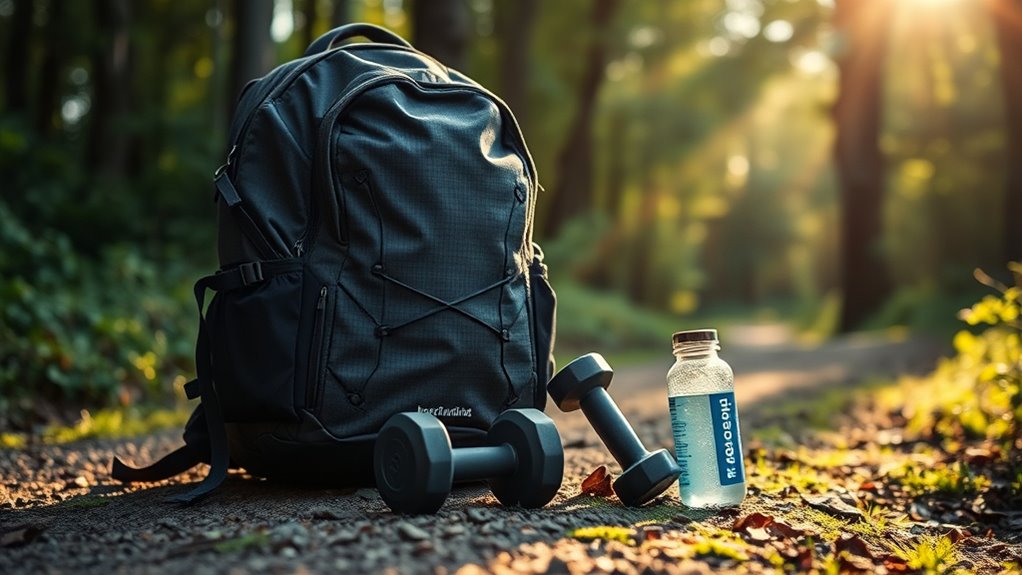
To break in your new backpack effectively, start with light loads that won’t overwhelm you. As you get comfortable, gradually increase the weight according to a plan that suits your needs. This approach helps your backpack adjust while ensuring you stay comfortable and supported.
Start With Light Loads
Starting with light loads is essential for breaking in your new backpack effectively. When you first get your backpack, you want to make sure it adapts to your body while keeping the initial load manageable. Using lightweight materials in your gear can help ease this process. Here are some tips for starting with light loads:
- Pack only essential items
- Choose lightweight clothing
- Include a water bottle with minimal liquid
- Add snacks instead of heavy meals
- Use smaller gear for practice hikes
Gradual Weight Increase Plan
After you’ve gotten comfortable with light loads, it’s time to gradually increase the weight in your backpack. Start by adding a few extra pounds—maybe some water bottles or snacks. Pay attention to how your body responds and make gradual adjustments as needed. This approach helps with weight management, ensuring you don’t overload yourself too quickly. Aim to increase the weight by about 10-15% each week, giving your body time to adapt. Remember to practice good posture and adjust the straps to maintain balance. This method not only builds your endurance but also helps your backpack settle into its shape. Soon enough, you’ll be ready for longer hikes with a fully loaded pack without discomfort.
Take Short Walks to Break In Your Backpack
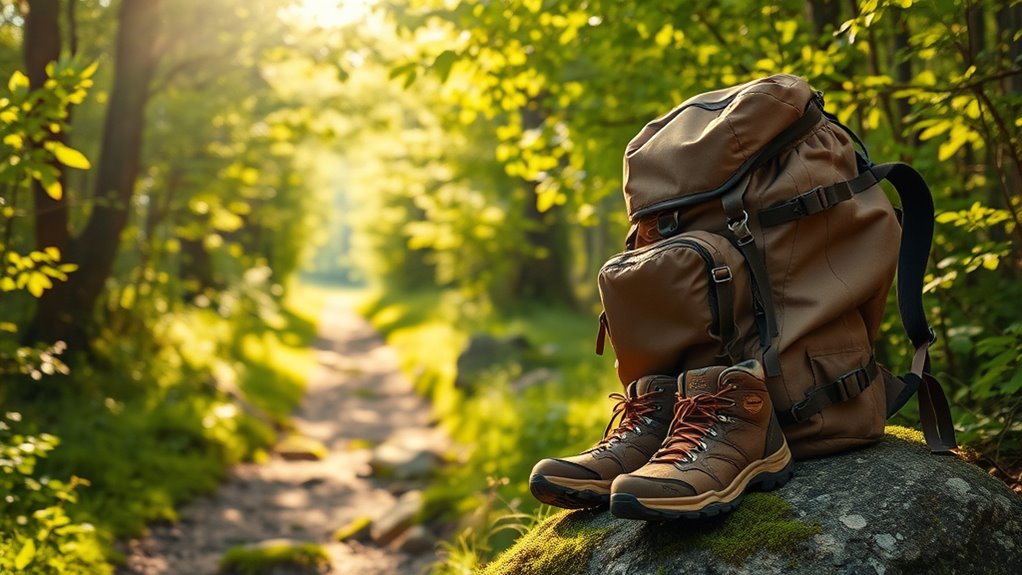
One of the best ways to break in your new backpack is by taking short walks with it. Whether you’re enjoying short hikes in nature or urban strolls through your neighborhood, these outings help you get familiar with how your backpack feels. Start with 20-30 minute walks and gradually increase the time as you adjust. Here are some tips to make the most of your walks:
Break in your new backpack with short walks, gradually increasing duration to enhance comfort and familiarity.
- Choose varying terrains to test stability.
- Pack a light load to mimic your hiking experience.
- Take note of any discomfort for adjustments.
- Incorporate breaks to assess fit and comfort.
- Enjoy the scenery and make it a fun outing.
Tips for Efficient Packing During Break-In
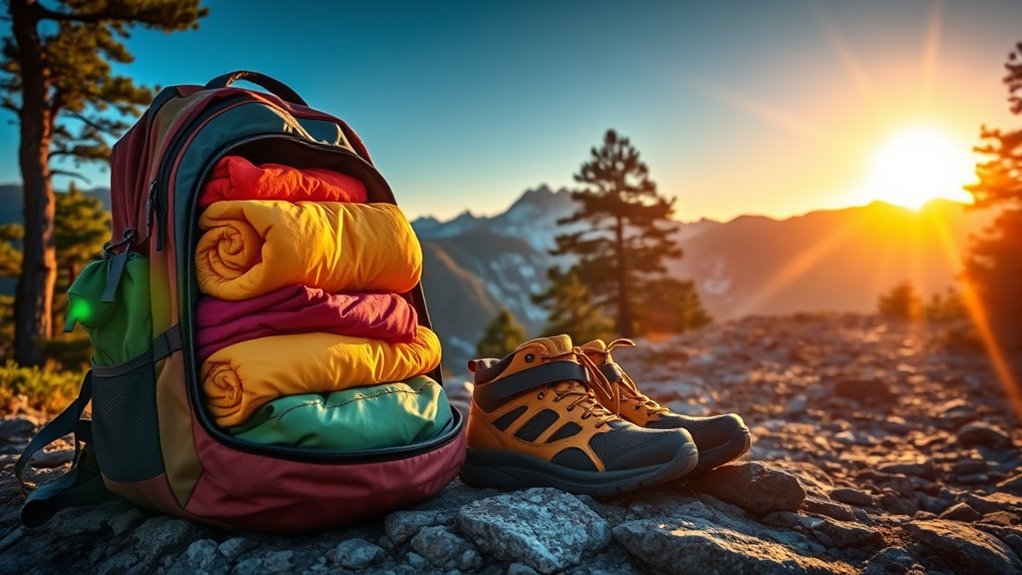
When breaking in your new backpack, efficient packing is key. You want to optimize weight distribution to make your load comfortable, and utilize all available space to avoid any unnecessary bulk. By doing this, you’ll not only ease the break-in process but also make your hikes more enjoyable.
Optimize Weight Distribution
To guarantee you get the most out of your new backpack during the break-in period, it’s essential to optimize weight distribution right from the start. Proper weight balance is vital for effective load management and helps prevent discomfort or injury.
Here are some tips to help you pack efficiently:
- Place heavy items close to your back for better support.
- Distribute weight evenly between both sides of the backpack.
- Use compression straps to stabilize your load.
- Keep frequently accessed items at the top or in external pockets.
- Avoid overloading your backpack to maintain comfort.
Utilize All Available Space
As you break in your new backpack, making the most of every available space can greatly enhance your packing efficiency. Start by practicing pack organization; consider what items you need and how they fit together. Use every compartment wisely, maximizing compartments for smaller items like snacks, chargers, or toiletries. Roll your clothes instead of folding them to save space, and stuff any gaps with socks or other lightweight items. Keep heavier items close to your back for better weight distribution and access essentials in outer pockets. Don’t overlook side pockets or hidden compartments—they can hold small, frequently used items. Additionally, understanding the pressure washer principles can help you keep your backpack clean and maintained over time. Proper pack packing techniques can also prevent damage to your belongings and extend the life of your backpack. Incorporating smart organization strategies, such as color-coding or labeled compartments, can further streamline your packing process. Being mindful of space optimization ensures your backpack remains balanced and comfortable for extended use. Remember that efficient space utilization is key to creating a balanced and comfortable pack, which can significantly improve your overall travel experience. By strategically utilizing all available space, you’ll create a more balanced and efficient pack, making your adventures much easier.
Testing Your Backpack in Different Scenarios
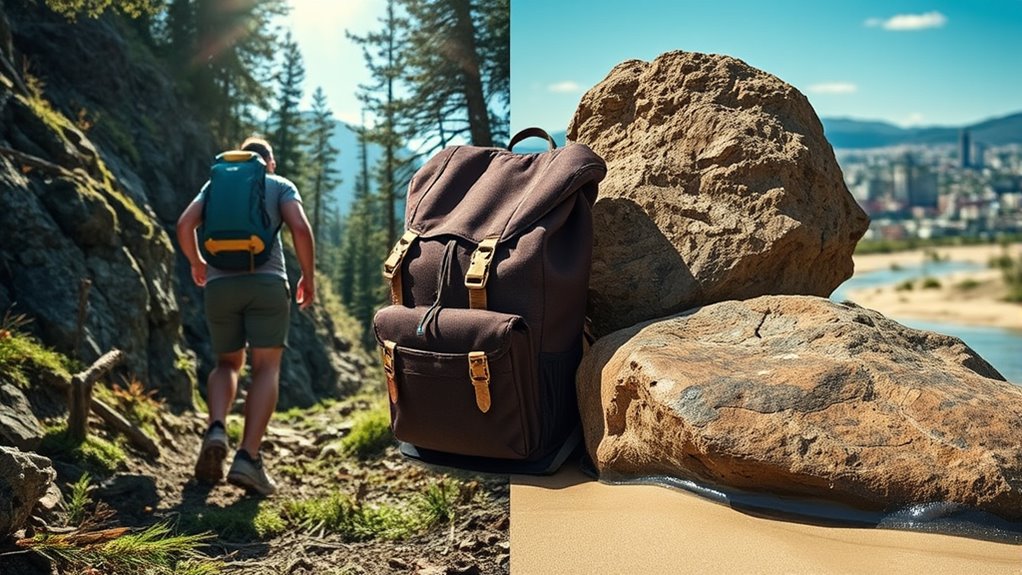
While you might be enthusiastic to hit the trails or head to class with your new backpack, testing it in various scenarios is essential for ensuring it meets your needs. Here are some situations to evaluate:
- Urban adventures: Navigate through bustling city streets to see how it handles daily commutes.
- Trail testing: Take it on a short hike to assess comfort during hiking challenges.
- Camping trips: Load it with gear for a weekend in the wilderness to evaluate capacity.
- Fitness activities: Use it during workouts to check for stability and support.
- Travel experiences: Pack it for an overnight trip to see how it performs on the go.
Recognizing Discomfort: Key Signs Your Backpack Isn’t Fitting Right
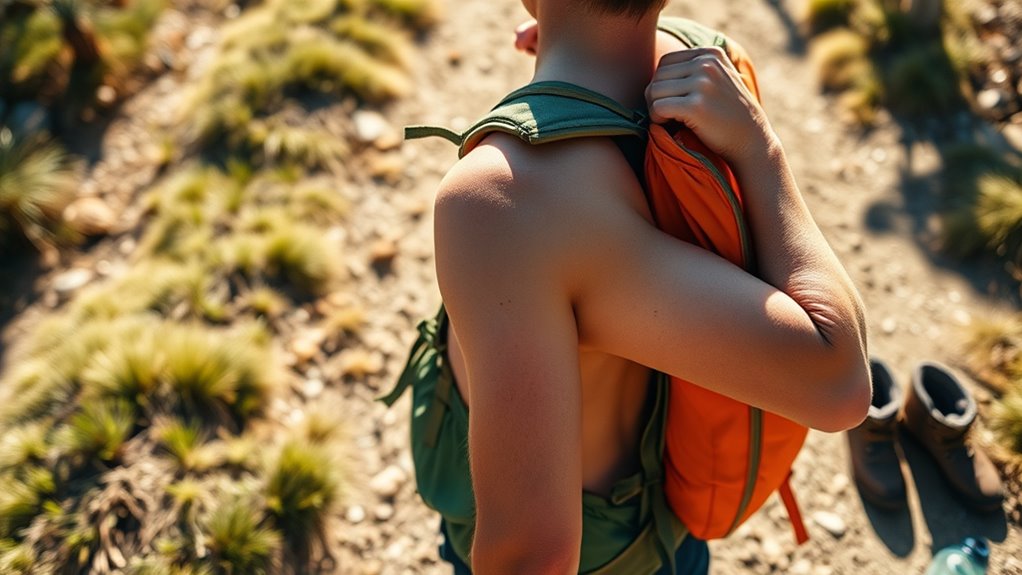
A poorly fitting backpack can turn an exciting adventure into an uncomfortable ordeal. To verify your backpack sizing is right, watch for these discomfort indicators:
| Discomfort Indicator | Possible Issue |
|---|---|
| Constant shoulder pain | Straps are too tight |
| Numbness in arms | Pack is too heavy or high |
| Lower back strain | Pack isn’t adjusted correctly |
| Rubbing or chafing | Wrong size or style |
| Difficulty maintaining balance | Improper weight distribution |
If you experience any of these signs, it’s time to reassess your backpack. Remember, a well-fitted backpack not only enhances comfort but also boosts your performance on the trail. Don’t ignore these indicators; your body will thank you later!
How to Care for Your Backpack While Breaking It In
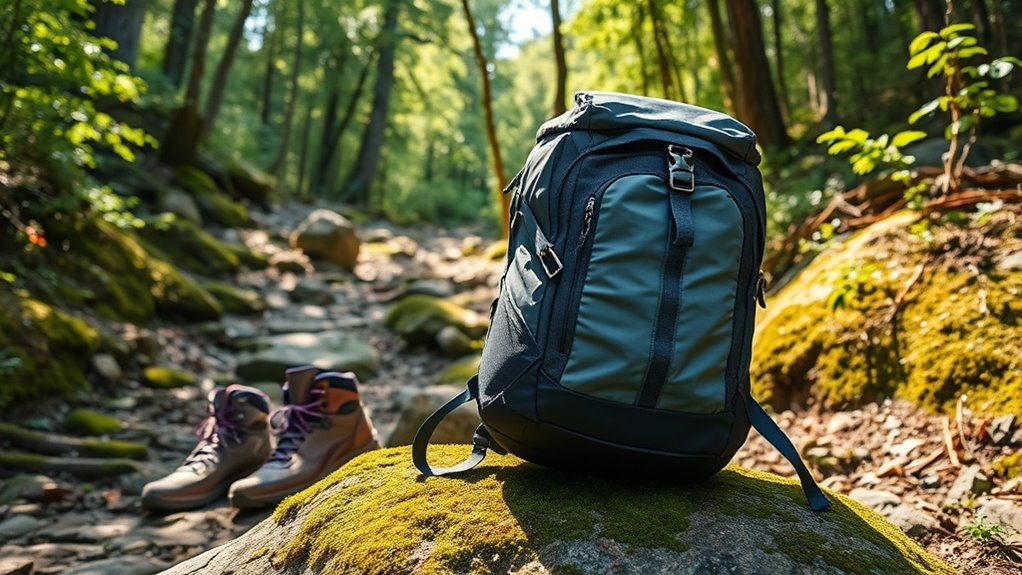
After ensuring your backpack fits well, caring for it during the break-in period is essential for longevity and performance. Implementing proper maintenance tips can help you enjoy your new gear longer. Here are some effective cleaning techniques and maintenance tips to take into account:
Caring for your backpack during the break-in period ensures its longevity and optimal performance.
- Wipe down the exterior with a damp cloth to remove dirt.
- Store your backpack in a cool, dry place when not in use.
- Avoid overloading it to prevent wear on the seams and zippers.
- Check straps and buckles regularly for any signs of wear or damage.
- Use a fabric protector to repel water and stains.
How Long Does the Break-In Process Take?
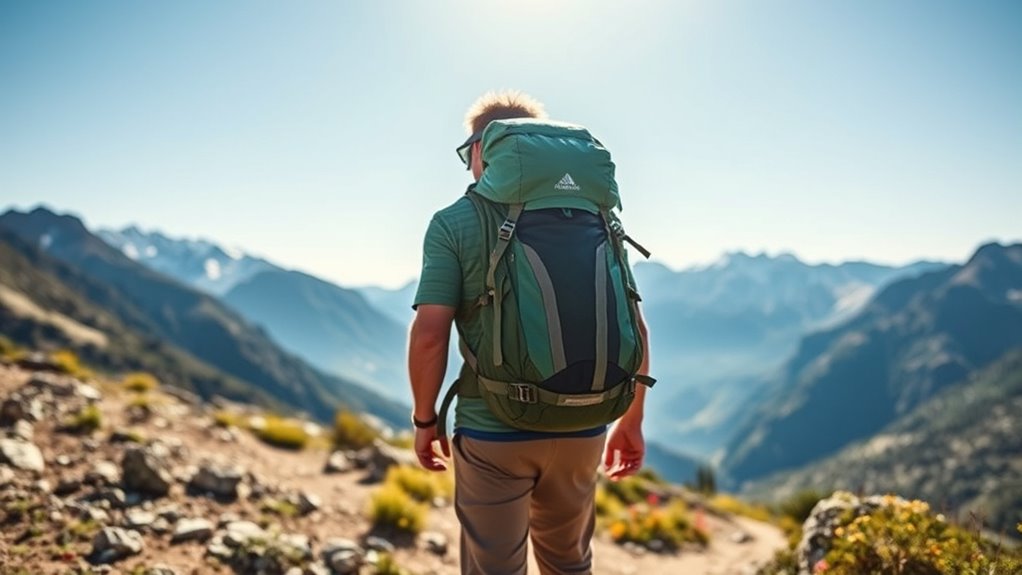
Breaking in a new backpack is an essential step to guarantee comfort and functionality during your adventures. The break-in process can vary, typically taking anywhere from a few days to several weeks, depending on the backpack materials. For instance, backpacks made from stiffer materials might require more time to soften and mold to your body. Aim for a break-in timeline of around 10 to 14 days, gradually increasing wear time with each outing. Start with short trips and progressively extend the duration as the backpack begins to feel more comfortable. Remember, patience is key; don’t rush the process, as a well-broken-in backpack will greatly enhance your overall experience on the trail.
Frequently Asked Questions
What Materials Are Best for a Comfortable Backpack?
For a comfortable backpack, look for durable fabrics like nylon or polyester, which withstand wear and tear while keeping the weight manageable. Padded straps are essential, too, as they distribute weight evenly across your shoulders, reducing strain during long hikes or commutes. Additionally, breathable materials for the back panel can enhance ventilation, keeping you cool. When you combine these features, you’ll have a backpack that feels great, no matter where you go.
Can I Break in a Backpack While Traveling?
Yes, you can break in a backpack while traveling. Start by wearing it during short excursions to help mold it to your body. Use break-in tips like adjusting the straps for comfort and loading it with your essentials, gradually increasing the weight. Take breaks to let your back rest, and consider lighter days to ease the process. Soon, your backpack travel experience will be more enjoyable as it conforms to your needs!
How Do I Clean My Backpack During the Break-In?
Did you know that a well-maintained backpack can last up to 50% longer? To clean your backpack during the break-in, start with simple cleaning techniques. Use a damp cloth to wipe down the exterior and remove dirt. For deeper cleaning, hand wash it with mild soap and water, focusing on stubborn stains. Always air dry your backpack to maintain its shape. Practicing proper backpack maintenance now will pay off in the long run!
Is It Okay to Use a New Backpack for Camping Immediately?
Yes, it’s okay to use a new backpack for camping immediately, but you should consider its camping readiness and durability. New backpacks often require some time to adjust and mold to your body, so you might experience discomfort if you don’t break it in first. However, if you’ve checked the stitching and materials for quality, you can confidently take it on your camping trip and enjoy the adventure!
What Should I Do if My Backpack Smells Bad?
A fresh backpack can feel exciting, but a bad odor can quickly dampen that joy. If your backpack smells bad, try these deodorizing techniques: first, empty it completely and shake out any debris. Then, wipe the interior with a mixture of water and vinegar. You can also sprinkle baking soda inside, let it sit overnight, and vacuum it out. Finally, air it out in a well-ventilated space to banish lingering backpack odor.
Conclusion
In your quest for comfort, remember that a well-fitted backpack is your best buddy. By gradually adjusting, adding weight, and taking those test treks, you’ll transform your new pack into a trusty travel companion. Keep an eye out for discomfort, and don’t forget to care for your gear. With patience and practice, you’ll achieve a perfect partnership with your backpack, making every adventure a delightful discovery. So, embrace the break-in process and enjoy the journey!
NFL season / tailgating Picks
team gear
As an affiliate, we earn on qualifying purchases.