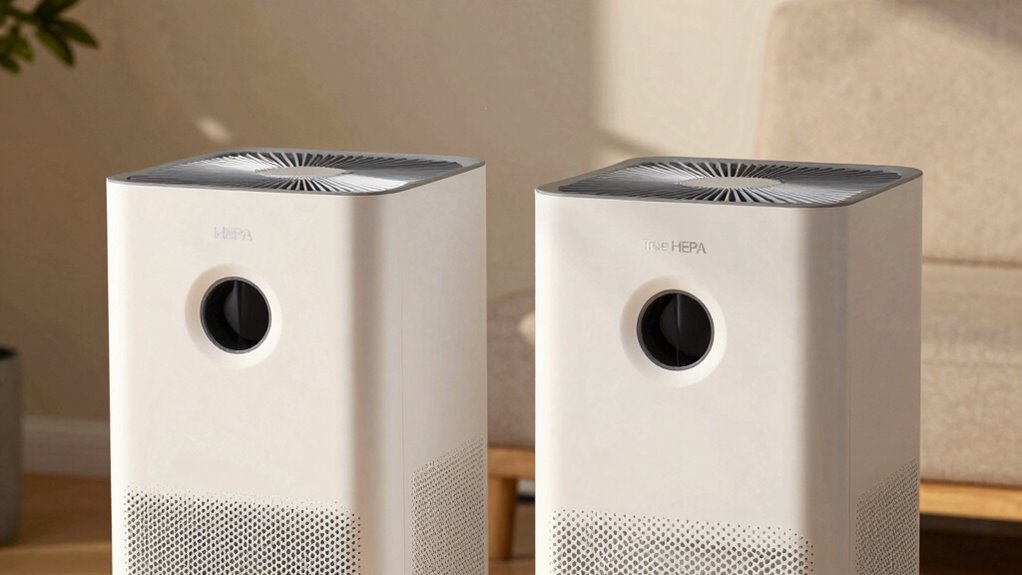

When choosing between HEPA and True HEPA filters, it’s crucial to understand their differences. True HEPA filters capture at least 99.97% of 0.3-micron particles, while standard HEPA filters may not meet this rigorous standard. This means True HEPA filters are generally more effective at trapping allergens like dust and pollen. If you’re serious about improving your indoor air quality, understanding these distinctions will help you make the best choice for your needs. Want to learn more?

Get the little things that make your day delivered free — and shop member deals
- Fast, free delivery on millions of items
- Access to Prime Big Deal Days deals on October 6–7
- Prime Video, Amazon Music and more included
Key Takeaways
- True HEPA filters meet strict regulations, capturing at least 99.97% of 0.3-micron particles, while standard HEPA filters may not achieve this efficiency.
- Standard HEPA filters can become clogged quickly, reducing their effectiveness in air purification compared to True HEPA filters.
- True HEPA filters are recommended for allergy sufferers, as they effectively trap allergens like dust mites and pollen.
- Standard HEPA filters typically lack activated carbon, limiting their ability to eliminate odors and gases compared to True HEPA options.
- Regular maintenance and replacement of filters are crucial for both True HEPA and standard HEPA filters to ensure optimal air quality.
As an affiliate, we earn on qualifying purchases.
What Are HEPA Filters and How Do They Work?
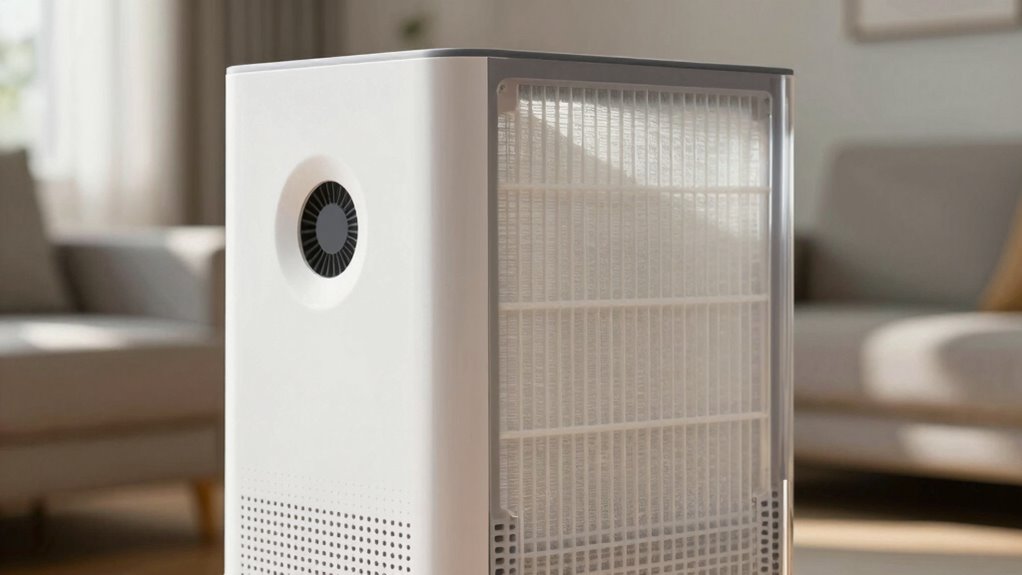
HEPA filters, or High Efficiency Particulate Air filters, are designed to capture tiny particles, making them essential for clean air. These filters work by forcing air through a fine mesh that traps pollutants, including dust, pollen, and pet dander. With their unique structure, HEPA filters can remove at least 99.97% of airborne particles that are 0.3 microns in size. You may come across various filter types, but HEPA filters stand out in the air filtration game due to their effectiveness. They’re commonly used in homes, hospitals, and workplaces to improve indoor air quality. By investing in a HEPA filter, you guarantee that you’re breathing cleaner air, which can greatly enhance your overall health and well-being.
As an affiliate, we earn on qualifying purchases.
Critical Differences in Filtration Standards Between HEPA and True HEPA Filters
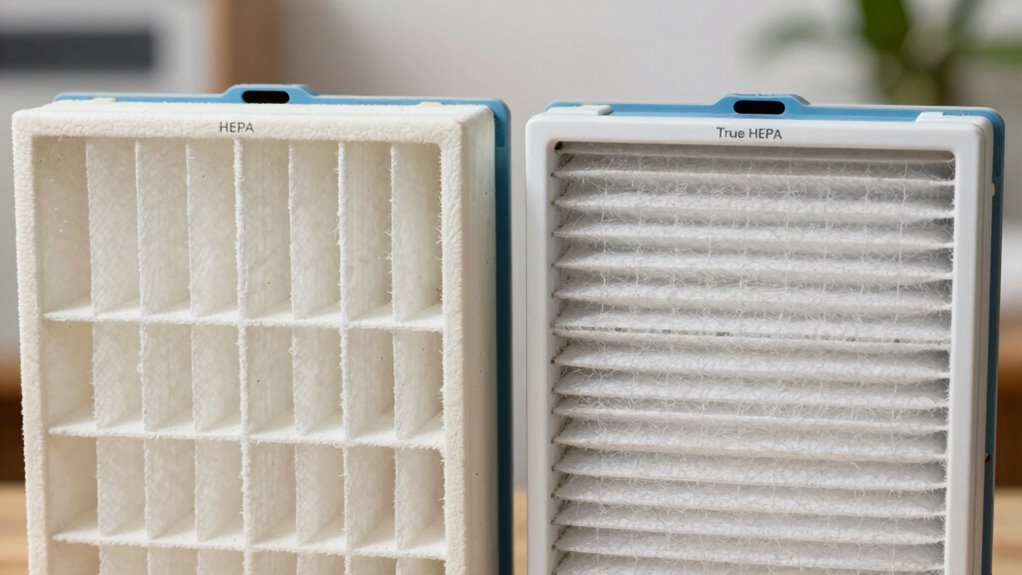
When you’re choosing between HEPA and True HEPA filters, it’s essential to understand their filtration efficiency standards. True HEPA filters must capture at least 99.97% of particles down to 0.3 microns, while standard HEPA filters may not meet these strict specifications. Knowing these differences can help you make a more informed decision about your air quality needs.
Filtration Efficiency Standards
While many people assume that all HEPA filters perform at the same level, the truth is that there’s a significant difference between standard HEPA and True HEPA filters in terms of their filtration efficiency standards. True HEPA filters must meet strict filtration regulations, capturing at least 99.97% of particles 0.3 microns in size during efficiency testing. In contrast, standard HEPA filters may not meet these rigorous requirements.
| Type | Filtration Efficiency |
|---|---|
| HEPA | 85-99% |
| True HEPA | 99.97% |
| Standard HEPA | <85% |
Understanding these distinctions can help you make informed choices about air purification and the quality of the air you breathe.
Particle Size Specifications
Understanding particle size specifications is essential for choosing the right filter for your air purification needs. HEPA and True HEPA filters differ considerably in their ability to capture particles of varying sizes, impacting filtration efficiency. Here’s what you should know:
- HEPA Filters: Can capture 99.97% of particles down to 0.3 microns.
- True HEPA Filters: Meet the same standard but often have enhanced designs for smaller particles.
- Particle Size: Smaller particles, like smoke or bacteria, require filters with higher efficiency ratings.
- Filtration Efficiency: True HEPA filters maintain consistent performance across a broader range of particle sizes, ensuring cleaner air.
air purifier with activated carbon
As an affiliate, we earn on qualifying purchases.
As an affiliate, we earn on qualifying purchases.
How Effective Are HEPA Filters Against Allergens?
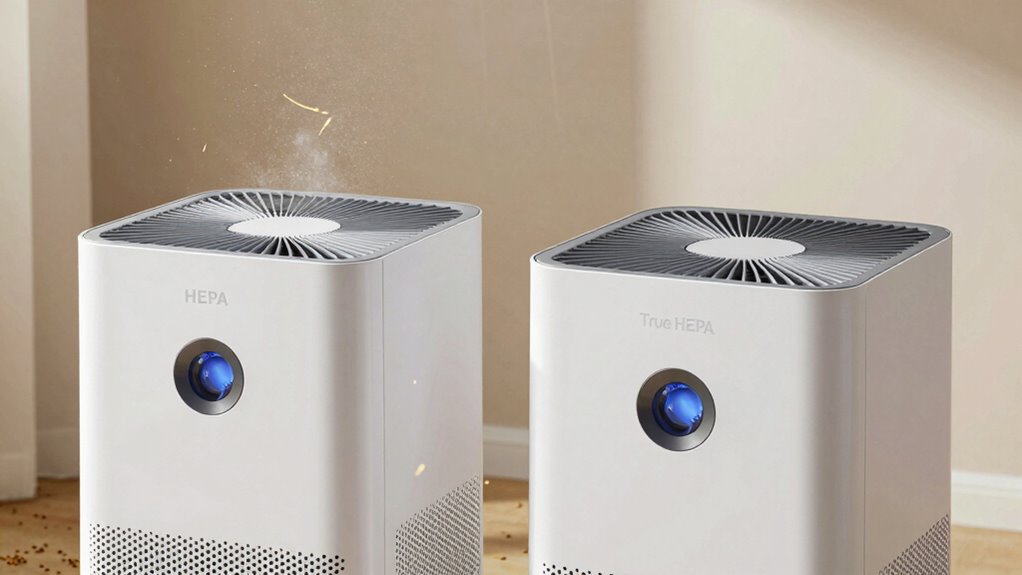
HEPA filters are highly effective at trapping allergens, making them a popular choice for improving indoor air quality. These filters can capture a wide range of allergen sources, such as dust mites, pollen, pet dander, and mold spores. By using a HEPA filter in your home, you considerably reduce the presence of these irritants, which can lead to better health outcomes, especially for allergy sufferers. Keep in mind that the filter lifespan plays a vital role in maintaining effectiveness. Over time, a HEPA filter can become clogged with captured allergens, reducing its efficiency. Regularly replacing or cleaning the filter guarantees you continue to enjoy cleaner air and minimize allergic reactions, maintaining a healthy living environment.
As an affiliate, we earn on qualifying purchases.
Limitations of Standard HEPA Filters
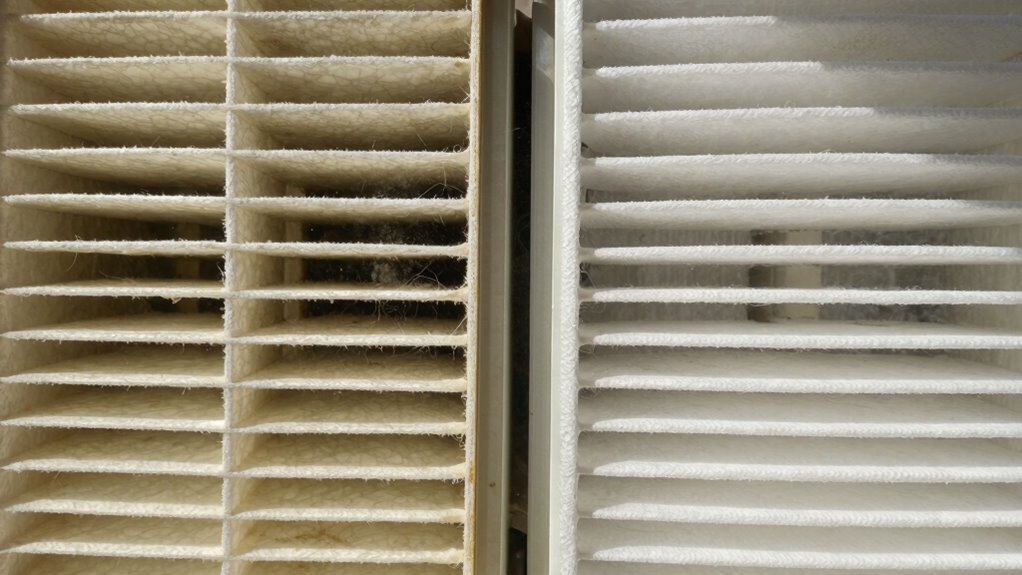
Although standard HEPA filters excel in capturing a variety of allergens, they do have some limitations that could affect their overall performance in your home. Here are four key drawbacks to evaluate:
- Standard Performance: While effective, standard HEPA filters may not capture the smallest particles, like certain viruses and bacteria.
- Filter Lifespan: They can become clogged quickly, especially in high-pollution areas, reducing their efficiency over time.
- No Activated Carbon: Standard HEPA filters typically lack activated carbon, which means they can’t effectively eliminate odors and gases.
- Maintenance Requirements: Regular replacement is essential to maintain performance, which can be inconvenient and costly.
- Filtration and Maintenance: Proper maintenance routines and understanding filtration basics are crucial for ensuring optimal air quality and filter longevity.
Understanding these limitations can help you make informed decisions about your air quality solutions.
Real-World Applications of HEPA and True HEPA Filters
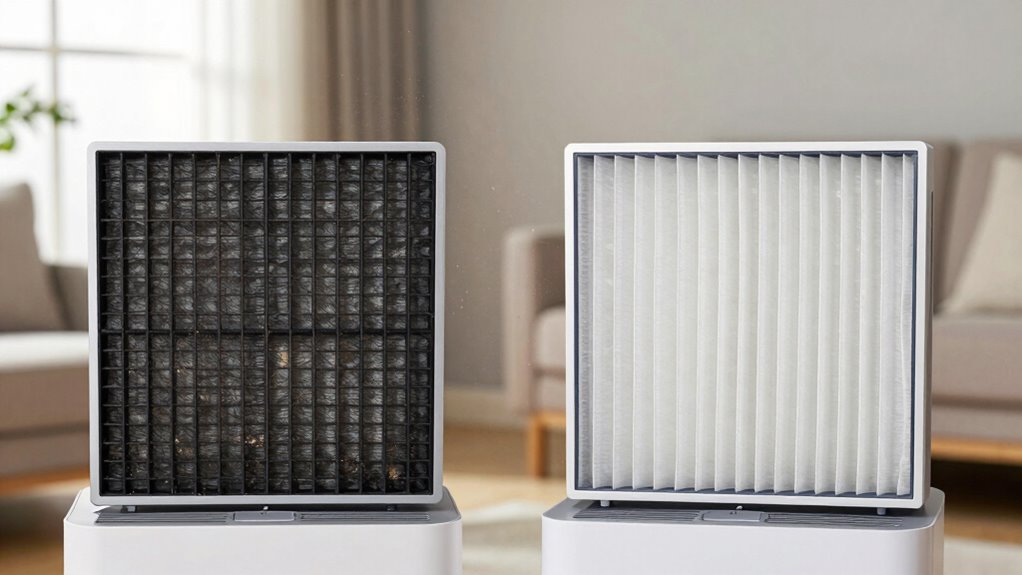
When it comes to using HEPA and True HEPA filters, you’ll find they serve essential roles in various settings. In your home, they can greatly improve air quality, while in industrial and medical environments, their effectiveness can be critical for safety and health. Understanding these applications helps you choose the right filter for your needs.
Home Air Purification
As you reflect on improving your home’s air quality, understanding the differences between HEPA and True HEPA filters becomes important. Both filter types play a key role in various air purifier types, but knowing which is best for you can make a difference.
Here are some key points to ponder:
- Efficiency: True HEPA filters capture 99.97% of particles down to 0.3 microns, while standard HEPA filters may not meet this standard.
- Allergens: If you’re sensitive to allergens, True HEPA filters provide superior protection against dust, pollen, and pet dander.
- Maintenance: Regularly replacing filters is essential to maintaining ideal indoor air quality.
- Cost: True HEPA filters often cost more, but the investment can greatly enhance your home’s air purification effectiveness.
Industrial Applications
In industries where air quality is critical, HEPA and True HEPA filters are crucial for maintaining a safe environment. You’ll find these filters used in various industrial processes, from manufacturing to pharmaceuticals, where airborne contaminants can compromise safety and product integrity. By capturing particles as small as 0.3 microns, they guarantee clean air is circulated, protecting both workers and equipment.
Furthermore, investing in quality filters enhances filter longevity, reducing the frequency of replacements and maintenance costs. This efficiency is essential in high-demand environments, allowing you to focus on productivity without worrying about air quality issues. Ultimately, choosing the right filter can lead to improved operational performance and a healthier workplace for everyone involved.
Medical Environments
While maintaining air quality is essential in various sectors, it’s especially critical in medical environments where the safety of patients and staff is paramount. In these medical settings, using HEPA and True HEPA filters can greatly impact health outcomes. Here are four key applications you should consider:
- Operating Rooms: HEPA filters help eliminate airborne pathogens during surgeries.
- Patient Rooms: True HEPA filters reduce allergens and irritants, promoting healing.
- Pharmacies: Proper filtration guarantees the integrity of sterile products.
- Laboratories: HEPA filters protect sensitive experiments from contamination.
How to Choose the Right Filter for Your Needs
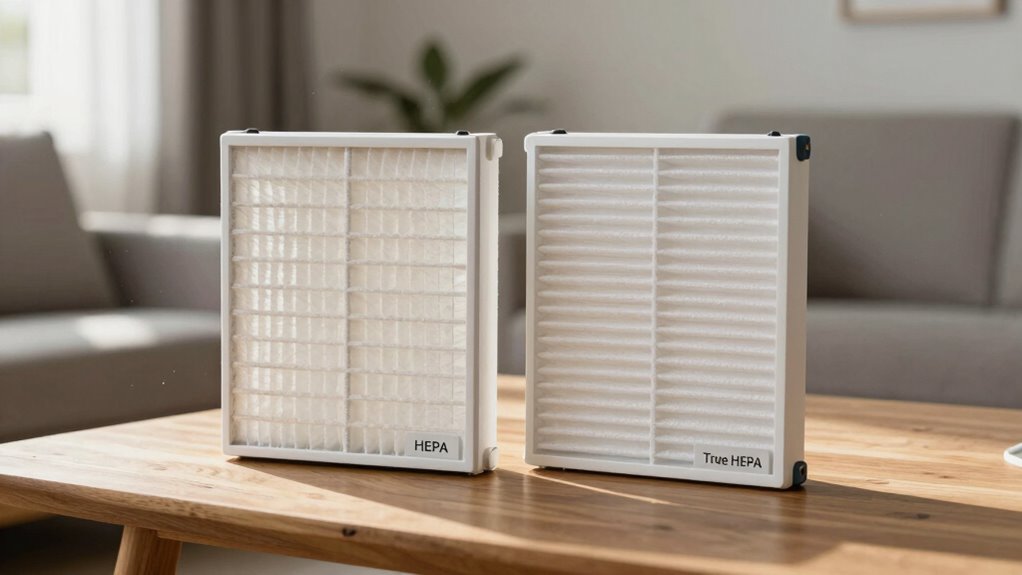
How do you know which filter is right for your space? Start by evaluating your user needs. If you have allergies, a True HEPA filter will effectively capture 99.97% of particles, including pollen and dust mites. For general air quality improvement, standard HEPA filters are sufficient. Consider the filter types available, such as activated carbon filters for odors or UV filters for bacteria and viruses. Think about the size of your space too; larger rooms may require more powerful filters or multiple units. Additionally, understanding microplastics in dust can help you select filters better suited for improving overall air cleanliness. Moreover, assessing your air purification requirements can guide you toward the most effective solution for your home environment. Being aware of contaminant types can further refine your filter choice, ensuring optimal indoor air quality. Recognizing the importance of filter maintenance can extend the lifespan of your chosen filter and maintain its effectiveness. Regularly checking your filters and replacing them as recommended is essential to prevent buildup of contaminants, which can reduce air quality. By examining these factors, you can confidently choose the right filter to enhance your indoor air quality.
Tips for Maintaining Your Air Purifier and Filters
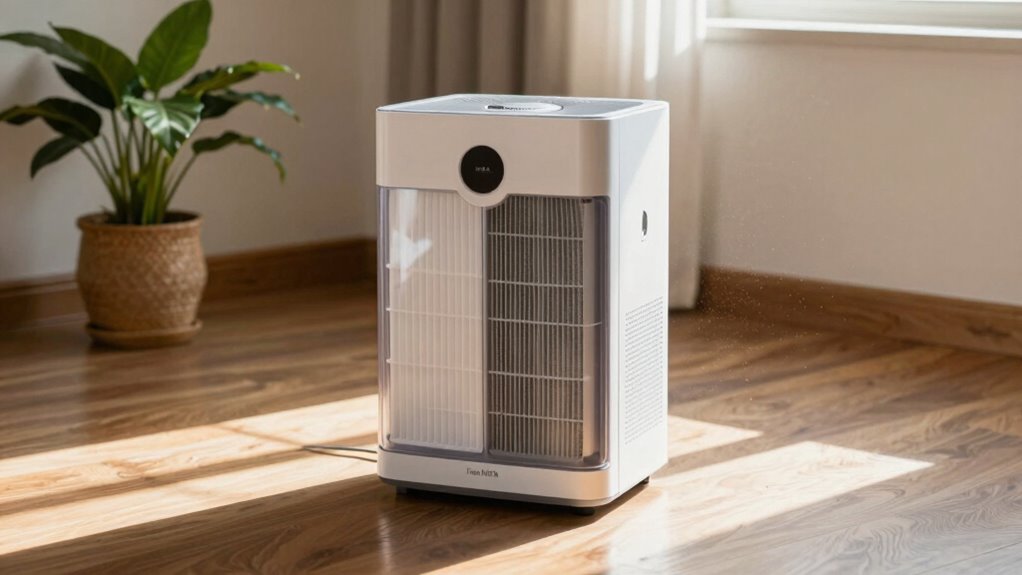
To keep your air purifier functioning optimally, it’s also helpful to understand the significance of HEPA filters and their role in air quality. To keep your air purifier and filters working effectively, regular maintenance is essential. Follow these tips to guarantee peak performance:
- Create a Maintenance Schedule: Set reminders for regular check-ups on your air purifier and filters. This helps you stay on track with upkeep.
- Monitor Filter Replacement: Check your filter regularly and replace it according to the manufacturer’s guidelines—typically every 6-12 months, depending on usage.
- Clean Pre-Filters: If your purifier has a pre-filter, clean it every month to reduce dust and debris accumulation.
- Keep the Area Clear: Confirm there’s enough space around your air purifier for proper airflow and efficiency.
Conclusion: Making an Informed Choice for Cleaner Air
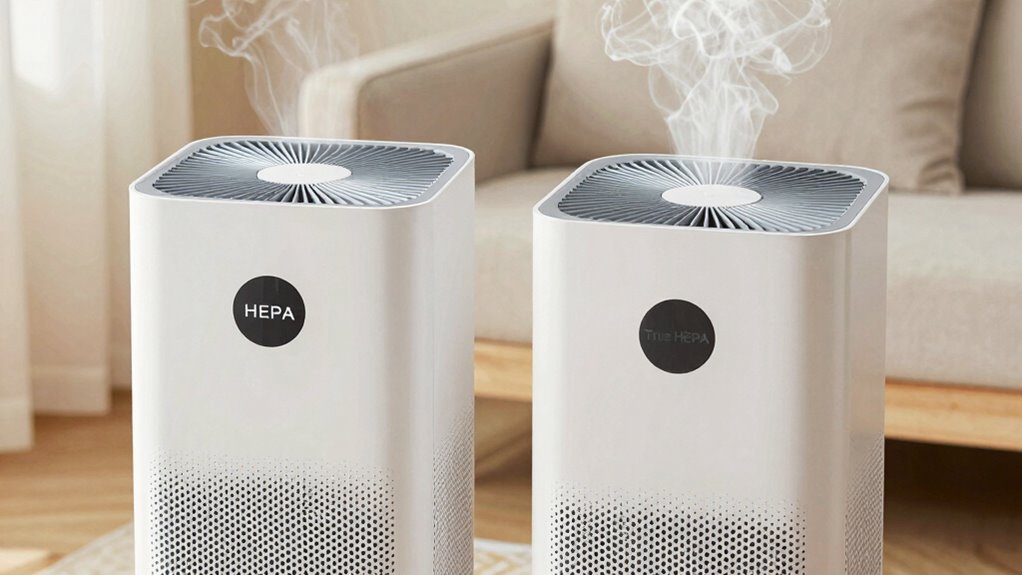
As you consider your options for improving indoor air quality, understanding the differences between HEPA and True HEPA filters is essential. True HEPA filters capture at least 99.97% of particles, ensuring cleaner air, while standard HEPA filters might not meet this high standard. When making your choice, think about the specific pollutants in your home and the filter lifespan; longer-lasting filters can save you money and effort in the long run. It’s also important to factor in the size of the space you want to purify. By prioritizing air quality and choosing the right filter, you’ll create a healthier indoor environment for yourself and your loved ones. Take the time to research and invest wisely in your air purification needs.
Frequently Asked Questions
Can HEPA Filters Remove Viruses From the Air?
Yes, HEPA filters can remove viruses from the air, thanks to their high filter efficiency. They’re designed to trap particles as small as 0.3 microns, which includes many airborne viruses. When you use a quality HEPA filter, you’re enhancing virus filtration in your space, reducing the risk of airborne transmission. Just make sure your air purifier or HVAC system is equipped with a true HEPA filter for peak performance.
How Often Should I Replace HEPA Filters?
You should replace HEPA filters every 6 to 12 months, depending on usage and air quality. Regular filter maintenance is essential; a clogged filter can reduce efficiency and affect air quality. If you’ve got pets, smoke, or live in a dusty area, you might need to change them more frequently. Pay attention to the manufacturer’s recommendations to keep your air clean and your filter working effectively. Don’t wait too long for replacements!
Are HEPA Filters Washable or Reusable?
HEPA filters aren’t typically washable or reusable. Once they’re dirty, you’ll need to replace them to maintain ideal air quality. Some reusable options exist, but they often don’t perform as well as standard HEPA filters. If you’re looking for washable filters, check the manufacturer’s specifications. Always follow their guidelines to guarantee you’re getting the best performance from your air purifier. Regular maintenance is key to keeping your indoor air clean and fresh.
Do HEPA Filters Produce Ozone?
While some filters might sound like a science experiment gone wrong, most HEPA filters don’t produce ozone. Instead, they’re designed to improve air quality by trapping tiny particles. However, some air purifiers that use ionization can generate ozone as a byproduct, which can be harmful. So, if you’re concerned about ozone production, stick to true HEPA filters that focus solely on filtering the air without adding unwanted pollutants back into your space.
What Is the Lifespan of a True HEPA Filter?
A True HEPA filter typically lasts about 6 to 12 months, depending on usage and air quality. To maintain filter efficiency, regularly check and replace your filter as needed. You can extend its lifespan by keeping your vacuum and HVAC systems clean, reducing dust and pollutants. Following these maintenance tips guarantees your filter performs at its best, helping you breathe cleaner air throughout your home. Don’t forget to monitor air quality regularly!
Conclusion
In the quest for cleaner air, choosing between HEPA and True HEPA filters is like picking the right key to open a wave of rejuvenating life. While both options offer benefits, True HEPA filters hold the golden ticket for tackling those pesky allergens. With the right choice and proper maintenance, you’re not just filtering air; you’re crafting a sanctuary of health. So, inhale easily and trust your instincts—your lungs will thank you with every refreshing inhale!
NFL season / tailgating Picks
team gear
As an affiliate, we earn on qualifying purchases.